
Executive Overview
In an era defined by intensifying environmental challenges and shifting agricultural economics, Washington lawmakers have introduced a pioneering legislative framework aimed at mending two distinct yet deeply intertwined crises: the historic contraction of the American cattle herd and the precipitous decline of North American grassland bird populations.
The Rebuilding America’s National Cow Herd (RANCH) Act, introduced in the United States Senate by a bipartisan coalition featuring Senators Mike Rounds (R-SD) and Amy Klobuchar (D-MN), proposes the establishment of a novel United States Department of Agriculture (USDA) program. This initiative is designed to deliver voluntary technical and financial assistance to agricultural producers who choose to convert marginally productive cropland into native grasses and perennial forage. By incentivizing this transition, the legislation aims to bolster rural economies, improve soil and water resource management, and cultivate critical habitats for wildlife.
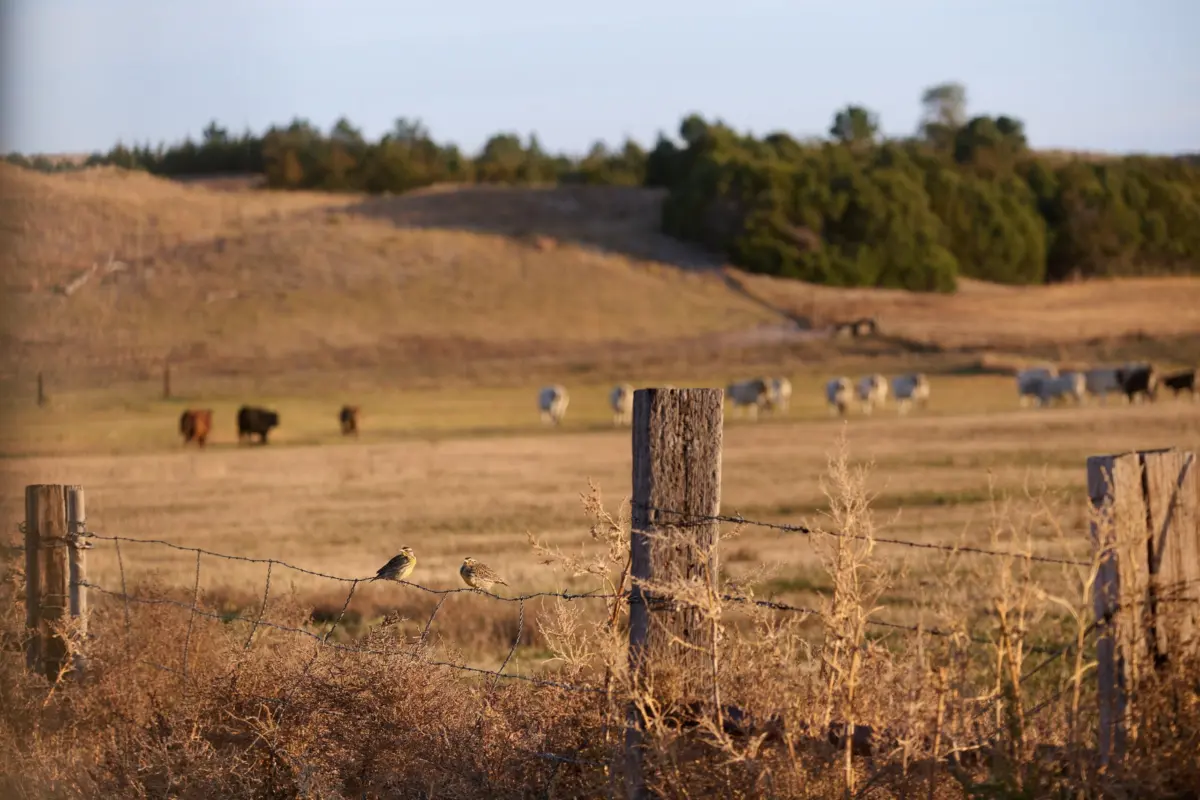
The stakes could hardly be higher. Recent agricultural metrics indicate that the nation’s cattle inventory has dwindled to its smallest size in more than 70 years, placing immense pressure on beef producers, meatpacking supply chains, and consumer prices. Simultaneously, avian conservation science paints a similarly alarming picture: grassland birds are experiencing some of the steepest population declines of any avian group on the North American continent.
By bridging the gap between agricultural productivity and environmental stewardship, the RANCH Act presents a compelling legislative model. It operates on the foundational premise that the long-term economic resilience of working lands is inextricably linked to the ecological health of the soil, water, and native flora and fauna that sustain them. Backed by a coalition of prominent conservation organizations—including the National Audubon Society, the National Wildlife Federation, Pheasants Forever, and the South Dakota Grasslands Initiative—the bill sets the stage for a major debate over the future of federal agricultural and conservation policy.
Detailed Chronology: The Genesis and Path of the RANCH Act
To understand the current momentum behind the RANCH Act, one must examine the gradual convergence of agricultural necessity, grassroots pilot programs, and federal policymaking that brought the legislation to the Senate floor.
The Ground-Level Catalyst: North Dakota’s Conservation Forage Program
The conceptual framework of the RANCH Act did not emerge overnight in a Washington D.C. think tank; rather, it was forged on the working ranches of the Great Plains. The legislation builds directly upon the proven model established by the Audubon Conservation Forage Program in North Dakota.
Launched as a targeted, voluntary cost-share initiative, the North Dakota pilot was designed to help agricultural producers evaluate and transition marginally productive, high-risk cropland—acres that often yield low economic returns while draining farm inputs—back into native grasses and forbs. Over the course of its implementation, the pilot enrolled more than 150 producers, fundamentally shifting local perceptions of land management.
The pilot demonstrated that restoring working grasslands was not merely an environmental exercise, but a sound economic strategy. Producers discovered that perennial forage provided dependable grazing reserves during drought years, reduced their reliance on expensive synthetic fertilizers, and created vital nesting and foraging grounds for declining bird species. This real-world success provided the empirical data and grassroots credibility necessary to catch the attention of federal lawmakers.
Legislative Drafting and Bipartisan Introduction
Arming themselves with the data from successful regional initiatives, agricultural stakeholders and conservation advocates engaged members of Congress to scale the concept nationally. Recognizing the dual pressures facing cattle producers—ranging from persistent drought and high feed costs to generational land-use shifts—Senators Mike Rounds and Amy Klobuchar spearheaded the drafting of the RANCH Act.
Introduced in the Senate, the bill bridges traditional political divides. Senator Rounds, representing a state deeply rooted in cattle ranching and prairie ecosystems, and Senator Klobuchar, representing a powerhouse agricultural state with diverse farming landscapes, crafted the legislation to appeal broadly to rural constituencies. By ensuring that participation in the program remains entirely voluntary and focused on financial and technical incentives rather than burdensome mandates, the sponsors positioned the bill to garner swift support across the agricultural sector.
Supporting Context & Metrics: The Dual Crises on America’s Working Lands
To fully appreciate the urgency behind the RANCH Act, it is essential to examine the macro-level economic and ecological metrics shaping modern American agriculture.
The Shrinking American Cattle Herd
The foundational crisis driving the RANCH Act is the historic contraction of the U.S. cattle inventory. According to data compiled by the USDA National Agricultural Statistics Service (NASS), the nation’s cattle herd has plummeted to its lowest level in over seven decades.
Several compounding factors have fueled this multi-year decline:
- Prolonged Drought: Severe and persistent dry spells across the Western United States and the Great Plains have devastated pasture and rangeland productivity, forcing ranchers to liquidate herds prematurely because they lacked sufficient forage.
- High Input Costs: Spiraling prices for fuel, fertilizer, veterinary supplies, and supplemental feed have squeezed profit margins, making cattle production increasingly precarious for independent family operations.
- Aging Demographics and Land Conversion: Many traditional ranching families face generational transfer hurdles, while millions of acres of productive grassland continue to be converted into intensive row-crop agriculture or lost to commercial development.
This contraction has sent ripple effects throughout the agricultural economy. Smaller herds mean reduced processing efficiency, diminished export capacities, and heightened vulnerability to market volatility—pressures that ultimately translate to higher beef prices at grocery stores nationwide.
The Silent Crisis of Grassland Bird Populations
While cattle producers grapple with inventory deficits, North America’s grassland ecosystems are witnessing an ecological emergency. According to comprehensive continental bird surveys, grassland birds have suffered the steepest and most consistent population declines of any avian guild on the continent over the past half-century.
Species such as the Western Meadowlark, Greater Prairie-Chicken, Bobolink, and Lark Bunting rely heavily on intact prairie ecosystems for nesting, brooding, and foraging. As native grasslands have been plowed under, fragmented, or degraded by invasive species, these populations have lost the habitats necessary for survival.
Because birds act as biological sentinels—sensitive indicators of environmental health—their decline signals broader degradation across the entire prairie biome. Soil erosion, declining water retention, and the loss of subterranean biodiversity often accompany the loss of native perennial cover.
The Synergy of Grass and Grazing
The brilliance of the RANCH Act lies in its recognition that cattle and native grasslands are evolutionary partners. Historically, vast herds of migratory bison shaped the Great Plains, grazing native grasses in a manner that stimulated root growth, enhanced soil carbon sequestration, and maintained structural diversity in the habitat.
Modern rotational grazing and perennial forage management mimic these natural dynamics. By converting marginal, erosion-prone cropland back into native grasses, the RANCH Act addresses both crises simultaneously:
- For Climate and Ecology: Perennial grasses sink roots deep into the soil—often plunging several feet underground—capturing carbon, improving water infiltration, mitigating flood risks, and restoring the nesting habitats required by vulnerable bird species.
- For Economics: These restored grasslands provide high-quality, drought-resilient forage for cattle, lowering input costs for ranchers and rebuilding the nation’s foundational livestock inventory on a more sustainable ecological footing.
Official Statements and Stakeholder Perspectives
The introduction of the RANCH Act has galvanized a broad coalition of agricultural producers, conservation scientists, and sporting organizations. Key leaders have voiced strong support for the legislation’s balanced approach.
National Audubon Society
Marshall Johnson, Chief Conservation Officer at the National Audubon Society, emphasized the vital intersection of agriculture and conservation embedded within the legislation.
"Voluntary, incentive-based conservation programs are vital for reversing the concerning drop in grassland birds and supporting our nation’s agricultural producers," said Johnson. "We thank Sens. Rounds and Klobuchar for their bipartisan leadership in introducing the RANCH Act, which demonstrates how conservation and agricultural production can go hand in hand. By helping farmers and ranchers restore native grasslands on marginal cropland, this legislation creates lasting benefits for birds, strengthens rural economies, improves soil and water resources, and supports the long-term success of working lands."
On-the-Ground Perspectives: Ranchers Speak Out
For working ranch families who manage these landscapes daily, the link between ecological health and economic viability is undeniable. Dan Rasmussen, who together with his wife, Dawn, stewards the historic 33 Ranch near Belvidere, South Dakota, shared his firsthand experience with regenerative grassland management.
"I’m encouraged to see Congress listening to the voices of farmers and ranchers who work in grasslands every day," Rasmussen noted. "Strong grass-based agriculture depends on healthy, productive grasslands, and investments in voluntary grazing and conservation practices help keep ranching businesses profitable for the long term. Through our work with Audubon and other partners, we’ve seen firsthand that when we manage grasslands well, our cattle benefit, wildlife thrives, and water quality improves. That’s a win for ranchers, rural communities, and everyone who depends on these working lands."
Broad Coalition Backing
The legislation is supported by an influential network of conservation and agricultural groups that span diverse priorities, including the South Dakota Grasslands Initiative, the National Wildlife Federation, and Pheasants Forever. This unified front underscores a growing consensus in Washington and across rural America: effective conservation policy must empower, rather than penalize, the private landowners who manage the vast majority of the nation’s natural resources.
Future Outlook: Challenges and Opportunities on the Road to Law
As the RANCH Act moves through the legislative process, policymakers, agricultural economists, and conservationists are looking ahead to its implementation prospects and potential long-term impacts.
Navigating the Legislative Landscape
While the bill enjoys strong bipartisan sponsorship and enthusiastic backing from the conservation community, it must navigate the complex realities of federal legislative budgeting and upcoming agricultural policy debates. Securing dedicated funding within future federal budget cycles or integrating its provisions into broader legislative frameworks will require sustained advocacy from its congressional champions.
Proponents emphasize that the voluntary, non-regulatory nature of the RANCH Act gives it a distinct advantage. By steering clear of heavy-handed mandates and instead offering concrete financial and technical support, the bill avoids much of the traditional friction that often stalls environmental legislation in rural districts.
Anticipated Environmental and Economic Outcomes
If enacted and adequately funded, the RANCH Act could trigger transformative changes across millions of acres of American farmland:
- Inventory Recovery: By stabilizing forage supplies and expanding grazing opportunities, the program can help independent ranchers rebuild breeding herds without facing crippling feed expenditures during regional dry spells.
- Ecosystem Restoration: The large-scale return of native perennials will measurably improve soil health metrics, reduce agricultural runoff into vital watershed systems like the Mississippi River basin, and provide the uninterrupted nesting terrain required to stabilize declining grassland bird populations.
- Rural Economic Diversification: Beyond beef and grain production, healthier rural landscapes support outdoor recreation economies, including hunting, ecotourism, and wildlife viewing, injecting steady revenue into rural communities.
Conclusion
The Rebuilding America’s National Cow Herd (RANCH) Act represents a sophisticated evolution in American conservation and agricultural policy. By recognizing that the future of the nation’s beef industry and the survival of its native wildlife are bound to the same patch of soil, Senators Rounds, Klobuchar, and their conservation partners have crafted a blueprint for resilience.
As Congress weighs the legislation, the message from the American prairie is clear: investing in working lands is not a choice between feeding people and protecting the planet—it is an absolute prerequisite for achieving both.