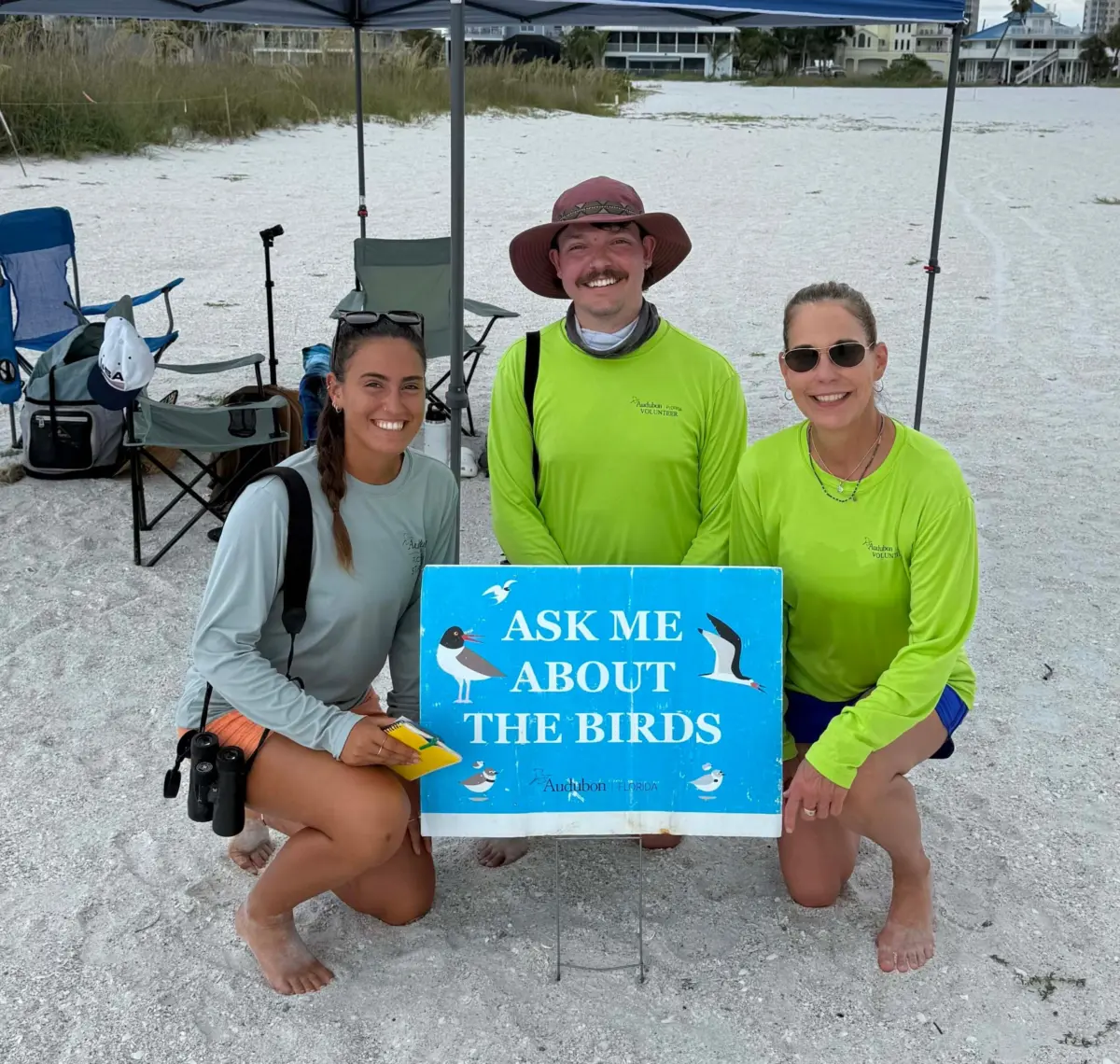

By Ellie Cook, Fort Myers Beach Anchor Steward
Special Investigative & Environmental Report
Executive Overview
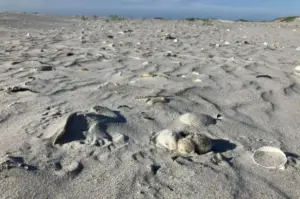
Nestled within the shifting sands of the southernmost tip of Fort Myers Beach lies a bustling, highly organized metropolis largely invisible to the casual beachgoer. On any given day, this dynamic coastal micro-city shifts fluidly between frantic activity and profound tranquility. It is home to a thriving, vulnerable nesting colony of seabirds and shorebirds—an intricate ecosystem where survival depends entirely on an invisible network of signals, calls, behavioral cues, and ecological dependencies.
For conservationists, ornithologists, and local stewards, this coastal enclave represents far more than a recreational destination. It serves as a living laboratory for coastal resilience, biodiversity, and community stewardship. However, as human pressure mounts along Florida’s southwestern coastline, the survival of this colony hangs in the balance.
This report examines the intricate communication systems of the Fort Myers Beach shorebird colony, the biological networks sustaining it, the collaborative conservation efforts required to protect it, and the urgent imperative for human coexistence within this delicate shared habitat.
Detailed Chronology: A Morning Within the Colony
To truly understand the heartbeat of the Fort Myers Beach nesting colony, one must observe it over time. Sitting quietly beneath the canopy of a coastal palm, binoculars pressed to eyes and notebook open, an observer becomes a student of a complex, unbroken choreography.
The Dawn Chorus and Territorial Dynamics
The morning begins well before sunrise with the low, steady rumble of the Gulf of Mexico meeting the shore. As light breaks across the sand, the air fills with the sharp, resonant calls of an American Oystercatcher (Haematopus palliatus). Within seconds of its alarm call, two neighboring oystercatchers rush to its side, reinforcing territorial boundaries.
A few yards away, along the damp margin where retreating waves expose coquina clams and ghost crabs, a pair of Wilson’s Plovers (Charadrius wilsonia) darts across the sand with mechanical precision. Their target: a handful of fiddler crabs (Uca pugilator) emerging from their freshly excavated subterranean burrows.
The Inter-Species Defense Network
The rhythm of the morning is suddenly punctured by a sharp, escalating outcry. A Least Tern (Sternula antillarum), the smallest of North America’s breeding terns, launches violently into the vertical air column. Within moments, a dozen more terns join the aerial defense, forming a defensive mobbing party. Their target is an Osprey (Pandion haliaetus) cruising lazily overhead on patrol for fish.
The terns’ calls grow progressively louder and more frantic with every aggressive swoop. They do not share a linguistic vocabulary with the predatory raptor, yet the message rings out with unmistakable clarity across the dunes: Stay away from our nests.
This dramatic interaction underscores a fundamental reality of the shorebird city: while each species operates under distinct evolutionary pressures and communication protocols, together they forge a unified defense system. Every alarm call, warning posture, and territorial display contributes to the collective survival of the community.
The Cycle of Life and Return
Later in the morning, as the tide turns, the auditory landscape shifts again. The air fills with the rhythmic, nasal barks of a colony of Black Skimmers (Rynchops niger), accompanied by the low, resonant croak of a Great Egret (Ardea alba) gliding gracefully in for a landing.
Right before a step is taken along the wrack line, a sobering sight interrupts the observation: the bleached, skeletal remains of a Laughing Gull (Leucophaeus atricilla). What was once a dynamic, vocal creature is now slowly decomposing, returning its constituent nutrients to the very earth that sustained it throughout its life cycle. It is a powerful, grounding reminder that every organism in this coastal ecosystem—human and non-human alike—is bound by the same biological laws, forged from the earth and ultimately returned to it.
Supporting Context & Metrics: The Ecology of the Shorebird Metropolis
The Fort Myers Beach shorebird colony is not an isolated biological island; it is an integrated node in a vast, interconnected regional web of Atlantic and Gulf coastal ecosystems.
The Trophic Web of the Intertidal Zone
The moment a human foot touches the sand of Fort Myers Beach, an invisible chain reaction is triggered. The ecosystem beneath our feet is a bustling frontier of microscopic organisms, meiofauna, and macro-invertebrates.
- The Substrate: Microscopic life within the sand grains fuels the lower trophic tiers, providing sustenance for ghost crabs, mole crabs (Emerita talpoida), and polychaete worms.
- The Intermediaries: Insects and crustaceans moving across the beach surface serve as the primary dietary foundation for ground-nesting shorebirds, including plovers, sandpipers, and terns.
- The Anchor Species: Coastal vegetation—such as sea oats (Uniola paniculata) and beach sunflower (Helianthus debilis)—anchors the shifting dunes against tropical storm surges while offering critical shade and micro-habitat shelter for precocial chicks.
- The Apex Consumers: Shorebirds and seabirds form a critical feedback loop, depending on nearshore finfish populations, benthic crabs, and marine invertebrates while distributing vital marine-derived nutrients back into the terrestrial dune environment.
Conservation Metrics and Vulnerabilities
Colony stability along high-traffic tourism corridors like Fort Myers Beach faces severe anthropogenic pressures. According to state and regional wildlife monitoring reports, beach-nesting bird populations face mounting challenges:
- Habitat Fragmentation: Coastal development has compressed natural overwintering and nesting ranges, forcing ground-nesting species into narrow, highly frequented strips of sand.
- Disturbance Metrics: Ornithological studies indicate that human disturbance—ranging from unleashed domestic pets and beachgoers crossing posted conservation buffers to recreational drones—causes incubating parents to flush from their nests, exposing vulnerable eggs and chicks to lethal solar radiation and avian predators like crows and gulls.
- Predator Dynamics: Human-altered landscapes artificially inflate populations of urban-adapted predators (such as raccoons, opossums, and domestic cats), which disproportionately prey upon ground nests.
Official Statements and Expert Perspectives
Wildlife biologists, conservation directors, and local stewards emphasize that protecting these avian colonies requires a fundamental shift in how coastal communities perceive nature.
"Nature does not shout," notes Ellie Cook, Fort Myers Beach Anchor Steward. "It is a steady knock on the door of our awareness. Always there, rarely noticed, it is the conversation that connects us. When we sit quietly with binoculars and notebooks, we begin to realize that humans are not separate from this web of communication. Rather, we are active participants in it."
Conservation leaders stress that wildlife management cannot succeed through regulatory enforcement alone; it requires cultural integration and shared responsibility.
"Like the beach itself, effective conservation depends entirely on relationships," explains a regional Audubon Florida wildlife biologist. "It succeeds when individuals with diverse strengths—volunteers, scientists, educators, photographers, and civic leaders—come together in service of something greater than themselves. No single entity can accomplish this mission in isolation. Nature does not revolve around human convenience, and it never has. We are simply one voice in a much larger, ancient conversation."
Local municipalities and conservation organizations have increasingly emphasized educational outreach, deploying symbolic fencing, educational signage, and trained volunteer stewards along critical nesting stretches to bridge the gap between public recreation and wildlife protection.
Future Outlook: Listening to the Coast
As Fort Myers Beach continues its post-storm recovery and long-term revitalization, the future of its shorebird colonies serves as a critical litmus test for sustainable coastal management. The challenges ahead are significant, yet the path forward is clear.
1. Enhanced Habitat Protections and Stewardship Expansion
Expanding seasonal symbolic fencing and increasing the presence of trained anchor stewards during peak breeding seasons (typically spanning from February through August) will remain vital. These measures provide physical and psychological buffers, ensuring that nesting adults can incubate undisturbed.
2. Community Engagement and Public Education
Transforming public perception from viewing the beach merely as an entertainment venue to recognizing it as a dynamic, living ecosystem is essential. Educational programs that highlight the behavioral cues of nesting birds—such as the distraction displays of plovers or the mobbing flights of terns—empower beachgoers to become active guardians of local wildlife.
3. Integrated Coastal Management
Future infrastructural and beach-renourishment projects must incorporate ecological windows, ensuring that sand placement and dune restoration efforts do not disrupt active nesting seasons. By aligning municipal planning with avian life cycles, Fort Myers Beach can model how urbanized coastal zones can successfully harbor rich biodiversity.
The Ultimate Question
The shorebirds of Fort Myers Beach have sustained their ancient rhythms through millennia of environmental shifts, tropical storms, and ecological pressures. Every alarm call, every footprint pressed into the damp sand, and every feather caught in the sea breeze is part of a dialogue infinitely larger than human existence.
The fundamental challenge facing our generation is not whether nature is communicating. The true question—one that will define the ecological legacy of our coastline—is whether we are finally willing to listen.