
Executive Overview
In the high-stakes world of feline rescue, survival is rarely the result of a single heroic act. More often, it is forged through an unbroken chain of collective empathy—a synchronized relay where Good Samaritans, exhausted foster parents, dedicated veterinarians, and compassionate animal advocates intersect to alter a fragile destiny.
Recently, this precise network of care was put to the ultimate test in San Jacinto, California, where Karlee’s Angels Pet Rescue intercepted two separate, harrowing cases of neonatal vulnerability. The subjects, two newborn kittens named Hugo and Philly, arrived at the precipice of mortality. Hugo, suffering from an acute umbilical infection that rapidly deteriorated into systemic sepsis, was hours from death. Philly, severely underweight and battling advanced ocular infections, faced initial shelter rejections due to an acute lack of regional resources.
Yet, through the strategic intervention of community-driven initiatives—specifically the Purrfect Start Program and the Golden Whiskers Project, powered by iHeartCats—both animals were pulled back from the brink. Today, Hugo and Philly are not only thriving, healthy juveniles, but they have also formed an inseparable bond as surrogate brothers. This investigative feature explores the mechanics of their miraculous recoveries, the systemic challenges facing regional rescue groups during peak kitten season, and the indispensable financial architecture that transforms an impossible "no" into a lifesaving "yes."
Detailed Chronology: From Critical Care to Recovery
Hugo’s Fight Against Sepsis
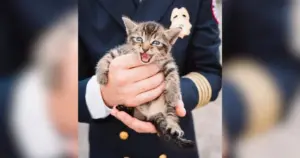
When newborn Hugo was transferred to a local shelter, his medical chart read like an obituary in waiting. At barely days old, his immune system was virtually nonexistent, and he presented with multiple infected lesions. Most alarming was an umbilical cord infection that had advanced unchecked into sepsis—a life-threatening systemic reaction to infection that rapidly shuts down vital organs in neonatal mammals.
Karlee’s Angels Pet Rescue recognized that traditional shelter environments, with their high-stress atmospheres and limited individual attention, would prove fatal for Hugo. The rescue mobilized their specialized neonatal foster network, placing the fragile kitten directly into the round-the-clock care of foster volunteer Lisa.
[Intake: Sepsis & Critical Wounds]
       ↓
[Emergency Foster Assignment (Lisa)]
       ↓
[Around-the-Clock Bottle Feedings & Meds]
       ↓
[Immune Stabilization & Weight Gain]
       ↓
[Full Recovery: Playful, Healthy Juvenile + Bond with Philly]
The medical regimen required military-grade precision and punishing personal sacrifice. Lisa instituted a rigorous protocol of:
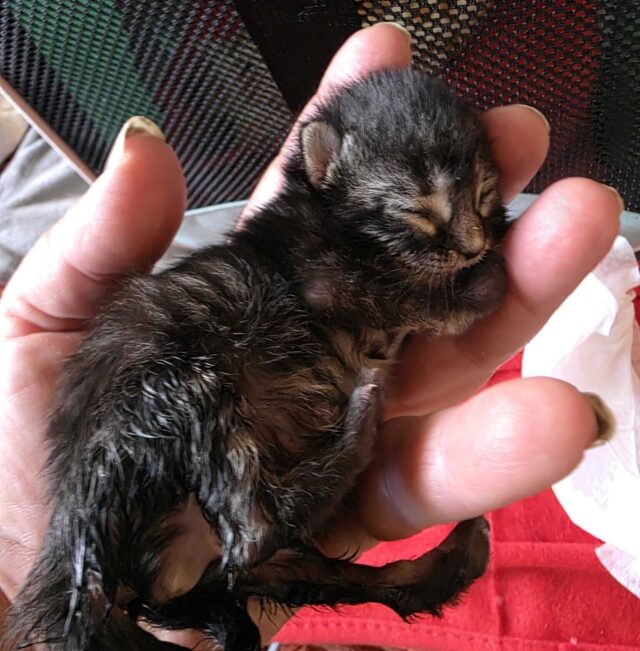
- Micro-bottle feedings every two to three hours, day and night.
- Targeted antibiotic administration to combat the septic cascade.
- Meticulous wound debridement and sterile dressing changes.
- Thermal regulation via incubators to combat dangerous neonatal hypothermia.
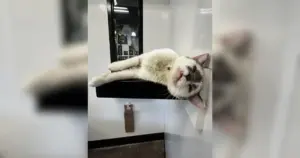
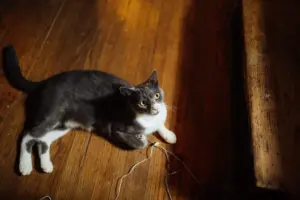
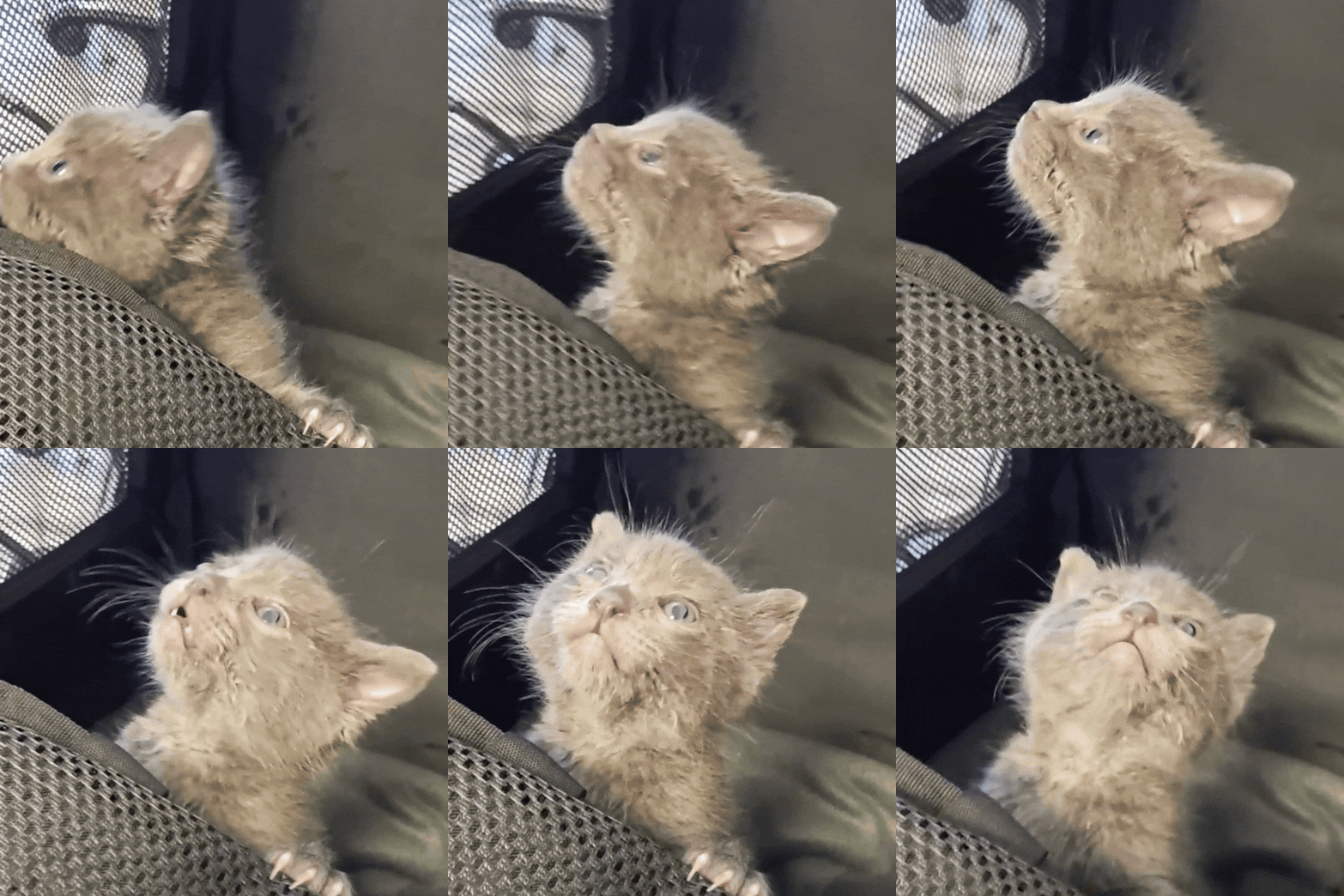
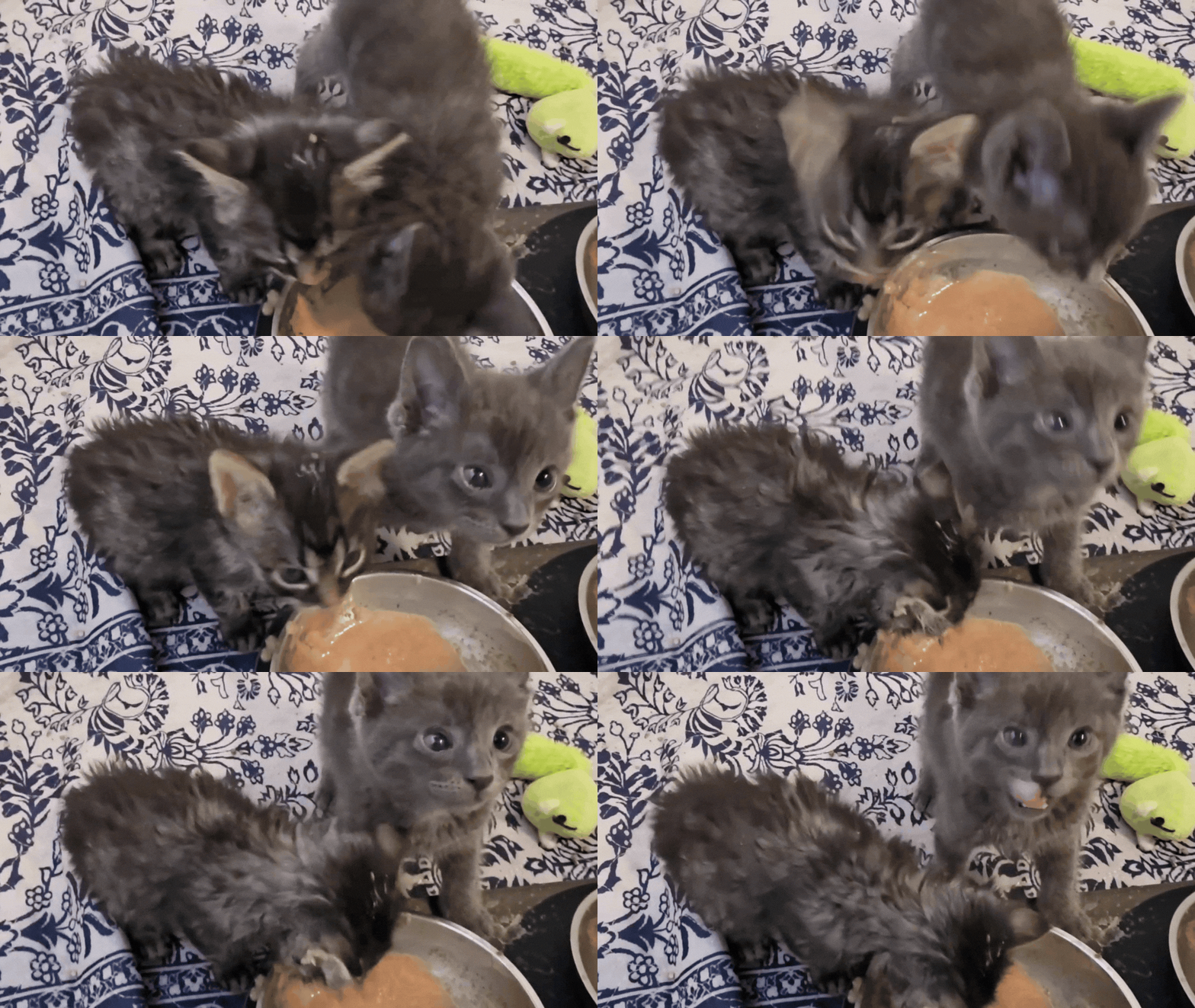
For days, the margin between life and death remained razor-thin. The veterinary and foster team faced moments of profound doubt, bracing for the worst as Hugo’s vitals fluctuated. Yet, the newborn exhibited an innate tenacity. Slowly, day by day, the infection receded. His weight crept upward, his coat smoothed, and his vitality returned. Today, Hugo retains none of the fragility of his early days; instead, he has blossomed into a robust, energetic, and unapologetically "bossy" young kitten.
Philly’s Journey and the Pivot Point of Rescue
Philly’s path to salvation highlights the agonizing triage decisions that animal rescues face daily. When Karlee’s Angels was first alerted to Philly’s plight, the organization’s infrastructure was operating at absolute capacity. They lacked an available 24-hour neonatal foster home and a secure quarantine space to isolate a severely compromised incoming animal.
Rather than turning the finder away empty-handed, the rescue deployed a tactical stopgap: an emergency kitten care kit paired with comprehensive, step-by-step care instructions. This empowered the finders to bridge the immediate gap, providing essential nourishment and stabilization while the rescue scrambled for a sustainable solution.
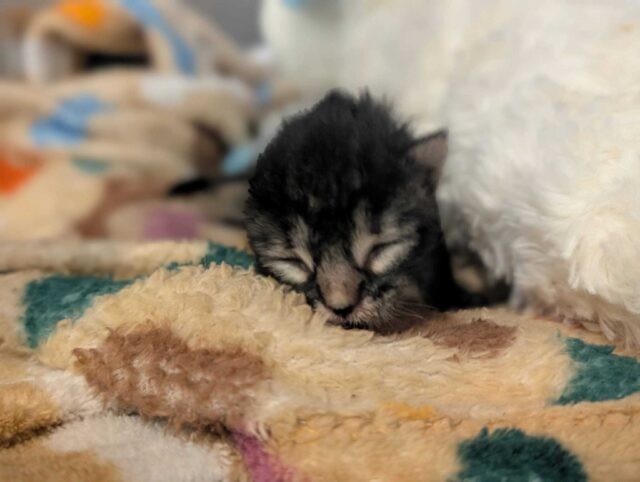
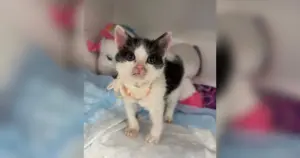
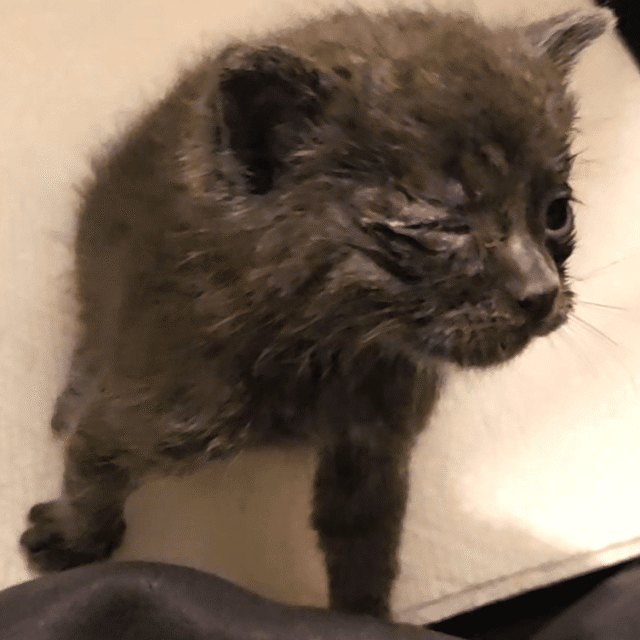
Days later, Philly was returned to Karlee’s Angels for definitive care. The toll of his interim days was evident:
- Advanced, crusting ocular infections threatening his vision.
- Severe developmental stunting, placing him at least one week behind normal growth milestones.
- Critical muscle wasting indicative of chronic malnutrition.
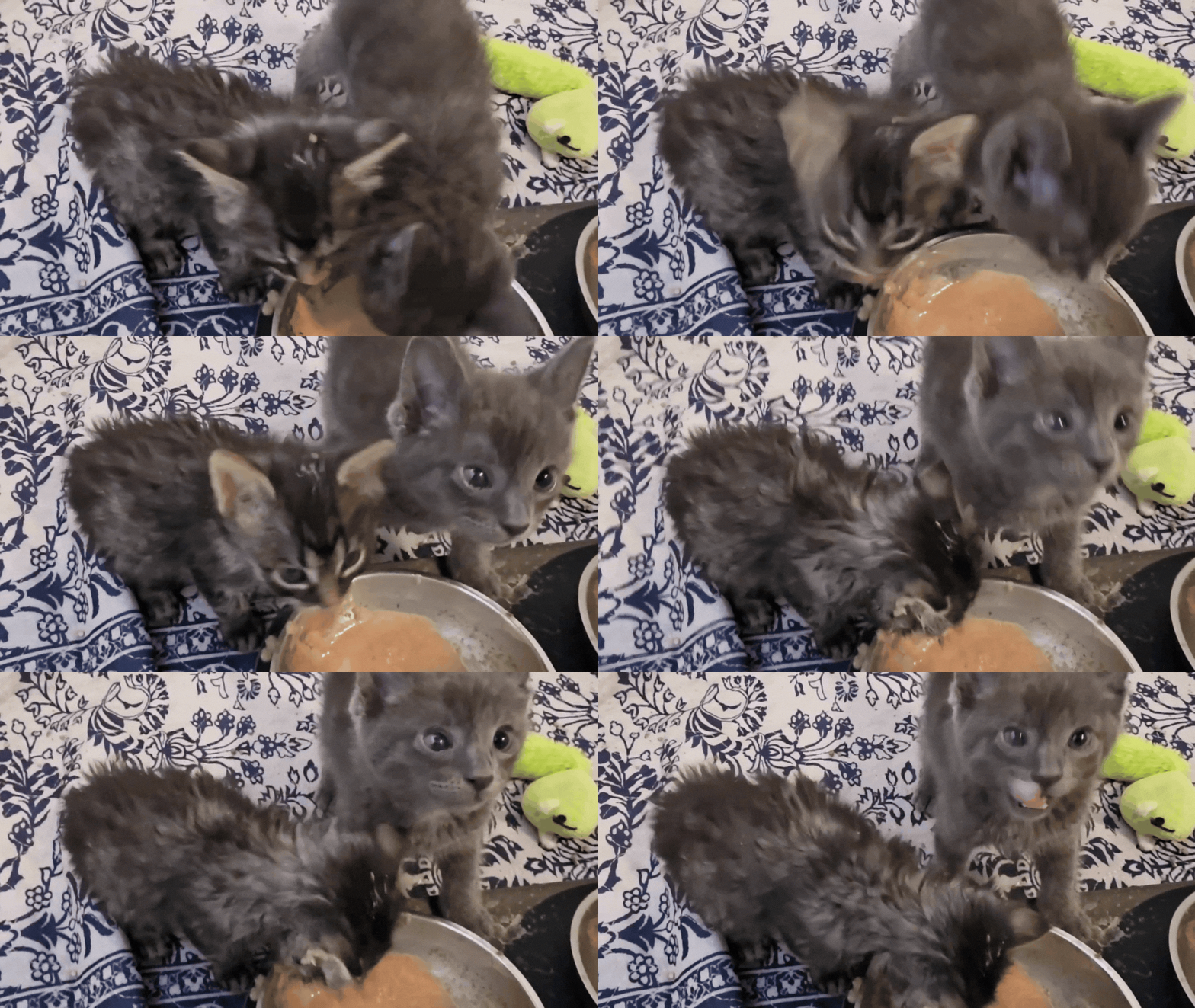
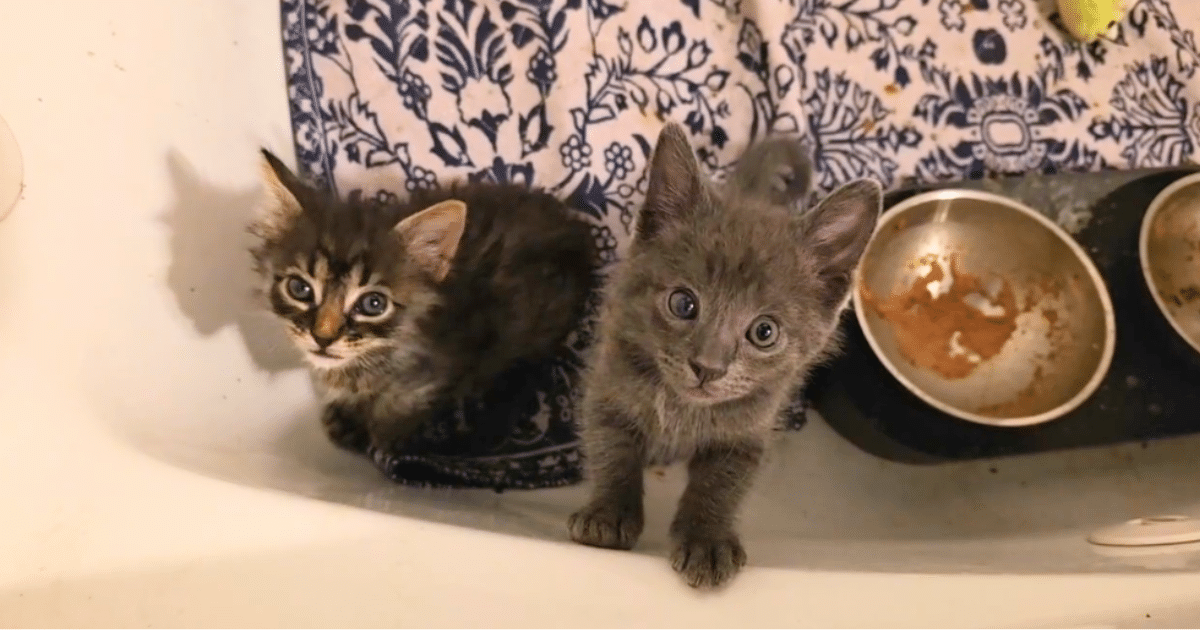
Armed with newly liberated resources and dedicated veterinary oversight, the rescue formally accepted Philly into their program. Following a targeted medical intervention—featuring specialized ophthalmic treatments, nutritional rehabilitation, and intensive social TLC—Philly experienced a rapid physical and behavioral transformation. In a twist of serendipity, Philly was introduced to Hugo. Separated by only a week in age, the two survivors immediately bonded, establishing a symbiotic companionship that accelerated their developmental progress.
Supporting Context & Metrics: The Economics of Rescue
The survival of kittens like Hugo and Philly is intrinsically tied to systemic operational funding. Animal sheltering and rescue networks face perennial economic pressures, particularly during "kitten season"—the warmer months when unspayed stray populations surge, flooding shelters with litters of orphaned newborns.
The Financial Burden of Neonatal Care
Neonatal kittens require an exceptionally resource-intensive care model compared to adult cats. The financial metrics per neonate typically encompass:
| Expense Category | Description & Frequency | Average Cost Impact |
|---|---|---|
| Formula & Replacers | Specialized kitten milk replacer (KMR), high-calorie pastes | High (Recurring every 2–3 hours) |
| Medical Consumables | Syringes, bottles, heating pads, sterile gauze, wound care | Moderate to High |
| Veterinary Diagnostics | Blood panels, sepsis intervention, emergency trauma care | Extreme (Variable per crisis) |
| Pharmacology | Broad-spectrum antibiotics, eye drops, anti-nausea agents | Moderate |
When rescue organizations must allocate 100% of their operational budget to baseline supplies—such as formula, bottles, and medical consumables—their capacity to absorb emergency trauma cases plummets.
The Impact of the iHeartCats Partnership
This is where structured philanthropic partnerships prove decisive. Through initiatives like the Purrfect Start Program and the Golden Whiskers Project, iHeartCats supplies vital provisions directly to front-line rescue groups like Karlee’s Angels.
By absorbing the costs of everyday necessities—including nutrient-dense food, specialized feeding kits, medical supplies, and environmental enrichment items—these programs provide critical financial breathing room. Dollars previously earmarked for bulk formula purchases can instead be redirected toward specialized veterinary diagnostics, surgical interventions, and expanding foster network capacities. Consequently, these supply chains directly influence a rescue’s ability to transition from a defensive "no" to an affirming "yes."
Future Outlook: Mitigation, Education, and Community Intervention
Rehabilitating individual kittens like Hugo and Philly treats the symptoms of a broader systemic crisis. To achieve long-term sustainability, rescue organizations must simultaneously address the root causes of feline overpopulation. Karlee’s Angels has adopted a multi-pronged preventative strategy designed to curb intake numbers before animals ever reach critical shelter condition.
1. Proactive Spay/Neuter and TNR Initiatives
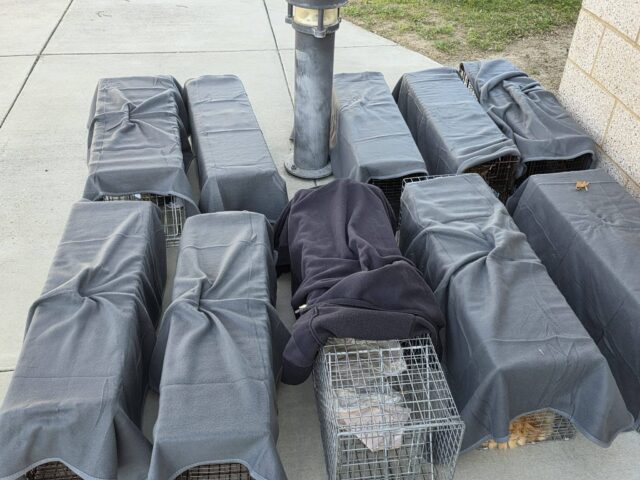
At the core of the rescue’s preventative mandate is the aggressive promotion of low-cost spay and neuter services. By subsidizing sterilizations for community cats and owned pets alike, the organization directly interrupts the reproductive cycle that drives kitten season surges. Furthermore, structured Trap-Neuter-Return (TNR) programs humanely stabilize feral colonies, reducing community cat populations over time and alleviating the catastrophic overcrowding that plagues municipal shelters.
2. Community Education and Foster Workshops
Recognizing that a rescue’s physical capacity is fundamentally bounded by its human infrastructure, Karlee’s Angels conducts specialized educational workshops. These training sessions equip community volunteers with critical competencies, including:
- Safe neonatal handling and hypothermia prevention.
- Techniques for successful bottle-feeding and elimination stimulation.
- Protocols for maternal-kitten care and quarantine management.
- Field execution of community cat TNR trapping protocols.
3. Emergency Kit Distribution Networks
Expanding upon the model initially utilized for Philly, the rescue distributes pre-packed emergency kitten care kits to local veterinary clinics, community centers, and animal control partners. These kits ensure that when a Good Samaritan encounters an abandoned litter, they are immediately equipped with the tools and procedural knowledge required to sustain life during the critical window before professional rescue placement becomes available.
Conclusion: A Living Legacy of Compassion
The miraculous transformations of Hugo and Philly stand as physical manifestations of an extended, multi-tiered community of care. From the initial Good Samaritan who refused to turn a blind eye, to the tireless foster parents navigating sleepless nights, to the organizational logistics of Karlee’s Angels and the nationwide supporters of iHeartCats, every link in the chain proves indispensable.
When supporters engage through channels like the iHeartCats product ecosystem or enroll in the Hero VIP Club, their impact transcends simple consumerism. They become active financial architects of survival. By ensuring that shelters maintain a reliable pipeline of resources, these contributions guarantee that when the next critically ill neonate arrives at a rescue’s doorstep, the answer will not be an echo of scarcity, but an unequivocal, lifesaving affirmation.
Hugo and Philly survived because a vast community of strangers decided their lives mattered. With continued support, that same chain of compassion will be ready for the countless kittens waiting in the shadows of tomorrow.