
Executive Overview
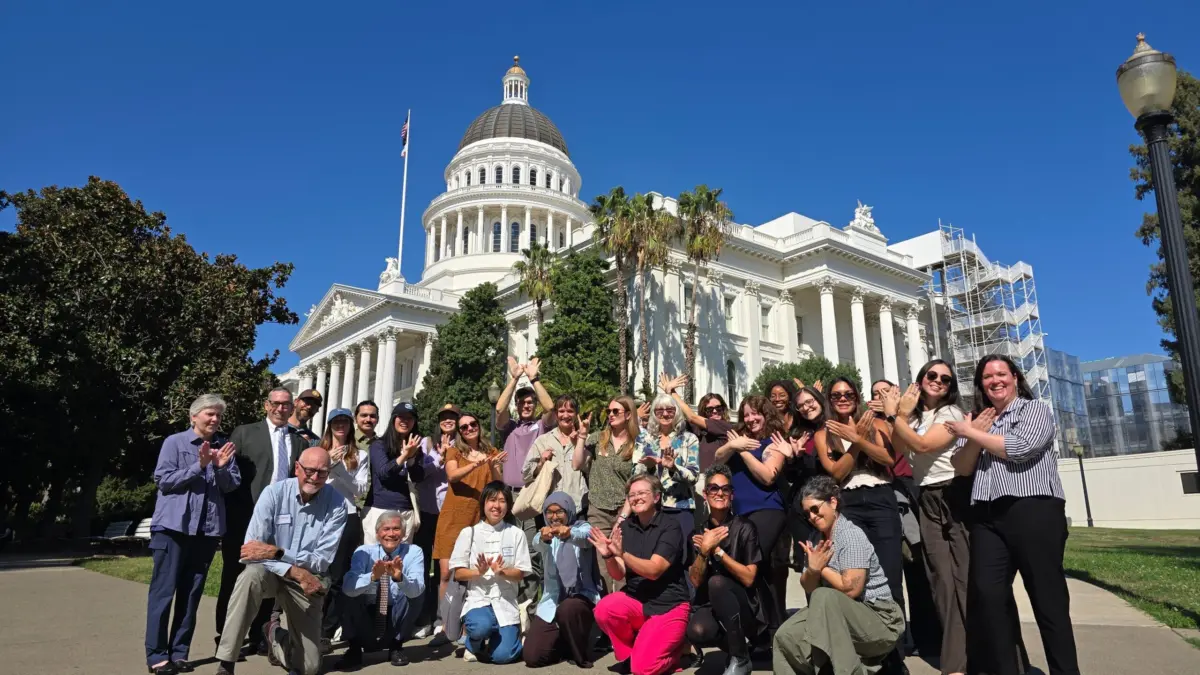
On August 11, under the bright, unrelenting sun of Sacramento, a diverse coalition of conservationists, community leaders, students, and scientists converged on the California State Capitol. Representing the flagship annual return of Audubon California’s Advocacy Day—the first such in-person gathering at the legislative halls in seven years—the event marked a pivotal moment for environmental stewardship in the Golden State.
From the ecologically fragile shores of the Salton Sea and the windswept Pacific coastline to arid desert expanses and densely populated urban centers, participants brought a unified message to state lawmakers: protecting native bird species is inextricably linked to safeguarding the health, resilience, and sustainability of human communities.
The delegation was remarkably multifaceted, comprising dedicated Audubon staff, grassroots chapter members, emerging environmental leaders from Audubon on Campus networks, and esteemed alumni from specialized initiatives such as the Coastal Leadership Program and the Salton Sea Leadership Program. Over the course of a high-energy day filled with legislative briefings, face-to-face meetings with State Senate and Assembly staffers, and collaborative strategizing, this broad coalition demonstrated the immense power of unified, community-driven advocacy.
This comprehensive report details the chronological unfolding of Audubon California’s triumphant return to the Capitol, examines the broader socioeconomic and ecological contexts driving their legislative agenda, highlights the crucial voices of first-time and veteran advocates alike, and outlines the strategic future outlook for conservation policy in California.
Detailed Chronology: A Day of Action at the State Capitol
Morning: Arrival, Briefings, and Mobilization
The day began well before the Capitol doors opened. At a nearby staging area, the diverse contingent of Audubon delegates gathered for final briefings. For many, the morning air buzzed with nervous anticipation. The group spanned generations and geographies, uniting urban youth from Los Angeles and San Francisco with rural advocates from the Imperial Valley and coastal ecologists from Humboldt County.
Audubon California organizers led final prep sessions, ensuring that every participant—regardless of their prior political experience—understood the core legislative priorities, the structure of the meetings, and the art of translating ecological data into compelling personal narratives.
Organizers emphasized a central thesis: while policy briefs and scientific metrics are vital, a lawmaker’s office is ultimately moved by human stories. Why does the Salton Sea matter to a local resident? How does urban sprawl in Southern California impact migratory bird corridors? By grounding complex environmental science in lived experience, the advocates prepared to humanize conservation policy.
Midday: Navigating the Halls of Power
By mid-morning, the delegation fanned out across the sprawling complex of the State Capitol. Divided into strategic teams, participants traversed the bustling corridors to hold back-to-back meetings with key legislative staff representing both the State Senate and the State Assembly.
For veteran advocates, the halls of the Capitol were familiar territory. Having spent years cultivating relationships with elected officials and tracking environmental legislation, these seasoned leaders navigated the rapid-fire schedule with practiced ease. They stepped up to anchor discussions, providing structural policy context and answering granular questions from legislative aides regarding water rights, habitat restoration funding, and climate resilience measures.
Conversely, for a significant portion of the delegation, this was unchartered territory. Students from the Audubon on Campus network and recent graduates of the leadership pipelines stepped inside a legislator’s office for the very time in their lives. The initial hesitation quickly gave way to passion as these first-time advocates shared their personal connections to the natural world.
An agricultural science student spoke passionately about declining raptor populations in the Central Valley; a coastal resident detailed firsthand observations of sea-level rise threatening shorebird nesting sites; an urban organizer from an environmental justice community highlighted the critical need for equitable access to green spaces and clean air.
Afternoon: Synergy, Mentorship, and Collective Impact
As the afternoon progressed, the artificial boundaries between seasoned lobbyists and first-time advocates dissolved entirely. In the hallways between meetings, participants debriefed, shared immediate feedback, and offered words of encouragement. Veteran environmentalists coached newcomers on how to field challenging questions from skeptical staffers; students shared fresh perspectives on digital organizing and community mobilization that invigorated the older generation of conservationists.
This organic mentorship underscored one of the most profound takeaways of the day: advocacy is not merely a transactional lobbying effort directed at policymakers, but an inherently communal practice that builds internal solidarity and resilience within the conservation movement itself.
By the late afternoon, the transformation in the delegation was palpable. Individuals who had arrived feeling intimidated by the machinery of state government left their final legislative meetings walking taller, fully realizing that their voices possessed direct weight in the policymaking process. They had witnessed firsthand how a well-told personal story can cut through political noise and leave an enduring impression on decision-makers.
Evening: Celebration and Connection
As the legislative offices closed their doors for the evening, the Audubon California delegation transitioned from the formal halls of power to a relaxed, celebratory happy hour reception.
The atmosphere was vibrant and joyous. Against a backdrop of shared exhaustion and shared triumph, participants unwound over refreshments, exchanged contact information, and reflected on the emotional highs of the day. Conversations lingered for hours, cementing new alliances and cross-regional partnerships that will undoubtedly fuel grassroots conservation work across California for years to come.
Supporting Context & Metrics: The Stakes for California’s Ecosystems
To fully comprehend the significance of Audubon California’s Advocacy Day, one must examine the precarious ecological landscape that necessitated this massive mobilization. California sits at the intersection of multiple critical flyways, most notably the Pacific Flyway, a vital aerial superhighway stretching from the Arctic tundra to South America. Millions of migratory birds rely on the state’s diverse ecosystems—its wetlands, agricultural fields, estuaries, and deserts—as indispensable stopover points to rest and refuel.
However, these ecosystems face unprecedented anthropogenic and climatic pressures.
The Salton Sea Crisis
At the southeastern corner of the state lies the Salton Sea, California’s largest inland body of water and a linchpin for migratory bird populations along the Pacific Flyway. Over recent decades, reduced water inflows, agricultural runoff, and accelerating evaporation driven by climate change have drastically shrunk the sea.
The receding shoreline has exposed vast expanses of toxic lakebed (playa), which, when whipped by desert winds, generates severe particulate matter pollution that threatens surrounding disadvantaged communities and degrades critical avian habitats. Audubon alumni from the Salton Sea Leadership Program brought these stark realities directly to legislative staffers, demanding accelerated state intervention, dust mitigation funding, and robust habitat restoration commitments.
Coastal Degradation and Urban Pressures
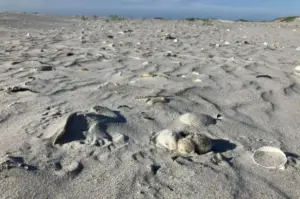
Along California’s 840-mile coastline, urban development, sea-level rise, and recreational pressures continually squeeze native shorebirds—such as the Western Snowy Plover and the California Least Tern—into increasingly restricted habitats. Meanwhile, in urban centers from Sacramento to San Diego, habitat fragmentation threatens resident bird populations, while communities grapple with the compounded burdens of the urban heat island effect and environmental injustice.
Audubon California’s multi-tiered program network—embracing campus chapters, coastal stewards, and urban conservationists—reflects a modern understanding of conservation: that bird protection cannot be siloed from human community welfare. Healthy habitats clean our water, sequester carbon, mitigate extreme weather events, and provide mental and physical health benefits to human populations. By advocating for integrated environmental policies, the delegation championed a holistic vision of public health and ecological integrity.
Official Statements and Leadership Perspectives
Reflecting on the overwhelming success of the August 11th mobilization, leaders within Audubon California emphasized the long-term strategic value of grassroots engagement.
"From the Salton Sea to California’s coast, from deserts to urban communities, protecting birds means protecting the habitats, ecosystems, and communities that sustain us all," noted campaign organizers in official post-event briefings. "Bringing these voices and perspectives together gives us the opportunity not only to advocate for these places, but to learn from the people working to protect them every single day."
The return to the Capitol after a seven-year hiatus was framed not just as a logistical milestone, but as a symbolic reclamation of public space by everyday citizens.
"After seven years, returning to the State Capitol for Advocacy Day felt especially meaningful," organizational leaders reflected. "The day reminded us that advocacy is not only about what happens in meetings with policymakers, but also about building relationships, learning from one another, finding confidence in our collective voice, and creating a community of people willing to speak up for the places we love."
Participants themselves echoed these sentiments, noting how the experience fundamentally shifted their perception of civic engagement. Several first-time attendees remarked that they had previously viewed the legislative process as opaque, inaccessible, and dominated exclusively by professional lobbyists. Direct participation in Advocacy Day shattered that illusion, proving that state governance relies fundamentally on the active input of constituents.
Future Outlook: Building a Sustained Movement
The conclusion of the August 11th Advocacy Day does not mark the end of Audubon California’s legislative push, but rather serves as a foundational launching pad for sustained, long-term advocacy.
1. Strengthening Legislative Follow-Up
In the weeks following the event, local chapters and individual participants have been tasked with maintaining the relationships forged during their Capitol meetings. By sending thank-you notes, providing supplemental scientific data requested by legislative aides, and tracking the progression of key environmental bills, the network is ensuring that the momentum generated on Advocacy Day translates into tangible legislative accountability.
2. Expanding Leadership Pipelines
Building on the success of the Coastal Leadership Program and the Salton Sea Leadership Program, Audubon California plans to scale its training initiatives. By equipping students, Indigenous leaders, and residents from frontline communities with the tools of civic engagement, the organization is democratizing conservation leadership. The next generation of environmental advocates is being actively cultivated across university campuses and community centers throughout the state.
3. Looking Ahead to Next Year
Buoyed by the immense energy, diverse representation, and emotional resonance of the August gathering, organizers are already casting their sights toward the future.
"We are grateful to everyone who showed up, shared their stories, and helped make our relaunch of Advocacy Day so special," organizers stated. "We can’t wait to see everyone, and hopefully even more of you, back in Sacramento next year!"
As California confronts deepening climate vulnerabilities—from catastrophic droughts and wildfires to collapsing coastal and inland water systems—the coalition forged in the halls of the State Capitol stands as a beacon of hope. By uniting the voices of scientists, students, urban organizers, and rural residents under the banner of bird and habitat conservation, Audubon California has reactivated a powerful instrument for democratic change, ensuring that the wild places and species of the Golden State will have staunch defenders for generations to come.