The global pet care market has undergone a dramatic paradigm shift over the past decade. Driven by the "humanization" of pets, consumers are increasingly seeking products that mirror the health, safety, and comfort standards of human-grade goods. Among these, the outdoor dog bed has transitioned from a luxury accessory to an essential health-supporting tool.
Whether dogs are lounging in a suburban backyard, resting on a concrete patio, or accompanying their owners on rugged backcountry camping trips, the surfaces on which they rest have profound implications for their physical health.
This investigative report analyzes the engineering, material science, and veterinary biomechanics behind the industry’s leading outdoor dog beds. By examining the physical demands placed on these products—ranging from UV degradation and moisture exposure to canine chewing and joint-load distribution—we provide a definitive, evidence-based evaluation of the top market offerings.
Detailed Chronology: The Evolution of Outdoor Pet Ergonomics
The pet furniture industry has evolved from basic indoor textiles to highly engineered outdoor sleep systems. Historically, outdoor pet bedding consisted of discarded household blankets or low-grade foam mats that quickly succumbed to mold, mildew, and physical wear.
The introduction of elevated cot-style beds in the late 20th century revolutionized this space by introducing physical separation between the dog and the ground. Today, the market is characterized by diverse architectural approaches, including high-tensile elevated cots, ballistic-grade destructive-resistant platforms, and ultra-portable technical travel mats.
Below is an analytical evaluation of the eleven leading products currently defining the outdoor pet bedding landscape.
Category A: Elevated Tension-Mesh Systems (The Cooling Pioneers)
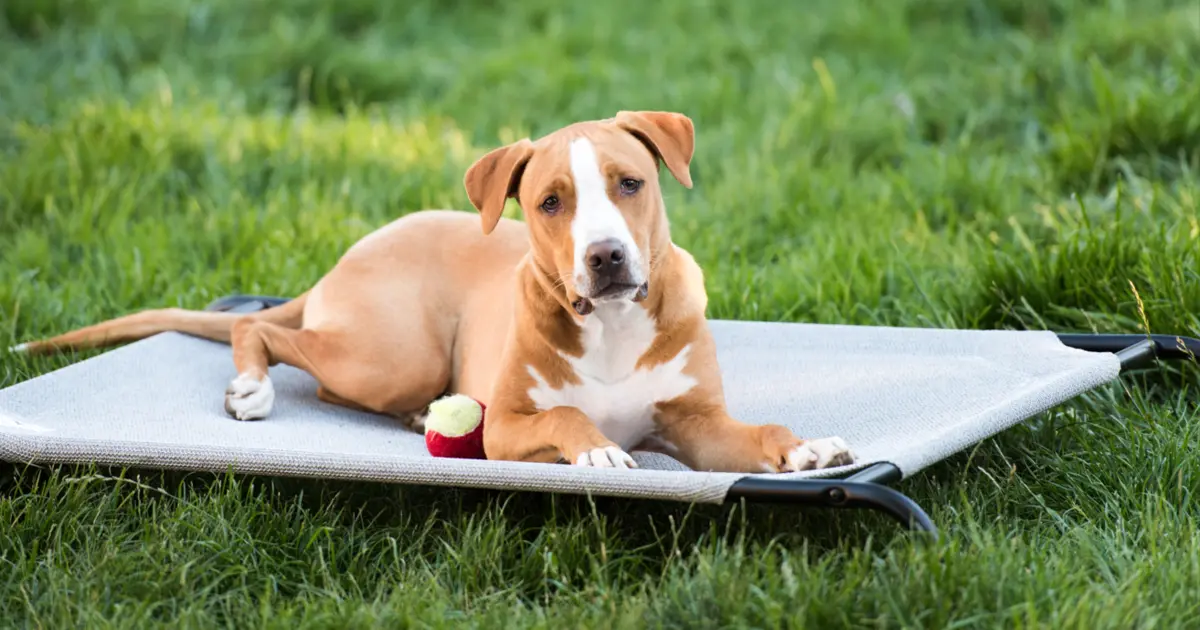
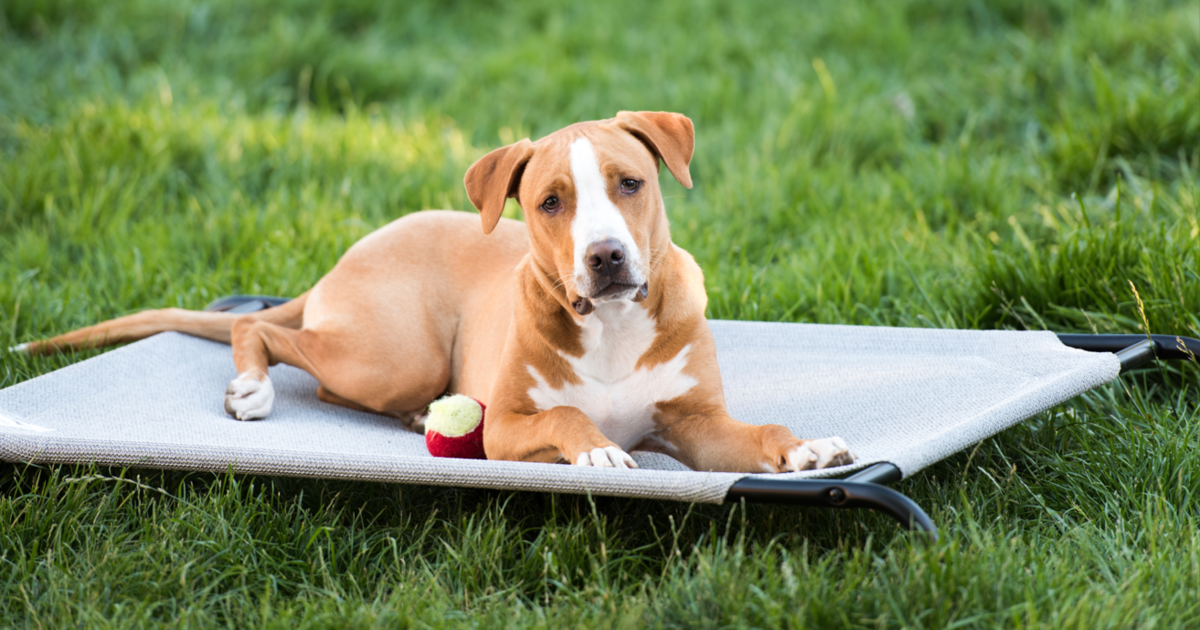
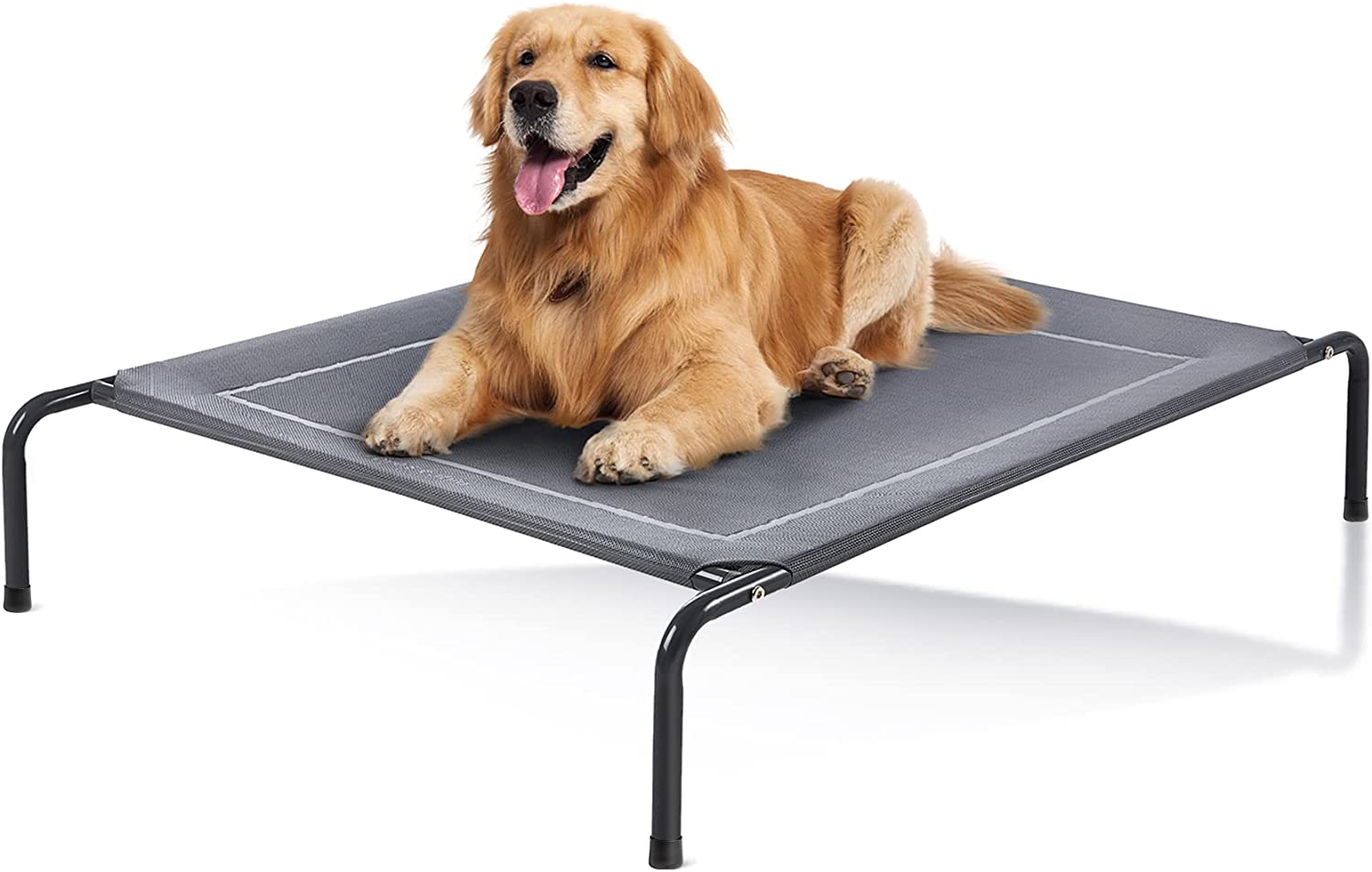
These beds rely on a raised metal or composite frame paired with a high-tensile, breathable fabric mesh to promote convective cooling and relieve joint pressure.
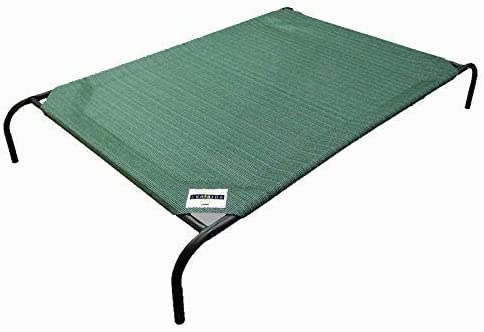
Engineering & Design: Utilizing a proprietary knitted High-Density Polyethylene (HDPE) fabric, the Coolaroo is designed to optimize airflow while resisting environmental degradation. The fabric is suspended over a powder-coated steel frame.
Performance Metrics: The HDPE mesh is highly breathable, allowing heat to dissipate rapidly from the dog’s core. It is inherently resistant to mold, mildew, and moisture retention.
Limitation: The open-knit fabric can trap dirt and debris over time, requiring high-pressure hosing to clean effectively.
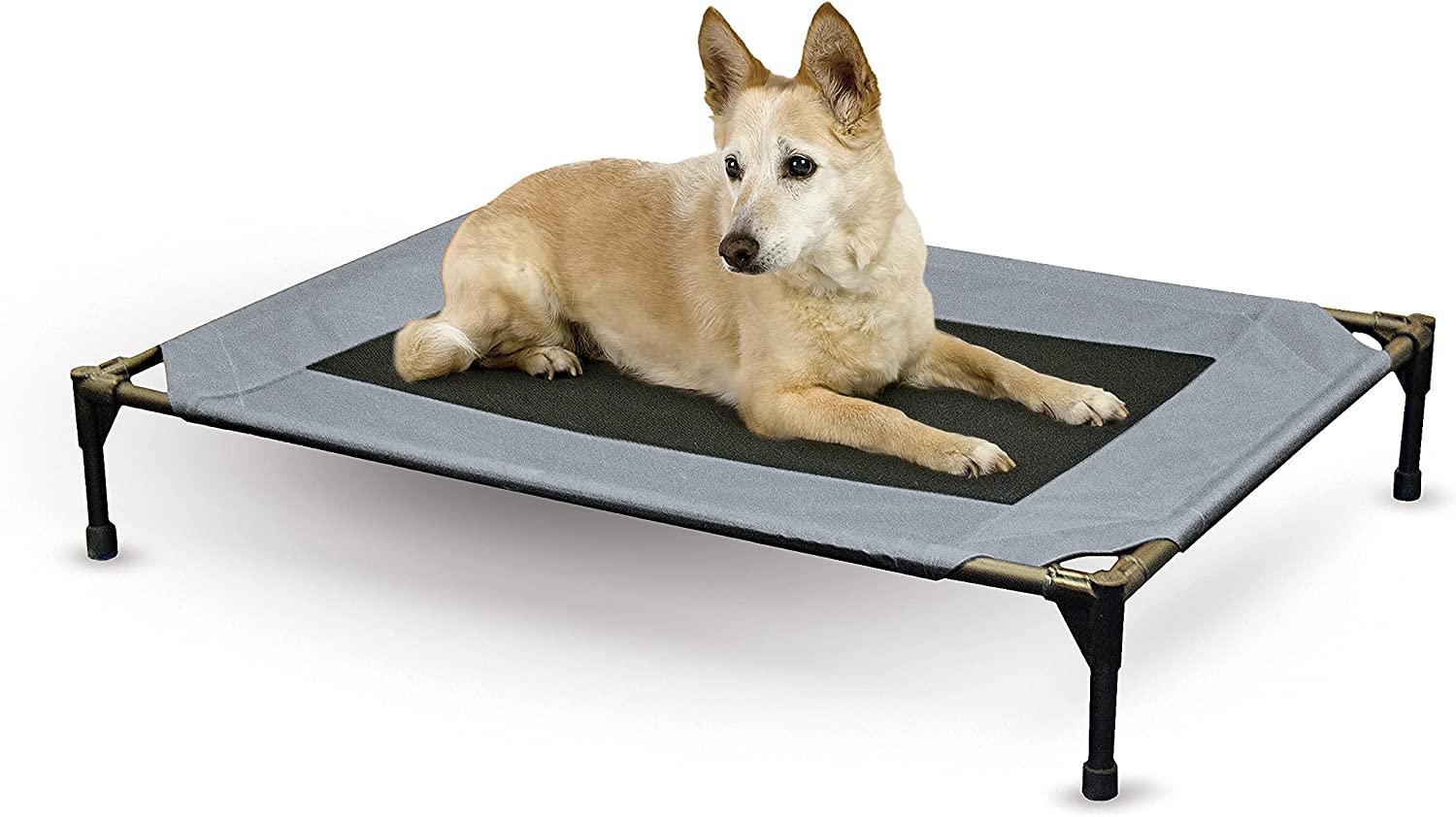
2. K&H Pet Products Cooling Elevated Dog Bed
Engineering & Design: This model features a heavy-denier polyester mesh center panel combined with a water-resistant outer border. It offers a tool-free assembly system and is compatible with proprietary shade canopies.
Performance Metrics: Capable of supporting up to 200 pounds, its structural stability is highly rated. The fabric is machine washable, addressing a common maintenance pain point.
Limitation: The vinyl-coated mesh, while strong, lacks the puncture resistance required for dogs with sharp, unclipped nails.
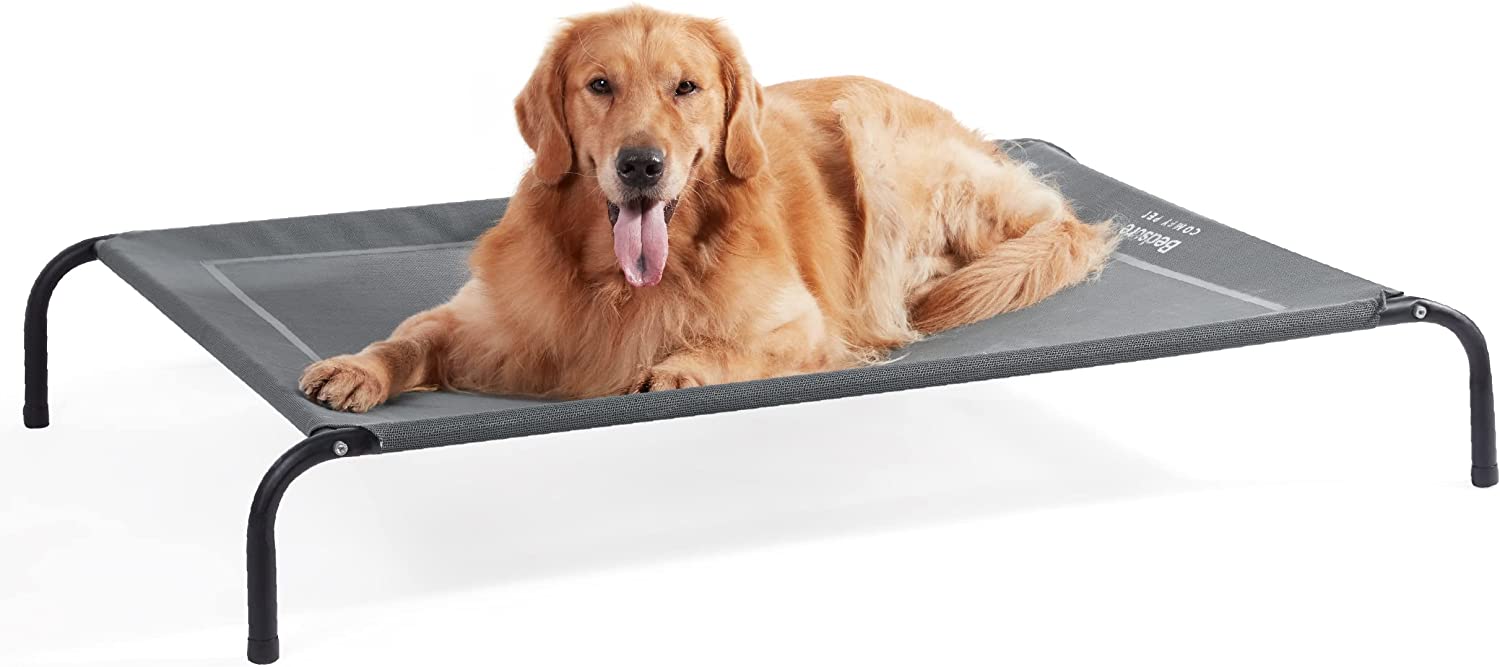
3. Bedsure Large Elevated Outdoor Dog Bed
Engineering & Design: Designed with a focus on structural load distribution, this bed pairs a heavy-duty Teslin mesh surface with a reinforced steel frame equipped with non-skid rubber feet.
Performance Metrics: Teslin mesh offers exceptional resistance to scratching and stretching under load. The bed’s low profile provides easy access for senior dogs.
Limitation: Frame assembly can be physically demanding due to tight manufacturing tolerances designed to keep the mesh taut.
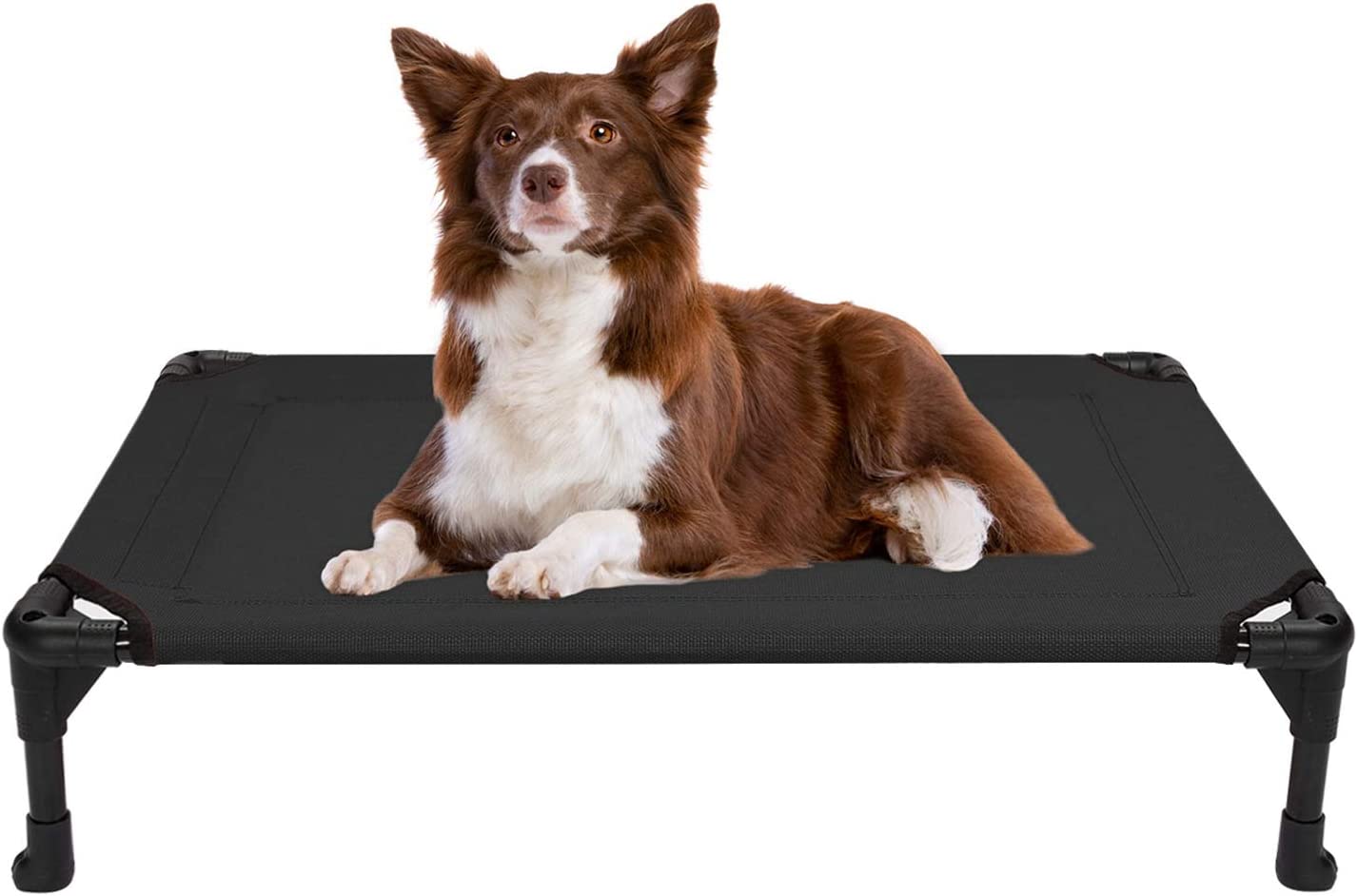
4. Veehoo Cooling Elevated Dog Bed
Engineering & Design: Features a textilene mesh fabric center with a powder-coated steel tube frame. The corners are reinforced with high-impact plastic joints.
Performance Metrics: It supports up to 150 pounds and is remarkably lightweight, making it highly portable.
Limitation: The plastic corner connectors, while durable, represent potential failure points if subjected to extreme lateral impact or freezing temperatures.
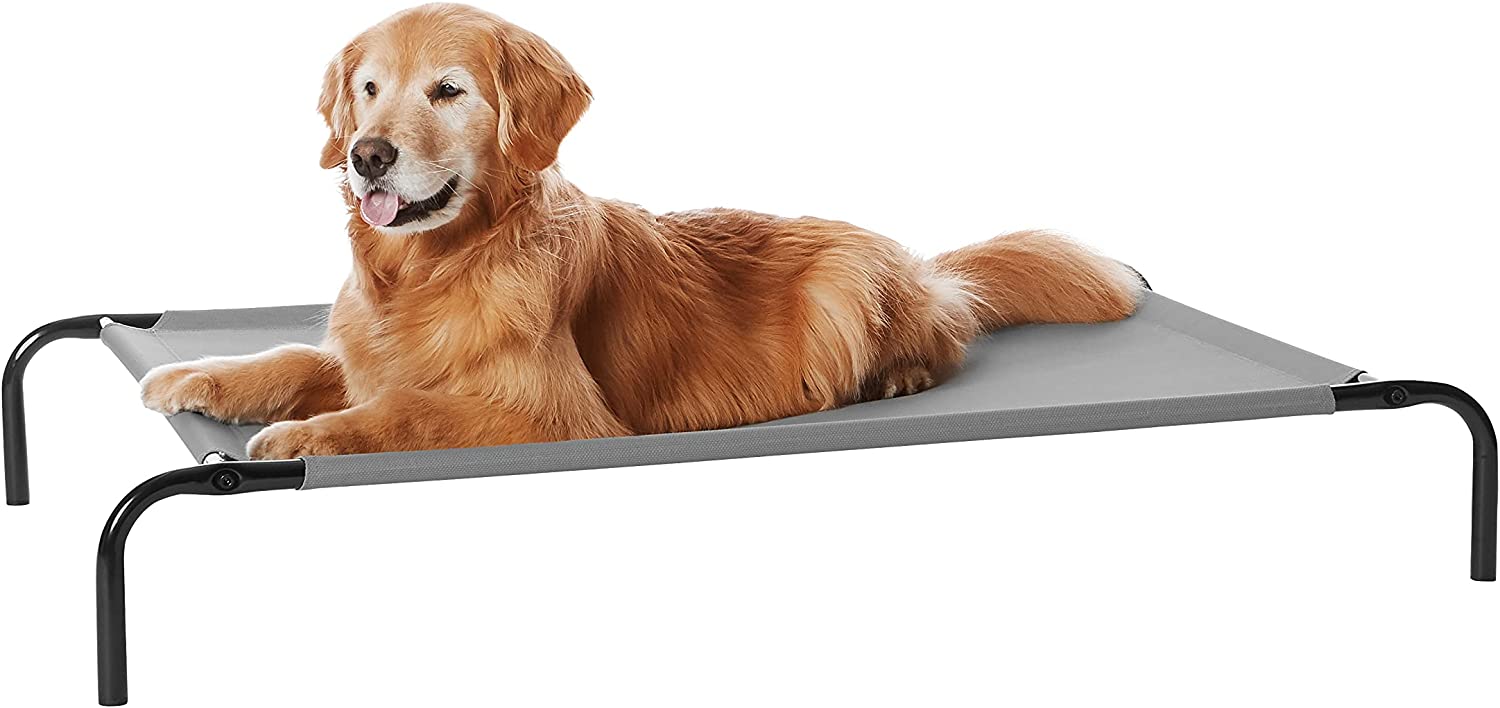
5. Amazon Basics Cooling Elevated Dog Bed
Engineering & Design: A value-engineered utility bed utilizing a standard iron frame and a breathable polyester mesh fabric.
Performance Metrics: It provides highly reliable cooling performance at a lower price point. The frame’s structural integrity matches many premium competitors.
Limitation: The fabric is more prone to sagging under sustained weight over multi-year periods compared to high-density polyethylene alternatives.
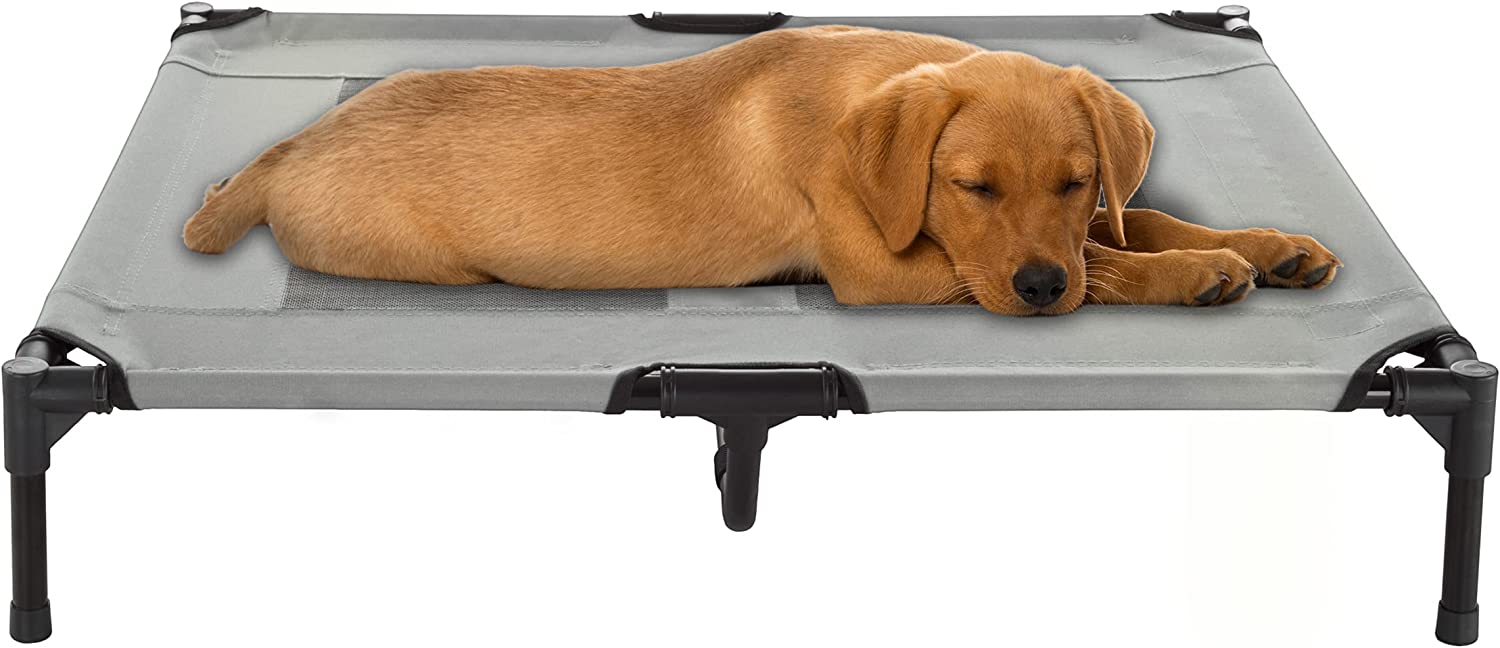
6. PETMAKER Elevated Dog Bed
Engineering & Design: Constructed with a focus on tool-free assembly, this bed uses a simple slide-and-lock frame mechanism paired with a standard breathable mesh cover.
Performance Metrics: Excellent portability and lightweight design make it ideal for recreational vehicle (RV) travel and temporary camp setups.
Limitation: The lighter gauge steel frame is susceptible to flexing under heavy, active dogs during mounting and dismounting.
7. Love’s Cabin Outdoor Elevated Dog Bed
Engineering & Design: This model emphasizes all-weather durability, featuring a standard elevated frame design wrapped in a high-density, weather-resistant fabric.
Performance Metrics: Offers excellent resistance to water absorption and sun bleaching.
Limitation: The mesh surface exhibits slightly less elasticity, resulting in a firmer sleeping surface that may not appeal to all dogs.
Category B: Specialized Hybrid & Destructive-Resistant Systems
These products address specific canine behaviors, such as chewing, nesting, and the preference for head support.
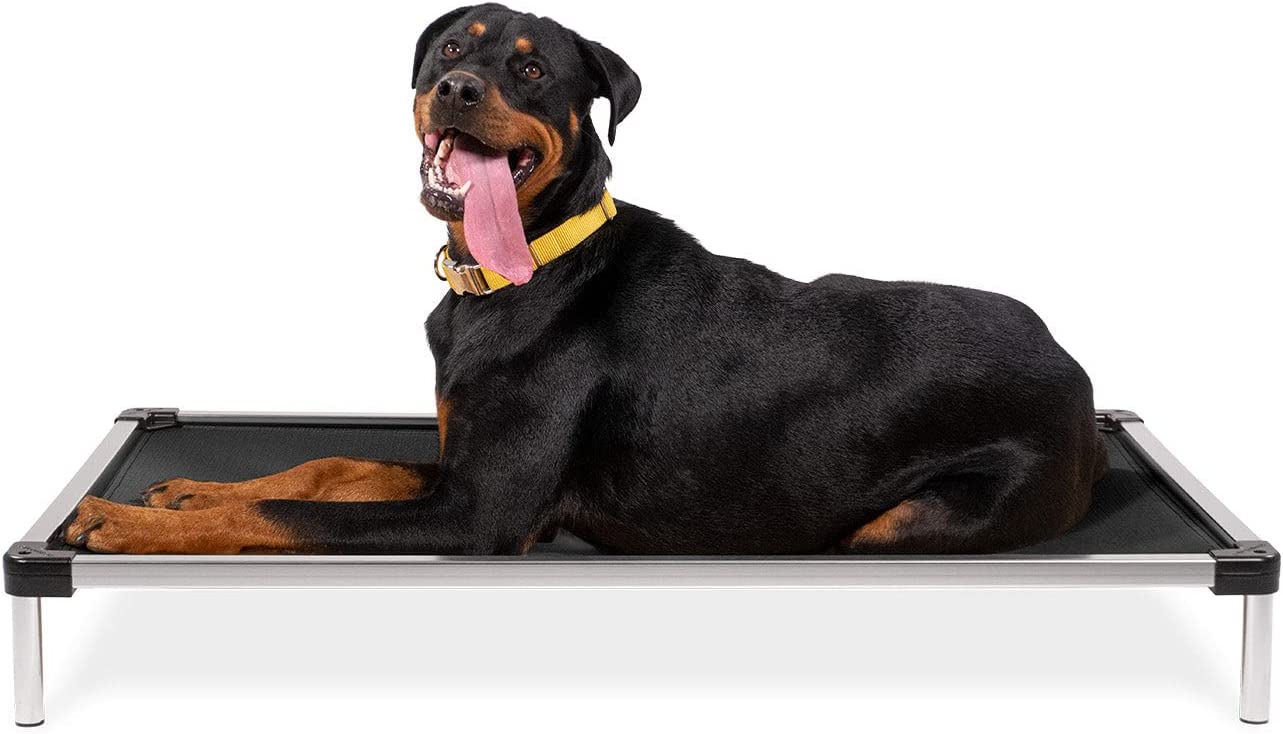
8. K9 Ballistics Chew Proof Elevated Dog Bed
Engineering & Design: Engineered to combat destructive canine behavior, this bed features an all-aluminum frame that completely encloses the edges of the ripstop ballistic nylon fabric, preventing dogs from finding a chewing purchase.
Performance Metrics: This is the gold standard for destructive chewers. Backed by a 120-day warranty, its structural metal frame and tightly woven synthetic fabric resist both clawing and chewing.
Limitation: The rigid aluminum and taut ballistic material offer very little "sink," which some dogs may find too firm without an added cushion.
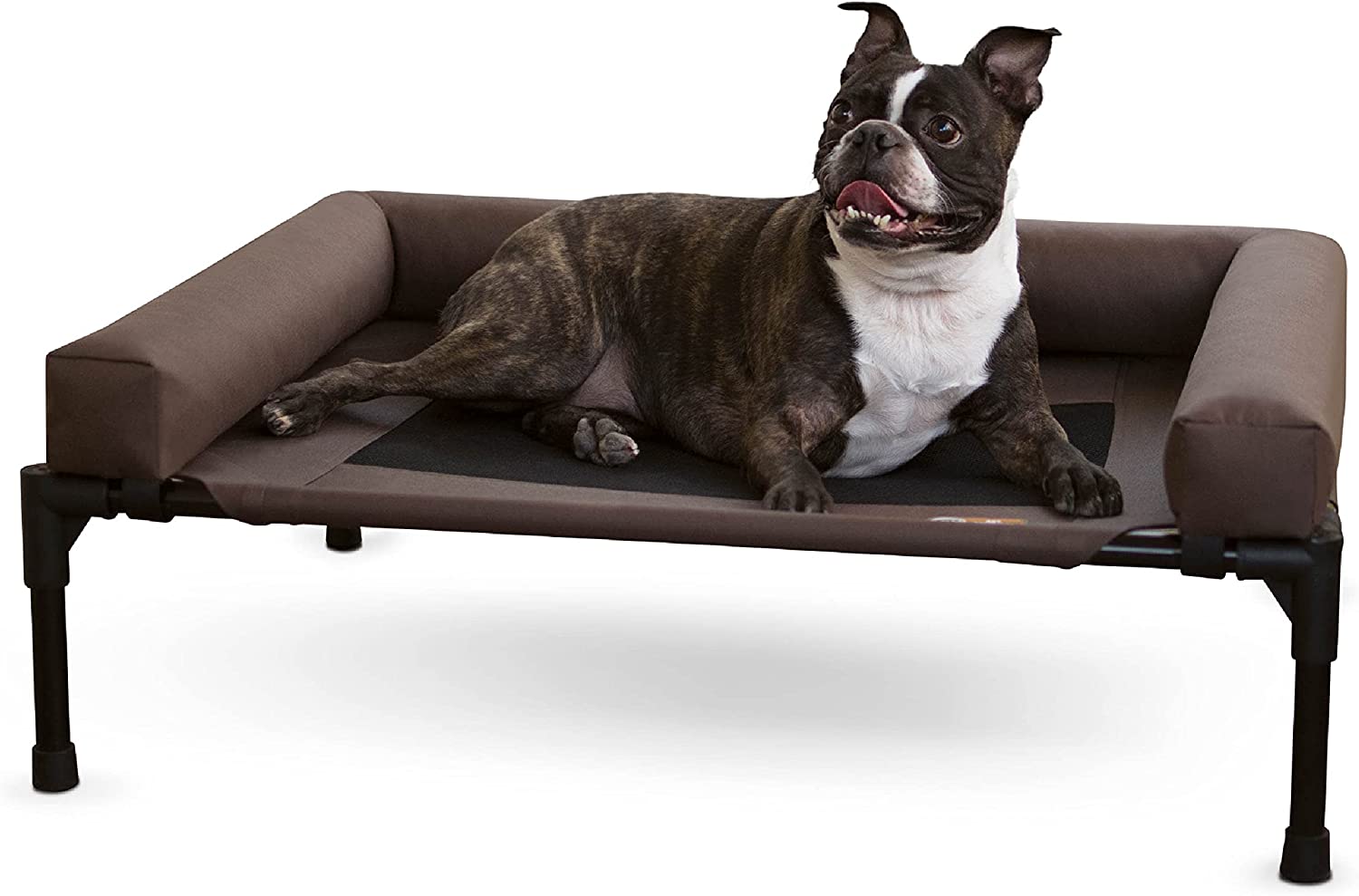
9. K&H Pet Products Bolster Dog Bed
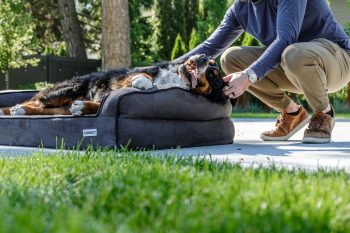
Engineering & Design: A unique hybrid that adds a plush, water-resistant bolster ring around three sides of an elevated mesh cot.
Performance Metrics: Addresses the psychological and physiological need for a headrest, which is highly beneficial for dogs suffering from cervical spine discomfort.
Limitation: The bolster elements are more difficult to clean and dry than the flat mesh platform, making it less suitable for wet or muddy outdoor environments.
Category C: Compression Mats & Portable Travel Systems
These non-elevated beds prioritize thermal insulation, water resistance, and compact storage for active travel.
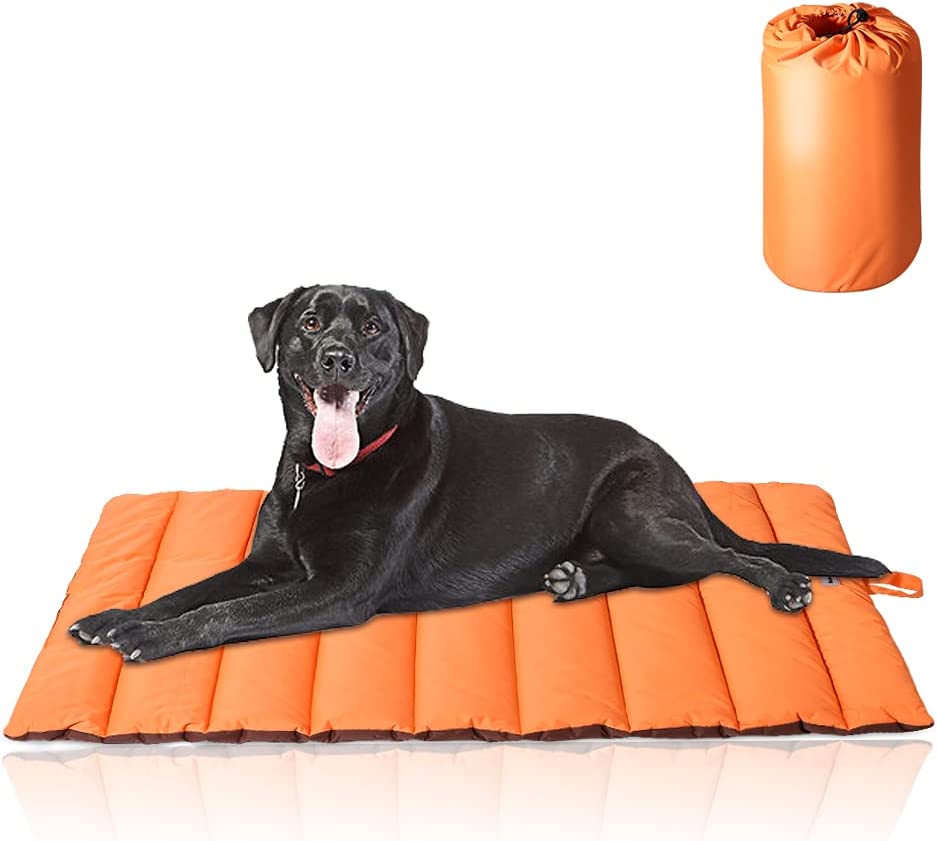
10. Cheerhunting Outdoor Dog Bed
Engineering & Design: A quilted, dual-sided mat filled with high-loft cotton and encased in heavy-duty, water-resistant Oxford cloth. It is designed to fold into a compact carry bag.
Performance Metrics: Excellent thermal insulation from cold ground surfaces. It is highly resistant to surface water, which can be easily wiped away.
Limitation: Lacks the orthopedic support of elevated frames and is vulnerable to destructive chewing.
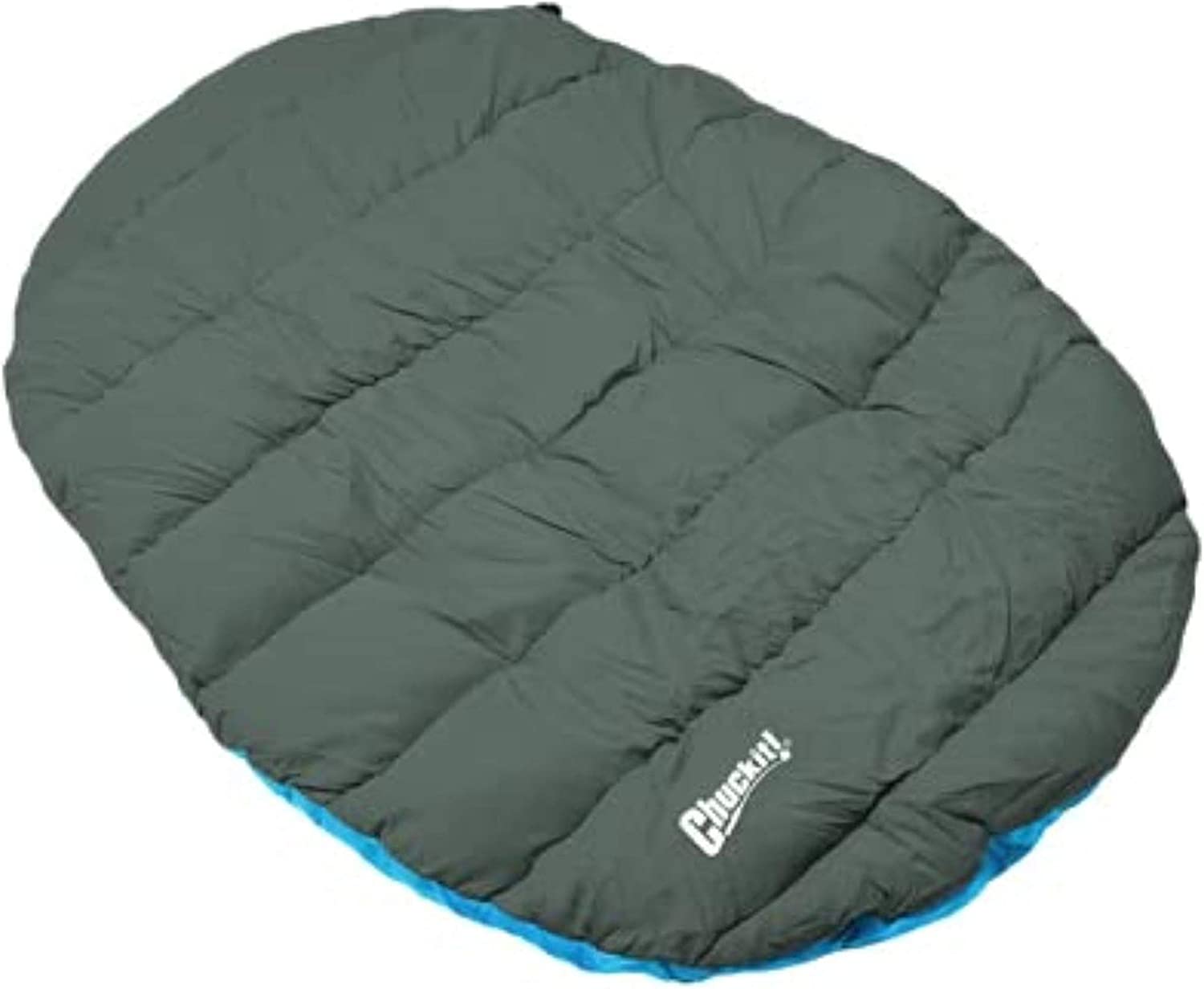
11. Chuckit! Water Resistant Travel Dog Bed
Engineering & Design: A highly packable, poly-shearling sleeping-bag style mat with a durable, water-resistant nylon backing. It includes a integrated loop for hanging to dry.
Performance Metrics: Extremely lightweight and machine washable. It provides a familiar, scent-retentive resting spot during transit or camping.
Limitation: Provides minimal cushioning on rocky or uneven terrain.
Supporting Context & Metrics: The Science of Canine Biomechanics and Materials Engineering
To understand why specific outdoor beds perform better than others, we must analyze the physical interaction between the canine body and the materials used in construction.
1. Joint Health and Orthopedic Support
When a dog lies on a hard surface, such as concrete, dirt, or decking, their body weight is concentrated on bony prominences: the elbow (olecranon), the hip (greater trochanter), and the hock (calcaneus).
Canine Pressure Points on Hard Ground:
[Shoulder/Elbow] ------> High Pressure (Risk of Hygromas)
[Hip/Pelvis] ----------> High Pressure (Exacerbates Arthritis)
[Hock/Ankle] ----------> Friction Points (Calluses & Pressure Sores)
Sustained pressure on these areas cuts off local capillary blood flow, leading to tissue ischemia, calluses, pressure sores, and hygromas (fluid-filled swellings).
Elevated dog beds utilize tensile suspension to distribute weight evenly across the entire surface area of the body, eliminating these high-pressure points. This is particularly critical for senior dogs suffering from osteoarthritis, as it minimizes the joint stiffness caused by cold, hard surfaces.
2. Thermoregulation and Thermal Conductance
Dogs regulate their body temperature primarily through panting and heat exchange through their paws and abdomen. On hot summer days, ground surfaces absorb and store solar radiation (thermal mass).
Concrete can easily reach temperatures exceeding 140°F (60°C), presenting a severe risk of heatstroke. Conversely, frozen or damp winter ground conducts heat away from the dog’s body, causing hypothermia and joint stiffness.
$$textHeat Transfer Rate propto fractextThermal Conductivity times textArea times Delta TtextThickness$$
Elevated beds mitigate this through convective cooling. By raising the dog 5 to 9 inches off the ground, they break the path of direct thermal conduction. Air flows freely beneath the bed, facilitating heat dissipation from the dog’s sparsely haired abdominal region.
Material / Bed Type
Primary Heat Transfer Mode
Thermal Regulation Efficiency
Best Environmental Use
HDPE Mesh (Elevated)
Convection (Airflow)
Extremely High (Cooling)
Hot, humid summer climates
Ballistic Nylon (Elevated)
Convection / Low Conduction
Moderate
High-wear, multi-season
Oxford Cloth Mat (Ground)
Conduction (Insulation)
High (Heat Retention)
Cold weather camping
Concrete/Patio (No Bed)
Direct Conduction
Poor (Dangerous Heat/Cold)
Avoid during weather extremes
3. Material Durability and Environmental Resistance
Outdoor pet products must withstand a harsh combination of environmental stressors:
UV Degradation: Ultraviolet radiation breaks down polymer chains in plastics and synthetic fibers, leading to fading, brittleness, and tearing. Fabrics treated with UV inhibitors (such as HDPE) maintain their tensile strength far longer under direct sunlight.
Hydrophobic Properties: Materials like Teslin and Oxford cloth with polyurethane coatings prevent water from penetrating the fibers. This prevents the growth of mold and anaerobic bacteria, which are the primary sources of "wet dog" odors.
Denier and Tensile Strength: "Denier" measures the linear mass density of fibers. High-denier fabrics (e.g., 1200D ballistic nylon) feature a tight weave that resists the abrasive forces of canine nesting behaviors, such as scratching and digging.
Official Statements: Industry and Veterinary Perspectives
The Veterinary Perspective
Dr. Arleigh Reynolds, a board-certified veterinary nutritionist and canine sports medicine specialist, emphasizes the physiological importance of proper recovery surfaces:
"Recovery is a vital component of canine athletic performance and long-term joint health. An outdoor bed that fails to provide orthopedically sound support or thermal regulation forces the canine body to expend energy on thermoregulation and coping with joint pain, rather than resting. Elevated beds with high-tensile mesh are highly recommended to prevent pressure-point calluses and reduce systemic inflammation in arthritic joints."
The Materials Engineering Perspective
A senior product developer specializing in high-performance outdoor textiles explains the challenge of balancing durability with pet safety:
"When designing outdoor fabrics for pets, we must avoid chemical treatments that could be harmful if ingested. This means we cannot rely on cheap chemical coatings for water and pest resistance. Instead, we use mechanical yarn structures—like high-density polyethylene weaves—that are naturally hydrophobic, resistant to mold, and too dense for claws to puncture. It is a balance of physics and biology."
Future Outlook: The Next Generation of Outdoor Pet Gear
The outdoor pet bed industry is moving toward a future defined by sustainable manufacturing, advanced materials, and smart technology integrations.
With consumer demand for eco-friendly products at an all-time high, manufacturers are exploring recycled materials. The next generation of outdoor dog beds will likely feature mesh and fabrics woven entirely from recycled ocean plastics and bio-based polymers, reducing the pet industry’s carbon footprint without sacrificing UV and tear resistance.
2. Active Temperature Regulation
While passive convective cooling is effective, future designs are integrating active cooling and heating technologies. Solar-powered, low-voltage fan attachments that mount directly to elevated beds are currently in development, designed to force air upward through the mesh to provide active cooling in extreme climates.
3. Smart Biometric Monitoring
As wearable pet technology expands, pet beds are becoming data collection hubs. Future high-end outdoor beds may feature integrated, weather-resistant pressure sensors and thermal cameras to track a dog’s weight, rest cycles, and localized joint inflammation. This data can be transmitted directly to veterinarians to help manage chronic conditions like hip dysplasia and arthritis.
By combining veterinary science with advanced material engineering, the humble outdoor dog bed has become a highly sophisticated piece of health equipment, ensuring our dogs can safely and comfortably enjoy the outdoors alongside us.