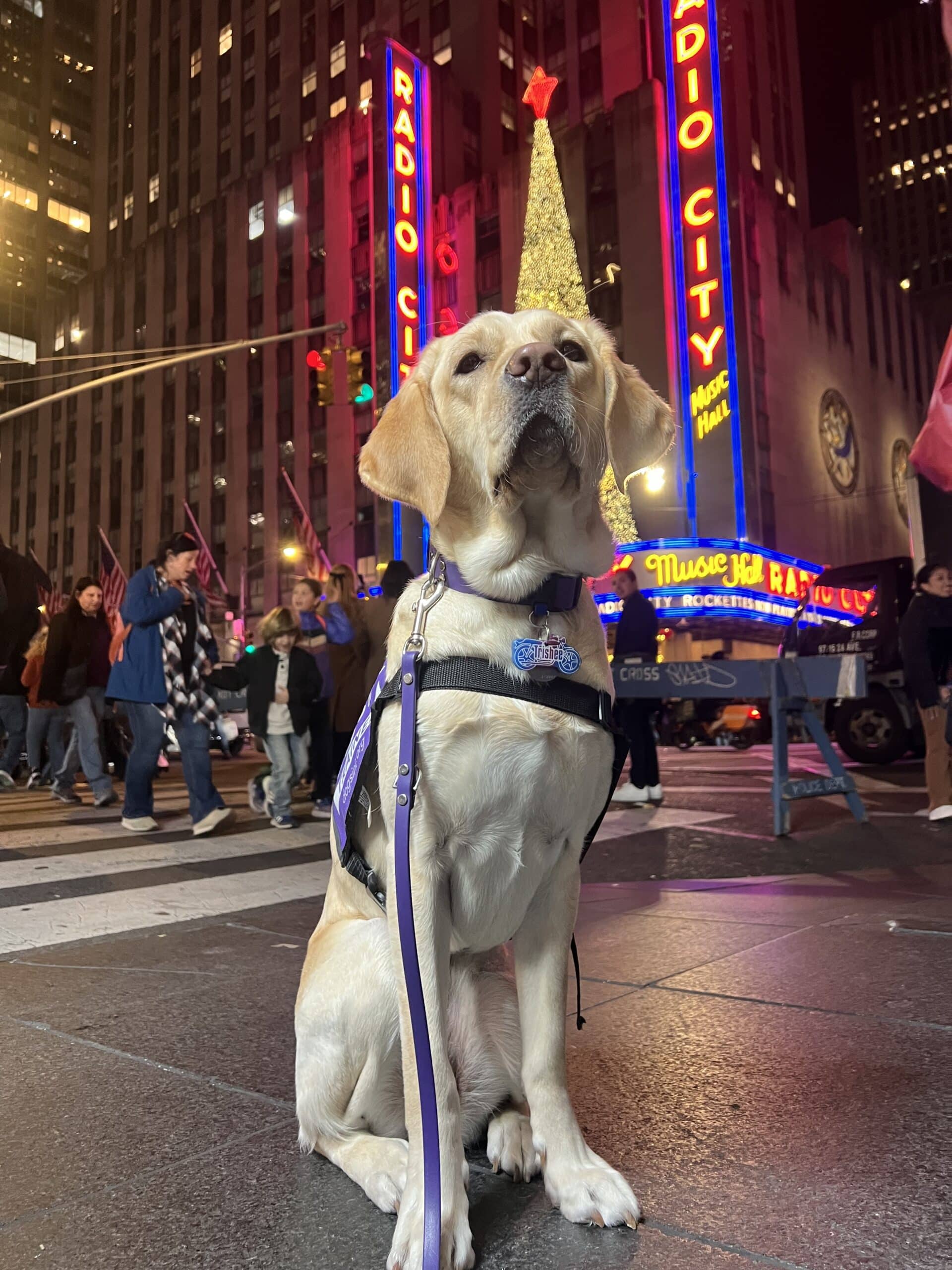
When the public observes a service dog expertly navigating a chaotic airport terminal, shielding its handler through a sudden anxiety spike, or guiding a visually impaired individual across a bustling intersection, they are witnessing the culmination of years of meticulous development. What remains invisible to the casual observer, however, is the high-stakes, multi-stage developmental pipeline that occurs long before a dog ever dons a working harness.
The journey of an elite service dog is not born overnight, nor is it forged through sheer obedience training alone. At organizations such as Dogs Inc, the process is an intricate blend of behavioral science, longitudinal evaluation, and specialized care. Contrary to popular belief, the selection process is not about identifying the “best” dog in an absolute sense. Rather, it is a nuanced mission of alignment—matching an individual animal’s innate temperament, emotional stability, and psychological resilience to the rigorous demands of public access work.
Not every dog is naturally wired for this demanding lifestyle. While countless canines possess high intelligence, boundless affection, and an eagerness to please, true service candidates require a rare genetic and psychological blueprint. They must possess unshakeable confidence, deep emotional regulation, and the capacity to process unpredictable environments without becoming overwhelmed. This comprehensive investigative report explores the complex architecture of service dog selection, examining why emotional stability is paramount, how puppy raisers and evaluators decode subtle behavioral cues, and why honoring a dog’s personal boundaries is essential for the integrity of the entire working partnership.
Detailed Chronology: From Neonatal Development to Public Access Readiness
The developmental timeline of a service dog is a carefully calibrated progression that spans roughly 18 to 24 months. Understanding this trajectory reveals why premature conclusions can be disastrous, and why professional organizations rely on structured, age-specific milestones.
Phase 1: Neonatal and Early Puppyhood (Weeks 0–8)
The foundation of a service dog begins before formal training even starts. During the neonatal and early socialization windows, professional breeders and organizations focus on gentle neurological stimulation, early habituation to human touch, and initial exposure to novel textures and sounds. While formal temperament testing cannot reliably predict adult behavior during these earliest weeks, observant handlers can track early reactivity patterns, social attraction, and recovery times from minor startle events.
Phase 2: The Puppy Raiser Era (Months 2–12)
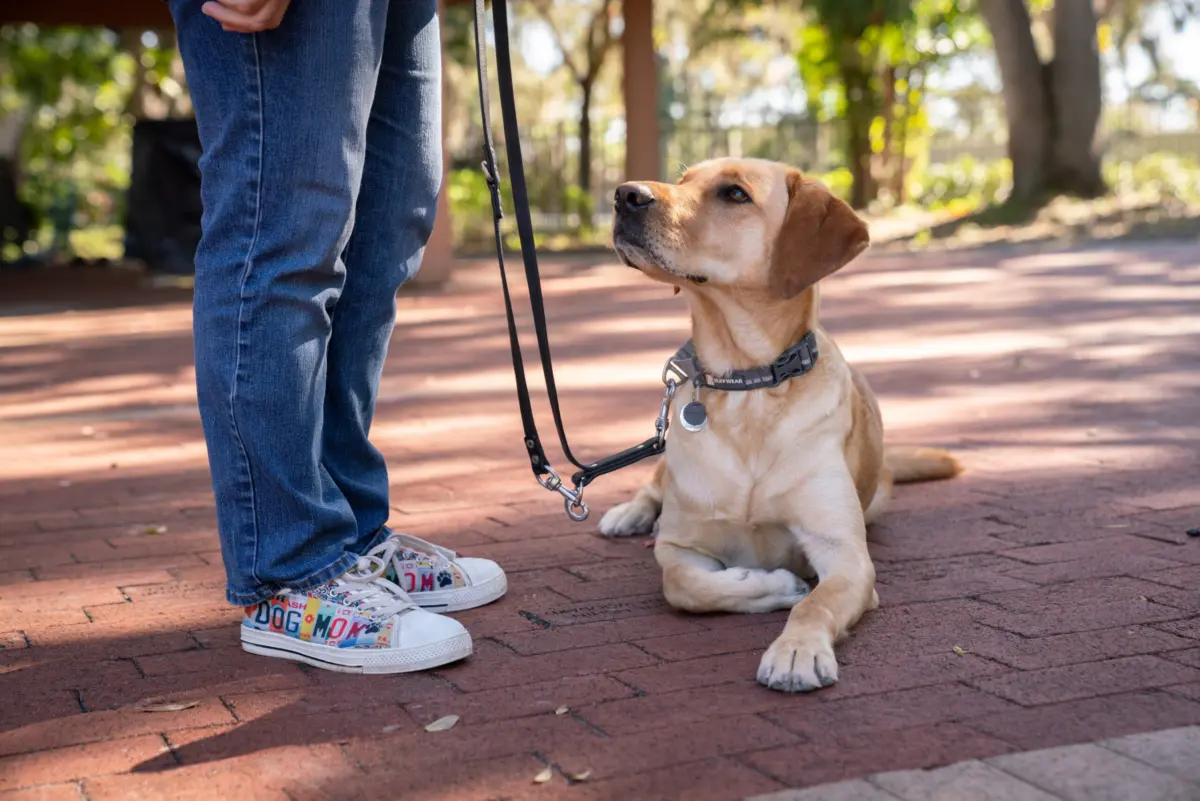
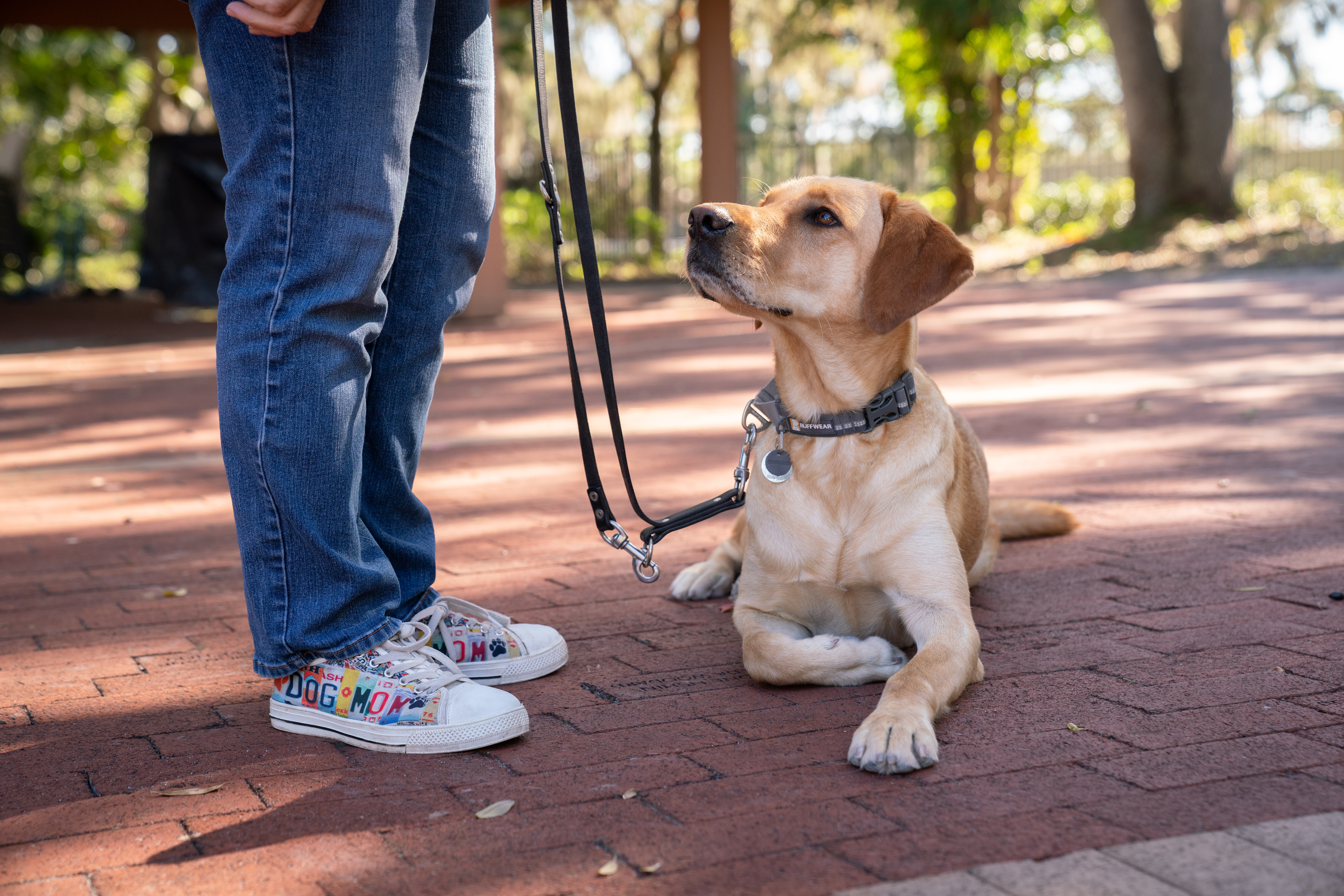
Around eight weeks of age, approved volunteer puppy raisers take prospective candidates into their homes and communities. This period is critical for generalized socialization. Puppies are routinely exposed to a kaleidoscopic array of environments: grocery stores, neighborhood parks, public transit, veterinary clinics, and community gatherings.
The Raiser’s Role: Puppy raisers do not act as professional trainers in the traditional sense; instead, they act as behavioral chroniclers. By embedding the puppy in daily human life, they observe how the young dog handles novelty, recovers from unexpected environmental stressors, and responds to human guidance.
Continuous Feedback: Raisers maintain ongoing dialogues with professional instructors, logging behavioral notes and highlighting both areas of strength and developmental hurdles.
Phase 3: Formal Evaluation and Assessment Milestones (Months 12–18)
As adolescence sets in, a dog’s internal chemistry shifts, presenting new behavioral challenges. This is where formal evaluation tools become indispensable. Programs often utilize standardized frameworks, such as the CARAT (Clothier Animal Response Assessment Tool), to systematically categorize behavioral traits, assess drive levels, and screen out unsuitable candidates.
The 18-Month Threshold: Canine behavior stabilizes significantly around the 18-month mark. Evaluations conducted at this juncture are far more predictive of adult working capability than tests administered during puppyhood. Instructors look for consistency across multiple days rather than relying on isolated snapshots of behavior, recognizing that just like humans, dogs experience good days and challenging days.
Phase 4: Advanced Training and Public Access Certification (Months 18–24+)
Once a candidate successfully clears developmental milestones and proves its emotional resilience, it transitions into advanced task-specific training. This phase bridges the gap between basic obedience and real-world utility. Depending on their designated career path—whether as a guide dog, hearing dog, mobility assistance dog, psychiatric service dog, autism service dog, diabetic alert dog, or allergy detection dog—candidates master complex physical maneuvers and cognitive responsibilities. The timeline culminates in public access testing, ensuring the team can operate safely and cohesively in any civil environment.
Supporting Context & Metrics: The Anatomy of Temperament and Trait Analysis
Evaluating a service dog candidate requires a forensic understanding of canine psychology. Instructors and behavioral scientists look beyond flashy obedience commands, focusing instead on micro-behaviors and core psychological traits that dictate long-term success.
Key Behavioral Traits in Service Candidates
Trait
Operational Definition
Why It Matters in the Field
Emotional Resilience
The ability to bounce back quickly from unexpected startle events, loud noises, or sudden disruptions.
Ensures a dog can process a dropped shopping basket or fire alarm without shutting down or reacting aggressively.
Low Prey Drive
A suppressed or easily managed instinct to chase moving objects, wildlife, or smaller animals.
Critical for focus; prevents the dog from breaking concentration when small animals or fast-moving items cross its path.
Willing Cooperativeness
An intrinsic motivation to collaborate closely with a human handler rather than acting independently.
Guarantees the dog remains attuned to handler cues during high-stress medical or navigational episodes.
Adaptability
The capacity to transition smoothly between high-stimulus public spaces and quiet resting environments.
Prevents operational burnout, allowing the dog to remain composed during long flights or extended medical appointments.
The Pitfalls of High-Drive Breeds
A common misconception among novice trainers is that high intelligence and high energy are universal assets. In reality, certain high-drive working breeds—such as Border Collies and Australian Shepherds—often possess intense herding instincts and elevated energy levels. While these dogs are remarkably intelligent and highly trainable, their internal drive can make it exceptionally difficult for them to settle and remain calm for hours on end in confined public spaces. Consequently, traditional service programs frequently favor breeds like Labrador Retrievers and Golden Retrievers, whose steady temperaments, low prey drives, and tolerant dispositions lend themselves naturally to public access work.
Official Statements and Industry Insights
Industry leaders emphasize that the evaluation process is fundamentally rooted in ethics—protecting both the public and the canine participants.
"The service dog selection process is not about forcing a square peg into a round hole. It is about honoring who the dog is at their core," notes a senior canine development instructor. "When we determine that a dog is better suited for a different career path or a loving pet home, we are not acknowledging a failure. We are practicing profound respect for the animal’s emotional well-being."
Behavioral specialists frequently highlight that the stakes of public access work are remarkably high. A service dog is legally granted public access rights under the law, which means they must be virtually foolproof in high-stress, unpredictable environments.
"A dog that appears superficially fearless but lacks genuine emotional self-regulation is a liability," explains an animal behavior researcher specializing in working lines. "When things do not go as expected—whether that is a sudden crowd surge or an aggressive stray animal—we need a partner that makes thoughtful, measured decisions. That level of maturity cannot be manufactured through basic obedience drills; it must be discovered through deep, foundational temperament evaluation."
Furthermore, organizations stress that transparency in the evaluation pipeline safeguards valuable operational resources. By catching mismatches early through tools like the CARAT system and continuous puppy-raiser observations, programs avoid investing thousands of dollars and hundreds of hours into training dogs that ultimately lack the psychological constitution for service work.
Future Outlook: The Evolution of Service Dog Selection and Training
As the field of assistance animal training continues to evolve, several emerging trends and technological advancements are reshaping how organizations identify and prepare future service dogs:
Data-Driven Behavioral Tracking: Modern breeding and training programs are increasingly leveraging digital tracking tools and standardized metrics to record puppy behavioral milestones in real-time, allowing for more predictive analysis of adult success rates.
Refined Understanding of Specialized Roles: As the scope of service work expands—encompassing specialized psychiatric support, autism intervention, and complex medical alert tasks—evaluation protocols are becoming increasingly granular. Future selection processes will likely feature specialized testing matrices tailored to the specific cognitive and emotional demands of distinct working fields.
A Growing Focus on Career-Change Ethics: The cultural narrative surrounding "career change" dogs (dogs released from service tracks) has shifted dramatically. Rather than viewing release as a negative outcome, organizations now celebrate these dogs as elite candidates for pet homes, therapy work, or alternative detection fields, ensuring every animal finds a fulfilling, happy life.
Strengthening the Human-Animal Bond: Future methodologies will continue to emphasize positive reinforcement, low-stress handling, and early educational support for puppy raisers. By empowering volunteers with professional insights, the pipeline between home socialization and formal instruction becomes seamless and profoundly humane.
Ultimately, the journey of an elite service dog is defined by the quiet moments: a thoughtful pause, a calm recovery, a steady gaze amid chaos. Through rigorous science, unwavering ethical standards, and a deep appreciation for canine individuality, organizations like Dogs Inc ensure that every partnership forged is built to withstand the tests of the real world—transforming potential into profound, life-changing independence.