
Executive Overview
Oma’s Pride, an Avon, Connecticut-based manufacturer of raw pet food, has initiated a voluntary recall of a single manufacturing lot of its frozen dog food product following the detection of Salmonella contamination. The affected product, distributed under the name Woof Complete Canine Chicken Recipe in 6 lb bags (Lot BB012729), poses a dual biological hazard to both canine consumers and human caretakers who handle the raw meat.
Salmonella is an enteropathogenic bacterium responsible for severe gastrointestinal and systemic illness. In pet food safety, contamination of raw diets presents a recognized zoonotic threat, as humans can contract salmonellosis through direct contact with infected pet food, contaminated food prep surfaces, or exposure to infected pets.
The recall encompasses distribution channels spanning 11 states—Arizona, California, Indiana, Kentucky, Louisiana, Maryland, New Jersey, Nevada, New York, Pennsylvania, and Virginia. The product was distributed through retail stores, wholesale partners, and directly to consumers via e-commerce orders shipped in frozen parcels.
Oma’s Pride is conducting this recall in coordination with the U.S. Food and Drug Administration (FDA). The company has clarified that no other products, batch codes, or bag sizes in its product catalog are impacted by this action. Consumers holding the designated lot are advised to immediately cease feeding the product to their pets and follow strict containment and disposal guidelines.
Detailed Chronology and Recall Scope
================================================================================
RECALL SPECIFICATIONS AT A GLANCE
================================================================================
Brand Name:            Oma's Pride
Product Name:          Woof Complete Canine Chicken Recipe
Packaging Format:      6 lb gusseted stand-up pouch
Internal Packaging:    12 individually-wrapped, 8 oz vacuum-sealed portions
Lot Number:            BB012729
Product State:         Frozen Raw Dog Food
Primary Hazard:        Salmonella contamination
Distribution States:   AZ, CA, IN, KY, LA, MD, NJ, NV, NY, PA, VA
Sales Channels:        Retail, Wholesale, Direct-to-Consumer (Online)
Regulatory Agency:     U.S. Food and Drug Administration (FDA)
================================================================================
Incident Timeline and Product Identification
The recall was triggered following routine microbiological testing that identified Salmonella within Lot BB012729. Upon confirmation of the laboratory findings, Oma’s Pride notified regulatory authorities and initiated voluntary recall procedures to isolate the distributed inventory.
The specific product involved in this safety action is the Oma’s Pride Woof Complete Canine Chicken Recipe, packaged in a 6 lb gusseted stand-up pouch. Inside each primary pouch are 12 individually wrapped, 8 oz vacuum-sealed portions.
Because the product is sold and stored frozen, it possesses an extended freezer shelf life. As a result, units from Lot BB012729 may remain in consumer freezers despite having been purchased weeks or months prior.
Geographical Distribution Footprint
The affected lot was distributed across a broad geographic network covering 11 states across the East Coast, Midwest, South, and West Coast:
- West Coast & Southwest: Arizona (AZ), California (CA), Nevada (NV)
- Midwest: Indiana (IN)
- South & Central: Kentucky (KY), Louisiana (LA)
- Mid-Atlantic & Northeast: Maryland (MD), New Jersey (NJ), New York (NY), Pennsylvania (PA), Virginia (VA)
Distribution occurred through two primary pipelines: physical distribution to brick-and-mortar pet specialty retailers and wholesale distributors, and nationwide fulfillment via direct-to-consumer (DTC) e-commerce orders shipped in insulated, temperature-controlled packaging.
Biological Context, Pathogenesis, and Health Risks
Human Pathogenesis and Zoonotic Risk Dynamics
Salmonella infection (salmonellosis) in humans handling contaminated raw pet food occurs primarily via the fecal-oral route or cross-contamination during handling. Cross-contamination occurs when raw meat juices come into contact with kitchen countertops, utensils, food preparation equipment, or unwashed hands.
       [ Contaminated Raw Pet Food ]
                    │
       ┌────────────┴────────────┐
       ▼                         ▼
 [ Canine Ingestion ]    [ Human Handling ]
       │                         │
       ├─ Direct Illness         ├─ Direct Ingestion (Fecal-Oral)
       └─ Asymptomatic Shedding   └─ Cross-Contamination (Surfaces)
             │                         │
             └──────► [ Human Exposure ] ◄┘
Healthy adults infected with Salmonella typically experience acute enteritis within 12 to 72 hours post-exposure. Standard clinical manifestations include:
- Nausea and acute emesis (vomiting)
- Abdominal cramps and localized pain
- Profuse diarrhea, which may progress to dysentery (bloody stools)
- Fever and systemic chills
In a subset of cases, particularly among immunocompromised individuals, elderly adults, infants, and pregnant women, Salmonella can breach the intestinal mucosal barrier and enter the bloodstream, causing bacteremia. Invasive salmonellosis can lead to severe systemic conditions, including:
- Arterial Infections: Mycotic aneurysms and vascular graft infections
- Endocarditis: Infection of the inner lining of the heart chambers and valves
- Reactive Arthritis: Long-term post-infectious joint inflammation and pain
- Myalgia: Persistent muscle pain and inflammation
- Ocular and Urinary Symptoms: Conjunctivitis, uveitis, and urinary tract distress
Veterinary Clinical Presentation and Asymptomatic Shedding
Canines exposed to Salmonella-contaminated raw diets exhibit a wide range of clinical outcomes depending on their age, immune status, and gut microbiome resilience. While dogs possess a short, highly acidic digestive tract adapted to processing raw meats, they remain susceptible to salmonellosis.
Clinical symptoms in affected dogs include:
- Lethargy, weakness, and generalized depression
- Acute diarrhea, often containing blood or mucus
- Pyrexia (fever) and persistent vomiting
- Anorexia (decreased appetite) accompanied by severe abdominal tenderness
A significant concern associated with raw food contamination is the asymptomatic carrier state. Healthy dogs infected with Salmonella may show no overt clinical signs of illness while actively shedding the pathogen in their feces and saliva. These asymptomatic carriers can continuously contaminate household environments, carpeted surfaces, and human living quarters, posing an ongoing infection risk to household members.
Supporting Context, Regulatory Framework, and Industry Metrics
FDA Enforcement and the Zero-Tolerance Standard
Under the Food Safety Modernization Act (FSMA) and the Federal Food, Drug, and Cosmetic Act (FD&C Act), the FDA enforces a zero-tolerance policy for Salmonella in pet food products that do not undergo a terminal pathogen-reduction step prior to retail packaging.
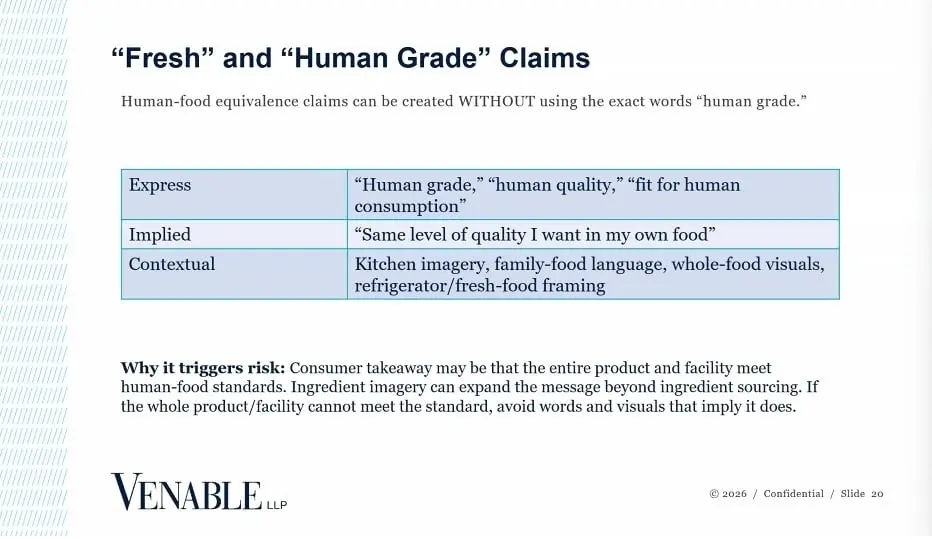
Unlike human-grade raw meats, which are intended to be cooked before consumption, raw pet foods are routinely handled by consumers in domestic kitchens without cooking. Because pets may lick human family members, the FDA’s Center for Veterinary Medicine (CVM) considers any presence of Salmonella in pet food to be an adulterant that presents a public health risk.
================================================================================
REGULATORY MATRIX: RAW MEAT SAFETY PARADIGMS
================================================================================
Parameter               Human Raw Meat (USDA)       Raw Pet Food (FDA CVM)
--------------------------------------------------------------------------------
Regulatory Agency       USDA-FSIS                   FDA Center for Vet Med
Pathogen Standard       Performance standards       Zero-Tolerance Policy
Presumed Preparation    Thorough Cooking Required   Handled Raw / Fed Raw
Primary Exposure Target Human Consumer              Pet & Human Handler
Zero-Tolerance Hazard   E. coli O157:H7, STEC       Salmonella spp., L. monocytogenes
================================================================================
Raw Pet Food Market Dynamics and Safety Challenges
The raw pet food segment—often referred to as Biologically Appropriate Raw Food (BARF) diets—has grown rapidly over the past decade, driven by pet owner demand for minimally processed diets. However, raw commercial pet food manufacturing presents operational safety challenges:
- Thermal Processing Absence: Raw formulations bypass conventional thermal killing steps, such as extrusion or retort canning, which eliminate vegetative pathogens.
- Ingredient Sourcing Vulnerabilities: Raw poultry is naturally susceptible to Salmonella colonizing bird gastrointestinal tracts during farming and slaughter.
- Cross-Contamination Risks: Raw ingredients require strict temperature controls, sanitation procedures, and pathogen mitigation strategies during grinding, blending, and packaging.
Official Statements and Corporate Quality Assurance Protocols
Oma’s Pride Corporate Response
Following the laboratory confirmation, Oma’s Pride released an official statement detailing its operational history, safety protocols, and commitment to consumer transparency:
"Oma’s Pride is a fourth-generation family-owned company with more than 75 years of food manufacturing experience. Our operations are conducted in accordance with applicable FDA and USDA requirements and are supported by a comprehensive food-safety program, including HACCP-based controls, sanitation procedures, traceability and lot-control systems, and ongoing quality and food-safety monitoring. We take this finding seriously, and that commitment to food safety is why we are voluntarily recalling this lot."
The company emphasized its commitment to root-cause investigation and ongoing safety monitoring:
"Oma’s Pride is conducting further investigation to better understand this finding. The health and safety of pets and the people who care for them is our highest priority. We are proud of the food we make, and we remain committed to producing high-quality, biologically appropriate pet food. We will continue to update our customers as more information becomes available."
Regulatory Coordination and Safety Audits
The voluntary recall is being executed in full alignment with FDA guidelines. Oma’s Pride confirmed that its manufacturing facilities operate under Hazard Analysis Critical Control Point (HACCP) plans, incorporating rigorous sanitation, environmental monitoring, and lot-tracing capabilities. The company’s investigation aims to determine whether the contamination originated from raw material suppliers, processing equipment contact surfaces, or environmental sources within the packaging facility.
Critical Consumer Guidance and Decontamination Protocols
Step-by-Step Action Plan for Pet Owners
Consumers who have purchased Oma’s Pride Woof Complete Canine Chicken Recipe are instructed to take immediate protective measures:
Step 1: Check Packaging Code ──────► Verify Lot Number BB012729 on 6 lb Bag
                                             │
Step 2: Cease Feeding Immediately ──► Isolate and Seal in Airtight Plastic Bag
                                             │
Step 3: Safe Disposal / Return ────► Safely Trash or Contact Company for Credit
                                             │
Step 4: Execute Sanitization ──────► Disinfect Freezers, Bowls, and Surfaces- Inspect Inventory: Examine any 6 lb pouches of Woof Complete Canine Chicken Recipe for Lot Code BB012729.
- Discontinue Use: Immediately stop feeding the product to pets. Do not allow other animals access to the recalled lot.
- Secure Disposal: Double-bag the product in sealed plastic bags and discard it in a secure outdoor trash receptacle to prevent wildlife or stray animals from consuming it. Alternatively, hold the packaging for refund verification as directed by the retailer.
- Do Not Touch Directly: Wear disposable gloves when handling recalled products, or wash hands thoroughly with soap and warm water immediately after contact.
Decontamination and Environmental Sanitation Protocols
Because Salmonella can persist on hard surfaces, food prep areas, and pet serving utensils, consumers should execute thorough sanitation protocols:
- Pet Food Bowls and Storage: Wash all bowls, measuring utensils, and storage containers that came into contact with the product in hot, soapy water, followed by a chemical sanitizing agent (such as a diluted bleach solution or EPA-registered disinfectant).
- Refrigeration and Freezers: Clean and sanitize any freezer shelves, drawers, or refrigerator surfaces where the product was stored.
- Surface Disinfection: Wipe down all kitchen countertops, sinks, cutting boards, and cabinet handles using a food-safe disinfectant.
- Hand Hygiene: Wash hands with soap and running water for at least 20 seconds after handling pet food, feeding pets, or cleaning pet dishes.
Medical and Veterinary Escalation Pathways
- For Humans: Anyone exhibiting symptoms of salmonellosis (severe abdominal pain, persistent vomiting, bloody diarrhea, or high fever) after handling the recalled product should contact a physician immediately and inform them of potential Salmonella exposure.
- For Pets: If a dog has consumed Lot BB012729 and shows lethargy, vomiting, fever, or diarrhea, contact a licensed veterinarian immediately.
Company Contact Information
For inquiries regarding refunds, lot identification, or general safety questions, consumers can reach Oma’s Pride customer service through the following channels:
- Toll-Free Phone: 1-800-678-OMAS (1-800-678-6627)
- Operating Hours: Monday through Friday, 8:00 AM to 5:00 PM EST
- Customer Support Email: [email protected]
- Regulatory Documentation: FDA Voluntary Recall Announcement
Future Outlook and Industry Implications
Regulatory Scrutiny and Quality Control Trends
The voluntary recall by Oma’s Pride underscores the regulatory environment surrounding raw pet food production in North America. As public demand for biologically appropriate raw diets grows, regulatory agencies are increasing market surveillance and environmental testing protocols.
To mitigate pathogen risks inherent in raw agricultural inputs, commercial raw pet food producers are adopting advanced pathogen-reduction technologies, including:
- High-Pressure Processing (HPP): Utilizing non-thermal cold-pressure technology to eliminate vegetative pathogens while preserving raw nutrients.
- Bacteriophage Treatments: Applying targeted phages to eliminate specific Salmonella strains during raw material processing.
- Hold-and-Test Protocols: Retaining finished product lots in cold storage until third-party microbiological testing confirms the absence of Salmonella and Listeria monocytogenes.
Long-Term Impact on Raw Feeding Practices
As Oma’s Pride completes its internal investigation, the industry is expected to continue enhancing raw material supplier verification, cold-chain maintenance, and consumer education regarding safe raw food handling.
For consumers, this recall serves as a clear reminder that raw pet food diets require the same food safety discipline, hygeine, and storage hygiene as raw poultry prepared for human consumption. Continued transparency from manufacturers and coordinated oversight by the FDA remain essential to maintaining consumer confidence and protecting public and animal health.