
Executive Overview
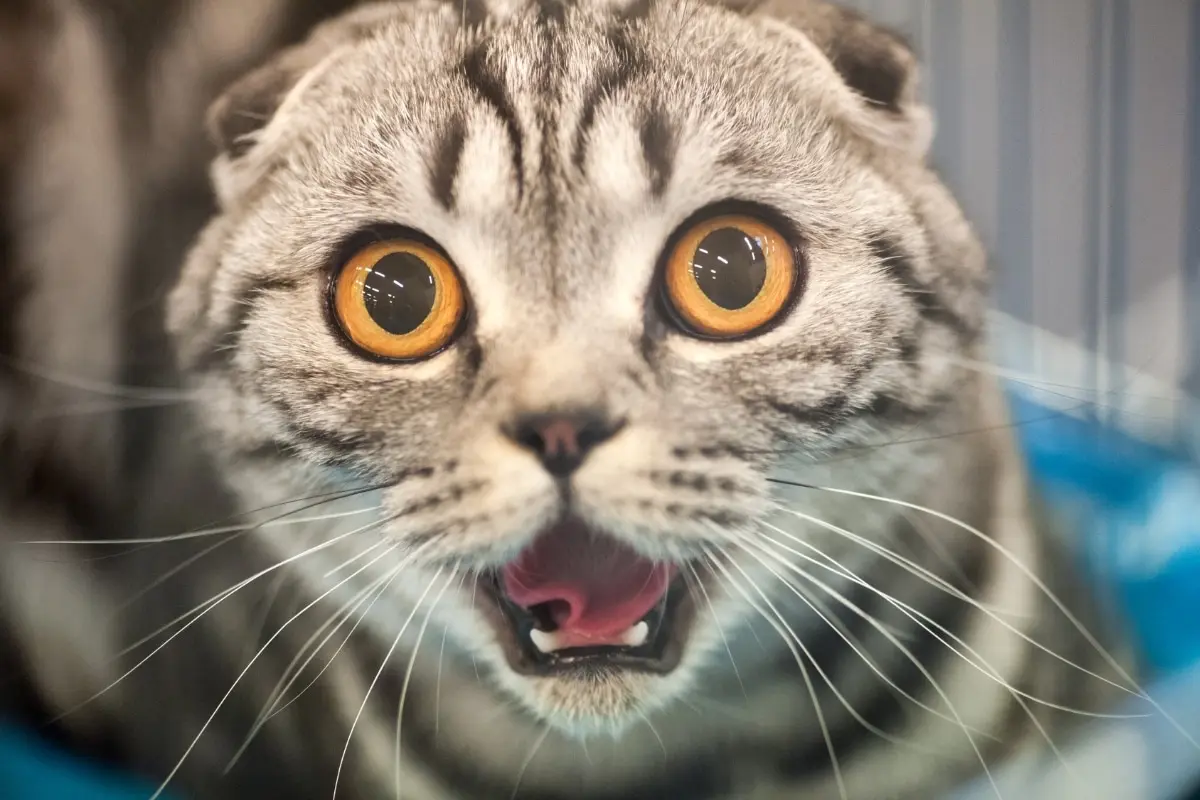
To millions of scrollers across TikTok, Instagram, YouTube, and Facebook, a video of a cat hissing, frantically swatting, or desperately wriggling out of a human grasp is a staple of digital comedy. Framed through upbeat background tracks, playful captions, and the amused laughter of onlookers, these moments are routinely categorized as harmless, endearing, or quirky play. Yet, according to a groundbreaking study published in the journal Anthrozoös, what looks like harmless digital entertainment from behind a screen often masks a starkly different reality from the animal’s perspective.
Conducted by a team of researchers from Adelaide University in Australia led by veterinary scientist Julia Henning, the study investigated how online audiences interpret feline body language in viral pet videos. The findings are both startling and deeply concerning: social media viewers frequently overlook, minimize, or entirely dismiss overt, visible signs that a cat wants an interaction to cease. Rather than recognizing behaviors like hissing and escape attempts as biological red flags indicating acute stress or discomfort, the vast majority of viewers interpret them as amusement, stubborn affection, or eccentric personality quirks.
This widespread misinterpretation is more than a cultural quirk of internet meme culture; it represents a growing animal welfare concern. As algorithms prioritize engagement, sensationalized and stressful interactions are rewarded, shaping public perception of what constitutes "normal" human-animal bonds. When thousands of digital spectators validate interactions that violate a cat’s boundaries, everyday pet owners may be conditioned to replicate these stressful scenarios in their own homes. Furthermore, the study highlights an overlooked secondary danger: human safety risks, noting that a significant portion of these viral videos feature human injuries resulting from avoidable feline defense mechanisms.
Ultimately, the research issues a vital wake-up call for digital media consumers. It argues that true animal advocacy requires moving beyond passive consumption of "cute" content and cultivating a sophisticated form of media literacy—one that respects feline boundaries and listens to the subtle, and sometimes not-so-subtle, voices of animals asking for space.
Detailed Chronology: Unpacking the Adelaide University Study
To understand how viral media distorts our perception of feline behavior, it is necessary to examine the systematic methodology employed by Julia Henning and her colleagues at Adelaide University. The research trajectory provides a clear timeline of how digital interactions are analyzed, scrutinized, and ultimately found wanting in animal empathy.
Phase One: Video Selection and Parameter Definition
The researchers began by scouring major video-sharing and social media platforms—including YouTube, TikTok, Instagram, and Facebook—to identify content where human-cat interactions were explicitly framed by their creators as "play." From this pool, the team isolated 11 representative videos that met specific criteria: while the human participants and online captions characterized the scenarios as lighthearted fun, the cats involved unmistakably displayed classic ethological indicators of distress, fear, or a desire to escape, such as hissing, flattened ears, pinned tails, and defensive swatting.
Phase Two: Quantitative and Qualitative Comment Analysis
Once the video sample was established, the research team cast a wide net into the comment sections, analyzing a staggering 1,100 user responses left beneath these 11 clips. The goal was to quantify public sentiment and categorize the psychological rationalizations viewers used to justify the animals’ distress.
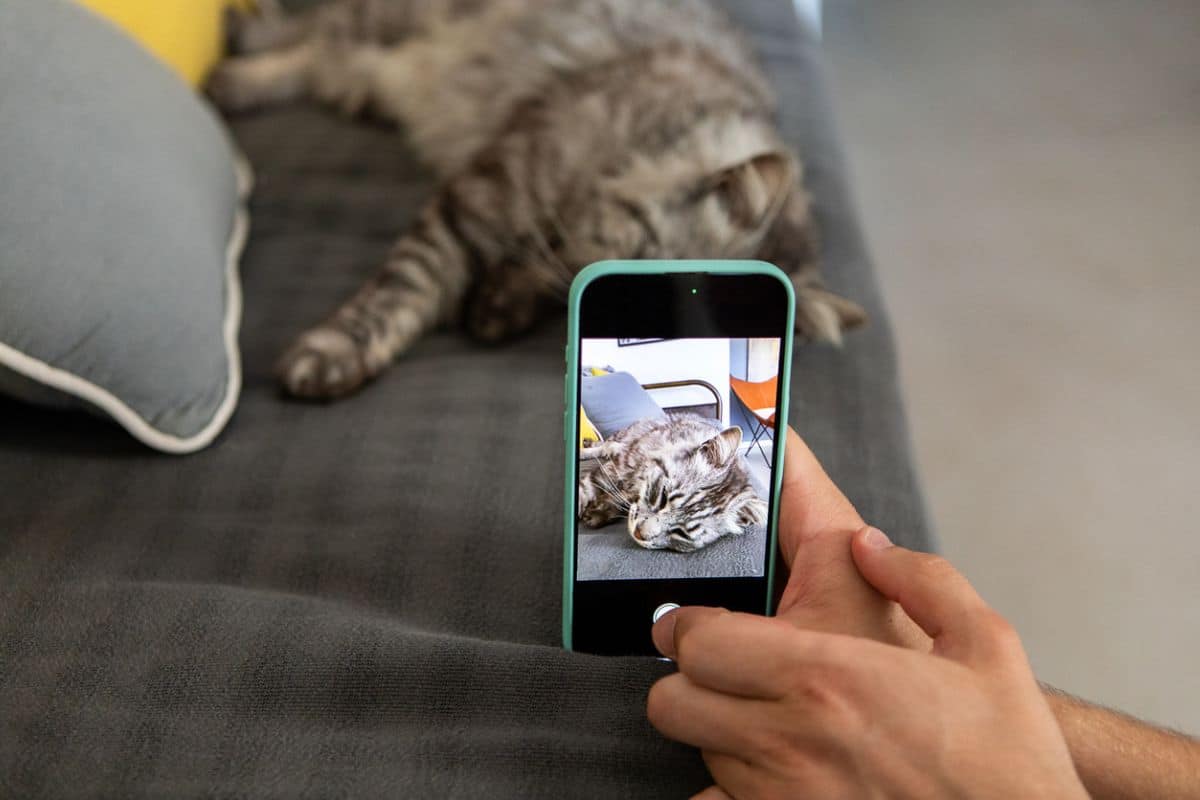
The results were alarming. Despite the objective presence of feline discomfort, between 75 and 93 percent of all comments across the analyzed videos expressed overtly positive attitudes toward the interactions. Viewers were not merely indifferent; they were actively cheering on scenarios that compromised animal well-being.
Phase Three: The Emergence of Nine Core Rationalization Themes
Through rigorous qualitative coding of the 1,100 comments, the researchers identified nine recurring ideological themes that dominated public reactions. These themes exposed a profound societal disconnect regarding feline ethology:
- The "Active Escape" Fallacy: A widespread belief that if a cat genuinely disliked an interaction, it would simply walk away or escalate its physical resistance to a dramatic degree.
- Intentional Misinterpretation of Signals: Complete dismissal of defensive body language (such as hissing or freezing) as mere "grumpiness" or playfulness.
- Anthropomorphic Projection: The assumption that cats intellectually understand the human is "just playing" and therefore feel no genuine fear.
- The Persistence Myth: The conviction that forced interaction will eventually wear down a cat’s resistance, ultimately "winning the animal over."
- Romanticizing Aggression: Framing aggressive resistance as a passionate, quirky expression of deep feline affection.
- Aesthetic Overshadowing: Allowing the high "cuteness factor" of the cat to override any concern for its emotional state; aesthetic appeal trumped ethical empathy.
- Humor Extraction: Treating the cat’s terror or defensive posturing as raw, unadulterated comedy.
- Defensive Hostility Toward Critics: Outspoken condemnation of commenters who pointed out the cat’s stress, often labeling them as "overly sensitive," "snowflakes," or "inexperienced cat owners."
- Minimization of Physical Consequences: Brushing off visible scratches or bites sustained by the humans as insignificant accidents rather than warnings of animal distress.
Supporting Context & Metrics: The Science of Feline Stress and Digital Reinforcement
To fully grasp the implications of the Adelaide University study, one must examine the broader scientific context surrounding feline welfare, communication, and the mechanics of modern social media algorithms.
Feline Well-Being and the Danger of Ignored Boundaries
Previous ethological research establishes that positive human-animal interactions are foundational to a cat’s psychological well-being. Enrichment and play can foster trust and strengthen bonds between pets and their guardians. However, the inverse is equally true: unwanted, forced, or stressful attention can severely erode trust, leading to chronic anxiety, behavioral problems, and stress-related medical conditions such as idiopathic cystitis.
Cats are master communicators, but their language is frequently misunderstood. Long before a cat bites or hisses, it communicates through micro-signals:
- Slow blinking or averted gaze (signs of comfort)
- Twitching tail tips, flattened whiskers, or slight skin rippling (early indicators of irritation)
- Dilated pupils, stiffened postures, and vocalizations like growling or hissing (late-stage warnings of acute distress)
When humans repeatedly ignore early and mid-stage warnings, cats learn that subtle communication is ineffective. Consequently, they are forced to escalate their responses directly to defensive aggression (swatting, biting, bolting) to establish the boundaries they desperately need.
The Algorithmic Loop: How Platforms Reward Distress
Social media platforms are engineered to maximize user engagement. Metrics such as shares, comments, likes, and watch-time dictate algorithmic visibility. Content that evokes strong emotional reactions—including shock, amusement, or controversy—tends to go viral much faster than mundane, respectful interactions.

[Distressed Cat Video Posted]
       │
       ▼
[Algorithmic Boost via High Engagement (Comments/Shares)]
       │
       ▼
[Massive Audience Exposure]
       │
       ▼
[Normalization of Unethical Pet Handling]
       │
       ▼
[Replication in Household Environments]
When viral videos frame distressed animal behavior as comedy, they trigger a feedback loop. Thousands of viewers observe the interaction without critical thought, internalize the behavior as "normal," and subsequently replicate similar handling techniques with their own pets. The platform actively incentivizes content creators to push boundaries, sometimes intentionally provoking animals to capture a "funny" reaction for online clout.
Official Statements and Expert Analysis
The implications of the Adelaide University study stretch far beyond academic circles, drawing commentary from behavioral experts, veterinarians, and animal welfare advocates who grapple daily with the consequences of online pet culture.
Lead researcher Julia Henning emphasized that the disconnect runs deeper than a simple lack of educational resources about cat body language. Speaking on the psychological mechanisms at play, Henning noted:
"It isn’t just about whether people can spot a hiss or a flattened ear. It’s about why people choose to dismiss those signs when they see them. When an animal is framed as a character in an entertaining video, viewers stop seeing an independent sentient being with boundaries and start seeing a living toy designed for their amusement."
Independent veterinary behaviorists have echoed these concerns, pointing out that normalization of feline stress online creates a hazardous trickle-down effect in veterinary clinics. Veterinarians frequently treat cats suffering from chronic behavioral issues rooted in chronic low-level harassment by well-meaning owners who misinterpret the cat’s attempts to escape as "playing hard to get."
Furthermore, animal welfare organizations stress that the issue intersects heavily with public health and human safety. The Adelaide University study revealed that 7 out of the 11 analyzed videos featured observable injuries inflicted upon the human handlers. While these injuries were often downplayed in the comment sections as humorous occupational hazards, medical professionals remind the public that cat bites carry a notoriously high risk of severe bacterial infections (such as Pasteurella multocida), frequently requiring urgent medical intervention or hospitalization.
Future Outlook: Redefining Digital Media Literacy and Pet Advocacy
As short-form video content continues to dominate the global information landscape, addressing the normalization of animal distress requires a multi-faceted cultural shift. Experts suggest that tackling this issue demands moving beyond traditional educational campaigns.

1. Evolving Beyond Basic Body Language Education
While teaching the public how to read feline ears, tails, and postures remains vital, educational initiatives must now incorporate media literacy. Viewers must be trained to critically analyze the framing of pet content. Recognizing that a bouncy soundtrack, a witty caption, or a laughing creator can mask animal suffering is a critical skill for the modern digital citizen.
2. Platform Accountability and Community Moderation
Social media corporations share a profound ethical responsibility. Platforms could introduce warning labels or community notes on viral pet videos where obvious signs of animal stress are present—much like content warnings applied to human endangerment. Furthermore, refining algorithms to de-prioritize or demonetize content that exploits stressed animals would fundamentally alter the economic incentives driving creators to harass their pets for views.
3. Cultivating a Culture of Respectful Observation
Ultimately, the study serves as a timeless reminder that viral internet fame should never come at the expense of an animal’s peace of mind. Cats lack the linguistic capability to verbally express their discomfort; their bodies are their only voice.
As pet lovers and digital consumers, our response to a cat attempting to disengage should not be to lean in closer with a camera or a teasing hand. True appreciation for our feline companions means honoring their autonomy, respecting their limits, and understanding that sometimes, the absolute kindest thing we can do for an animal is to simply leave it alone.