Introducing unfamiliar domestic canines to one another is a delicate exercise in behavioral synchronization, visual communication, and human intervention management. While pet owners often rely on emotional intuition when bringing dogs together, decades of behavioral science and field observation suggest that human anxiety and stagnant body language are frequently the primary catalysts for canine tension.
Recent field observations by animal behaviorists on rural Wisconsin homesteads highlight the effectiveness of a deceptively simple rule: Keep moving. When humans resist the instinct to freeze, hold their breath, and stare down a potential conflict, they dramatically reduce environmental pressure, allowing dogs to negotiate their boundaries safely.
Beyond canine socialization, rural farm life presents an intricate web of ecological interactions, ranging from beneficial pollinator habitats to painful encounters with local stinging insects. Balancing the management of livestock pastures, protecting vulnerable monarch butterfly populations, and navigating unexpected wildlife and insect conflicts requires a careful, observant approach to agriculture and animal husbandry. This report examines the foundational principles of safe canine introductions through the lens of recent behavioral case studies, juxtaposed against the dynamic, often unpredictable rhythms of seasonal farm management in the American Midwest.
Detailed Chronology: Behavioral Observations in the Field
The Neutral-Ground Meeting: Skip, Rocky, and Leo
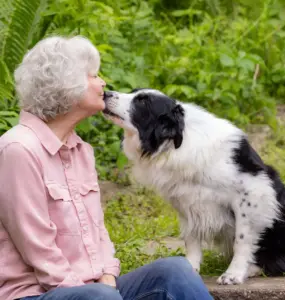
Recent socialization trials conducted in a secure, fenced small pasture—an ideal neutral environment for off-leash interactions—demonstrate the nuances of canine communication. The session involved three distinct dogs: Skip, a well-balanced Border Collie; Rocky, an energetic, terrier-powered companion; and Leo, a cautious Doodle.
Initial Contact (The Terrier Approach): Upon entering the pasture, Rocky immediately approached Skip with high-energy terrier confidence. Skip extended his nose just a fraction further to gather olfactory data, prompting Rocky to stand tall to establish initial social hierarchy. Skip responded with remarkable calm, his body language remaining balanced despite the assertive display.
The Secondary Integration: Leo, the Doodle observing from a distance, gained the courage to approach only after assessing the dynamic and ensuring Skip—a familiar figure—remained between him and the newcomer.
Visual Signaling: Throughout the exchange, the human handlers maintained a strict hands-off policy. No verbal commands or physical pressure were applied. The dogs successfully resolved their spatial and hierarchical boundaries entirely through visual signals, tail carriage adjustments, and postural cues, reinforcing the notion that verbal intervention is frequently unnecessary when dogs are given space to communicate.
The Historic Precedent: Skip and Ruby
The recent paddock meetings echo a well-documented socialization milestone from June 2020, when Skip first encountered Ruby, an exuberant Golden Retriever puppy, following the lifting of his post-relocation leash restrictions.
The Breed-Specific Bias: Having grown up in Ireland surrounded predominantly by working Border Collies and occasional Jack Russells, Skip initially harbored a subtle visual bias. To a dog whose social architecture is built around herding breeds, the charging approach of a golden-coated retriever triggered a momentary stress response, manifested as a tense body, a closed mouth, and a slight lip curl.
The "Keep Walking" Intervention: Rather than stopping to hover, soothe, or penalize the dogs—a common human reaction that signals impending danger—the handlers enforced continuous forward momentum. By steadily walking up the hill, the humans diffused the localized pressure, allowing the dogs to decompress.
The Olfactory Bond: As Skip explored the upper perimeter of the pasture, he discovered a prime natural resource: a pile of fox feces. Following an extended period of ecstatic rolling, Ruby’s owner granted permission for the puppy to join in. Both dogs thoroughly coated themselves in the pungent, shared scent. Within minutes of this mutual olfactory baptism, Skip’s demeanor shifted entirely. Relaxed, unified by a shared odor, and bonded through cooperative exploration, the two dogs transformed into harmonious companions.
Supporting Context & Metrics: The Science of Canine Communication
To understand why continuous movement is paramount during canine introductions, one must examine how dogs process environmental pressure and human behavior.
Humans are primate predators. Evolutionarily, when primates encounter an unfamiliar, potentially threatening entity, our instinct is to halt, fixate our gaze, hold our breath, and assess the risk.
To a domestic dog, however, this behavior is alarming. A human who stops dead in their tracks, locks eyes, and stares intently at two greeting dogs is effectively broadcasting an emergency alert. The dogs interpret this sudden stillness and intense focus as a sign of high environmental tension, which frequently tips a neutral or mildly cautious greeting over the edge into defensive aggression.
Off-Leash vs. On-Leash Dynamics
While off-leash introductions in secure, fenced pastures minimize the mechanical tension transmitted down a taut leash, they are not a universal panacea. Safe off-leash socialization requires:
Absolute containment: A secure, escape-proof perimeter (such as a multi-acre pasture combining open grass and wooded cover).
Temperament assessment: Clear knowledge that neither dog exhibits severe, unprovoked aggression or debilitating phobias.
Environmental neutrality: Locations where neither dog holds established territorial claims.
When these conditions are met, movement acts as a physiological pressure valve. Walking forward forces the human mind to relax, prevents fixation, and keeps the energy of the walk fluid and non-confrontational.
Official Statements and Expert Insights
Animal behavior specialists and agricultural managers emphasize that successful animal husbandry relies heavily on observation, patience, and adaptability. While peer-reviewed formal research specifically tracking "the rate of forward walking during dog intros" is sparse, decades of field application by professional trainers validate the practice.
"In all my decades of working with dogs, perhaps the most important thing I’ve learned when introducing unfamiliar canines is to KEEP MOVING. It is unequivocally the best way to take the psychological pressure off the animals and provide them with a genuine window to establish comfort."
— Dr. Patricia McConnell, Animal Behaviorist and Author
Similarly, farm management experts note that seasonal shifts dictate the rhythm of daily operations. Unprecedented meteorological patterns—such as the increasingly frequent, heavy downpours transforming parts of Wisconsin into environments resembling temperate rain forests—directly impact farm logistics:
Pasture Management: Excessive rainfall drives rapid grass growth in sheep pastures. Pasture output can outpace mechanical mowing capabilities, forcing farmers to rely on intensive rotational grazing by livestock.
Livestock Impact: While over-abundant forage presents logistical challenges for machinery, it provides a nutritional boon for grazing flocks, who thrive amidst the lush growth.
Future Outlook: Farm Ecosystems, Invertebrate Conservation, and the Path Ahead
As the agricultural season progresses into late summer, farm life extends far beyond mammalian behavior, encompassing a delicate balance of entomology, pest management, and climate adaptation.
Insect Encounters and Ecosystem Management
The Stinging Adversary: Rural life frequently brings humans into close contact with hymenoptera. Unexpected encounters—such as a bumblebee trapped within clothing resulting in a painful sting—serve as sharp reminders of the local insect population’s presence. While safely captured and released, such events highlight the reactive sensitivities (such as severe itching) common in outdoor environments.
Defoliators and Caterpillars: Monitoring local flora reveals complex ecological battles. Pagoda dogwoods require careful observation to protect against voracious herbivores like the white-marked tussock moth caterpillar (Orgyia leucostigma), whose striking appearance is matched by its leaf-stripping appetite and urticating hairs capable of triggering human allergic responses.
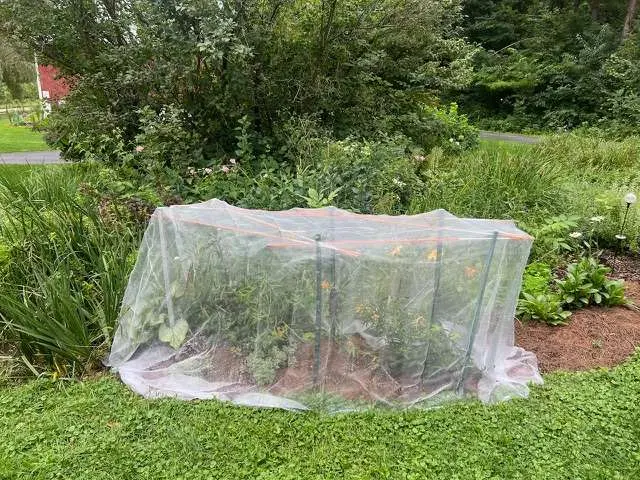
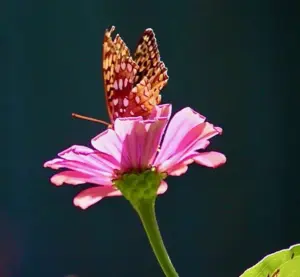
Monarch Butterfly Conservation: Conversely, active stewardship is required to protect beneficial and endangered species. With monarch butterfly caterpillars facing heavy predation from local wasps and parasitic insects, conservation strategies increasingly rely on specialized protective netting. Designed to permit essential sunlight and rainwater while excluding flying predators, these protective enclosures represent the intersection of modern agricultural care and wildlife preservation.
Looking Forward
Whether navigating the silent, visual negotiations of two dogs sorting out their social standing in a sunlit pasture, managing explosive pasture growth under shifting climatic conditions, or erecting protective mesh to save a handful of monarch caterpillars, the underlying principle remains constant. Success—whether in canine behavioral modification or regenerative farm stewardship—requires stepping back, resisting the urge to panic or over-intervene, maintaining forward momentum, and respecting the natural rhythms of the living world.