
Executive Overview
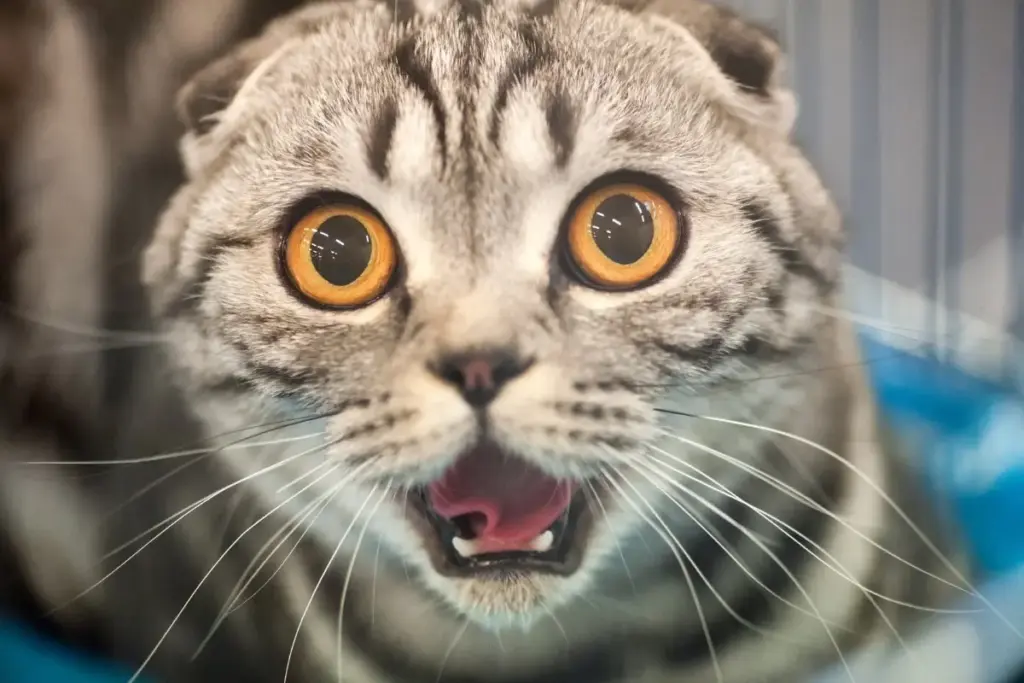
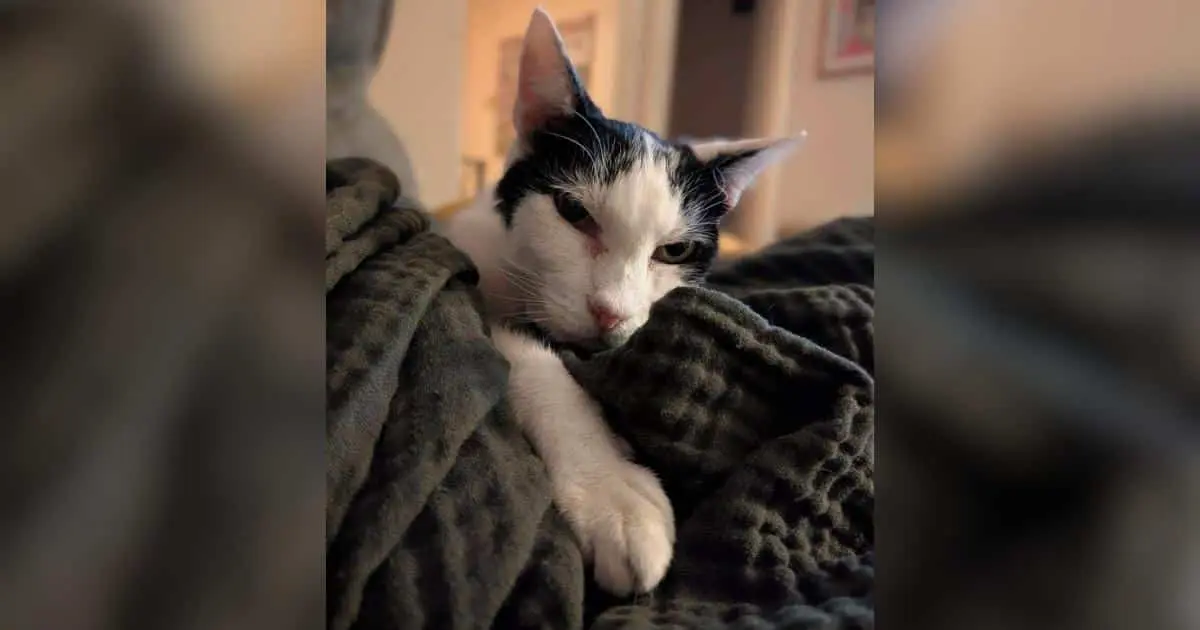
In an era defined by digital connectivity, the intersection of social media algorithms and sheer serendipity occasionally produces moments of profound human and animal welfare significance. This is the narrative of Lola, a 17-year-old feline whose accidental disappearance plunged her devoted owner into months of agonizing uncertainty. For nearly two decades, Lola had been an immutable fixture in her human companion’s life—a silent witness to the ebb and flow of daily existence, personal milestones, and quiet domestic routines. When an open door during a visitor’s arrival disrupted this equilibrium, it precipitated a desperate months-long search with dwindling leads.
Unknown to her owner, Lola’s arduous odyssey traversed the complex labyrinth of the greater Houston, Texas animal welfare system. Transitioning from the Humble Animal Shelter into the foster and adoption network managed by Best Friends, the senior feline was cataloged under a new moniker: "Debra." Framed as an unattached senior cat seeking a golden-years retirement home, Debra’s profile was uploaded to Facebook as part of standard rescue operations.
What followed was a testament to the undeniable power of visual recognition and persistent love. A routine scroll through a social media feed bridged a seemingly insurmountable geographical and administrative gap. This report details the comprehensive chronology of Lola’s disappearance and recovery, examines the structural vulnerabilities and triumphs of modern animal sheltering networks, and explores the profound emotional dimensions of pet-owner reunification.
Detailed Chronology: From Accidental Disappearance to Digital Discovery
Phase I: The Incident and the Immediate Aftermath
The separation began on an ordinary afternoon that turned catastrophic within seconds. While a visitor entered the home, an unsecure door provided an unmonitored exit point. For Lola—an indoor senior cat whose world was defined by the predictable comforts, scents, and safety of a long-term home—the sudden transition into the outdoor environment was nothing short of traumatic.
At 17 years of age, a domestic cat possesses significantly diminished sensory acuity, reduced mobility compared to its youth, and an extremely low threshold for coping with environmental stressors such as vehicular traffic, inclement weather, territorial stray animals, and predatory wildlife.
Realizing the cat was missing, her owner initiated an immediate and exhaustive search of the immediate neighborhood. Days turned into weeks, and weeks bled into months. Traditional recovery methods—flyers posted on utility poles, inquiries left with local veterinary clinics, and door-to-door neighborhood canvassing—yielded no verifiable sightings or tangible clues. Yet, despite the discouraging passage of time, her owner refused to abandon hope, sustained by the psychological refusal to accept that a 17-year bond could be severed so abruptly.
Phase II: The Shelter System and the Erasure of Identity
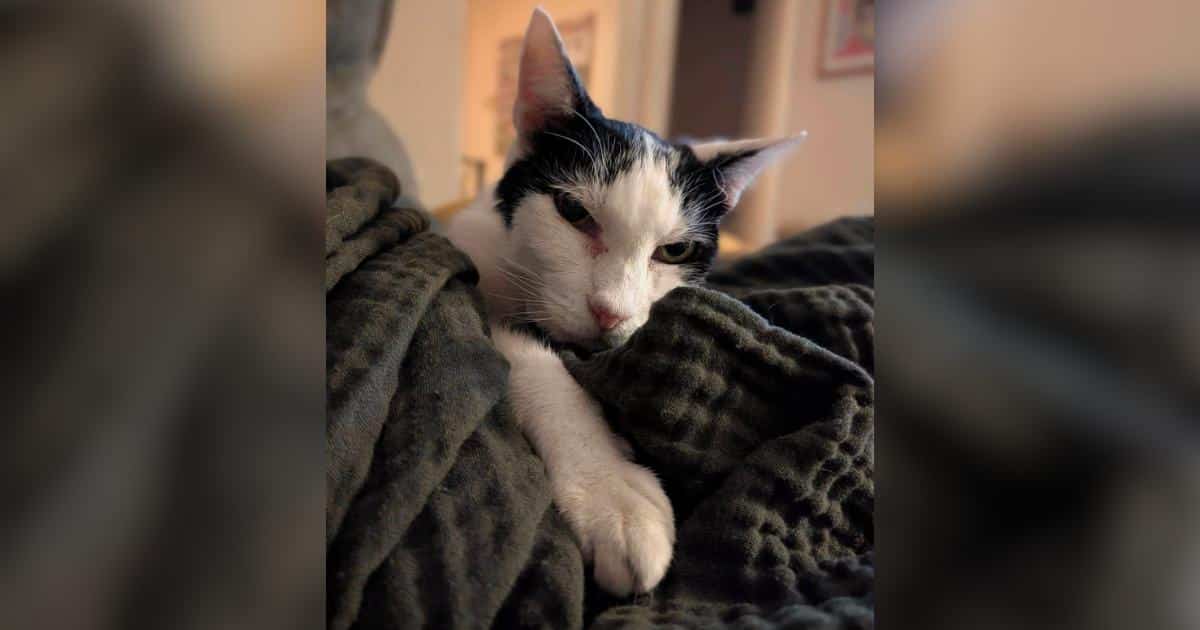
While Lola’s owner scoured local avenues, the senior cat’s physical journey was unfolding miles away. Recovered as a stray, Lola was initially processed through the Humble Animal Shelter. In municipal and high-volume open-admission facilities, intake protocols prioritize immediate triage, medical stabilization, and cataloging. Given her advanced age and the absence of easily readable identification—such as an external collar or an un-scanned microchip—she was classified simply as an anonymous stray senior.
To optimize her chances of placement before her holding period expired, Lola was transferred into the care of the Houston branch of Best Friends, a prominent animal welfare organization. Within this foster and adoption pipeline, shelter staff assigned her a temporary, administrative identity: "Debra."
To the dedicated staff and volunteers at Best Friends, Debra appeared as a classic textbook case of a senior animal surrendered or strayed from an unknown background. They documented her gentle demeanor, photographed her distinctive features for promotional adoption materials, and prepared her profile for digital dissemination. The shelter infrastructure operated efficiently to find her a "new" home, entirely unaware that an existing home was actively mourning her absence just miles away.
Phase III: The Serendipitous Scroll and Verification
The turning point occurred earlier this month through the most ubiquitous medium of modern life: a social media newsfeed. Lola’s owner, maintaining a daily digital vigilance, was scrolling through Facebook when a localized adoption promotion posted by the rescue organization populated his screen.
Human facial and feline recognition operates on deep, subconscious pattern matching. Even through a compressed digital photograph, and even under the erroneous nameplate of "Debra," the unique facial structure, gaze, and subtle morphological markers of Lola registered instantly. Her owner did not merely see a cat that resembled his pet; he recognized an individual animal with whom he had shared seventeen years of waking and sleeping hours.
Recognizing the urgency, he immediately contacted the rescue organization. What began as a standard inquiry from a prospective adopter rapidly transformed into a high-stakes verification process. Through comparative descriptions of distinct physical traits, medical markers, and historical imagery, the rescue staff confirmed the undeniable truth: "Debra" was, in fact, Lola.
Supporting Context & Metrics: The Vulnerability of Senior Pets
Lola’s narrative highlights critical operational realities within the contemporary animal rescue and sheltering landscape. Analyzing these metrics provides necessary context for understanding how easily permanent companionships can be fractured and subsequently repaired.
1. The Senior Pet Demographic in Shelters
According to data compiled by major animal welfare coalitions, senior animals—typically defined as dogs and cats aged seven years and older—face the steepest hurdles in municipal shelter systems.
- Length of Stay: Senior cats experience an average length of stay that is nearly double that of kittens, often struggling to compete with juvenile animals in adoption appeal.
- Intake Vulnerability: Older pets entering the shelter system as strays are frequently misidentified as abandoned rather than lost. Because their physical appearance may reflect the natural weathering of age (dental wear, cloudy lenses, diminished musculature), shelters often misjudge their prior domestic history.
2. The Microchip Gap and Identification Protocols
Lola’s case underscores the critical importance of permanent identification. While microchipping has become a cornerstone of modern pet ownership, a significant percentage of older pets—particularly those adopted or acquired before widespread microchip mandates—remain unchipped or possess outdated contact information in registries. When an unchipped senior cat enters a municipal facility, the burden of reunification shifts entirely to visual matching, lost-and-found database checks by owners, and rescue publicity campaigns.
3. The Digital Transformation of Animal Rescue
Historically, lost pets were recovered through physical proximity: checking brick-and-mortar humane societies, reading newspaper classifieds, or relying on word-of-mouth. Today, social media platforms have effectively decentralized lost-and-found operations. Rescue groups, municipal shelters, and grassroots lost-pet networks utilize hyper-local algorithms, community Facebook groups, and visual posts to reach audiences far beyond the physical radius of the shelter. In Lola’s case, this digital architecture served as the essential bridge between two entirely separate worlds.
Official Perspectives and Statements
While individual caretakers and rescue staff often process these events through deeply emotional lenses, institutional stakeholders emphasize the broader structural lessons embedded within such reunions.
Reflections from Rescue Personnel:
Representatives from Best Friends in Houston noted that cases involving senior pets underscore the necessity of looking beyond standard intake assumptions. Shelter workers emphasize that every intake photo uploaded to public platforms carries the potential to reach an unexpected audience.
"When an older animal comes into our care, our primary objective is immediate comfort and eventual placement," shared a rescue coordinator involved in the intake process. "We treat every animal as an individual with a history, but seeing a seventeen-year bond restored simply because a caring owner happened to stop and look closely at a Facebook post reminds us of the profound stakes involved in our digital outreach."
The Human-Animal Bond Perspective:
Animal behaviorists and veterinary psychologists frequently point to the irreplaceable nature of long-term human-animal attachments. A seventeen-year co-habitation creates neurological and emotional routines for both species. For an aging cat, sensory familiarity is paramount; for the human owner, the absence of a companion of two decades leaves a distinct psychological void.
Future Outlook and Recommendations
Lola’s successful recovery serves as both a heartwarming human-interest story and a compelling case study for pet owners and shelter administrators alike. To mitigate the risks of prolonged separation and enhance the efficacy of reunification protocols, animal welfare advocates recommend several forward-looking strategies:
- Mandatory Dual-Identification for Indoor Seniors: Pet owners with senior animals should employ both microchipping (with perpetually updated registry data) and breakaway collars bearing visible, current contact information, even for indoor-only pets.
- Proactive Shelter Monitoring: Owners of missing pets are encouraged to expand their monitoring beyond physical visits to local shelters, actively scanning daily intake photos across regional rescue networks, private foster groups, and municipal Facebook pages where misidentified strays are frequently posted.
- Enhanced Intake Scanning and Visual Archiving: Shelters and rescue organizations can further optimize reunification rates by implementing mandatory secondary microchip scans during foster transitions and ensuring that high-resolution photographs of distinctive senior facial features are prioritized in public adoption galleries to maximize the probability of owner recognition.
Ultimately, Lola’s return home demonstrates that while time and distance can create daunting barriers, the endurance of a seventeen-year relationship—bolstered by modern digital connectivity and compassionate rescue workers—can ultimately guide a lost companion back to where she belongs.