
Executive Overview
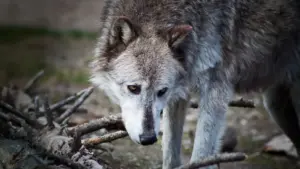
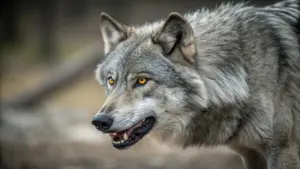
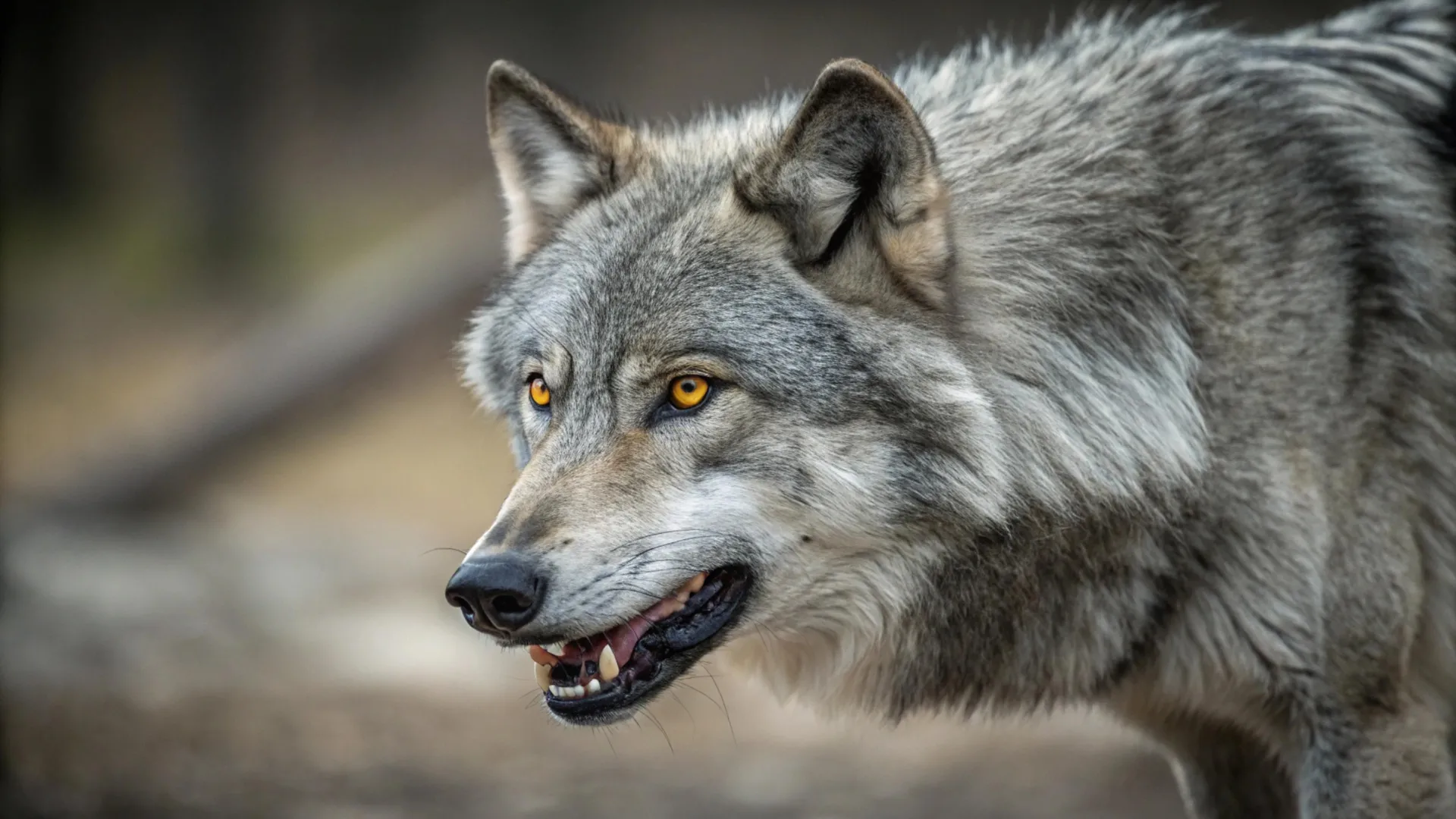
In the dense, fog-shrouded rainforests of Prince of Wales Island, Alaska, a profound behavioral shift is quietly redrawing the ecological boundaries between land and sea. Gray wolves (Canis lupus), traditionally understood as apex predators of terrestrial ecosystems, are systematically hunting and consuming sea otters. This emerging predatory dynamic is challenging long-held ecological assumptions about the separation of terrestrial and marine food webs.
While anecdotal reports of coastal wolves scavenging or preying upon marine mammals have trickled in from remote Alaskan fringes for over two decades, the underlying mechanics of how these land-dwelling carnivores successfully navigate marine environments to dispatch sea otters have remained a mystery. Now, pioneering research led by Patrick Bailey, a Ph.D. candidate at the University of Rhode Island (URI), is peeling back the layers of this complex predator-prey interface. Working within the CEAL Lab under the guidance of Professor Sarah Kienle, Bailey is combining cutting-edge stable-isotope teeth analysis with high-resolution trail camera arrays to decode the behavioral adaptations, dietary shifts, and population-level impacts of these coastal wolves.
However, this evolutionary pivot toward a marine diet comes with a dangerous trade-off. Recent collaborative findings with the Alaska Department of Fish and Game reveal that sea otters on the Pacific coast carry high concentrations of toxic methylmercury. Consequently, coastal wolves feeding on these marine mammals exhibit liver mercury concentrations up to 278 times greater than their inland counterparts. This bioaccumulation threatens long-term neurological, reproductive, and physiological health, turning an opportunistic dietary expansion into a biological double-edged sword.
As Bailey and his team sift through a mountain of visual data—over 250,000 images captured by remote trail cameras—the scientific community stands on the precipice of a new understanding of how apex predators bridge terrestrial and aquatic realms. This comprehensive investigative report explores the multifaceted research unfolding on Prince of Wales Island, detailing the methodologies, ecological implications, and toxicological risks shaping the future of Alaska’s coastal wolves.
Detailed Chronology
Uncovering the Marine Menu: The Genesis of Coastal Wolf Research
For generations, ecological textbooks have neatly compartmentalized gray wolves as terrestrial hunters, relying on ungulates like deer, elk, and moose to sustain their packs. However, on the rugged, island-studded coastlines of Southeast Alaska, local observers and subsistence hunters noticed decades ago that gray wolves were occasionally spending time along the intertidal zones, feeding on marine resources.
Despite these whispers from the field, academic research lagged behind. The operational hurdles of studying an elusive, highly intelligent carnivore across an unforgiving, roadless maritime landscape kept comprehensive studies at bay. The turning point arrived when Patrick Bailey, seeking to bridge the gap between terrestrial and aquatic ecology, teamed up with established regional biologists Gretchen Roffler of the Alaska Department of Fish and Game and local research technician Michael Kampnich.
Together, they selected Prince of Wales Island as the primary living laboratory for an intensive, multi-year investigation. Kampnich’s deep-seated familiarity with the island’s unique ecology and treacherous terrain proved indispensable, providing the foundational orientation required to embed researchers safely and effectively within the wolves’ remote habitat.
The Historical Context: The Sea Otter’s Recovery
To understand why wolves are hunting sea otters now, researchers must look back through the lens of colonial history and wildlife conservation. Prior to the maritime fur trade of the 18th and 19th centuries, sea otters thrived in dense populations along the entire Pacific Rim. The relentless commercial harvest drove the species to the brink of extinction, temporarily severing the historical ecological relationship between coastal predators and marine mammals.
Following decades of legal protection under the Marine Mammal Protection Act of 1972, sea otter populations have slowly rebounded along the Alaskan coast. As these endangered marine mammals reclaim their historic niches, they are increasingly intersecting with coastal gray wolf packs. Bailey’s research suggests that wolves may simply be reviving an ancient predator-prey relationship that was temporarily interrupted by human intervention centuries ago.
Technological Breakthroughs: From Blurry Footage to Big Data
Early documentation of coastal wolf hunts was sporadic and lacked the optical clarity required for behavioral analysis. Previous video recordings offered glimpses of wolves patrolling beaches, but failed to capture the tactical strategies employed during a marine ambush.
To overcome this technological deficit, Bailey deployed a strategic network of trail cameras across Prince of Wales Island during the summer months. These motion-activated units were specifically positioned along high-probability coastal corridors and intertidal zones. The gamble paid off: the cameras began capturing unprecedented visual evidence of wolves actively interacting with and consuming marine prey.
Managing the resulting data deluge required an entirely new operational scale. Since last December, the camera network has generated a staggering backlog of over 250,000 images. To process this massive dataset, a dedicated team of seven undergraduate and graduate students at the University of Rhode Island was trained to systematically review, categorize, and tag each frame, transforming raw trail-cam data into quantifiable behavioral insights.
Supporting Context & Metrics
Stable-Isotope Analysis: Reading Teeth Like Tree Rings
Observing wolves in the wild is notoriously difficult due to their elusiveness and vast home ranges. To bypass the limitations of direct observation, Bailey turned to molecular forensics, specifically stable-isotope analysis of gray wolf teeth sourced from museum collections and recently deceased animals.
Teeth grow in incremental layers throughout an animal’s life, functioning much like the growth rings of a tree. Because an animal’s diet directly imprints chemical signatures into its growing tissues, these dental layers preserve a chronological diary of what the wolf consumed month by month and year by year.
"If large enough, we can individually sample each of these growth rings to track an individual’s feeding patterns over time," explains Bailey. "When we gather enough samples across individuals, we can then analyze how prevalent these dietary trends are throughout a population."
By isolating carbon and nitrogen isotopes from teeth samples, the research team can mathematically distinguish between terrestrial protein sources (such as deer and small mammals) and marine protein sources (such as sea otters, fish, and marine invertebrates). This technique allows researchers to retroactively determine whether marine consumption is a localized behavioral anomaly or a widespread, generational adaptation practiced by entire packs.
Morphological Comparisons and Geographic Expansion
Bailey’s academic scope extends far beyond the borders of Alaska. In a separate chapter of his dissertation, he is exploring whether the physical adaptations required for coastal hunting have influenced the skeletal architecture of wolves.
Collaborating with the Harvard Museum of Comparative Zoology, Bailey is analyzing skull specimens from historical and contemporary populations across Canada, including Newfoundland and Labrador. By comparing the cranial morphology of coastal wolves with their inland counterparts, researchers hope to uncover whether natural selection has favored specific bite-force dynamics, tooth wear patterns, or skull dimensions that facilitate the dispatching of marine prey.
Official Statements & Expert Insights
The intersection of terrestrial carnivore management and marine ecology has drawn commentary from leading researchers across multiple disciplines.
Patrick Bailey, Ph.D. Candidate, University of Rhode Island:
"We don’t have a clear understanding of the connections between water and land food webs, but we suspect that they are much more prevalent than previously understood. Since wolves can alter land ecosystems so dramatically, it is possible that we will see similar patterns in aquatic habitats… What hasn’t been explored, and what I am really interested in documenting, is how exactly wolves are able to capture sea otters."
Dr. Sarah Kienle, Assistant Professor and CEAL Lab Director, URI Department of Natural Resources Science:
"Capturing and eating prey in the marine environment is very different from doing it on land. We are super curious to see if these coastal wolves have behavioral adaptations that are different from terrestrial wolves."
Gretchen Roffler, Wildlife Biologist, Alaska Department of Fish and Game:
Through her collaborative work examining the physiological impacts of marine foraging, Roffler’s findings have brought light to the hidden biochemical hazards facing coastal predators. Her analysis of liver tissue samples has revealed alarming concentrations of environmental toxins moving up the trophic ladder.
Michael Kampnich, Local Research Technician:
Reflecting on the logistics of conducting fieldwork in Southeast Alaska, Bailey credits local expertise as the linchpin of the project’s operational success:
"Kampnich has been an unbelievable resource for getting us acquainted with the island and its unique ecology. Working with locals is so important because they have decades of experience and perspective that we as outside researchers simply do not have."
The Hidden Cost: Mercury Accumulation in the Trophic Web
While hunting sea otters provides coastal gray wolves with an abundant, calorie-dense food source, it introduces a severe biochemical hazard that threatens their physiological well-being.
Marine apex predators and long-lived marine mammals frequently accumulate high concentrations of heavy metals through bioaccumulation—the process by which toxins become more concentrated as they ascend the food chain. Sea otters, which consume vast quantities of benthic invertebrates such as urchins, crabs, and clams, frequently absorb significant levels of methylmercury from their marine environment.
When gray wolves incorporate sea otters into their regular diet, they step directly into this bioaccumulative pipeline. Recent liver tissue sampling conducted by Gretchen Roffler and her research team revealed an alarming physiological reality: coastal gray wolves on Prince of Wales Island exhibited mercury concentrations up to 278 times greater than those found in purely inland wolf populations.
Physiological and Behavioral Consequences
Methylmercury is a potent neurotoxin capable of causing profound systemic damage. Elevated concentrations in mammalian tissues are linked to a wide array of pathological conditions, including:
- Reproductive Impairment: Reduced fertility rates, lower birth weights, and increased embryonic mortality.
- Neurological Dysfunction: Impaired motor coordination, sensory deficits, and altered cognitive processing.
- Endocrine Disruption: Hormonal imbalances that affect stress responses, metabolic regulation, and overall body condition.
- Behavioral Abnormalities: Lethargy, disorientation, and altered territorial defense or hunting capabilities.
"Methylmercury accumulation can cause a suite of problems related to reproduction, body condition, and behavioral abnormalities," warns Bailey, highlighting the complex evolutionary trade-offs these wolves face as they exploit marine resources.
Future Outlook
As the multi-year study progresses, the research team is gearing up for the next phases of data collection and academic synthesis. Fieldwork on Prince of Wales Island is scheduled to resume next summer, with Bailey planning to expand the active camera monitoring arrays and refine local sampling protocols.
The implications of this research extend far beyond the dense forests and rocky shores of Alaska. As global climate change, habitat fragmentation, and human encroachment alter traditional ecological niches, wildlife populations are increasingly forced to adapt in unexpected ways. The discovery that terrestrial apex predators are systematically exploiting marine mammals underscores the fluidity of ecological boundaries and the interconnectedness of land and sea.
Ultimately, Bailey’s doctoral research will provide critical baseline data for wildlife managers, conservationists, and policymakers navigating the complexities of human-wildlife coexistence in remote coastal regions. By decoding how gray wolves hunt in the ocean—and quantifying the toxicological toll they pay for doing so—science gains a clearer window into the resilience, vulnerability, and evolutionary adaptability of nature’s most iconic carnivores.