
Executive Overview
In an era increasingly defined by sharp public discourse and societal division, the fundamental value of kindness often feels precarious—pushed to the periphery of modern consciousness. Yet, behavioral science, psychology, and even everyday human interactions continuously validate what intuitive wisdom has long suggested: kindness is not merely a moral virtue, but a powerful, biologically driven mechanism that directly enhances psychological well-being.
This exploration takes a multifaceted look at the mechanics of kindness, bridging the gap between human emotional regulation and canine behavioral science. By examining prominent literature on animal behavior, academic research on altruistic acts, and the chaotic, beautiful reality of living on a rural farm alongside a menagerie of domestic pets and invasive wildlife, we uncover a singular, unifying truth. Whether we are managing the expectations of working dogs, treating ourselves to grace after difficult news, or grappling with aggressive starlings in the backyard, the intentional practice of compassion remains our most reliable antidote to cynicism.
Detailed Chronology & Narrative: From Bad News to Blooming Bouquets
The contemplation of kindness rarely emerges in a vacuum; it is frequently born out of a personal reckoning with vulnerability. The genesis of this reflection began on a particularly difficult afternoon marked by discouraging medical news. Seeking a momentary reprieve from anxiety, a simple stop at a local sandwich shop in Madison yielded an unexpected lesson in the unpredictable velocity of goodwill.

Standing in a lengthy queue behind a group of young Latino men—evidently friends sharing a midday meal—an impulse arose to quietly cover their tab. The intention was entirely anonymous: whisper to the cashier, pay the bill, and slip away without fanfare. The goal was modest—to brighten someone else’s day with the quiet certainty that the act would concurrently lift a heavy spirit.
However, human dynamics rarely adhere to script. The cashier, seizing the moment, loudly announced to the room, "Hey, guys! This lady is buying your lunches!"
What followed dismantled any sense of anonymous detachment. Stepping back into the line, the reality of the gesture settled in. When one of the young men approached to ask why such a kindness was being offered, a transparent, vulnerable admission was made: “I’m having a bad day, and I knew it would cheer me up.”

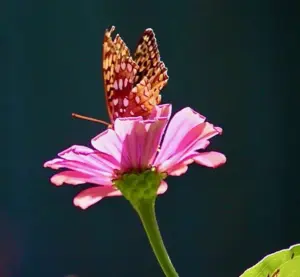
Moments later, as the group settled at a nearby table to enjoy their meal, one of the young men walked over holding a massive bouquet of flowers hastily purchased from an adjacent shop—a collective gesture of gratitude and solidarity. The emotional impact was immediate and profound. An attempt to extend kindness outward had boomeranged instantly, proving that the boundaries between giver and receiver are frequently porous.
Supporting Context & Metrics: The Science of Altruism
While anecdotal experiences provide emotional resonance, empirical science offers hard data regarding the psychological dividends of compassion. Academic literature repeatedly confirms that altruistic acts produce measurable improvements in human happiness.
A notable study by Rowland and Curry, titled "A range of kindness activities boost happiness," systematically evaluated the impact of various benevolent behaviors. Comparing acts of kindness directed at strong social ties, weak social ties, and the self—alongside simply observing kindness—against a control group, the researchers arrived at a compelling conclusion:

"…performing kindness activities for seven days increases happiness. In addition, we report a positive correlation between the number of kind acts and increases in happiness. Neither effect differed across the experimental groups, suggesting that kindness to strong ties, to weak ties, and to self, as well as observing acts of kindness, have equally positive effects on happiness."
Key Insights from Behavioral Research:
- Universal Benefit: The target of kindness—whether a lifelong confidant, an absolute stranger, or oneself—yields comparable psychological boosts.
- Dosage Dependency: Frequency matters. A direct, positive correlation exists between the sheer volume of kind acts executed and the resulting elevation in mood.
- Observational Power: Merely witnessing acts of kindness stimulates emotional uplift, highlighting the contagious nature of prosocial behavior.
Despite these proven metrics, a curious linguistic omission exists within contemporary canine behavior literature. Seminal works exploring human-canine bonds—such as For the Love of a Dog, The Other End of the Leash, Who’s a Good Dog, Dog Smart, and The Year of the Puppy—extensively detail positive reinforcement, emotional signaling, and the avoidance of aversive training methods. Yet, the explicit word "kindness" is rarely indexed as a primary conceptual framework. This absence suggests that treating animals with empathy has historically been treated as an implicit baseline assumption rather than an active, studied variable—an oversight worth correcting as we refine our relationships with domestic species.
Official Perspectives: Canine Welfare and Ecological Realities
Understanding a dog’s emotional landscape is perhaps the highest manifestation of kindness a pet owner can offer. As behavioral literature emphasizes, true canine happiness relies heavily on accurate cross-species communication—deciphering what an animal desires, fears, or attempts to signal, all while maintaining strict standards of physical health and safety.

Translating Kindness to the Farm
Applying this philosophy in a multi-species environment requires daily operational adjustments. On a working farm, kindness is tailored to individual temperaments:
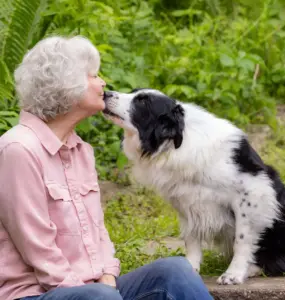
- Maggie (The Toy Enthusiast): Her emotional currency is straightforward—a favorite toy tossed across the grass, or on special occasions, a small bowl of vanilla ice cream that triggers an endearing, joyful jaw-chatter.
- Skip (The Working Dog): When environmental hurdles—such as hazardous air quality driven by distant Canadian wildfires—prevent active sheep-herding work, kindness pivots to cognitive enrichment, including patient desensitization training to keep him cool and comfortable during the summer months.
- Jim (The Human Counterpart): Navigating post-surgical recovery (such as carpal tunnel procedures) requires targeted care, supportive pacing, and, invariably, a fresh batch of homemade brownies.
The Ecological Paradox: Navigating Wildlife Conflict
However, maintaining an ethos of universal kindness becomes profoundly complicated when human interests collide directly with local wildlife. A rural environment often mirrors a complex cinematic narrative, shifting seamlessly from idyllic pastoral scenes to frantic ecological friction.
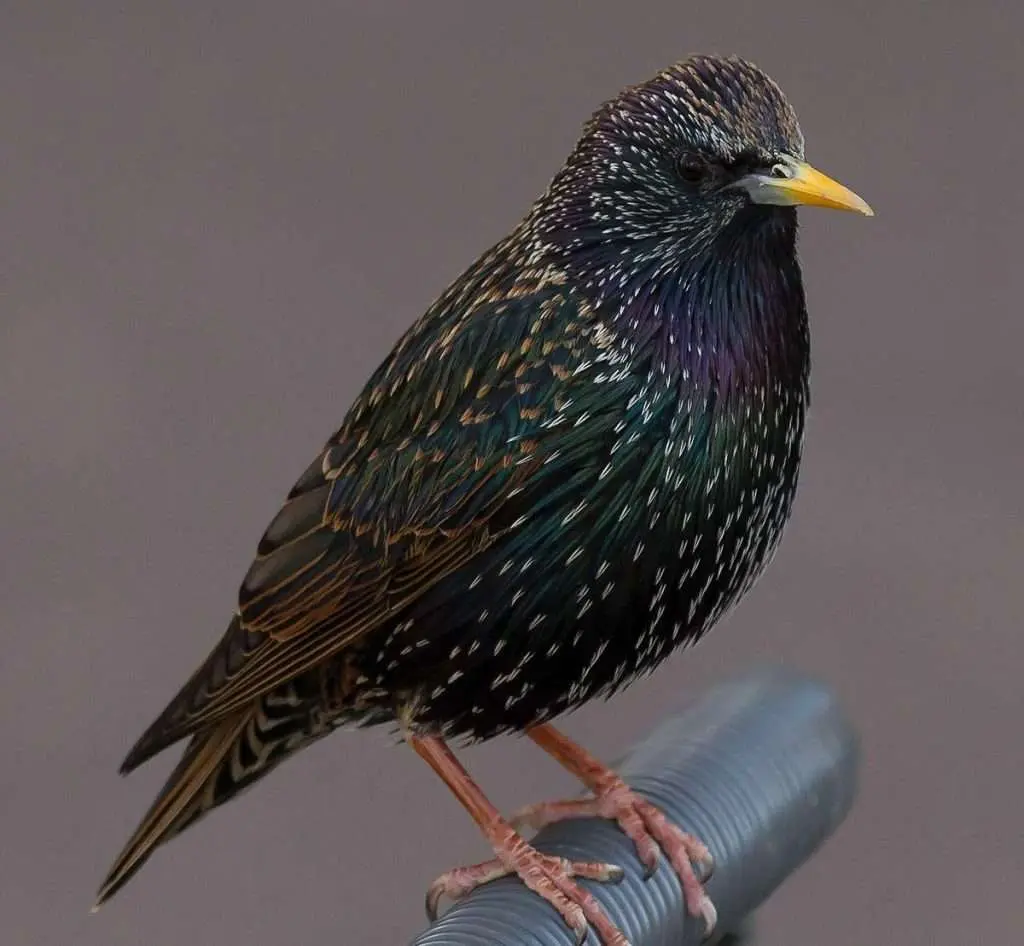
While the property frequently hosts breathtaking migratory species—such as Rose-breasted Grosbeaks, orioles, and nesting bluebirds—these peaceful interludes are periodically disrupted. The arrival of aggressive, non-native starlings, grackles, and red-winged blackbirds transforms backyard feeding stations into battlegrounds. Starlings, known for displacing native cavity nesters and destroying local eggs, test the limits of patience.

Similarly, subterranean and surface-level mammals present persistent management challenges:
- Woodchucks (Groundhogs): Capable of decimating entire sunflower patches, lilies, and garden greens overnight.
- Rabbits and Chipmunks: Constant nibblers requiring structural garden protections, such as raised-bed netting.
- Squirrels: Prolific gardeners who inadvertently plant invasive walnut trees by burying nuts deep within cultivated soil beds.
As trained zoological perspectives remind us, these animals are not acting out of malice; they are simply distinct species pursuing survival strategies in shared habitats. Furthermore, human ancestral lineage shares a history of migration and displacement similar to invasive avian species. Consequently, the modern naturalist’s response cannot be rooted in retaliation, but rather in humor, self-reflection, and the implementation of humane, intelligent barriers to protect cultivated spaces.
Future Outlook: Cultivating Intentional Compassion
As we look toward the future of behavioral science and animal husbandry, the integration of explicit kindness into our daily frameworks remains paramount. Kindness is not a static trait; it is an active practice requiring daily administrative effort—a deliberate item added to the daily "To-Do" list alongside chores, training schedules, and ecological management.

Whether dedicating time to support communities displaced by environmental crises, managing the dietary and physical comforts of working dogs, or offering oneself the grace of patience after receiving difficult news, the path forward is clear. By acknowledging the scientific power of altruism, we position ourselves to cultivate environments where humans, companion animals, and even the chaotic natural world can coexist in sustainable harmony.
The ultimate takeaway is remarkably simple: when in doubt, introduce an act of unexpected grace into the world. The return on investment—measured in neurological well-being, community resilience, and unexpected bouquets of flowers—is infinite.