
Every year, an estimated 10 million cats and dogs go missing in the United States, leaving heartbroken families behind in a state of prolonged emotional uncertainty. Unlike bereavement, which follows a recognizable trajectory toward closure, the sudden disappearance of a pet often plunges owners into what clinical psychologists term "ambiguous loss." Akin to the psychological toll of a missing person case, this lack of definitive resolution traps grieving owners across incomplete stages of processing.
To combat this vulnerability, pet owners are increasingly turning away from passive tools like basic identification tags and microchips—which are vital for post-recovery identification but powerless during an active escape—in favor of real-time GPS tracking technology. Following comprehensive multi-year testing cycles evaluating 26 different models across more than 35 distinct field trials, testing evaluators have identified the top-performing GPS pet collars on the market.
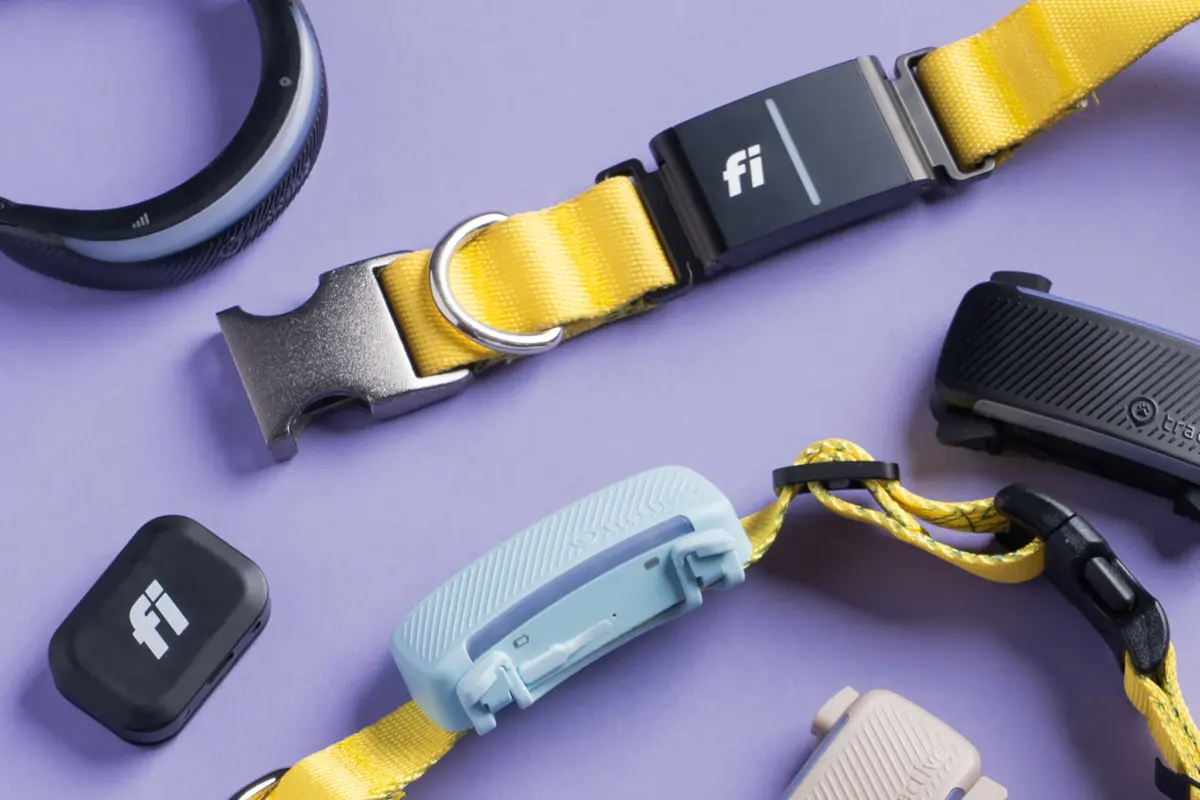
Devices like the Tractive Dog 6, Fi Series 3+, Fi Mini, and Tractive Cat 6 Mini offer robust satellite connectivity, rapid live-tracking deployment, and exceptional battery endurance. However, buyers must weigh these technological lifesavers against hardware quirks, proprietary subscription fees, and considerable data-privacy trade-offs.
Detailed Chronology of Testing & Methodology
The evaluation process for modern GPS pet trackers has been rigorous, expansive, and methodically documented across four distinct testing rounds dating back to 2024. Evaluators examined 26 individual devices, ultimately field-testing 16 models across real-world environments characterized by unpredictable weather patterns, dense urban architecture, and thick rural canopies.
Testing Environments and Canine-Feline Participants
Testing took place over dozens of exhaustive field outings across diverse geographic terrains, including Lincoln, Nebraska, and New Haven, Connecticut. Trackers were subjected to blistering heat, freezing cold, torrential rain, and heavy overcast skies—conditions historically notorious for interfering with satellite and cellular signals.
Testing protocols relied heavily on dedicated animal testers:
- Dave: A spirited dog who logged over 65 multi-terrain test walks alongside primary evaluators, professional dog walkers, and family members.
- Six & Midnight Vampire: Feline testers in Nebraska and Philadelphia who field-tested cat-specific models over multi-week free-roaming excursions.
- Hobbes, Mia, and Piglet: Additional long-term feline and canine testers who provided crucial longitudinal feedback on comfort, durability, and wearability.
Core Metrics Evaluated
- Live-Tracking Location Accuracy: Evaluators monitored real-time location updates during active searches, testing how closely app displays matched the physical location of the animal during head-start tracking tests and off-leash dog park sessions.
- GPS Connection Speed: Time elapsed from the activation of "Lost Mode" or live tracking until the device established a stable connection with satellites and cellular networks.
- Escape-Alert Response Time: The delay between an animal crossing a geofenced "safe zone" boundary and the application pushing an alert to the owner’s smartphone.
- Battery Endurance: Longevity stress-tested across 18 high-intensity outings, factoring in the heavy energy drains of continuous live tracking and power-saving Wi-Fi/Bluetooth integration zones.
- Physical Build & Usability: Ergonomic factors including weight, bulk, waterproofing ratings, ease of collar attachment, and visibility features like LED lights and audio locators.
Supporting Context & Metrics: The Top Picks Evaluated
1. Top Pick for Dogs: Tractive Dog 6 Smart Dog Tracker
The Tractive Dog 6 established itself as the gold standard for canine GPS tracking, offering unmatched reliability, rapid connectivity, and impressive battery longevity.
- Performance Metrics: During live tracking, the Dog 6 updates its location every 2 to 3 seconds under optimal conditions, remaining accurate to within a few yards. It boasted the fastest average live-tracking connection time in testing at just 13 seconds.
- Battery & Build: Following 18 rigorous 30-minute test walks, the battery retained an extraordinary 71% charge. It features an IP68 waterproof rating (submersible up to 1.5 meters for 30 minutes), bright dual-LED light strips, and a universal USB-C charging port.
- Trade-offs: The device is noticeably bulky and clunky compared to slimmer alternatives. Furthermore, Tractive does not offer monthly payment plans, requiring a prepaid annual minimum subscription.
2. Top Pick for Dogs: Fi Series 3+
For owners prioritizing a sleek, lightweight profile without sacrificing precision, the Fi Series 3+ serves as a premier alternative.
- Performance Metrics: Enclosed in a stylish stainless steel and plastic housing, the Series 3+ weighs just 1 ounce (excluding the collar) and connects to Lost Mode in an average of 16 seconds.
- Battery & Ecosystem: Battery longevity matches the Tractive Dog 6 at 71% after standard testing, heavily aided by a proprietary charging base that leverages Bluetooth Low Energy and home Wi-Fi networks when indoors to conserve power.
- Trade-offs: The device cannot be mounted on standard pet collars; it mandates the use of Fi’s proprietary metal "endlink" connectors, which some users report emit an annoying clicking or rattling noise during movement.
3. Runner-Up for Dogs: Fi Mini
The Fi Mini scales down the technological architecture of the Series 3+ into an ultra-lightweight form factor.
- Performance Metrics: Weighing a mere 0.56 ounces—less than half the weight of its larger competitors—the Mini connects to live tracking in roughly 18 seconds and retained 68% battery life after standard testing.
- Usability: Unlike the Series 3+, the Mini can be strapped onto virtually any existing dog collar or harness using included flexible silicone cases and straps.
- Trade-offs: The Mini omits the integrated status lights found on competing models, and its plastic construction may prove less durable over extended years of heavy wear.
4. Top Pick for Cats: Tractive Cat 6 Mini
Designed specifically to accommodate felines, the Tractive Cat 6 Mini balances hardware miniaturization with powerful tracking features.
- Performance Metrics: Features the same rapid GPS connection speeds and location accuracy as its canine counterpart, coupled with a robust history menu providing heat maps and territory range toggles.
- Battery & Ergonomics: Shaped specifically to curve comfortably around a cat’s neck, the device drained completely after 5.5 days of active outdoor testing and relies on a proprietary magnetic charging cable rather than standard USB-C.
Official Statements and Industry Insights
The integration of advanced pet tracking technology raises significant questions regarding data security, privacy, and corporate transparency. Because these devices track real-time spatial data, they inherently map the private habits and daily schedules of human owners.
- On Data Privacy: Max Eddy, privacy and security expert, noted that the immense volume of metadata collected by trackers like Fi and Tractive presents potential privacy risks. "Remember that your dog is probably near you most of the time. Using just the dog’s data, some inferences could potentially be made about the person’s life and habits," Eddy cautioned, noting that such location data could theoretically be subpoenaed by law enforcement.
- Corporate Assurances: Industry leaders have strongly defended their data handling practices. Andrew Bleiman, executive vice president at Tractive, emphasized the company’s European origins: "As a European company, we operate under the strict guidelines of the General Data Protection Regulation (GDPR), which typically are considered more strict than data privacy guidelines in the US. At no time does Tractive sell or license this data."
- Similarly, Jonathan Bensamoun, CEO and founder of Fi, along with general counsel Tom Stein, confirmed that while information is utilized to optimize targeted digital advertising via platforms like Meta, user data is never sold to third parties, and legal warrants are strictly mandated before any information is shared with authorities.
Future Outlook & Market Evolution
The landscape of pet safety technology is expanding rapidly as manufacturers address consumer demand for longer battery life, lighter form factors, and deeper behavioral insights. While traditional Bluetooth trackers like Apple AirTags and Tile devices remain frustratingly inadequate for active pet escapes due to their reliance on proximity networks, dedicated cellular GPS solutions continue to improve.
As testing continues into upcoming hardware iterations—such as the forthcoming evaluation of the Life360 Pet GPS—consumers can expect heightened competition, more flexible subscription models, and tighter integration with smart-home ecosystems. Ultimately, while no GPS tracker is entirely infallible against cellular dead zones or software glitches, these devices bridge the terrifying gap of ambiguous loss, offering pet owners a fighting chance at a swift and joyful reunion.