
Executive Overview
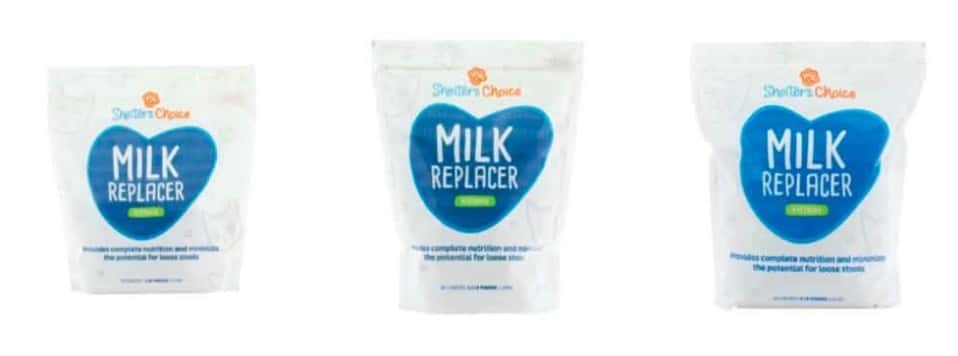
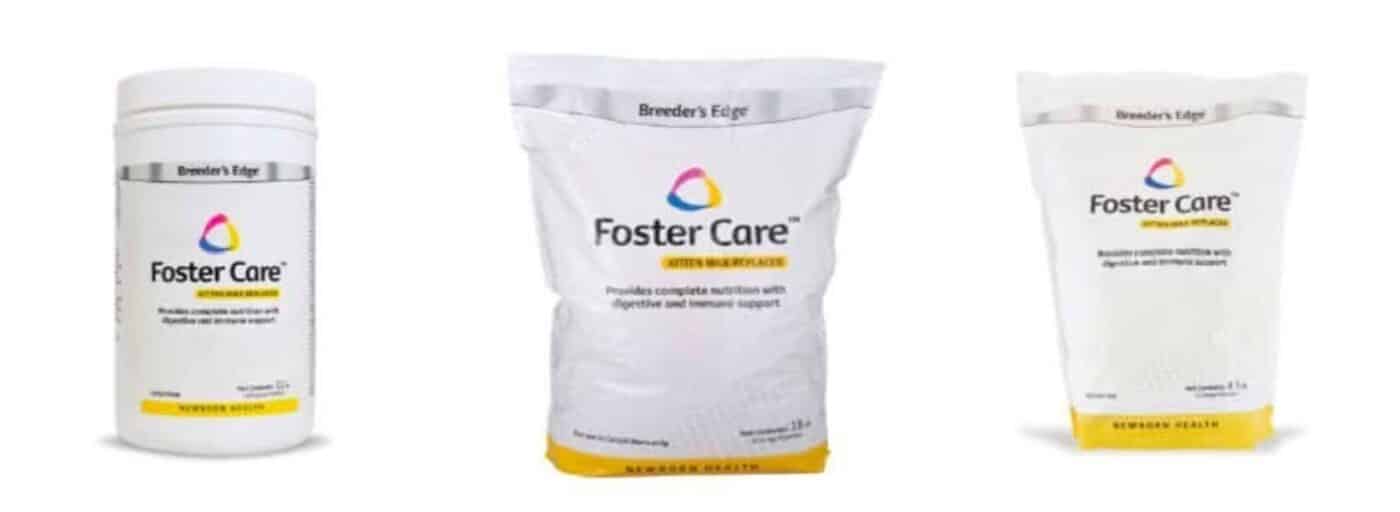
Kitten rescuers, foster parents, and shelter coordinators nationwide have been thrust into a state of heightened vigilance following a major safety notification regarding two widely used feline milk replacer formulas. The National Kitten Coalition (NKC) recently issued an urgent advisory alerting the animal rescue community to a voluntary recall involving Breeder’s Edge Foster Care Feline Milk Replacer and Shelter’s Choice Feline Milk Replacer, both manufactured and distributed by Revival Animal Health.
The underlying cause of this voluntary action stems from potential nutrient imbalances linked to a manufacturing issue at an unnamed third-party supplier. Because milk replacer serves as the absolute lifeline for orphaned, rejected, or fragile neonatal kittens during their most critical developmental windows, any disruption in nutritional integrity carries severe, potentially life-threatening implications.
Adding to the panic and logistical hurdles within the rescue community is an unusual procedural wrinkle: at the time these alerts were made public, a formal, synchronized recall notice had not yet been filed with the United States Food and Drug Administration (FDA). Consequently, vital granular data—such as specific product sizes, exact lot numbers, and designated "Best By" dates—has been slow to materialize through official regulatory channels. Instead, welfare advocates and prominent animal figures, such as Hannah Shaw (widely known as "The Kitten Lady"), have stepped into the information gap, disseminating UPC charts and manufacturer-confirmed details via social media and direct rescue networks.
This comprehensive report examines the timeline of the recall, the inherent dangers of nutrient imbalances in neonatal feline diets, actionable safety steps for caregivers, and the broader implications for the commercial pet supplement supply chain.
Detailed Chronology: How the Feline Formula Crisis Unfolded
The unfolding crisis surrounding Breeder’s Edge and Shelter’s Choice feline formulas does not exist in a vacuum. It represents a direct extension of a broader, systemic quality control breakdown originating upstream in the manufacturing process.
Phase 1: The Preceding Canine Recall
Weeks prior to the feline formula alert, Revival Animal Health initiated a voluntary recall targeting several of its canine milk replacer products. That initial action was triggered by the detection of variable and unreliable Vitamin D levels within the formulas. While vitamin toxicities or deficiencies are dangerous for dogs, the canine market features a wider array of transitional feeding options, and mature dogs possess more robust physiological buffering systems compared to neonatal cats.
However, animal health advocates immediately began questioning whether the manufacturing anomalies plaguing the canine lines might also affect the company’s extensive feline product catalog.
Phase 2: Direct Confirmation by the National Kitten Coalition
As whispers circulated through private rescue groups, the National Kitten Coalition initiated direct communications with Revival Animal Health to verify the safety and status of their feline offerings. Through these direct talks, Revival confirmed a voluntary recall impacting:
- Breeder’s Edge Foster Care Feline Milk Replacer
- Shelter’s Choice Feline Milk Replacer
Rather than waiting for a centralized bureaucratic rollout, the NKC chose to act preemptively. Recognizing that thousands of newborn litters arrive in shelters during peak "kitten season," the coalition released an immediate community-wide warning to prevent further exposure, even while vital tracking details remained incomplete.
Phase 3: The Gap in FDA Documentation
One of the most confounding aspects of this unfolding event is the absence of an official FDA recall announcement at the time of the initial warnings.
Typically, pet food and supplement recalls follow a predictable trajectory: a manufacturer discovers a defect, notifies the FDA, drafts a joint press release, and publishes lot numbers alongside UPC codes on the federal agency’s official animal recall database. In this instance, however, the voluntary action was communicated laterally—first verified through direct corporate dialogue with advocacy groups, then shared peer-to-peer across rescue networks.
Prominent welfare advocates like Hannah Shaw utilized their platforms to publish manufacturer-provided UPC charts and compatibility guides. While this decentralized grassroots communication undoubtedly saved countless kittens from ongoing exposure, it also left many independent foster parents confused, checking unlabelled containers, and questioning the legitimacy of the warnings due to the lack of an official federal docket number.
Supporting Context & Metrics: The Biological Vulnerability of Neonatal Kittens
To fully grasp why a nutritional imbalance in milk replacer triggers such an aggressive response from organizations like the National Kitten Coalition, one must understand the unique metabolic and physiological fragility of neonatal felines.
The Mathematics of Rapid Growth
A newborn kitten typically weighs between 85 and 120 grams at birth. Under optimal nutritional conditions, a healthy kitten should double its birth weight within its first seven to ten days of life, and continue a steady trajectory of rapid weight gain thereafter. This astronomical rate of cellular division, skeletal mineralization, and organ development requires a meticulously balanced matrix of macro- and micronutrients.
Unlike adult cats, which can tolerate minor dietary fluctuations or short-term nutritional deficiencies by drawing on bodily reserves, neonates have virtually zero metabolic margin for error. Their livers are immature, their immune systems are naive, and their skeletal structures are calcifying in real-time.
The Hazards of Nutrient Imbalances
When a milk replacer suffers from a manufacturing defect originating from a third-party supplier—whether that manifests as erratic vitamin concentrations, flawed protein-to-fat ratios, or mineral maldistributions—the physical consequences for a nursing kitten are swift and severe:
- Vitamin and Mineral Derangements: Deficiencies or excesses in critical micronutrients like calcium, phosphorus, and Vitamin D can lead to metabolic bone diseases, rubbery bones, neurological tremors, and catastrophic organ failure. Conversely, hypervitaminosis can cause soft tissue calcification and irreversible renal damage.
- Protein and Caloric Deficits: If the amino acid profile or caloric density of the formula falls below required thresholds, kittens experience failure to thrive. They burn through their limited brown fat stores just to maintain basal body temperature, leading rapidly to severe hypoglycemia, hypothermia, and death.
- Gastrointestinal Distress: Altered formulas frequently disrupt the delicate gastrointestinal microbiome of the neonatal gut. This manifests as intractable diarrhea, bloating, fading kitten syndrome, and systemic bacterial translocation (sepsis).
Official Statements and Industry Response
The handling of this voluntary recall has placed a spotlight on the communication channels between specialized animal product manufacturers, welfare coalitions, and regulatory bodies.
The National Kitten Coalition’s Stance
In its public service announcements, the NKC has maintained a tone of urgent pragmatism. The organization emphasizes that while Revival Animal Health confirmed the voluntary nature of the recall, the lack of immediate, comprehensive documentation from the company created an unnecessary information vacuum.
The Coalition stated:
"At the time of this announcement, formal recall documentation has not yet been finalized or posted through standard regulatory channels. However, direct verification with the manufacturer confirms that Breeder’s Edge Foster Care Feline Milk Replacer and Shelter’s Choice Feline Milk Replacer are subject to voluntary action due to supplier-side nutrient imbalances."
The NKC has continually urged patience from the rescue community while simultaneously demanding that Revival Animal Health expedite the release of specific lot numbers, manufacturing plant codes, and expiration dates.
The Manufacturer’s Burden of Responsibility
Revival Animal Health, a prominent supplier of specialized breeding and rescue products, faces mounting pressure to transparently outline how the third-party manufacturing failure occurred. In modern pet supplement supply chains, reliance on contract manufacturers (co-packers) is widespread. However, this decentralized production model introduces inherent vulnerabilities. When a third-party supplier alters a raw ingredient batch or experiences quality assurance lapses, downstream distributors like Revival are left managing the fallout of products sold under their proprietary brand names.
Industry watchdogs are calling for increased traceability mandates to ensure that when supplier anomalies occur, animal welfare organizations receive immediate, unified alerts rather than relying on word-of-mouth social media distribution.
Actionable Guidance for Kitten Caregivers and Rescuers
For individuals currently knee-deep in bottle-feeding season, navigating this unverified-yet-confirmed recall requires immediate, methodical action. The National Kitten Coalition, alongside feline specialists like Hannah Shaw, has outlined clear protocols for anyone housing nursing or weaning kittens.
1. Audit Your Current Inventory
Caregivers should immediately inspect all cans, tubs, or bags of Breeder’s Edge Foster Care Feline Milk Replacer and Shelter’s Choice Feline Milk Replacer currently in their possession. Compare the Universal Product Codes (UPCs) and packaging labels against the reference charts shared by verified rescue networks and the manufacturer’s emerging documentation.
2. Do Not Abruptly Cease Feedings
A critical warning issued by veterinary professionals is that caregivers must never abruptly stop feeding a dependent kitten milk replacer simply because of a recall notice. Neonatal kittens will succumb to dehydration, starvation, and hypoglycemia within hours if left without nourishment.
Instead, if you possess an affected batch of formula, you must safely transition the kittens to a reputable, unaffected alternative milk replacer brand.
- Transitioning Protocol: Mix small amounts of the new formula with diminishing quantities of the old formula over 24 to 48 hours, provided the kittens are not already exhibiting signs of acute illness. If severe gastrointestinal symptoms are already present, consult a veterinarian immediately regarding an emergency diet switch.
3. Monitor for Clinical Signs of Nutritional Deficiencies
Caregivers should maintain round-the-clock observation of any litter that has consumed the recalled formulas over the past several weeks. Key red flags include:
- Stagnant or Negative Weight Gain: Failure to gain weight day-over-day, or actual weight loss.
- Generalized Lethargy and Weakness: Inability to right themselves, lack of a vigorous suckling reflex, or unresponsiveness to stimulation.
- Locomotor Abnormalities: Stiff gait, reluctance to stand, tremors, or skeletal deformities.
- Persistent Digestive Upset: Watery diarrhea, severe gas, or colic-like crying during or after feeding.
4. Consult a Veterinarian Promptly
If any kitten in your care exhibits the symptoms listed above—or if you know they have consumed substantial quantities of the recalled formula—contact your veterinarian or an emergency animal hospital immediately. Diagnostic bloodwork, electrolyte panels, and bone density evaluations may be necessary to reverse subclinical deficiencies before they become permanent.
Future Outlook: What Lies Ahead for the Pet Supplement Supply Chain
As the animal rescue community awaits the official publication of lot numbers and expiration dates by Revival Animal Health and the FDA, this incident serves as a watershed moment for the specialized pet care industry.
The Need for Proactive Regulatory Reform
The lag time between private corporate admissions and public federal notifications highlights a glaring vulnerability in consumer protection laws governing animal feeds and milk replacers. Unlike human infant formula, which is subject to hyper-rigorous pre-market testing and instantaneous mandatory federal recalls, pet milk replacers often occupy a nebulous regulatory space. Advocates are increasingly pushing for stricter federal oversight, mandatory third-party supplier audits, and standardized rapid-alert systems for animal supplement distributors.
Rebuilding Trust in Rescue Supplies
For brands like Revival Animal Health, regaining the absolute trust of the foster and rescue community will require total transparency, swift financial restitution or product replacement, and clear disclosures regarding how they intend to audit their third-party supply chain moving forward.
Until comprehensive data sheets are officially released, the golden rule for kitten caregivers remains absolute vigilance: cross-reference your supplies, monitor your litters’ developmental metrics with obsessive precision, and maintain open lines of communication with your veterinary partners. In the fragile world of neonatal rescue, proactive caution is the ultimate life-saving tool.