
Executive Overview
Raising a future service dog is frequently romanticized as a heartwarming endeavor defined by puppy cuddles, playful romps in the park, and the quiet satisfaction of public altruism. In reality, stepping into the role of a volunteer puppy raiser is an intensive, demanding, and emotionally complex undertaking. It is a crucible of consistency, patience, and profound personal sacrifice that requires reshaping one’s daily existence to accommodate the needs of a working animal in training.
Typically entering a volunteer’s home at approximately eight weeks of age, these young dogs represent the vital foundation of independence for individuals with physical, neurological, or visual impairments. Yet, before these canines can transform into specialized medical alert animals, guide dogs, or mobility assistance partners, they must navigate the rigorous waters of early puppyhood development.
This journey is not merely about teaching a dog to sit or stay; it is an around-the-clock exercise in behavioral shaping, real-world socialization, and environmental desensitization. For prospective volunteers considering partnership with organizations like Dogs Inc, understanding the unvarnished realities of the puppy-raising lifecycle is essential. While the emotional and societal dividends are immeasurable, the day-to-day hurdles—ranging from relentless scheduling to the inevitable heartbreak of letting go—demand an unyielding commitment.
Detailed Chronology: The Journey of a Puppy Raiser
The trajectory of raising a working dog follows a distinct, highly structured timeline. From the moment an eight-week-old puppy crosses a volunteer’s threshold to the bittersweet day they return for advanced professional training, every phase is calculated to foster confidence, stability, and obedience.
Phase One: Arrival and the Foundation of House Manners (Weeks 8–16)
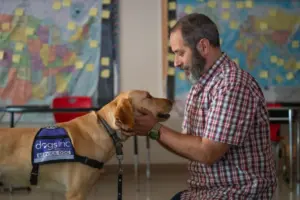
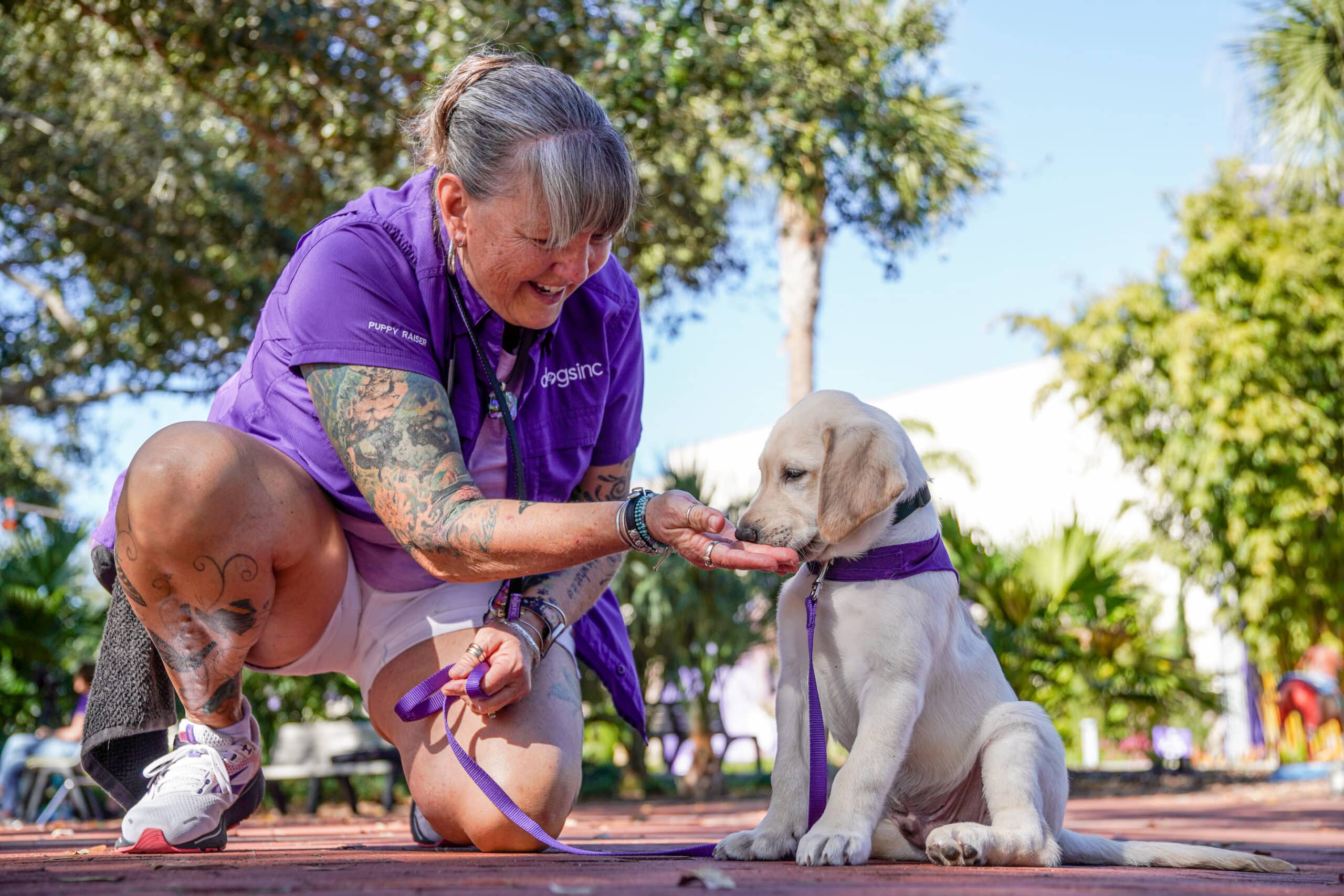
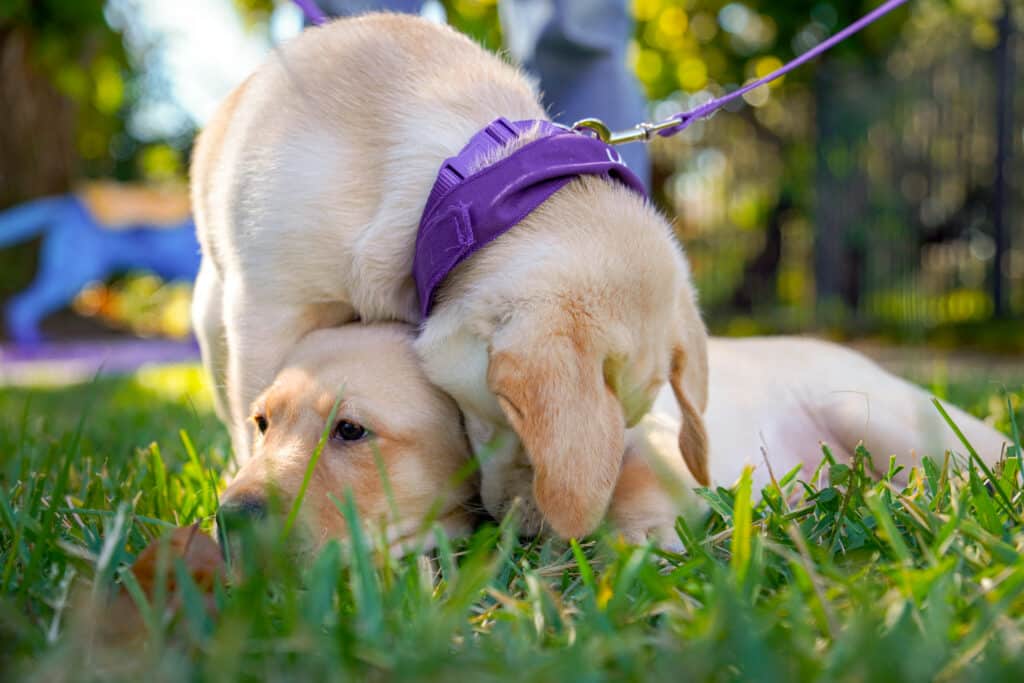
The journey begins the moment the puppy arrives at the volunteer’s home. At this tender age, the primary objectives are establishing basic house manners, introducing household routines, and initiating foundational obedience cues like sit, stay, and coming when called. During these early weeks, the home becomes a primary training ground. Crate training is introduced not just as a management tool, but as a sanctuary for rest and self-regulation.
Volunteers must navigate the exhausting realities of sleepless nights, frequent housebreaking intervals, and endless redirection. Every interaction—feeding, playing, and resting—serves as a learning opportunity. The goal is to build an unbreakable bond of trust while firmly embedding household boundaries.
Phase Two: Public Access and Real-World Socialization (Months 4–12)
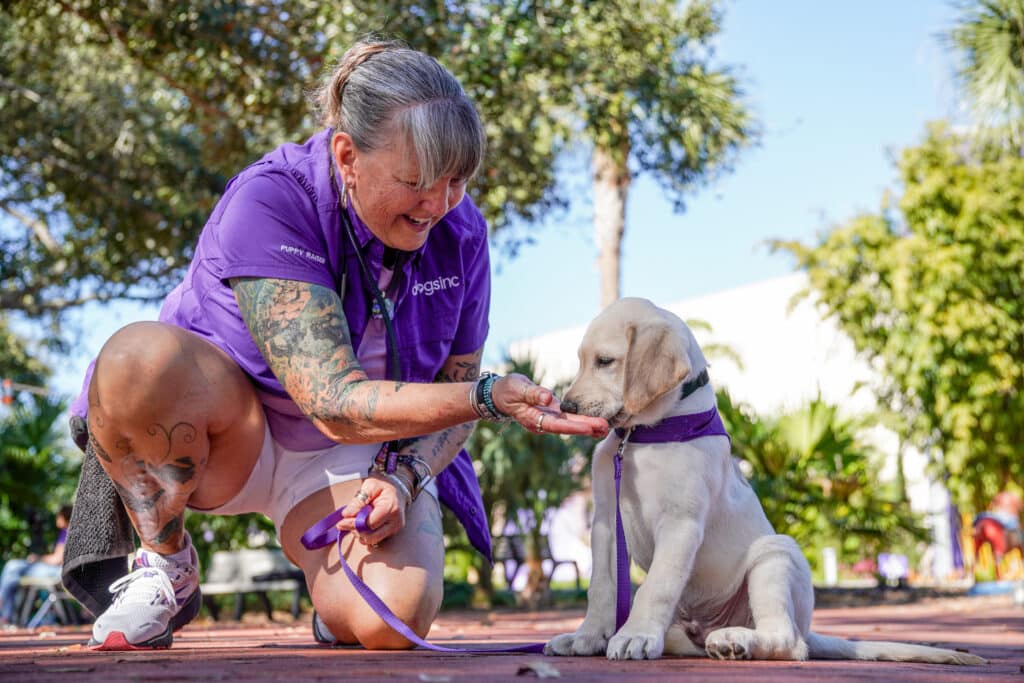
As the puppy matures, the scope of training expands dramatically beyond the domestic sphere. Volunteer puppy raisers are tasked with introducing their charges to the unpredictable cadence of the outside world. This involves deliberate, systematic exposure to grocery stores, restaurants, bustling public parks, and public transportation networks.
The challenges during this phase multiply exponentially. Puppies must learn to maintain focus amidst sensory overloads: the hum of fluorescent lights, the clatter of dropped trays in eateries, the sudden movement of skateboards, and the presence of other animals. Furthermore, raisers must master the delicate art of managing public interactions, politely deflecting well-meaning strangers who wish to pet or distract a service dog in training.
Phase Three: Behavioral Refinement and Adolescence (Months 12–18)
Much like human teenagers, service dogs in training hit an adolescent phase characterized by testing boundaries, selective listening, and unpredictable regressions in behavior. Progress during this period is rarely linear. A dog that walked on a loose leash flawlessly last week may suddenly pull toward a distraction or react to a novel environmental stimulus.
It is during this critical window that the patience of the volunteer is tested to its limits. Raisers must rely heavily on consistency, positive reinforcement, and guidance from organizational instructors. The focus shifts toward solidifying impulse control and ensuring that the dog can reliably execute cues regardless of environmental pressure.
Phase Four: Transition and Formal Evaluation (The Final Return)
The culmination of the puppy-raising journey arrives when the dog reaches maturity, typically between 12 and 18 months of age. The dog is recalled by the service dog organization to enter formal, advanced professional training. This phase marks the end of the volunteer’s daily hands-on involvement and the beginning of the dog’s specialized career matching with a recipient in need.
Supporting Context & Metrics: The Anatomy of a Commitment
To truly grasp what it means to be a puppy raiser, one must look closely at the logistical and psychological metrics that define the role. Raising a future service dog is not a casual hobby; it is a lifestyle integration.
The Daily Time Investment
Unlike a pet dog, which may enjoy unstructured downtime, a service dog in training is "on duty" even during leisure hours. Metrics from service dog organizations indicate that volunteers dedicate several hours a day strictly to structured training sessions, socialization outings, exercise, and grooming. Schedules are meticulously planned around the puppy’s biological clock, incorporating designated periods for mental stimulation, physical exhaustion, and enforced rest via crating.
The Household Synchronization Matrix
One of the most understated hurdles in puppy raising is the requirement for absolute household alignment. For a training protocol to succeed, every member of the family—from spouses to young children—must enforce identical rules and use the exact same cues.
- Consistency Across Handlers: If one family member allows the puppy on the furniture while another strictly forbids it, the dog becomes confused, leading to regressions in house manners.
- Environmental Vigilance: The home environment must be permanently altered. Shoes, children’s toys, food items, and hazardous substances must be kept out of reach at all times to prevent destructive chewing or accidental ingestion.
Financial and Medical Logistics
While major service dog organizations typically absorb or subsidize veterinary care, specialized medical expenses, and formal equipment, the auxiliary costs still fall upon the raiser. High-quality nutritional diets, flea and tick preventatives, specialized training treats, and travel expenses for mandatory meetings accumulate over the course of a year. Moreover, the hidden cost of time—such as rearranging work hours to attend obedience classes or public access tests—requires significant flexibility.
Official Statements and Expert Perspectives
Experts within the assistance dog industry emphasize that the success of a working dog depends almost entirely on the quality of its early socialization and the dedication of its volunteer raisers.
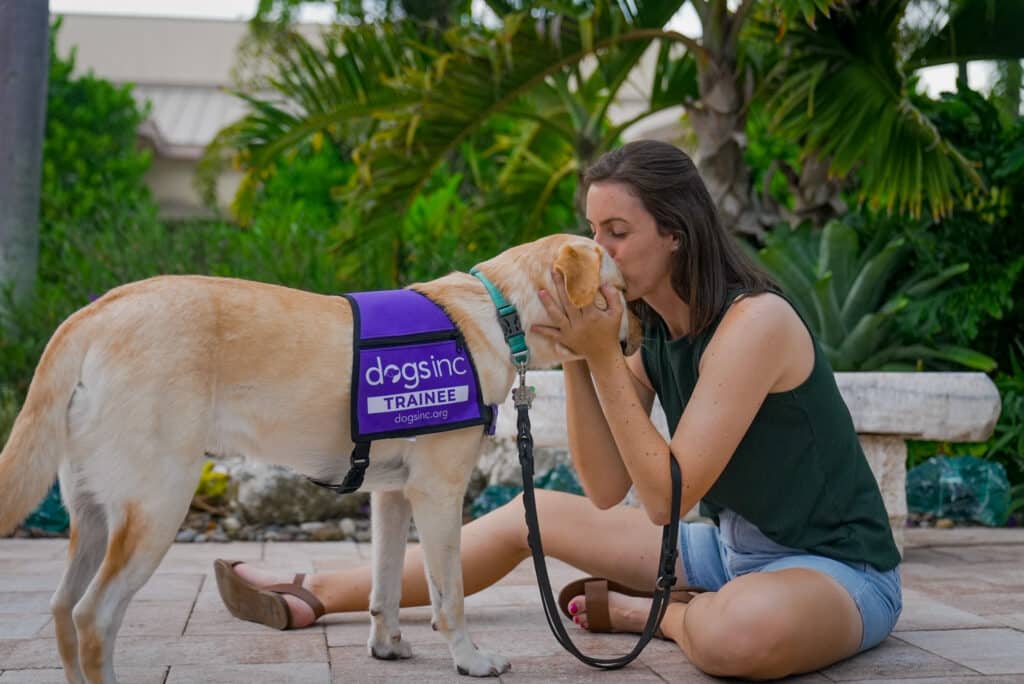
"You are not just teaching a dog how to walk on a leash or sit on command," explains a senior training coordinator from a leading service dog institution. "You are engineering confidence. The world can be a loud, scary, and unpredictable place for a dog. A puppy raiser acts as a secure base, teaching that young animal how to process stress, recover quickly from surprises, and move through society with unshakeable poise. Without that foundational year of deliberate socialization, advanced training cannot succeed."
Behavioral specialists also highlight the crucial balance between structure and compassion during the raising period.
"Progress with a young working dog is rarely a straight upward trajectory," notes an institutional staff trainer. "There will be days of breakthrough, followed immediately by days of heartbreaking regression. The raisers who succeed are those who understand that consistency is a marathon, not a sprint. They learn to celebrate the micro-victories—a quiet pass by a barking dog, a calm stance in a crowded elevator—knowing that every small repetition is building a future lifeline for someone in need."
Administrators stress that support systems are intentionally built into reputable programs to prevent volunteer burnout. Through regular check-ins with area coordinators, mentorship from veteran raisers, and access to temporary respite care (such as designated puppy sitters), organizations strive to ensure that volunteers never feel entirely alone in their duties.
Future Outlook: The Ripple Effect of Volunteerism
The demand for fully trained service dogs—whether they are guide dogs for the visually impaired, mobility assistance dogs for individuals with physical disabilities, or facility dogs supporting first responders—far outstrips the current supply. As the accessibility needs of our communities grow more visible and recognized, the bottleneck in the service dog pipeline remains early-stage puppy development.
Looking forward, the future of the service dog industry relies heavily on expanding the pool of dedicated volunteer puppy raisers. Organizations are continually refining their support frameworks, utilizing digital tracking tools for training logs, and fostering tight-knit local communities to make the volunteer experience more sustainable.
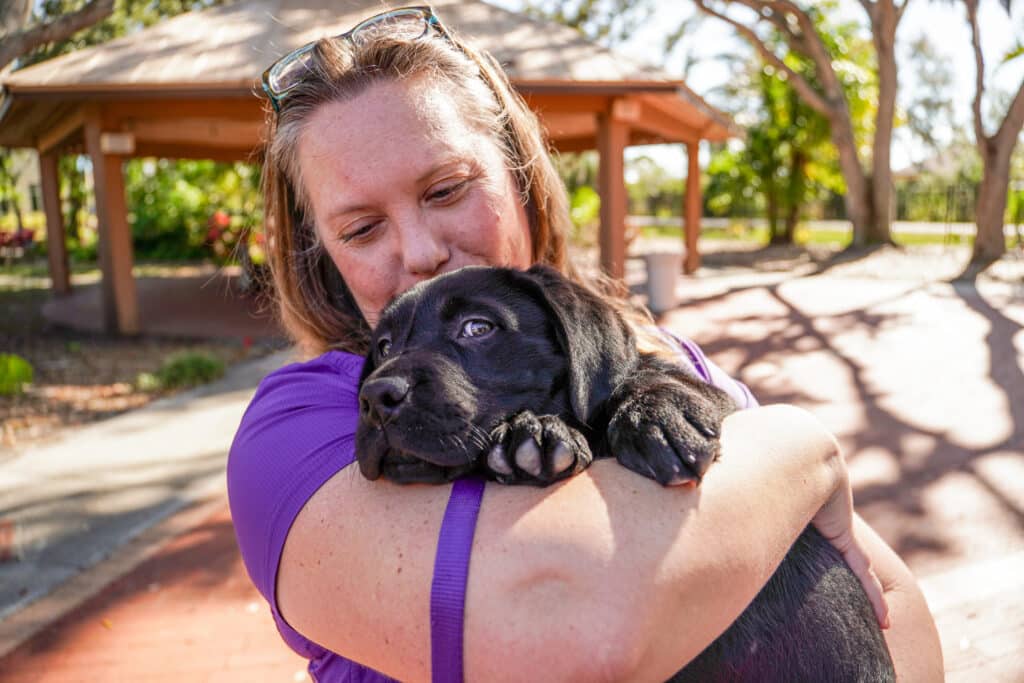
For those who weigh the challenges—the relentless consistency, the real-world navigation hurdles, the logistical time commitment, and the profound emotional weight of saying goodbye—the decision to raise a puppy transcends personal sacrifice. It is an investment in human dignity and independence. When a volunteer watches their former puppy graduate into a confident, life-changing working dog, the temporary hardships dissolve into a lasting legacy of impact.