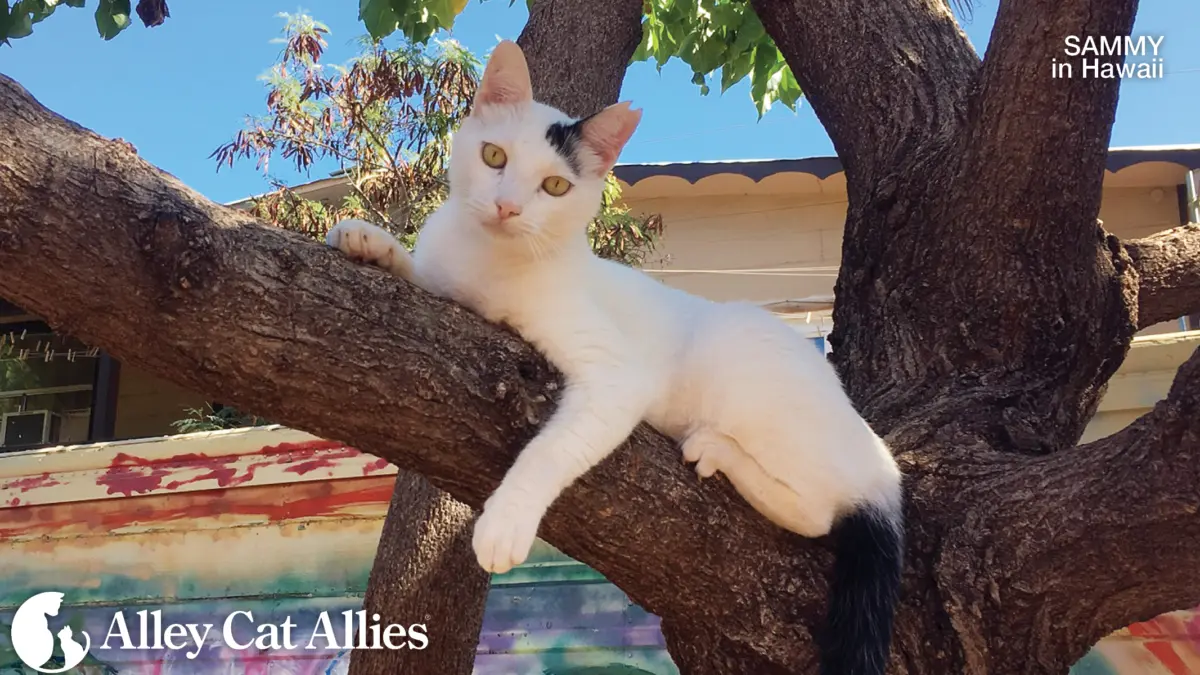

In an escalating battle over animal welfare and conservation policy in the Pacific, international advocacy giant Alley Cat Allies has launched a formal, multi-pronged opposition campaign against newly proposed amendments to Hawaii Administrative Rule (HAR) Chapter 13-124. The controversial regulatory changes, introduced by the Hawaii Department of Land and Natural Resources (DLNR), threaten to upend decades of progressive community cat management by prioritizing lethal control measures over humane alternatives.
At the heart of the dispute is the department’s attempt to enforce a sweeping, one-size-fits-all ban across all DLNR-managed lands. Under the proposed framework, unsterilized or unrestrained domestic animals—a category that explicitly ensnares community, or feral, cats—could be legally impounded or destroyed. Furthermore, the amendments effectively criminalize the core tenets of Trap-Neuter-Return (TNR) by banning the feeding of outdoor cats on state-managed properties.
Alley Cat Allies, joined by a coalition of local advocates, veterinarians, and animal welfare organizations, argues that the proposed rules not only inflict unwarranted cruelty upon vulnerable animals but also drastically overstep the legal authority delegated to the DLNR by the Hawaii State Legislature. Legal analysts and animal rights advocates point out that the rules bypass established democratic channels—particularly after the legislature declined to pass similar restrictive measures via House Bill 1987 in 2022.
Beyond the legal overreach, critics emphasize that the policy fundamentally misdiagnoses the root causes of native species decline in Hawaii. While the DLNR frames the removal of community cats as a vital conservation imperative for indigenous, threatened, and endangered wildlife, scientific consensus increasingly points to habitat destruction, human development, and climate change as the primary drivers of biodiversity loss. By scapegoating outdoor cats and relying on archaic, scientifically discredited lethal removal strategies, the state risks alienating community stakeholders while failing to achieve meaningful ecological preservation.
Detailed Chronology: The Road to Regulatory Conflict
The collision course between Hawaii’s environmental regulators and animal welfare advocates has unfolded over several years, marked by legislative battles, shifting administrative priorities, and mounting community tensions.
The Legislative Precedent: 2022 and House Bill 1987
The friction over cat management on state lands is not a sudden development. In 2022, the complex interplay between island conservation and feline welfare reached the floor of the Hawaii State Legislature via House Bill 1987. The bill sought to address animal management policies across public lands, igniting intense debate among conservationists, hunters, bird enthusiasts, and animal advocates.
Ultimately, the legislature chose not to pass HB 1987. In the American legislative system, a bill’s failure to pass signifies that lawmakers recognized the issue’s complexity, high controversy, and lack of consensus. However, rather than letting the matter rest or returning to the legislative process for a mandate, the DLNR’s recent rollout of HAR Chapter 13-124 amendments attempts to enact similar restrictive policies through executive rulemaking. This maneuver has triggered profound separation-of-powers concerns, as state agencies are constitutionally bound to implement existing statutes rather than legislate from within administrative offices.
The Formulation and Public Unveiling of HAR Chapter 13-124
In mid-2026, the DLNR advanced proposed amendments to Hawaii Administrative Rule Chapter 13-124. While ostensibly styled as a measure to protect indigenous, threatened, and endangered wildlife, the text contained sweeping provisions targeting domestic animals.
Specifically, the draft regulations empowered the department to "impound or destroy domestic animals that are not crated, caged, contained, or leashed." For community cats—who live outdoors and cannot be leashed or caged in a traditional sense—this clause acts as a death warrant, greenlighting mass lethal removal. Additionally, prohibitions against feeding animals on DLNR-managed lands were woven into the text, directly threatening the operational viability of TNR colonies operating near or on state property.
The Public Hearing and Formal Opposition
Upon the public release of the draft amendments, Alley Cat Allies mobilized its vast network of supporters and legal experts. Representatives attended the remote public hearings hosted by the state, registering fierce opposition. On August 26, 2026, the organization formally published its comprehensive testimony, dismantling the legal, ethical, and scientific justifications presented by the DLNR.
The organization’s formal submission marked the opening salvo in what is expected to be a prolonged legal and political showdown. As the public comment window progresses, pressure is mounting on the DLNR to withdraw the amendments entirely and return to the drawing board in collaboration with community stakeholders.
Supporting Context & Metrics: Science, Law, and Community Realities
To fully understand the gravity of the dispute over HAR Chapter 13-124, one must examine the legal framework governing state agencies, the scientific data surrounding biodiversity loss, and the proven efficacy of Trap-Neuter-Return.
Legal Overreach and Statutory Limits
Under Hawaii Revised Statute (HRS) § 195D-6, the DLNR is granted the authority to adopt administrative rules pursuant to Chapter 91 to carry out the purposes of Chapter 195D. However, this power is strictly tethered to statutory bounds.
The legislature explicitly defined terms like "take" in HRS § 195D-2 to apply exclusively to endangered and threatened species, pointedly excluding indigenous species from that specific statutory definition. By attempting to expand the reach of concepts like "take," "harm," and "harass" to cover indigenous wildlife through administrative fiat, the DLNR has committed a substantive expansion of the law. Administrative rules that exceed statutory authority are legally invalid.
Furthermore, the proposed rules sit in direct conflict with Hawaii’s robust animal cruelty statutes. HRS § 711-1108.5 explicitly prohibits intentionally, knowingly, or recklessly causing an animal’s death or physical harm, or subjecting an animal to cruel neglect. By mandating or permitting the lethal removal of cats and cutting off their access to sustenance, the DLNR places itself in direct violation of state anti-cruelty mandates.
The Ecological Reality: Habitat Loss vs. Feline Predation
A central pillar of the DLNR’s argument is that lethal control of cats is necessary to save Hawaii’s native bird and animal populations. However, mainstream conservation science presents a far more nuanced picture.
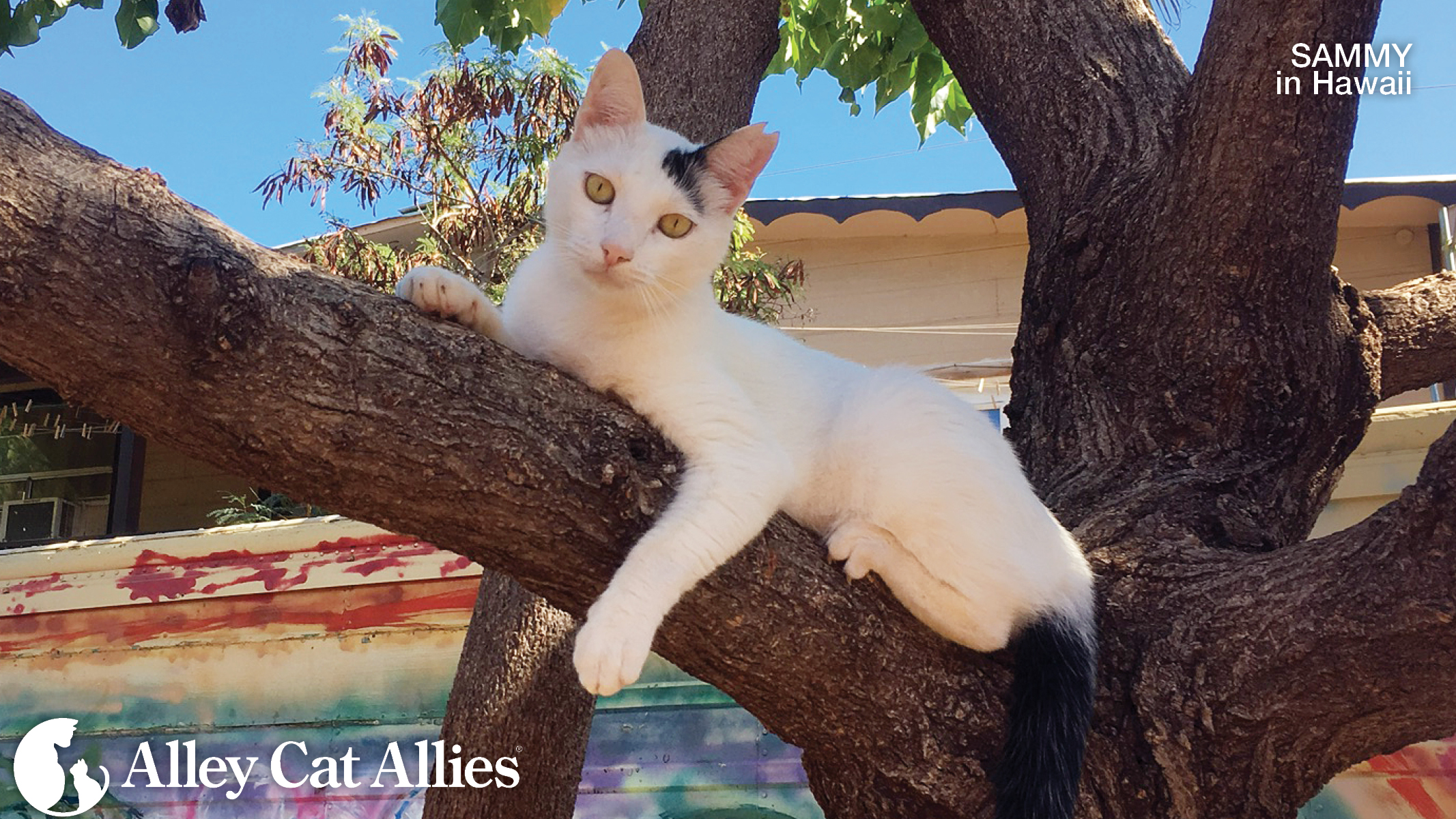
Renowned scientific bodies and conservation groups—including the American Bird Conservancy—concede that habitat loss is the single largest threat to bird populations globally and locally. In the unique ecosystem of Hawaii, centuries of intensive human development, urban expansion, deforestation, invasive plant species, and climate-induced weather events have systematically dismantled native habitats.
Focusing regulatory energy on community cats offers an emotional scapegoat while leaving the true drivers of extinction unaddressed. True conservation policy in Hawaii must prioritize habitat restoration, invasive predator management via comprehensive ecological planning, and climate resilience rather than indiscriminate feline eradication.
The Power of Trap-Neuter-Return (TNR)
For decades, public health officials, animal behaviorists, and humane organizations have championed Trap-Neuter-Return as the gold standard for community cat management. Under a TNR protocol:
- Trapping: Cats are humanely captured using specialized equipment.
- Neutering: Animals are altered by licensed veterinarians, ending the breeding cycle.
- Vaccination: Cats receive vital immunizations against rabies and other diseases, protecting both feline and human populations.
- Identification: An eartip is applied as a universal sign that the cat is sterilized and vaccinated.
- Return: The cats are returned to their familiar outdoor homes.
Published scientific studies consistently demonstrate that TNR stabilizes populations over time, eliminates the nuisance behaviors associated with unsterilized cats (such as loud yowling, territorial fighting, and spraying), and gradually reduces the overall number of free-roaming felines through attrition. By banning feeding on state lands, the DLNR’s proposed rules would starve existing colonies, disrupting TNR programs and creating a humanitarian crisis.
Official Statements & Organizational Perspectives
The ideological divide between the state’s environmental guardians and international animal advocates is starkly visible in their respective public postures.
Alley Cat Allies: A Call for Compassion and Lawfulness
In its official testimony, Alley Cat Allies underscored its decades-long commitment to bridging the gap between wildlife protection and humane cat care. Founded in 1990, the organization has consistently advocated for evidence-based, non-lethal solutions.
"The destruction of one species to save another is morally indefensible, especially when species loss and the solutions to it are primarily due to human development," the organization stated in its formal address to the DLNR.
Alley Cat Allies emphasized that the proposed amendments are fatally flawed not only morally and scientifically, but also constitutionally. By utilizing vague terminology and imposing a blanket ban without site-specific environmental analysis, the rules violate basic principles of due process and administrative law.
"All DLNR lands do not support the same native species or face the same threats," the testimony noted. "A prohibition that applies everywhere without regard to local conditions is arbitrary. Site-specific analysis is necessary to tailor any proposed action to the circumstances of each location."
The Department of Land and Natural Resources (DLNR) Perspective
From the perspective of the DLNR, the agency views its mandate through the lens of strict environmental stewardship. Tasked with protecting Hawaii’s fragile, isolated ecosystems—which host a high concentration of endemic species found nowhere else on Earth—the department faces immense pressure from conservationists who view free-roaming cats as an existential threat to ground-nesting native birds.
The DLNR has historically maintained that aggressive management of non-native predators is essential to prevent permanent ecological collapse. However, critics argue that the agency is bypassing collaborative, multi-stakeholder dialogue in favor of blunt administrative force that ignores modern veterinary science and community standards of animal care.
Future Outlook: What Lies Ahead for Hawaii’s Community Cats
As the debate over HAR Chapter 13-124 intensifies, the coming months will prove critical in determining the trajectory of animal welfare and conservation law in Hawaii.
Legal Challenges and Administrative Hurdles
Should the DLNR push forward and adopt the amendments in their current form, legal challenges appear all but certain. Animal rights attorneys and civil liberties groups are primed to file lawsuits challenging the rules on multiple fronts:
- Ultra Vires Action: Arguing that the DLNR exceeded its statutory authority by expanding definitions established by the legislature.
- Statutory Conflict: Demonstrating that the rules violate Hawaii’s animal cruelty laws (HRS § 711-1108.5).
- Constitutional Vagueness: Asserting that the lack of clear enforcement standards and broad, undefined terminology violates due process rights.
The Path Toward Collaborative Conservation
Industry experts suggest that the most viable path forward requires abandoning the polarizing "us versus them" mentality that pits animal lovers against conservationists. True environmental health in Hawaii cannot be achieved by sacrificing ethical standards, nor can native wildlife be protected by ignoring the root causes of ecological degradation.
Stakeholders are urging the DLNR to withdraw the proposed amendments in their entirety and establish a joint task force comprising wildlife biologists, conservationists, animal welfare organizations, veterinarians, and community cat caregivers. By investing in site-specific scientific studies, expanding targeted TNR programs, and focusing state resources on habitat restoration and climate resilience, Hawaii can forge a path that honors both its unique natural heritage and its commitment to humane treatment.
Until then, organizations like Alley Cat Allies and their 1.8 million supporters worldwide remain mobilized, watching closely and preparing to defend the lives of cats and the integrity of the democratic process across the Hawaiian islands.