The bi-annual proceedings of the Association of American Feed Control Officials (AAFCO), held in San Diego, California, exposed deep systemic challenges within the regulatory framework governing animal feed and pet food across the United States. Although AAFCO itself is a private advisory organization rather than a direct enforcement agency, its membership consists of state and federal regulatory officials—including representatives from the U.S. Food and Drug Administration (FDA). The model laws, ingredient definitions, and labeling standards drafted by AAFCO serve as the foundational template for state-level feed legislation nationwide.
The recent proceedings underscored growing friction between regulatory mandates, commercial manufacturing realities, and consumer rights advocates. Key discussions across multiple committees revealed critical vulnerabilities in ingredient standardization—specifically regarding the minimum ash threshold that differentiates low-grade rendered meat and bone meal from higher-tiered meat meals. Furthermore, the meeting highlighted compounding delays in implementing the long-promised Pet Food Label Modernization (PFLM) guidelines, growing legal exposure over deceptive packaging graphics, and an ongoing regulatory void concerning standardized nutritional profiles for senior pets.
As the pet food industry faces heightened legal scrutiny and increasing demand for supply-chain transparency, the San Diego discussions demonstrate how procedural bottlenecks and technical disputes continue to defer meaningful oversight reform.
Detailed Chronology: Key Sessions and Regulatory Debates
The Ingredient Definitions Committee: The Ash Threshold and Rendered Quality
A primary debate within the Ingredient Definitions Committee centered on the formal definition of rendered animal protein, specifically official item 9.41 Meat and Bone Meal (MBM). The core of the controversy involved a proposal regarding the mandatory minimum ash content sentence within the definition text:
"9.41 Meat and Bone Meal is the rendered product from mammal tissues, including bones, exclusive of any added blood, hair, hoof, horn, hide trimmings, manure, stomach and rumen contents, except in such amounts as may occur unavoidably in good processing practices. It shall not contain extraneous materials not provided for in this definition. It is a source of protein in animal diets. The total ash content for the product should contain a minimum of 28% ash. It shall not contain more than 12% pepsin indigestible residue and not more than 9% of the crude protein in the product shall be pepsin indigestible. The label shall include guarantees for minimum crude protein, minimum crude fat, minimum Phosphorus (P) and minimum and maximum Calcium (Ca)…"
Committee members debated whether to remove or retain the 28% minimum ash content requirement. Industry participants noted that the primary technical distinction between Meat and Bone Meal and Meat Meal lies within this ash metric, which reflects the ratio of bone to soft tissue in the rendering vat.
Advocates for retaining the threshold pointed out that striking the ash minimum would allow ingredient suppliers to misclassify low-quality Meat and Bone Meal as higher-value Meat Meal. Crucially, the regulatory wording "exclusive of any added blood, hair, hoof, horn… manure" permits the inclusion of non-added extraneous material inherent to whole animal carcasses processed during rendering—including diseased, dying, or dead animals (often referred to in agricultural processing as 4D livestock).
Historically, rendered ingredients have presented severe food safety risks. Prior FDA Center for Veterinary Medicine (CVM) investigations established a direct correlation between rendered or hydrolyzed proteins and the presence of pentobarbital—a powerful euthanasia chemical agent. The FDA explicitly confirmed that ingredients such as Meat and Bone Meal (MBM), Beef and Bone Meal (BBM), Animal Fat (AF), and Animal Digest (AD) originate from rendered animal sources that can include euthanized animals.
The committee’s open discussion revealed that regulatory definitions prioritize chemical composition thresholds—such as ash percentage—over raw material sourcing, leaving consumers vulnerable to deceptive ingredient naming.
       RAW MATERIAL INPUTS                    PROCESSING                      FINAL INGREDIENT
+-------------------------------+      +----------------------+      +---------------------------------+
| Whole Carcasses (4D Livestock)| ---> | Rendering & Thermal  | ---> | Meat & Bone Meal (Definition 9.41)|
| Incidental Hair, Hoof, Manure |      | Processing           |      | Min. 28% Ash Threshold          |
+-------------------------------+      +----------------------+      +---------------------------------+
                                                                                    |
                                                                                    v
                                                                     [Pentobarbital Contamination Risk]
The Current Issues & Outreach Committee: Label Modernization and Testing Bottlenecks
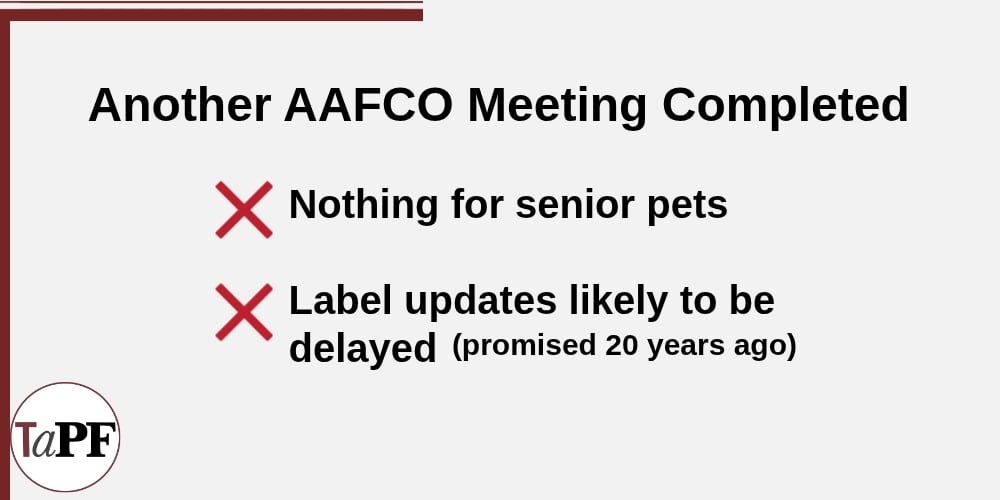
The Current Issues and Outreach Committee addressed broader administrative developments, including unarticulated consumer education initiatives slated for late 2026 and early 2027. However, the session’s primary focus shifted to technical friction surrounding AAFCO’s Pet Food Label Modernization (PFLM) program—specifically the mandatory disclosure of total dietary fiber percentages.
The historical trajectory of PFLM spans nearly two decades:
2007 Mandate: Congress passed the Ensuring the Safety of Pet Food provisions under the FDA Amendments Act, instructing the FDA to modernize pet food labeling and nutritional disclosures within two years (September 2009).
Regulatory Transfer: The FDA delegated the technical development of these labeling frameworks to AAFCO.
2023 Approval: AAFCO finalized the modernized label guidelines in July 2023.
Implementation Target: A official implementation grace period was established, targeting complete enforcement by 2030.
During the committee proceedings, industry representatives highlighted widespread testing limitations regarding dietary fiber assays. Commercial testing laboratories currently lack standardized, reliable methodology to accurately measure dietary fiber in wet matrices—such as canned wet foods, fresh cooked diets, and raw commercial formulations.
Industry representatives raised questions about whether the dietary fiber requirement could be delayed or amended. Consumer safety observers noted that introducing laboratory testing hurdles at this stage provides commercial entities with leverage to lobby for further extensions beyond the existing 2030 implementation deadline.
The Pet Food Committee: State Disparity, Export Friction, and Legal Exposures
The Pet Food Committee addressed systemic implementation barriers facing PFLM across various legal jurisdictions. Because AAFCO lacks statutory authority, each state’s Department of Agriculture must independently incorporate AAFCO model laws into its local legal code. Several state legislatures have expressed hesitation regarding the administrative cost and complexity of adopting the updated labeling framework.
Concurrently, international export friction has emerged. Commercial pet food manufacturers operating globally warned that the PFLM label format conflicts with regulatory packaging standards in major foreign import markets, threatening export compliance for U.S.-based manufacturers.
+-----------------------------------------------------------------------------------+
|                        PFLM IMPLEMENTATION ROADBLOCKS                             |
+-----------------------------------------------------------------------------------+
                                          |
      +-----------------------------------+-----------------------------------+
      |                                   |                                   |
      v                                   v                                   v
+--------------------------+  +--------------------------+  +--------------------------+
| STATE-LEVEL ADOPTION     |  | INTERNATIONAL TRADE      |  | ANALYTICAL TESTING       |
| FRAGMENTATION            |  | INCOMPATIBILITY          |  | LIMITATIONS              |
+--------------------------+  +--------------------------+  +--------------------------+
| Inconsistent state       |  | Non-alignment with       |  | Reliable dietary fiber   |
| legislative timelines    |  | foreign import label     |  | assays lacking for high- |
| and regulatory reluctance|  | format regulations       |  | moisture formulations    |
+--------------------------+  +--------------------------+  +--------------------------+
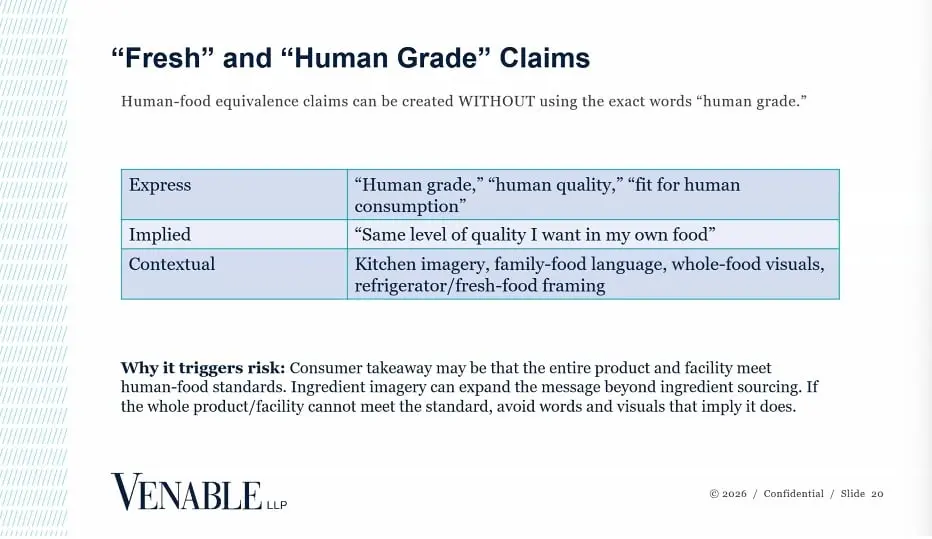
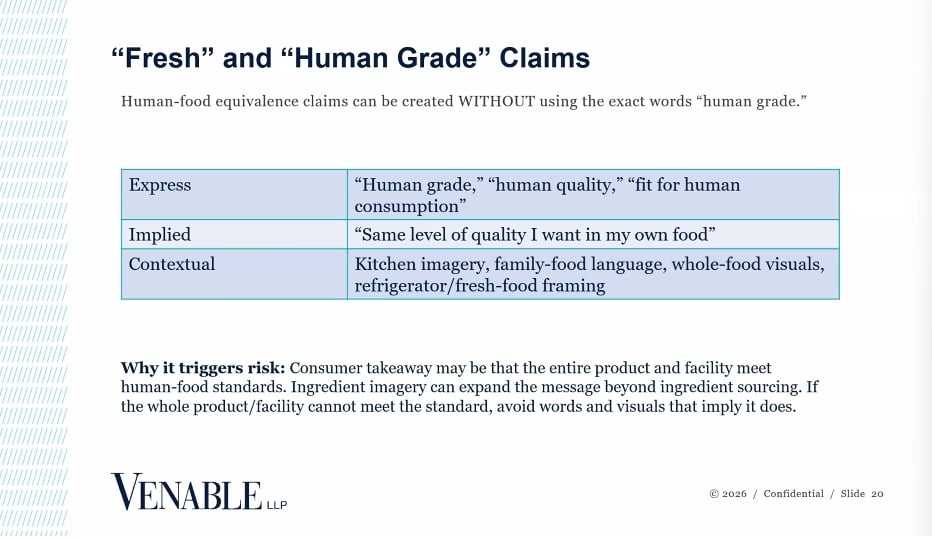
The committee hosted a keynote session by regulatory attorney Todd Harrison of the law firm Venable LLP. Harrison delivered a firm legal warning to manufacturers regarding deceptive marketing practices on product packaging, specifically targeting "ingredient imagery."
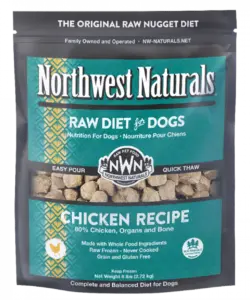
Harrison cautioned that displaying graphics of human-grade cuts of meat—such as whole roasted chicken breasts, prime sirloin steaks, or salmon fillets—on product bags containing low-grade rendered meals or bone meals exposes manufacturers to significant civil litigation and class-action liability. Commercial claims that depict premium raw materials inconsistent with actual ingredient definitions leave brands vulnerable under federal and state consumer protection statutes.
The session concluded with an FDA update regarding nutritional profiles for Senior Pet Diets. FDA officials acknowledged that aging pets experience decreased metabolic activity and reduced caloric needs. When veterinarians advise pet owners to reduce overall feed portions to manage weight, senior pets are frequently placed at risk of micro- and macronutrient deficiencies because the diet’s nutrient density remains unchanged.
Despite acknowledging that commercial "senior" formulations are marketed without distinct baseline standards, neither the FDA nor AAFCO proposed a dedicated, mandatory nutrient profile for senior pets. Consequently, products labeled for senior pets will remain legally permitted to use standard "Adult Maintenance" profiles without specialized nutritional calibration.
Supporting Context & Metrics
Chemical and Technical Specifications: Rendered Protein Ingredients
To understand the regulatory implications of the Ingredient Definitions Committee’s ash threshold debate, the following table details the official standards for rendered mammal proteins under current AAFCO guidelines:
Analytical Parameter
Meat and Bone Meal (Item 9.41)
Standard Meat Meal (Item 9.40)
Minimum Ash Content
28% Minimum
No fixed minimum (typically < 14%)
Max Pepsin Indigestible Residue
12%
12%
Max Pepsin Indigestible Protein
9% of Crude Protein
9% of Crude Protein
Permitted Raw Inputs
Mammalian tissues, including bone
Mammalian tissues, excluding bone/blood/hair/hoof
Mandated Label Guarantees
Min Protein, Min Fat, Min Phosphorus, Min/Max Calcium
Min Protein, Min Fat, Min Phosphorus, Min/Max Calcium
Pentobarbital Contamination Risk
High (Associated with rendered 4D livestock)
Moderate to High (If sourced from rendered stock)
Modernization Timeline Deficit
The administrative progression from federal legislative mandate to enforcement illustrates the prolonged timeline governing pet food oversight:
2007 ------------------> 2009 ------------------------> 2023 ------------------> 2030
Congressional            FDA Mandate Deadline           AAFCO Finalizes          Target Implementation
Passage of FDAAA         (Missed/Delegated)             PFLM Model Rules         Deadline (Facing Delays)
2007: Congress enacts the FDA Amendments Act (FDAAA), mandating pet food label modernization within 24 months.
2009: The statutory deadline expires without FDA action; responsibility shifts to AAFCO technical committees.
2023: AAFCO approves PFLM model regulations, establishing standardized nutrient panels, clear handling instructions, and modernized ingredient displays.
2030: Proposed enforcement deadline, which now faces delays due to testing limitations, international trade friction, and state-level adoption lags.
Official Statements and Stakeholder Positions
Consumer Advocacy Perspective
Susan Thixton, Pet Food Consumer Advocate and founder of TruthaboutPetFood.com and the Association for Truth in Pet Food (ATPF), criticized the regulatory framework for prioritizing commercial flexibility over consumer safety:
"Their open discussion about these two ingredients confirms industry and regulatory are well aware both are commonly sourced from the absolute worst quality of raw materials (dead, decomposing animals). Their discussion confirmed they only care about the words defining an ingredient, not the actual ingredient—whether it is legal or not… and whether it is quality nutrition or not."
Thixton emphasized that the proposed removal of the 28% ash threshold in Meat and Bone Meal would eliminate one of the few analytical barriers preventing commercial suppliers from misrepresenting low-grade rendered waste as premium protein meals.
Legal Counsel Warning
Addressing assembled industry executives during the Pet Food Committee session, Todd Harrison, partner at Venable LLP, warned manufacturers about deceptive packaging graphics:
"Pet food manufacturers take a legal risk when ‘ingredient imagery’ on labels or websites is not what the pet food is made from… It is just a matter of time before those misleading pet food label images of roasted chicken and grilled steak face regulatory enforcement or civil class-action litigation."
Regulatory Agency Acknowledgments
During the panel on senior pet nutrition, an official FDA Representative acknowledged systemic gaps in commercial feeding guidelines for aging animals:
"Veterinarians are frequently instructing clients to feed senior dogs less food due to lowered activity levels, which could be directly resulting in nutrient deficiencies due to current diet formulations."
Despite this acknowledgment, no formal motion was introduced by federal regulators to mandate a dedicated AAFCO Senior Pet Nutritional Profile.
Future Outlook
The proceedings in San Diego highlight an increasingly complex legal and operational environment for the pet food industry. As AAFCO prepares for its next bi-annual conference in Orlando, Florida, several critical regulatory challenges remain unresolved:
Escalating Class-Action Litigation: With legal counsel openly warning manufacturers against deceptive packaging graphics, commercial brands relying on misleading "ingredient imagery" face immediate civil liability under state consumer protection laws.
PFLM Timeline Compression: The industry’s push to delay dietary fiber mandates due to laboratory assay limitations threatens to push PFLM enforcement beyond the target 2030 deadline—more than two decades after the original Congressional mandate.
State-by-State Regulatory Fragmentation: Incomplete legislative adoption of AAFCO model rules at the state level threatens to create conflicting packaging and oversight standards across state borders, complicating domestic distribution.
Senior Pet Standards Deficit: In the absence of official nutritional profiles for senior animals, consumers will remain reliant on unverified marketing claims, leaving aging pets vulnerable to sub-clinical nutrient deficiencies.
As public scrutiny of supply chain sourcing intensifies, the tension between regulatory advisory bodies, federal agencies, and consumer protection advocates will continue to define the future of pet food oversight.