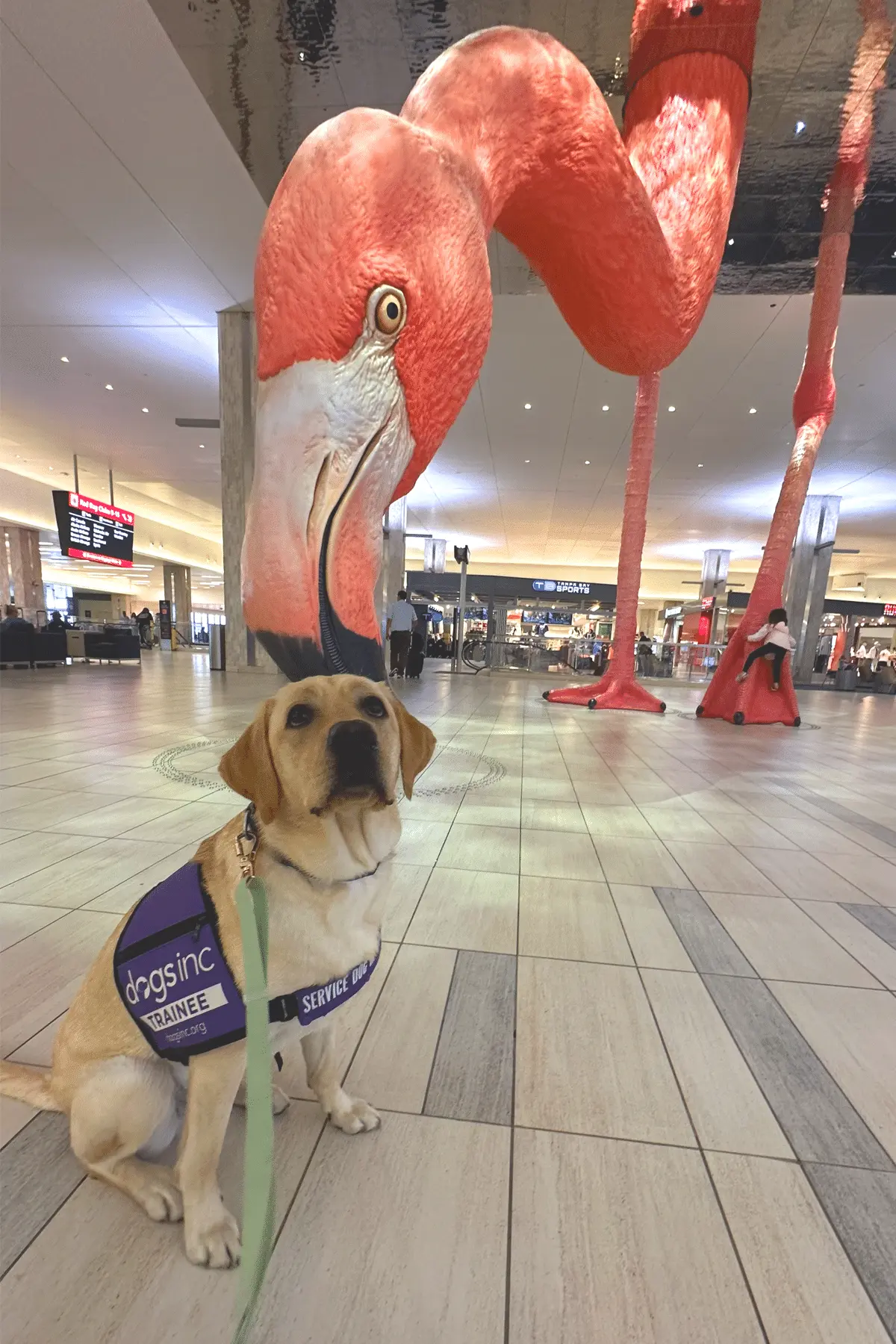
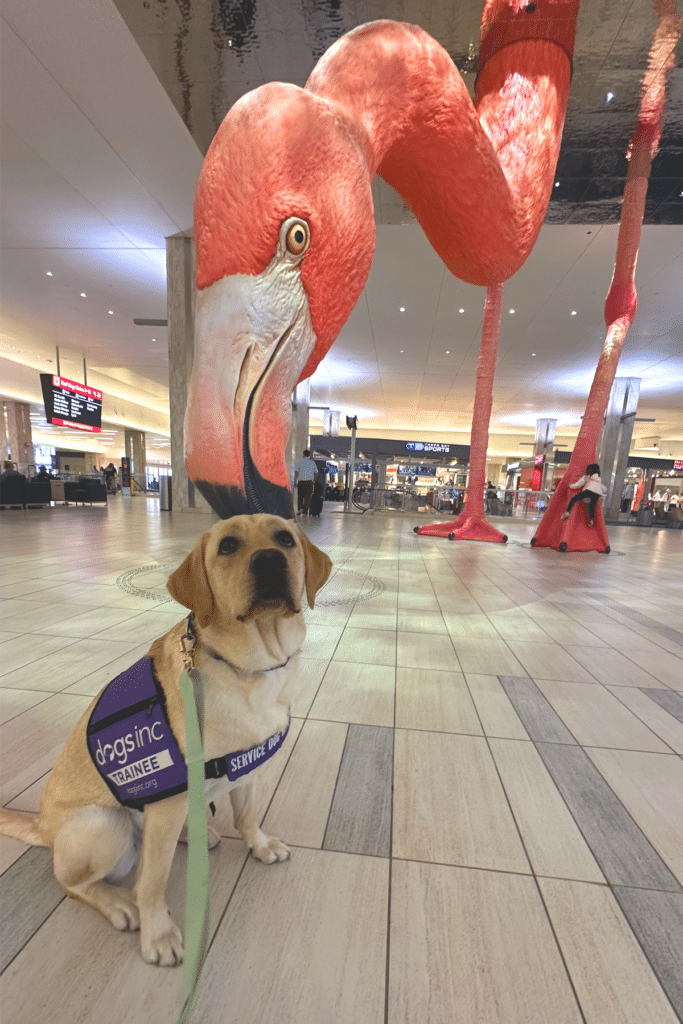
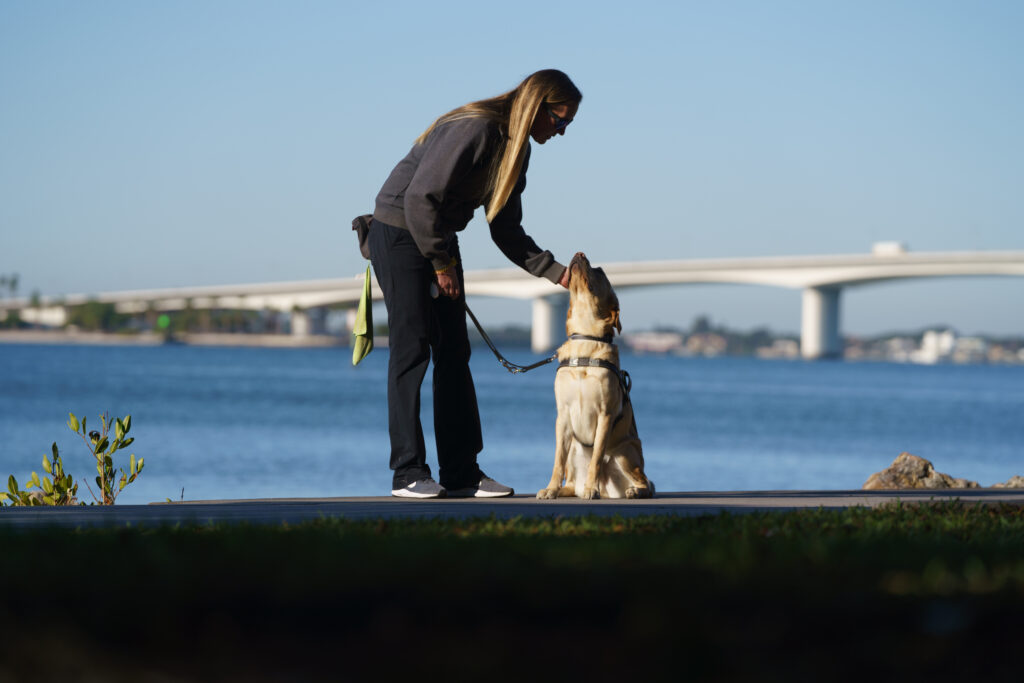
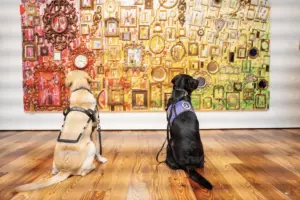
To the casual observer navigating a chaotic airport terminal, a packed downtown restaurant, or a bustling shopping center, the sight of a service dog moving with absolute poise and serene focus can feel almost magical. Amid rolling luggage, blaring public address systems, crying children, and the rich aromas of a crowded food court, these canine professionals remain completely unruffled. They sit quietly, anchor themselves beneath tables, or guide their handlers with steady precision.
However, this outward display of calm confidence is no accident of nature. It is the culmination of years of meticulous breeding, early socialization, and an intensive educational regimen known as Public Access Training.
Unlike emotional support animals, whose primary value stems from comfort and companionship, fully qualified service dogs are legally recognized working professionals under the Americans with Disabilities Act (ADA). They are individually trained to perform specific, life-altering tasks that mitigate a person’s disability—ranging from mobility support and object retrieval to panic attack interruption and deep pressure therapy for individuals with post-traumatic stress disorder (PTSD).
Yet, before a dog can ever retrieve a dropped set of keys or alert a handler to an oncoming medical episode, it must master the complex and unpredictable environment of the human world. This comprehensive report explores the meticulous journey of service dog public access training, detailing the step-by-step evolution from a curious puppy to an elite working companion.
Detailed Chronology: The Lifecycle of a Service Dog’s Education
The transformation of a rambunctious puppy into a steadfast public-access-ready service dog is a carefully phased, multi-year progression. Every stage of development is strategically designed to build resilience, cognitive maturity, and unshakeable impulse control.
Phase 1: The Foundation — Early Puppy Raising and Socialization
Long before a candidate dog ever sets foot inside a commercial airline terminal or steps onto a moving walkway, its education begins in the home of a dedicated volunteer puppy raiser. During this critical developmental window—spanning from roughly eight weeks to twelve or fourteen months of age—the primary objectives are socialization, confidence-building, and foundational obedience.
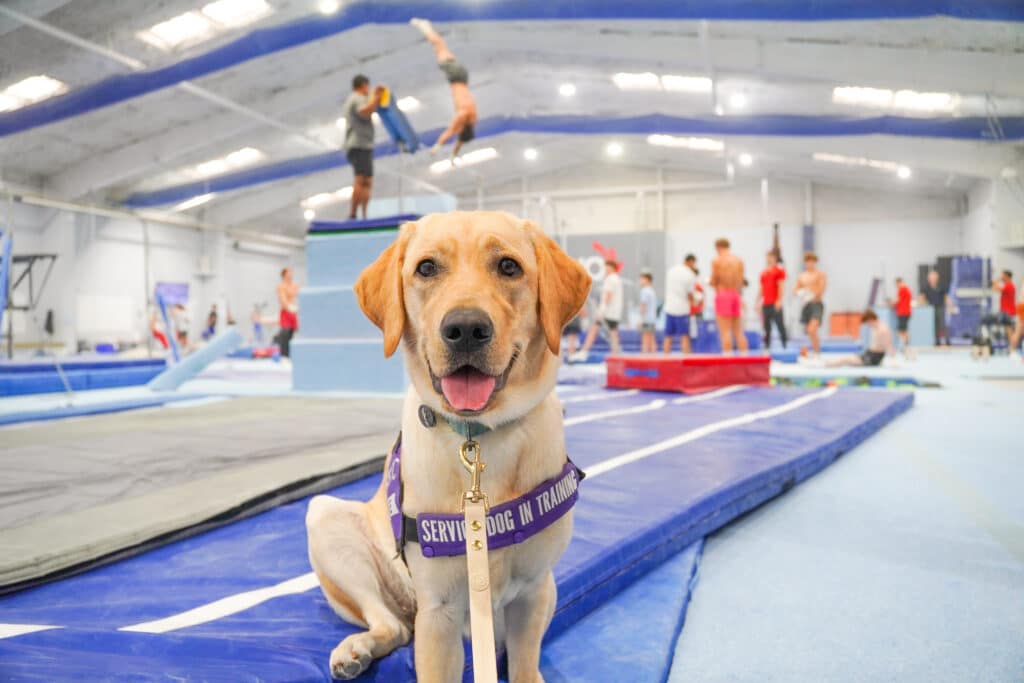
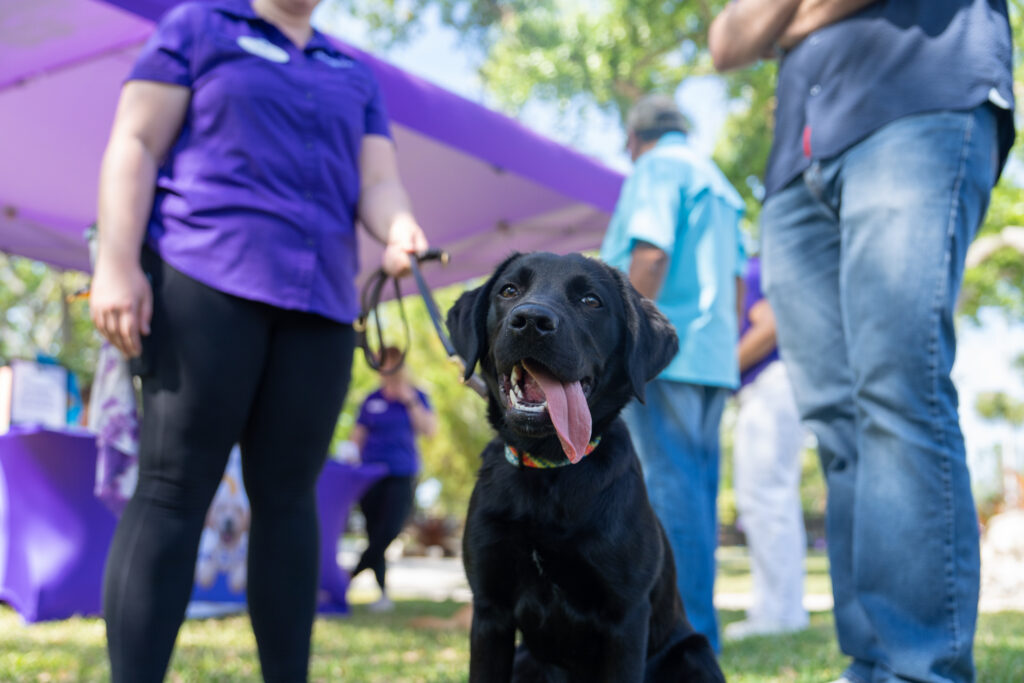
Puppy raisers introduce their charges to an array of novel sights, sounds, textures, and environments. Armed with specialized vests that signal their status as "dogs-in-training," these young canines visit grocery stores, community parks, office buildings, and outdoor street fairs.
Instructors and raisers rely exclusively on positive reinforcement methodologies. Rather than forcing a puppy through a terrifying or overwhelming scenario, trainers use treats, praise, and play to reframe new experiences as positive and rewarding. This approach cultivates natural curiosity and emotional resilience, ensuring that popular service breeds—most notably Labrador Retrievers and Golden Retrievers—develop a deep, trusting bond with humans and an optimistic outlook on novel environments.
Phase 2: Advanced Task and Environmental Transition
As the dog approaches maturity and transitions back to formal training facilities (such as those operated by organizations like Dogs Inc), the educational focus splits into two distinct tracks: Task Training and Public Access Training.
While task training teaches specific, disability-mitigating actions—such as opening doors, bracing for balance, or retrieving emergency medication—public access training focuses entirely on deportment, etiquette, and environmental adaptability.
Trainers systematically expose the dogs to increasingly complex and challenging public accommodations. This is where the curriculum expands into real-world simulations:
Acoustic and Visual Desensitization: Dogs learn to ignore sudden, startling stimuli, such as dropped metal trays in cafeterias, flashing emergency lights, overhead announcements, and automated doors.
Spatial Awareness: Working dogs must learn to navigate tight aisles without knocking over merchandise, maintain a steady heel position regardless of crowd movement, and tuck themselves completely out of the path of foot traffic when resting.
Phase 3: Real-World Generalization and Scenario Testing
Classroom learning alone cannot prepare a dog for the absolute unpredictability of human society. Consequently, the third phase of training involves rigorous, real-world immersion.
Dogs are taken on complex public transit systems, packed sporting events, and bustling shopping malls. Trainers intentionally orchestrate distractions: a child dropping an ice cream cone right next to the dog, another pet barking unexpectedly across a courtyard, or an unfamiliar stranger reaching out to pet the animal without permission.
The goal during this phase is absolute generalization. A dog that behaves impeccably in a quiet training facility must prove it can execute the exact same standard of behavior in a roaring airport terminal during holiday travel season.
Phase 4: Final Evaluation and Placement
Before earning the title of a fully certified working service dog, candidates undergo comprehensive, multi-tiered evaluations administered by master trainers.
During these assessments, the dog’s focus, reliability, emotional stability, and public manners are tested under pressure. Evaluators look for consistency: Does the dog maintain its composure when a sudden loud noise occurs? Does it immediately return its attention to the handler after a distraction? Does it settle quietly for extended periods without displaying signs of stress, fatigue, or reactivity?
Only candidates that pass these stringent benchmarks are cleared to be matched with a recipient who has a disability, officially launching a collaborative partnership built on mutual trust and operational excellence.
Supporting Context & Metrics: The Anatomy of a Distraction-Free Canine
To understand the magnitude of public access training, one must examine the specific environments that pose the greatest challenges to a working dog, as well as the physiological and psychological milestones required for success.
Why Specific Environments Demand Elite Conditioning
Environment
Primary Challenges
Core Canine Skill Required
Airports & Transit Hubs
Rolling luggage, security checkpoints, moving walkways, massive crowds, echoing PA systems.
Maintaining a steady pace, ignoring sudden motion, and remaining calm amidst auditory chaos.
Restaurants & Cafés
Enticing food odors, dropped crumbs, tight seating configurations, close proximity to strangers.
Mastering a "down-stay" beneath tables, resisting food temptations, and ignoring floor-level distractions.
Crowded Public Spaces
Unpredictable foot traffic, shopping carts, children running, unexpected animal encounters.
High impulse control, situational awareness, and absolute obedience to handler cues.
The Legal Framework: ADA vs. Emotional Support Animals
Public access training is not merely a matter of good manners; it is a legal imperative. Under the Americans with Disabilities Act (ADA), business owners, restaurants, and airline personnel are legally required to grant access only to dogs that are individually trained to do work or perform tasks for the benefit of an individual with a disability.
This distinction separates true service animals from emotional support animals (ESAs). While ESAs provide therapeutic comfort simply through their presence, they do not possess public access rights under federal law because they lack specialized task and public behavior training. A service dog’s right to public access is earned through hundreds of hours of rigorous desensitization and behavioral conditioning.
Official Statements and Industry Insights
Animal behaviorists and master trainers emphasize that public access training is as much about emotional intelligence as it is about physical obedience.
"The confidence you see in a fully trained service dog is never accidental," notes a senior training coordinator at Dogs Inc. "It is the direct result of a carefully orchestrated partnership between human guidance and canine resilience. When we train a dog for public access, we aren’t just teaching it to follow commands; we are teaching it how to think critically and remain emotionally steady in a world that is fundamentally designed for humans, not canines."
Furthermore, experts highlight the crucial role played by volunteer puppy raisers.
"The foundation laid by our early puppy raisers is irreplaceable," industry specialists report. "Without those foundational months of positive exposure in everyday community settings, an advanced dog would lack the baseline confidence needed to tackle high-stress environments like hospitals, airports, and universities."
Future Outlook: The Evolution of Service Work and Public Awareness
As public spaces grow increasingly crowded and complex, the demands placed upon service dogs continue to evolve. Organizations are constantly refining their training methodologies to incorporate modern urban challenges, such as navigating quiet electric vehicles, adapting to new public transit layouts, and managing complex sensory environments.
At the same time, public education campaigns are striving to improve community awareness regarding service dog etiquette. Misconceptions—such as the public attempting to pet, distract, or feed working dogs—remain a significant hurdle for handlers. Future advocacy efforts focus heavily on educating society that a service dog wearing a vest is "on the clock," and any distraction can inadvertently compromise the safety and independence of the handler.
Ultimately, public access training achieves something far greater than mere compliance with legal standards. It bridges the gap between disability and absolute freedom. By transforming a curious puppy into an unflappable professional, public access training grants individuals with disabilities the profound gift of navigating the world safely, confidently, and independently.
For those interested in supporting this life-changing pipeline—whether by becoming a volunteer puppy raiser, a financial donor, or simply an informed member of the public—organizations like Dogs Inc continue to pave the way, one perfectly executed public outing at a time.