
Executive Overview
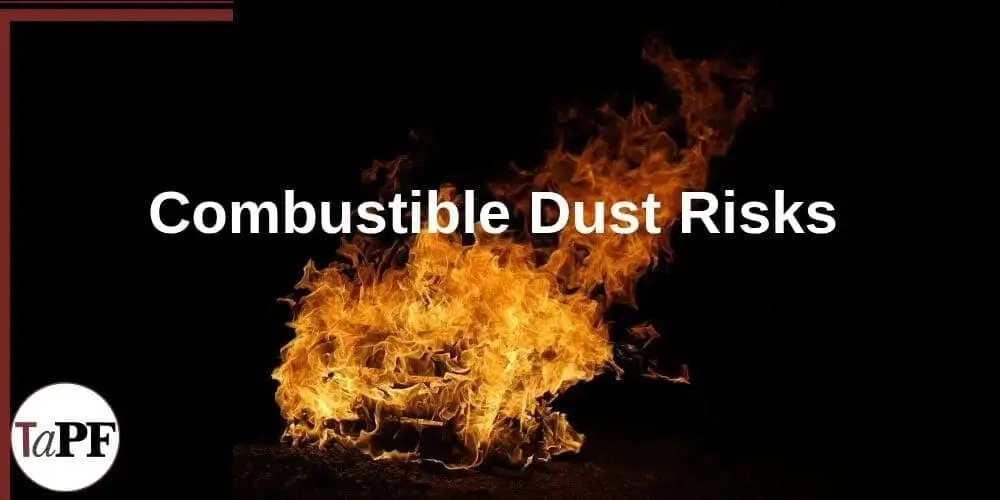
When pet owners purchase kibble or dried treats, public attention overwhelmingly focuses on ingredient sourcing, nutritional adequacy, and consumer-facing contamination recalls. However, behind the closed doors of industrial manufacturing facilities, a far less publicized operational danger persists: the threat of severe industrial fires and catastrophic combustible dust explosions.
While raw agricultural inputs such as corn, rice, wheat, and powdered meal are staple dietary ingredients, their processing creates fine particulate matter that presents immense safety hazards to facility personnel. Under the Occupational Safety and Health Administration (OSHA) Hazard Communication Standard, solid agricultural products capable of generating ambient dust during handling are legally categorized as "hazardous chemicals." This designation does not stem from toxicological risks to pets, but rather from the physical properties of organic dust, which, when suspended in airborne clouds within confined industrial spaces, can ignite with explosive force.
Industrial pet food production involves massive mechanical energy—grinding grains, conveying bulk dry ingredients through pneumatic tubes, flash-drying kibble, and mixing powdered additives. These processes generate vast volumes of fine particulate dust. Without continuous engineering controls, stringent housekeeping, and rigorous compliance with regulatory safety codes, these dry food facilities risk catastrophic primary and secondary explosions.
An investigation into historic facility disasters, safety guidelines, and regulatory frameworks demonstrates that while commercial pet foods pose zero combustible risk once packaged and stored in consumer homes, the industrial processes required to manufacture them represent one of the most challenging dust-mitigation environments in the modern food manufacturing sector.
Detailed Chronology: Key Industrial Incidents and Flashpoints
The inherent vulnerability of pet food plants to dust-fueled fires and atmospheric explosions is underscored by a history of severe facility incidents across the United States. These events illustrate how minor operational oversights or equipment maintenance activities can rapidly escalate into multi-day emergency operations.
+-----------------------------------------------------------------------------------+
| CHRONOLOGY OF SELECTED PET FOOD INDUSTRIAL DUST INCIDENTS                         |
+--------------------------+--------------------------------------------------------+
| Date                     | Incident & Operational Impact                          |
+--------------------------+--------------------------------------------------------+
| September 2014           | Nestlé Purina Facility (Marana, Arizona)               |
|                          | • Welding sparks ignite grain dust inside elevator.    |
|                          | • Flash explosion severely injures 4 contractors.      |
+--------------------------+--------------------------------------------------------+
| June 2015                | Industrial Pet Food Plant (Pennsylvania)               |
|                          | • Fire propagates through facility ductwork.           |
|                          | • Re-ignition inside 90-ton powdered dog food silo.    |
|                          | • Secondary dust explosion blows roof off silo.        |
|                          | • Emergency response spans over 25 hours.              |
+--------------------------+--------------------------------------------------------+
The September 2014 Nestlé Purina Grain Elevator Explosion
In September 2014, an industrial explosion occurred at a Nestlé Purina manufacturing facility in Arizona, highlighting the ignition risks associated with routine maintenance operations—known in industrial safety parlance as "hot work."
- Initial Ignition Source: A team of four third-party contract workers was performing torch welding on the fifth floor of the facility’s seven-story grain elevator complex.
- Mechanism of Blast: Open flames and hot slag from the welding equipment came into contact with suspended grain dust particles within the elevator shaft. The high particle concentration triggered a flash explosion.
- Casualties and Damage: The localized blast severely burned two contractors and injured two others, requiring immediate emergency hospitalization. The incident triggered multi-agency occupational investigations into hot-work permit compliance, ambient dust ventilation, and facility maintenance practices.
The June 2015 Pennsylvania Silo Explosion and 25-Hour Blaze
Less than a year later, a dramatic industrial fire unfolded at a major pet food production facility situated within the Humboldt Industrial Park in Pennsylvania. This incident demonstrated the compounding hazards of ductwork propagation and secondary silo explosions.
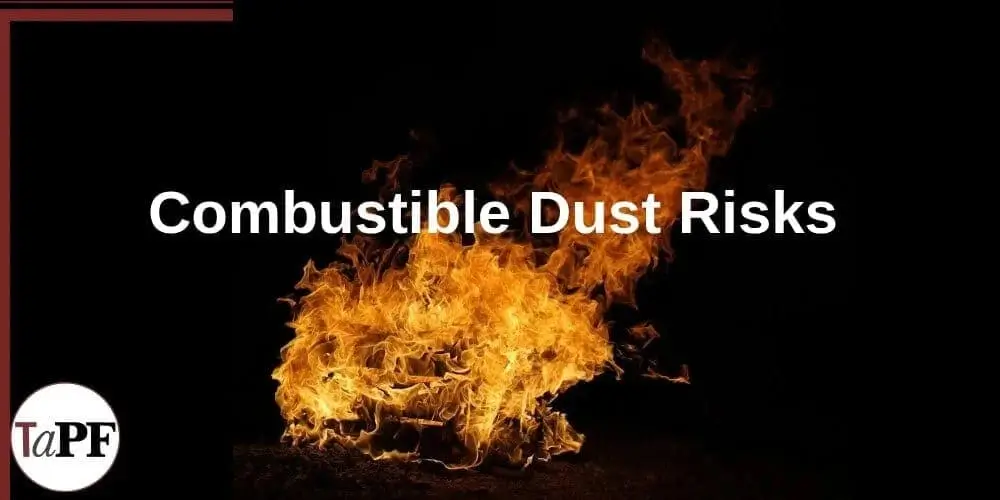
- Initial Ductwork Propagation: The incident began when an operational fire ignited within the facility’s internal mechanical infrastructure. Before localized suppression systems could isolate the flames, the fire spread rapidly through the plant’s centralized air duct system.
- Emergency Response Operations: Fire crews arrived on site and spent more than three hours battling the ductwork blaze before declaring it contained. However, as plant personnel conducted post-incident walkthroughs, hidden hot spots re-ignited across multiple processing areas.
- Silo Ignition and Deflagration: Firefighters were recalled to the facility after smoldering embers were discovered inside a storage silo containing 90 tons of powdered dog food ingredient.
- Secondary Dust Explosion: As emergency crews attempted to suppress the smoldering mass, the movement of material and air pressure differentials created an airborne cloud of powdered pet food inside the enclosed structure. The concentrated dust cloud reached its upper flammable limit and combusted violently, generating a secondary explosion powerful enough to blow the heavy structural roof entirely off the silo.
- Resolution: The secondary blast necessitated the mobilization of multiple surrounding fire departments. It ultimately took firefighters over 25 hours of continuous operation to fully extinguish the smoldering bulk storage containers and render the industrial park secure.
Supporting Context & Metrics: The Mechanics of Combustible Dust Hazards
To understand why common dietary ingredients like corn, rice, and wheat flour are treated as workplace hazards, industrial safety experts point to the physical dynamics of organic dust combustion.
                  [ DISPERSION ]
           (Suspended Dust Cloud in Air)
                      /
                     /
                    /
       [ OXYGEN ]  +---------+  [ IGNITION SOURCE ]
  (Ambient Air Volume) | DUST    | (Hot Work, Friction,
                       | PENTAGON|  Electrical Arc)
                      +---------+
                    /
                   /
                  /
         [ CONFINEMENT ] --- [ FUEL ]
   (Ducts, Silos, Rooms)   (Fine Organic Powder)
The Dust Pentagon
While standard fires require three elements—fuel, oxygen, and heat (the Fire Triangle)—a combustible dust explosion requires two additional factors to create a catastrophic event:
- Fuel: Fine organic particulate matter (e.g., cornstarch, wheat flour, rice dust, dry animal digest).
- Oxygen: Ambient atmospheric air within the processing plant.
- Ignition Source: Sparks from hot work (welding, cutting), electrostatic discharge, overheated bearings, or electrical arcing.
- Dispersion: The accumulation of fine dust particles suspended in air at a concentration above its lower explosive limit (LEL).
- Confinement: An enclosed area such as a duct, hammer mill, bucket elevator, or storage silo that allows pressure to build rapidly upon ignition.
When all five elements are present, deflagration (rapid burning) quickly transitions into detonation. The resulting pressure wave can breach equipment housing, dislodge static dust accumulated on overhead rafters, and trigger a massive secondary explosion—often far more destructive than the initial blast.
OSHA Regulatory Framework and Hazard Classification
Under OSHA’s Hazard Communication Standard (2012), aligned with the Globally Harmonized System of Classification and Labelling of Chemicals (GHS), solid organic substances capable of generating fine particles during downstream processing meet the regulatory definition of a hazardous chemical.
- Grain Classification: OSHA identifies raw grain handling, processing feed mills, and pet kibble production environments as primary exposure zones for combustible dust hazards.
- Mandatory Hazard Communication: Grain processors must supply Safety Data Sheets (SDS) outlining dust explosion parameters, including minimum ignition energy (MIE), maximum explosion pressure ($Pmax$), and the dust deflagration index ($Kst$).
+------------------------------------------------------------------------------------+
| KEY REGULATORY MANDATES & COMPLIANCE REQUIREMENTS                                  |
+--------------------------+---------------------------------------------------------+
| Standard / Requirement   | Purpose & Application                                   |
+--------------------------+---------------------------------------------------------+
| OSHA Hazard Communication| Mandates Safety Data Sheets (SDS) for grain inputs;    |
| Standard (2012)          | classifies dust-generating solids as hazardous chemicals|
+--------------------------+---------------------------------------------------------+
| NFPA 652                 | Requires facilities to perform a Dust Hazard Analysis   |
|                          | (DHA) at least once every 5 years.                      |
+--------------------------+---------------------------------------------------------+
| NFPA 654 / NFPA 61       | Dictates engineering controls for agricultural and      |
|                          | food processing dust collection systems.                |
+--------------------------+---------------------------------------------------------+
High-Risk Processing Nodes in Pet Food Manufacturing
Pet food production involves multiple mechanical operations where dust accumulation reaches critical limits:
- Bulk Receiving and Unloading: Grain discharge from railcars and bulk trucks creates immediate high-density dust clouds in receiving pits.
- Size Reduction (Hammer Mills): Grinding whole grains into fine flours generates massive surface area per unit mass, drastically decreasing the energy required to ignite the material.
- Mixing and Blending: Dry ingredients are combined with micronutrients, protein meals, and dry digest, generating fine airborne particulates.
- Extrusion and Drying: High-temperature processing can dry particles to low moisture contents (<10%), increasing their combustibility.
- Dust Collection Systems: Centralized baghouses and air filtration systems pull dust from across the plant into isolated containers. If a spark enters the collector, the enclosed, high-density environment can explode.
Official Statements and Industry Expert Perspectives
Regulatory bodies, advocacy groups, and industrial engineering consultants emphasize that operational vigilance is mandatory to prevent workplace casualties in food processing environments.
In guidance published by Dust Safety Science, an industry clearinghouse for dust hazard mitigation research, experts emphasize the ubiquity of combustible particulates across agricultural supply chains:

"The Occupational Safety and Health Administration identifies grain as a combustible dust. Fine particles generated during various stages of grain and agricultural processing, and feed mills—such as mixing, drying, and transporting—constitute the primary source of combustible dust in these facilities.
In the grain and agriculture industry, the presence of combustible dust represents a significant peril, creating grain dust explosions. This fine particulate matter is often a byproduct of processing and handling grains or agricultural materials like wheat flour, grain flour, corn, corn starch, oat flour, barley, and rice, and is inherently combustible."
From an equipment engineering standpoint, specialists at RoboVent, a manufacturer of industrial dust collection and ventilation hardware, note that pet food kibble presents unique physical challenges compared to traditional human food facilities:
"Pet food is a big business—but all that dry kibble also adds up to a huge dust control challenge. From bulk ingredient transport to packaging of finished kibble, pet food manufacturing involves many different dust-creating processes."
Consumer advocates who monitor manufacturing practices also emphasize drawing a clear distinction between occupational facility hazards and finished product safety for consumers. Susan Thixton, a prominent pet food consumer advocate with TruthaboutPetFood.com and the Association for Truth in Pet Food, noted during an analysis of processing plant safety protocols:
"Pet owners are told very little about what happens behind closed doors in pet food manufacturing. This issue… has nothing to do with the safety of pet food [for consumption], but it has a lot to do with the safety of manufacturing it. We found no evidence of a combustible dust risk to pet foods stored in homes."
Future Outlook: Technology, Compliance, and Industry Trajectory
As regulatory scrutiny intensifies and manufacturing facilities scale up production to meet global pet food demand, the industry is adopting advanced engineering controls and updated compliance frameworks to mitigate dust-related risks.

Mandatory Dust Hazard Analyses (DHAs)
Under National Fire Protection Association (NFPA) standards—specifically NFPA 652 (Standard on the Fundamentals of Combustible Dust) and NFPA 61 (Standard for the Prevention of Fires and Dust Explosions in Agricultural and Food Processing Facilities)—pet food plants must perform a formal Dust Hazard Analysis (DHA) at least once every five years.
A modern DHA requires facility engineers to:
- Identify all areas where combustible dust can collect in elevated or hidden spaces (e.g., overhead pipes, drop ceilings, structural steel).
- Test particle size, moisture levels, and explosive characteristics ($K_st$ value) of all bulk dry ingredients.
- Evaluate potential ignition sources, ranging from static electricity build-up on conveyor belts to hot surface temperatures on mechanical bearings.
- Implement physical safeguard systems, including explosion venting, chemical suppression, and deflagration isolation valves.
+------------------------------------------------------------------------------------+
| ADVANCED TECHNOLOGICAL MITIGATION STRATEGIES IN MODERN PLANTS                       |
+--------------------------+---------------------------------------------------------+
| Technology               | Operational Function                                    |
+--------------------------+---------------------------------------------------------+
| Explosion Venting Panels | Directs blast pressure and flames away from personnel   |
|                          | and toward safe exterior zones during a deflagration.   |
+--------------------------+---------------------------------------------------------+
| Fast-Acting Isolation    | Rapidly seals off interconnected ductwork to prevent    |
| Valves                   | flames from traveling from machine to machine.          |
+--------------------------+---------------------------------------------------------+
| Spark Detection &        | Uses infrared sensors to detect hot embers in pneumatic |
| Suppression Systems      | tubes and extinguishes them with water mist instantly.  |
+--------------------------+---------------------------------------------------------+
| Continuous Ultrasonic    | Monitors ambient air for particulate build-up and       |
| Particulate Sensors      | triggers automatic localized ventilation systems.       |
+--------------------------+---------------------------------------------------------+
Automation and Housekeeping Innovations
Human error and inadequate surface cleaning remain major contributors to secondary dust explosions. Modern facility design increasingly relies on automated systems to manage particulate hazards:
- Pneumatic Housekeeping Vacuum Systems: Plant operators are phasing out compressed air blowing—which creates hazardous airborne dust clouds—in favor of specialized, explosion-proof centralized vacuum systems rated for Class II hazardous locations.
- Smooth-Surface Facility Architecture: Newer processing plants utilize sloped structural beams, sealed drop ceilings, and specialized non-porous coatings that prevent dust from accumulating on elevated surfaces out of operator sightlines.
- Automated Hot Work Controls: Industrial facilities are implementing digital permit management systems that enforce gas testing, surrounding dust wash-downs, and mandatory fire-watch shifts before any maintenance welder can ignite a torch near grain processing infrastructure.
The Consumer Takeaway
For pet owners, understanding industrial combustible dust provides insight into the complex, heavy-industrial nature of modern pet food production. While processing raw grains and dry meals demands extreme engineering precautions to keep industrial workers safe, finished kibble products packaged in bags or bins do not possess the fine particle density or pneumatic confinement required to trigger combustibility in domestic settings.
The ongoing safety challenge remains squarely within the factory gates. As pet food processors continue to expand, adhering to rigorous NFPA standards, maintaining advanced dust filtration hardware, and conducting continuous hazard assessments will remain critical to ensuring that the food feeding the nation’s pets does not come at the cost of workplace disasters.