
Executive Overview
As global summer temperatures continue to rise, pet owners face an increasingly challenging seasonal struggle: how to keep furry companions safe, comfortable, and healthy during extreme heatwaves. While humans can easily shed layers, seek air conditioning, or hydrate at will, our pets rely entirely on us to manage their thermal environment.
Dogs and cats process heat differently than humans, and certain breeds—particularly heavy-coated Nordic dogs, flat-faced (brachycephalic) cats and dogs, kittens, and senior pets—are exceptionally vulnerable to heatstroke, paw pad burns, and severe dehydration.
This comprehensive report synthesizes expert veterinary guidance, behavioral science insights, and rigorously tested product recommendations to help pet parents navigate the dog days of summer. From evaluating the true efficacy of cooling mats and canine cooling vests to deciding whether to leave the air conditioning running for indoor cats, this guide provides actionable, authoritative strategies to protect your pets when the mercury climbs.
Detailed Chronology & Common Summer Pet Scenarios
Pet owners often encounter specific, recurring dilemmas as summer weather intensifies. Understanding how to address these situations methodically can mean the difference between a safe, enjoyable summer and a veterinary emergency.
Scenario 1: The High-Energy Working Dog in a Heatwave
For owners of high-energy breeds—such as Huskies, Australian Shepherds, or mixed-working dogs—summer presents a frustrating paradox. These dogs possess an intense drive for physical activity and outdoor exploration, yet their heavy, double-layer coats are biologically engineered to trap warmth for Arctic climates.
- The Morning Routine: Limiting intense exercise to the coolest hours of the early morning is standard practice, but it is rarely enough. Owners must also consider radiant ground heat. Asphalt and concrete absorb solar radiation rapidly, reaching temperatures significantly higher than the ambient air. Walking a dog on flaming-hot pavement can cause severe, painful burns and blistering on their paw pads.
- Midday Management: When outdoor trips are entirely unavoidable during peak daylight hours, experts recommend seeking shaded grassy areas. For dogs that tolerate them, protective footwear like the Wagwear WagWellies Mojave can shield sensitive paws from scorching surfaces. Additionally, portable hydration tools, such as the Ruffwear Quencher Packable Dog Bowl, ensure clean water is always accessible during transit.
Scenario 2: The Indoor Escape Artist
Cats left indoors often develop an obsessive fixation with the outdoors, especially when open windows and doors invite summer breezes. While fresh air is appealing, giving free outdoor access to indoor cats introduces immense risks, including traffic accidents, encounters with predators, and exposure to feline diseases.
- Satisfying Curiosity Safely: To appease adventurous felines without compromising their safety or local wildlife populations, specialized enclosures and window perches have surged in popularity. Products like The Purrgola—a window-mounted, clear-acrylic catio—allow indoor cats to experience sunshine, fresh air, and neighborhood sights safely from an elevated perch. While installation requires a screwdriver and a bit of patience, secure window perches provide vital mental enrichment for restless cats.
Scenario 3: Managing Apartment Temperatures for Latchkey Pets
Fosters, single pet parents, and working professionals often struggle with a guilt-induced dilemma: Should I leave the air conditioning running for my cats and dogs while I am away at work?
- The Comfort Zone: Pet owners frequently assume that if a room feels slightly warm to a human, it must be unbearable for a furry companion. However, feline and canine thermal biology differs significantly from our own. Cats have a distinct "thermoneutral zone"—a temperature range where their bodies do not expend extra metabolic energy to heat up or cool down. Plunging an apartment into the low 60s Fahrenheit can be just as uncomfortable for a cat as an unventilated 90-degree room. Maintaining a moderate, consistent indoor climate is essential.
Supporting Context & Metrics: Veterinary Science and Behavior
To properly manage an animal’s environment, owners must understand the physiological mechanisms of pet thermoregulation. Unlike humans, who possess sweat glands distributed across their entire bodies to cool down via evaporation, dogs and cats have very limited sweating capabilities (primarily through their paw pads).
Canine and Feline Thermoregulation Explained
- Panting: Dogs rely heavily on panting, which evaporates moisture from their respiratory tracts and tongues to lower their core body temperature. However, panting becomes significantly less effective in high humidity.
- Grooming: Cats groom themselves extensively; the evaporation of saliva from their fur provides a cooling mechanism akin to human sweating, but this is easily overwhelmed in stifling environments.
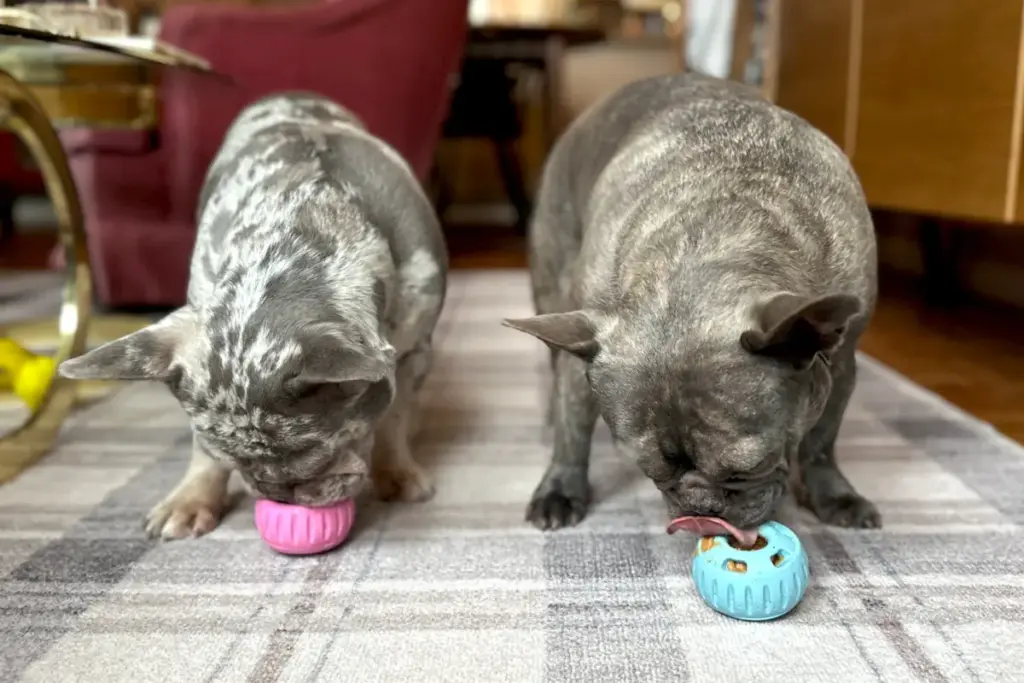
- The Brachycephalic Risk: Veterinary behavior specialists emphasize that flat-faced breeds—such as English Bulldogs, French Bulldogs, Pugs, Persians, and Himalayans—face drastically elevated risks during summer. Their compromised upper airway anatomy makes efficient panting nearly impossible, putting them at immediate risk of heat exhaustion even at moderate temperatures.
Efficacy of Cooling Gear: What the Data Shows
Market shelves are flooded with summer pet products, but rigorous testing reveals varying degrees of effectiveness:
- Cooling Mats: Pressure-activated gel mats, such as The Green Pet Shop Cool Pet Pad, absorb body heat on contact, providing a localized cooling surface that generally outperforms traditional foam pet beds. However, not all pets naturally take to them, and destructive chewers can puncture the gel lining.
- Cooling Vests: Items like the Ruffwear Swamp Cooler Dog Vest utilize evaporative cooling technology. By soaking the UPF 50+ fabric in water before use, the vest covers a broad surface area of the dog’s torso, continuously drawing heat away through evaporation as air flows over the material. Field tests show these vests dramatically reduce panting frequency in heat-sensitive dogs.
Official Statements & Expert Insights
Industry leaders, veterinary medicine professors, and animal behaviorists offer clear, unified advice on navigating pet safety during peak summer months:
-
Dr. Carlo Siracusa, Veterinary Behavior Specialist (University of Pennsylvania School of Veterinary Medicine):
"Cats can adapt to temperatures, but you want to avoid big disparities. Their short-term adaptability depends on the regular temperature at which the house is kept. For example, if the owners are home and the temperature is around 72, without AC it can quickly jump to 85; then the cat may feel uncomfortable at the highest temperature, which would probably be tolerated if the cat’s body had time to adjust."
-
Mikel Delgado, Certified Applied Animal Behaviorist:
"We know that cats like warmth, and that’s partly because cats have a thermo-neutral zone, which is the temperature range at which their bodies are not exerting a lot of energy trying to either cool off or warm up."
-
Thom Dunn, HVAC and Appliance Expert:
"As it turns out, the most efficient way to keep your home cool and the bills low is to leave the AC running—ideally, with the temperature turned up toward the upper 70s." Leaving an efficient HVAC system running at a moderate, steady temperature protects latchkey pets from dangerous heat spikes while preventing energy waste from cooling down an overheated apartment from scratch at the end of the day.
Future Outlook: Climate Change and Pet Welfare
As global summer temperatures continue to set historic highs year after year, pet care strategies must evolve from seasonal conveniences into essential health protocols. Urban heat islands—metropolitan areas heavily paved with heat-absorbing concrete and asphalt—pose an escalating hazard to urban pet owners who rely on daily neighborhood walks.
Looking ahead, the pet care industry is shifting toward proactive, climate-resilient product development. We can anticipate broader adoption of smart-home temperature monitors designed specifically for pet environments, advanced phase-change cooling fabrics that do not require water activation, and urban city planning that prioritizes shaded, pet-safe green corridors.
For now, the responsibility rests squarely on pet parents. By respecting physiological boundaries, investing in scientifically validated cooling equipment, and maintaining stable indoor climates, owners can ensure their animal companions navigate the hottest months of the year safely, comfortably, and happily.