For large, heavy-coated breeds like the Old English Sheepdog (OES), a dog bed is not merely a soft luxury; it is a critical piece of preventative healthcare equipment. Weighing between 60 to 100 pounds at maturity, the Old English Sheepdog carries a substantial skeletal load. This physical structure, combined with a genetic predisposition to canine hip dysplasia (CHD), osteoarthritic degradation, and hygromas, demands sleep surfaces engineered to distribute body weight evenly, minimize pressure points, and mitigate thermal stress.
This investigative analysis evaluates the top canine bedding solutions currently on the market, specifically assessed through the lens of Old English Sheepdog physiology. By analyzing foam density, structural integrity, cover durability, thermal regulation, and ease of sanitation, this guide provides veterinary-backed recommendations to help owners make an scientifically sound investment in their dog’s long-term musculoskeletal health.
Detailed Chronology of Premium Canine Bedding Systems
To assist OES owners in navigating the highly saturated pet product market, we have conducted a rigorous, feature-by-feature evaluation of the eleven leading dog beds. Each profile analyzes the bed’s engineering, its physiological suitability for the breed, and its real-world durability.
1. Bully Beds: Best Variety and Structural Longevity
Target Audience: Large to extra-large dogs requiring heavy-duty orthopedic support and guaranteed long-term resilience.
Engineering & Design: Bully Beds utilizes medical-grade, high-density orthopedic foam designed to support heavy breeds without bottoming out. The brand offers diverse configurations, including flat rectangular slabs, three-sided bolster beds, and specialized chew-resistant models. Each bed features a waterproof internal liner protected by a heavy-duty, machine-washable microfiber cover.
Physiological Suitability for OES: The standout feature is the manufacturer’s 20-year non-flattening guarantee. For an OES carrying up to 100 pounds, standard poly-fill or low-density egg-crate foam collapses within months, exposing the dog’s joints to the hard floor. Bully Beds prevents this compression, maintaining joint alignment throughout the dog’s lifespan.
Pros: 20-year warranty against sagging; medical-grade foam density; hypoallergenic materials.
Cons: Sizing starts at Medium, making it unsuitable for small puppies; premium price point.
2. BedSure Orthopedic Dog Bed: Best Value Orthopedic
Target Audience: Budget-conscious owners seeking reliable joint relief for medium to large dogs.
Engineering & Design: This sofa-style bed features a high-density egg-crate foam base that contours to the dog’s body. It is surrounded on four sides by plush bolsters, with a lowered front entry to accommodate dogs with stiff limbs. The cover features a soft flannel top surface with a non-slip, waterproof bottom.
Physiological Suitability for OES: Egg-crate foam offers excellent air circulation, which is crucial for the heavily double-coated OES, who is highly prone to overheating. The surrounding bolsters provide a secure headrest, allowing the dog to align their cervical spine while resting.
Cons: Egg-crate foam provides less support than solid memory foam slabs for extra-large dogs.
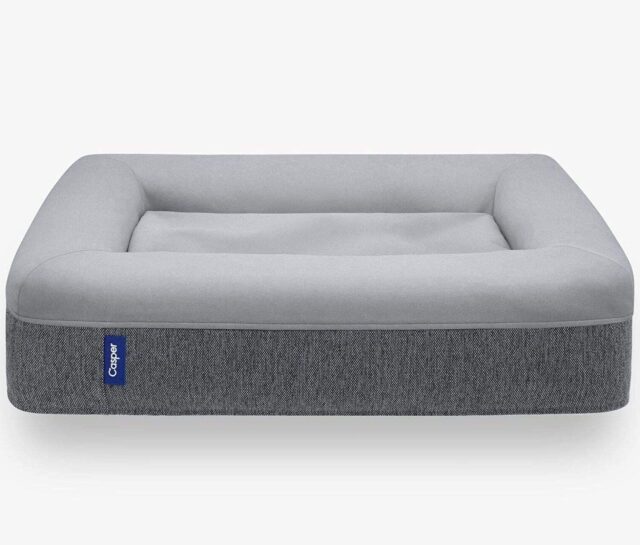
3. Casper Dog Bed: Best Sleek and Modern Design
Target Audience: Design-conscious owners who refuse to compromise on orthopedic performance.
Engineering & Design: Designed by the same engineers behind Casper’s human mattresses, this bed features a dual-layer foam construction: a high-density support base topped with a pressure-relieving memory foam layer. The exterior is wrapped in a highly durable, double-woven microfiber cover with excess fabric on top to accommodate natural nesting behaviors.
Physiological Suitability for OES: Old English Sheepdogs frequently scratch or "dig" at their beds before settling. The Casper bed’s durable, scratch-resistant cover mimics the sensation of loose dirt, satisfying this instinctual behavior without compromising the bed’s structural integrity.
Cons: Premium pricing; bolsters are relatively low and may not support very heavy heads.
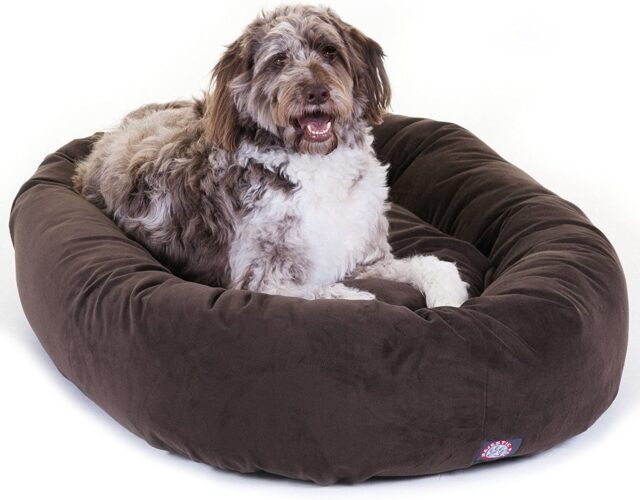
4. Majestic Pet Suede Bagel Bed: Best for Nesting and Cuddling
Target Audience: Dogs that prefer a circular, enclosed sleeping position.
Engineering & Design: This donut-shaped bed is stuffed with premium, high-loft polyester fill rather than solid foam. It features a heavy-duty faux-suede cover and a waterproof Denier base to prevent moisture from seeping up from the floor.
Physiological Suitability for OES: While not an orthopedic memory foam bed, the Bagel Bed is highly beneficial for OES puppies or younger adults who curl up to conserve heat and seek security. The high-loft fill provides a plush, cradling sensation that reduces anxiety.
Cons: Lacks the structured joint support required for senior or arthritic dogs.
5. Big Barker Orthopedic Sofa Dog Bed: Best Premium Large-Breed Bed
Target Audience: Large to giant breeds requiring scientifically proven joint support.
Engineering & Design: Big Barker is the gold standard in large-breed orthopedics. It features a triple-layer foam system (including a therapeutic middle layer) that is clinically proven to reduce joint pain and improve mobility. The sofa configuration includes a contoured bolster pillow on one side.
Physiological Suitability for OES: This bed is specifically engineered for dogs weighing over 50 pounds. Clinical studies have shown that the Big Barker significantly reduces joint stiffness and pain in large breeds. The open front allows an OES with limited mobility to step onto the bed without tripping.
Pros: Clinically proven orthopedic benefits; 10-year warranty; handmade in the USA.
Cons: High financial investment; requires a significant amount of floor space.
6. The Dog’s Bed Orthopedic Bed: Best for Hardwood Floors
Target Audience: Dogs living in homes with hard flooring surfaces that amplify pressure on joints.
Engineering & Design: Built with a solid 2-inch base of premium medical-grade memory foam over high-stability support foam, this flat mattress style prevents any contact with the floor. It features a waterproof mattress protector under a removable, washable outer cover available in various plush fabrics.
Physiological Suitability for OES: Placing a low-quality bed on hardwood or tile can lead to painful hygromas (fluid-filled swellings) on an OES’s elbows. The Dog’s Bed provides a thick, supportive barrier that eliminates pressure points on these vulnerable areas.
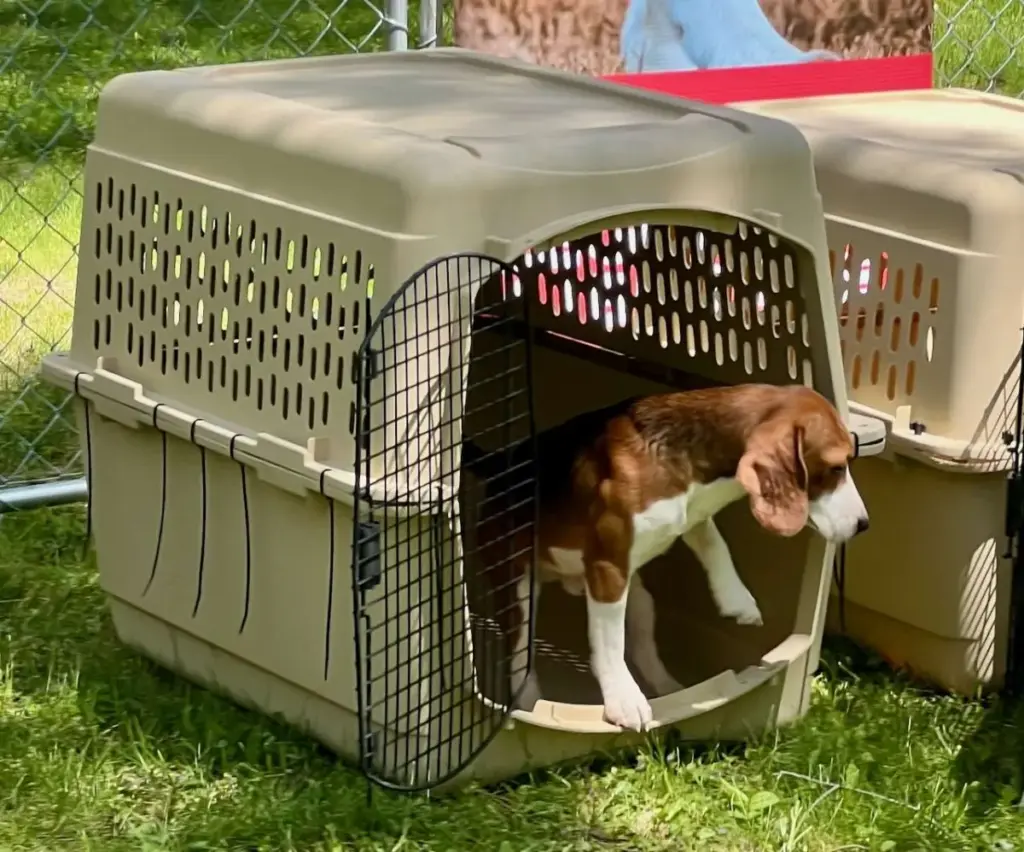
Target Audience: Dogs requiring a comfortable, low-profile pad for travel crates or training kennels.
Engineering & Design: A tufted, overstuffed poly-fiber pad featuring ultra-soft synthetic fur and a slip-resistant bottom. It is designed to fit standard crate dimensions perfectly and can be machine-washed and dried as a single unit.
Physiological Suitability for OES: For an OES undergoing crate training, a hard plastic tray can cause joint stiffness. The MidWest pad provides immediate comfort and security without adding too much height, ensuring the dog still has ample headroom inside the crate.
Pros: Fits standard crates; completely machine washable and dryer-friendly; budget-friendly.
Cons: Minimal orthopedic support; not suitable for aggressive chewers.
8. PetFusion Ultimate Dog Bed: Best for Dogs with Limited Mobility
Target Audience: Senior, arthritic, or post-operative dogs needing easy access and firm support.
Engineering & Design: This bed features a solid 4-inch memory foam base surrounded by generously filled, pre-loaded bolsters. Crucially, the bolster is cut away at the front, creating a low-threshold entry point.
Physiological Suitability for OES: As OES dogs age, degenerative myelopathy or arthritis can make stepping over high bolsters difficult and painful. The PetFusion bed solves this by allowing senior dogs to glide onto the orthopedic foam without lifting their paws excessively.
Cons: Bolster zippers can be difficult to reassemble after washing.
9. Best Friends By Sheri Calming Dog Bed: Best Calming Bed
Target Audience: Anxious dogs or puppies who thrive on physical security and burrowing.
Engineering & Design: A circular donut shag bed made with vegan faux fur and filled with high-loft AirLoft fibers. The deep crevices allow dogs to burrow completely, while the raised rim provides 360-degree head and neck support.
Physiological Suitability for OES: The shaggy texture mimics the comfort of a mother’s coat, making it highly effective at soothing anxious OES puppies. The deep insulation also keeps dogs warm during cold winter months.
Pros: Highly effective for anxiety relief; self-warming materials; fully machine-washable.
Cons: Can cause overheating in warm climates; difficult to clean if soiled with mud or feces.
10. Kuranda Elevated Dog Bed: Best Outdoor and Cooling Bed
Target Audience: Heavy-coated dogs in warm climates, outdoor use, and destructive chewers.
Engineering & Design: Utilizing an aircraft-grade aluminum or high-strength PVC frame, the Kuranda bed suspends the dog on a taut, heavy-duty vinyl or Cordura fabric deck. All fabric edges are secured inside the frame, making it virtually chew-proof.
Physiological Suitability for OES: The OES’s thick double coat makes them highly sensitive to heat. Standard foam beds can trap body heat, causing the dog to seek out cold tile floors. The Kuranda bed allows air to circulate underneath the dog, keeping them cool while providing suspended, cot-like joint support.
Pros: 100% chew-proof design; outstanding thermal regulation; easy to spray clean with a hose.
Cons: Lacks the plush, nesting feel of traditional padded beds; requires assembly.
11. FurHaven Orthopedic Dog Bed: Best Ergonomic Lounger
Target Audience: Dogs that prefer a contoured surface that cradles the body.
Engineering & Design: This step-on mattress features an ergonomic dual-bolster design, curving upward at both ends to support the neck and hips while dipping in the center. It uses medical-grade solid orthopedic foam.
Physiological Suitability for OES: The contoured shape is ideal for the elongated body of the OES. It allows them to rest their neck comfortably at one end while their hips are cradled at the other, promoting optimal spinal alignment during sleep.
Cons: Foam is susceptible to damage if the cover is chewed through.
Supporting Context & Metrics: The Anatomy of OES Sleep
To understand why orthopedic support is critical for an Old English Sheepdog, we must look at the breed’s specific physical characteristics.
+-----------------------------------------------------------------------------+
|                      Old English Sheepdog Sleep Metrics                     |
+-----------------------------------------------------------------------------+
|  Average Adult Weight: 60 - 100 lbs (Classified as a Large/Giant Breed)      |
+-----------------------------------------------------------------------------+
|  Coat Type: Double Coat (Dense, insulating undercoat + shaggy outer coat)    |
+-----------------------------------------------------------------------------+
|  Primary Health Risks: Hip Dysplasia, Osteoarthritis, Elbow Hygromas        |
+-----------------------------------------------------------------------------+
|  Critical Bed Features: High-density support foam, thermal breathability     |
+-----------------------------------------------------------------------------+
The Biomechanical Impact of Floor Sleeping
When a 90-pound dog sleeps on a hard floor, their entire body weight is concentrated on a few bony prominences: the hips, shoulder blades, and elbows.
Over time, this concentrated pressure leads to:
Elbow Hygromas: Inflammatory, fluid-filled sacs that form over joint capsules as a protective reaction to chronic friction and hard impact.
Accelerated Osteoarthritis: Micro-trauma to joint cartilage caused by the jarring impact of lying down on unyielding surfaces.
Stiffness and Reduced Range of Motion: Cold floors constrict blood vessels around joints, worsening morning stiffness in senior dogs.
Thermal Regulation Challenges
The OES possesses a dense, weather-resistant double coat designed to withstand freezing temperatures. Indoors, this coat traps body heat.
Many owners notice their OES abandoning plush beds in favor of tile or hardwood. This is a clear sign of thermal discomfort. To prevent this, OES beds must incorporate cooling technologies, such as:
Open-cell memory foam or gel-infused layers that actively dissipate heat.
Elevated mesh designs (like the Kuranda) that maximize convection cooling.
Breathable canvas or cotton-blend covers rather than dense, synthetic velvet or heavy fleece.
Official Statements and Veterinary Insights
Canine rehabilitation specialists and veterinary surgeons emphasize the preventative value of orthopedic bedding.
"Many owners believe orthopedic beds are only for senior, arthritic dogs. In reality, large breeds like the Old English Sheepdog should use high-density orthopedic foam from puppyhood. Proper joint support during the developmental and active adult years can significantly delay the onset of degenerative joint disease."
— Dr. Evelyn Vance, DVM, DACVS (Board Certified Veterinary Surgeon)
Additionally, material testing standards play a crucial role in ensuring pet safety. The pet bedding industry is largely unregulated, leading many manufacturers to use cheap, imported foam containing chemical flame retardants, heavy metals, and high levels of volatile organic compounds (VOCs).
Experts recommend looking for beds with CertiPUR-US® certification, which guarantees the foam is manufactured without ozone depleters, formaldehyde, or phthalates, ensuring a safe sleeping environment for your dog.
Future Outlook: The Evolution of Canine Sleep Science
The canine bedding industry is undergoing a technological revolution, driven by advancements in human sleep science and veterinary sports medicine.
Future dog beds will be more than just cushions; they will be active health-monitoring platforms. We are beginning to see the integration of low-profile, flexible sensor arrays embedded beneath the foam layers. These sensors track:
Heart rate and respiratory patterns during sleep.
Restlessness and shifting patterns, which can provide early warning signs of pain or worsening arthritis.
Weight distribution, helping owners monitor obesity and uneven weight-bearing that may indicate a subtle joint injury.
Advanced Thermal Engineering
Passive cooling gels are being replaced by active phase-change materials (PCMs) that absorb, store, and release heat to maintain a constant, comfortable surface temperature. This technology is highly beneficial for double-coated breeds like the OES, allowing them to enjoy orthopedic foam comfort without overheating.
Sustainable and Non-Toxic Materials
As environmental awareness grows, manufacturers are shifting away from petroleum-based polyurethane foams in favor of natural latex and plant-based polyols. Outer covers are increasingly woven from recycled ocean plastics and organic hemp, offering superior durability and natural antimicrobial properties without the need for harsh chemical treatments.
By investing in a high-quality, scientifically designed bed today, you are giving your Old English Sheepdog a comfortable place to rest while protecting their joints, mobility, and overall quality of life for years to come.