
Executive Overview
The landscape of companion animal adoption in New York State is undergoing a profound transformation. Stretching from the bustling urban corridors of New York City to the sprawling rural sanctuaries of Buffalo and Long Island, an expansive network of dedicated rescue organizations is redefining animal welfare. Driven by a commitment to ethical stewardship, these groups offer a humane alternative to commercial breeding, saving countless dogs from perilous situations, rehabilitating them physically and behaviorally, and placing them into permanent, loving homes.
However, bringing a rescue dog into one’s life is far more than a simple transaction; it is a complex, deeply communal undertaking requiring careful preparation, rigorous vetting, and long-term psychological and financial commitment. As municipal shelters face fluctuating intake numbers and community-based foster networks stretch to capacity, understanding the mechanics of New York’s rescue ecosystem has never been more critical.
This comprehensive report examines the state of canine rescue across New York State. It explores the foundational prerequisites for prospective pet parents, details the philosophical and operational differences between free-range sanctuaries and foster-based organizations, highlights leading institutions like New York City’s Muddy Paws, and outlines the broader societal impacts of choosing adoption over purchasing. Through this investigation, we provide an authoritative resource for anyone ready to embark on the rewarding journey of dog adoption.
Detailed Chronology: The Evolution of Animal Rescue in New York
To fully understand the modern New York rescue scene, one must examine how the state transitioned from traditional, high-density municipal holding pounds to the sophisticated, progressive network of foster-based sanctuaries and private rescues operating today.
The Mid-20th Century: The Era of Municipal Pounds
For decades, dog population management in New York State was dominated by municipal control facilities. These entities functioned primarily as public safety mechanisms rather than rehabilitation centers. Operating under stringent space constraints and limited budgets, municipal pounds often faced heart-wrenching euthanasia rates for unclaimed or unadopted animals. Little attention was paid to behavioral modification or matching specific dog temperaments with human lifestyles. The focus was containment, short holding periods, and population reduction.
The Rise of the No-Kill Movement (Late 20th Century)
As cultural attitudes toward animals shifted—bolstered by the founding of national advocacy groups and changing public expectations—New York saw the emergence of private, non-profit humane societies and independent rescue shelters. Pioneers in the field began challenging the inevitability of shelter euthanasia. These early grassroots efforts established the conceptual framework for the modern "no-kill" philosophy, which mandates that healthy and treatable animals be preserved until permanent placements can be found.
The 21st Century: The Foster-Centric Paradigm Shift
In the last twenty years, the rescue model in New York underwent another radical shift. Rather than relying solely on brick-and-mortar facilities—which can induce high levels of stress and anxiety in dogs—modern organizations pioneered the foster-home network. Spearheaded by groups like Muddy Paws in New York City, this model integrates rescue dogs into domestic environments prior to adoption. This chronological evolution has dramatically improved adoption retention rates, as foster parents can accurately report on a dog’s behavior around children, other pets, household noises, and urban stimuli.
Today, New York’s rescue ecosystem operates as a hybrid of rural sanctuaries, sprawling suburban rescue farms, and hyper-local urban foster collectives, creating a multi-tiered safety net for vulnerable canines.
Supporting Context & Metrics: The Mathematics and Ethics of Rescue
The decision to adopt a dog rather than purchase from a breeder is supported by compelling ethical, economic, and community-focused data. According to national animal welfare metrics, millions of companion animals enter shelters across the United States annually, with tens of thousands passing through New York facilities alone.
The Humane Imperative vs. Commercial Breeding
The commercial breeding industry—ranging from large-scale commercial facilities ("puppy mills") to backyard breeders—prioritizes aesthetic traits and volume over genetic health and behavioral stability. This often leads to chronic medical conditions, hereditary joint and organ disorders, and behavioral challenges resulting from early maternal separation and poor socialization.
Conversely, rescue organizations act as community stabilizers. When an individual adopts a dog from a street rescue or shelter, multiple positive outcomes occur simultaneously:
- Direct Salvation: An individual life is spared from potential neglect, abandonment, or prolonged shelter confinement.
- Resource Redistribution: The departure of one dog frees up critical physical space, financial resources, and volunteer bandwidth within the rescue network, allowing another at-risk animal to be pulled off the street.
- Economic Disincentive: Choosing rescue directly combats the economic viability of exploitative commercial breeding operations.
Understanding the Demographics of New York Rescues
Prospective adopters frequently harbor misconceptions regarding the types of dogs available in shelters. Data from New York-based rescues debunks these myths entirely:
- Age Diversity: While puppies enter the system frequently, a significant percentage of rescue populations comprise adolescent, adult, and senior dogs. Seniors, in particular, offer distinct advantages, including established temperaments, lower energy requirements, and house-training maturity.
- Breed Representation: Contrary to the belief that rescues only feature high-energy working breeds or pit bull-type dogs, New York rescues routinely intake purebreds and diverse mixes—ranging from small companion breeds to large hounds and herding dogs—often surrendered due to owner life changes (e.g., economic hardship, relocation, or health issues) rather than behavioral faults.
Essential Prerequisites: What You Must Know Before Adopting
Before initiating contact with any New York rescue organization, prospective adopters must engage in deep self-reflection and logistical preparation. Because reputable rescues invest heavily in ensuring long-term placements, they maintain rigorous screening protocols.
1. Radical Honesty Regarding Readiness
Adopting a dog is a decadal commitment that requires substantial investments of time, emotional energy, and financial capital. Beyond basic food and supplies, veterinary care in New York State—particularly in high-cost metropolitan areas—can be substantial. Adopters must evaluate whether their current lifestyle (work hours, travel frequency, and daily routine) can genuinely accommodate a sentient creature that relies entirely on them for exercise, socialization, and emotional well-being.
2. Age and Financial Stability
Most rescue organizations enforce strict age limits (typically requiring primary adopters to be at least 21 or 25 years old) and request proof of stable housing and income. Landlord approval is universally required for renters; organizations will contact property management directly to verify pet policies, weight limits, and breed restrictions. Showing up unprepared financially or logistically will result in an immediate application denial.
3. Household Consensus
A dog cannot thrive in an environment of division. Every human member of the household—roommates, partners, children, and extended family members living under the same roof—must be fully aligned and enthusiastic about welcoming a dog. Furthermore, consideration must be given to existing resident pets. Rescues routinely perform cat tests and dog-to-dog introductions to ensure safe household integration.
Spotlight on Excellence: Muddy Paws (New York, NY)
To understand how high-performing urban rescues operate, one need only look at Muddy Paws, a cornerstone of the New York City rescue community.
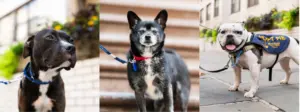
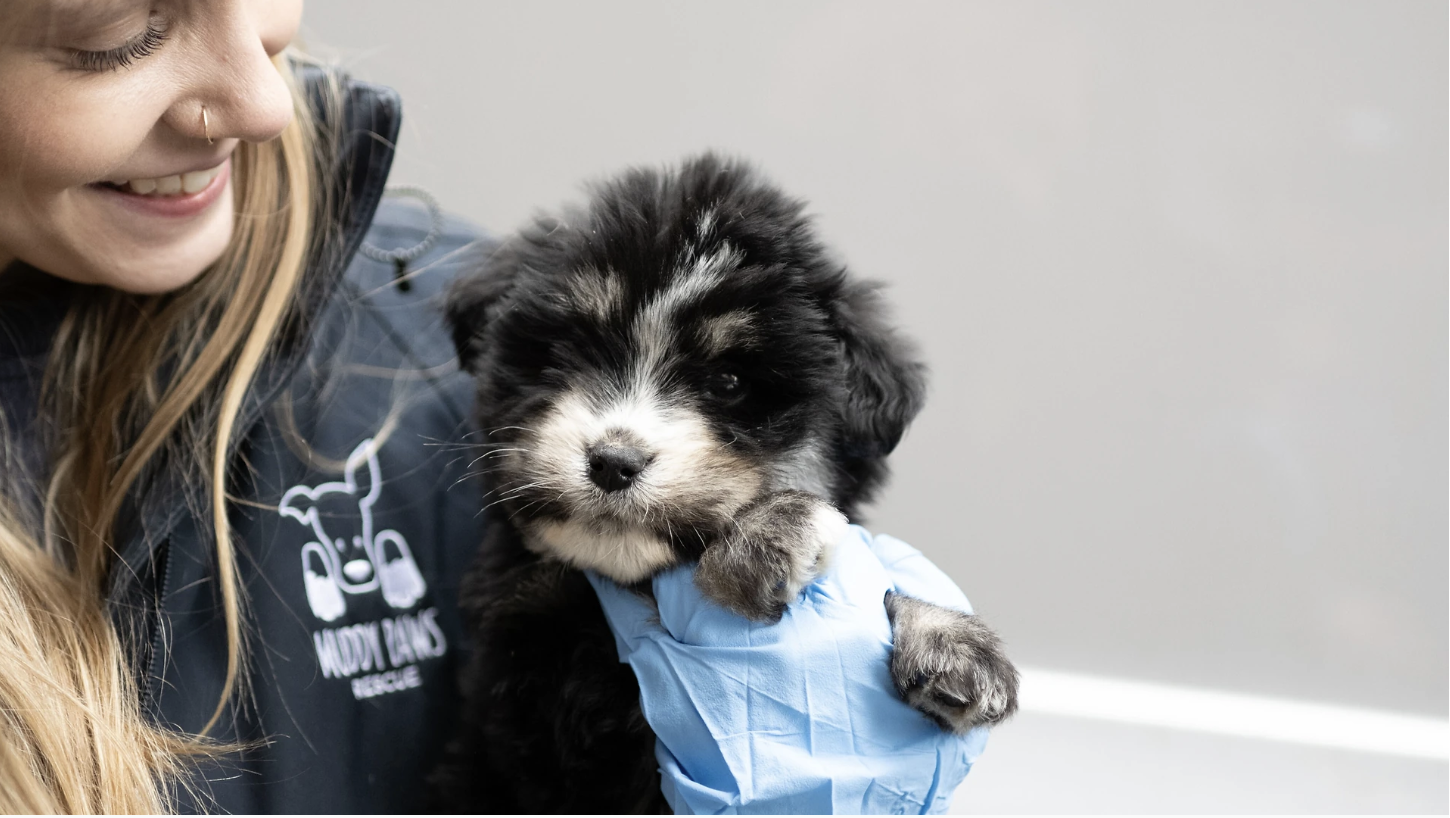
Operating prominently in Manhattan—with well-known adoption events hosted at locations like Petco in Union Square—Muddy Paws has achieved a monumental milestone: saving over 10,000 animal lives. Their success is rooted in a meticulously structured foster-care model. Rather than confining dogs to cages, Muddy Paws places intakes directly into responsible, vetted foster homes throughout the five boroughs and surrounding areas. This allows dogs to decompress, learn domestic manners, and reveal their authentic personalities in real-world settings.
How to Adopt Through Muddy Paws
Navigating the Muddy Paws adoption pipeline is designed to be transparent yet thorough. Prospective adopters can explore available dogs directly via their online adoption portal. A standout feature of their program is the utilization of flex adoptions, a progressive framework that often incorporates a "tryout" phase. This allows both the dog and the human family a grace period to assess compatibility in the actual home environment before finalizing the adoption legally—drastically reducing the rate of returned adoptions.
Community Integration and Fundraising
Beyond direct placement, Muddy Paws functions as a vital community educator. Through annual block parties, grassroots fundraisers, and public outreach campaigns, the organization fosters a culture of canine advocacy across New York City. They prove that urban environments—often perceived as hostile to dog ownership due to apartment living and fast-paced lifestyles—can yield some of the most dedicated, attentive pet parents in the country.
Future Outlook: The Next Decade of Animal Welfare in New York
As we look toward the future, the New York State dog rescue ecosystem stands at a fascinating intersection of innovation, community activism, and institutional maturation.
Technological Integration in Vetting and Matching
The adoption process is becoming increasingly streamlined through technology. Artificial intelligence and advanced data analytics are beginning to assist rescues in mapping behavioral profiles to adopter questionnaires, resulting in more accurate placements and lower return rates. Furthermore, virtual home checks and digital training portals have expanded access for adopters in remote upstate regions to connect with downstate foster networks seamlessly.
Legislative Horizons and Animal Rights
New York continues to be a legislative battleground for animal rights. Stricter state laws regulating retail pet stores—such as the ban on selling commercially bred dogs, cats, and rabbits in pet shops—have redirected consumer attention toward ethical rescue organizations. Future legislative efforts are expected to focus on increasing penalties for animal abandonment, supporting low-cost veterinary care initiatives in underserved communities, and expanding state grants for non-profit shelters.
The Ongoing Need for Foster Volunteers
Ultimately, the future success of New York’s rescue network relies not just on adopters, but on the invisible army of foster caretakers. As organizations like Muddy Paws demonstrate, the bottleneck in saving dogs is rarely public interest; it is the availability of physical temporary housing. Expanding the foster network statewide remains the single most effective strategy for combating shelter overcrowding.
Conclusion
Adopting a dog in New York State is a profound act of compassion that reverberates far beyond the individual household. By choosing rescue, individuals participate in an ethical movement that values life over commerce, rehabilitation over convenience, and community solidarity over isolation.
Whether you are seeking a high-energy running companion in the Adirondacks, a gentle senior lapdog in Brooklyn, or a playful puppy on Long Island, New York’s extraordinary network of rescues stands ready to guide you. By arming yourself with realistic expectations, financial preparedness, and a commitment to lifelong stewardship, you can open your heart and home to a deserving animal—and discover that, in saving a rescue dog, you may very well be the one who is rescued.