
Executive Overview
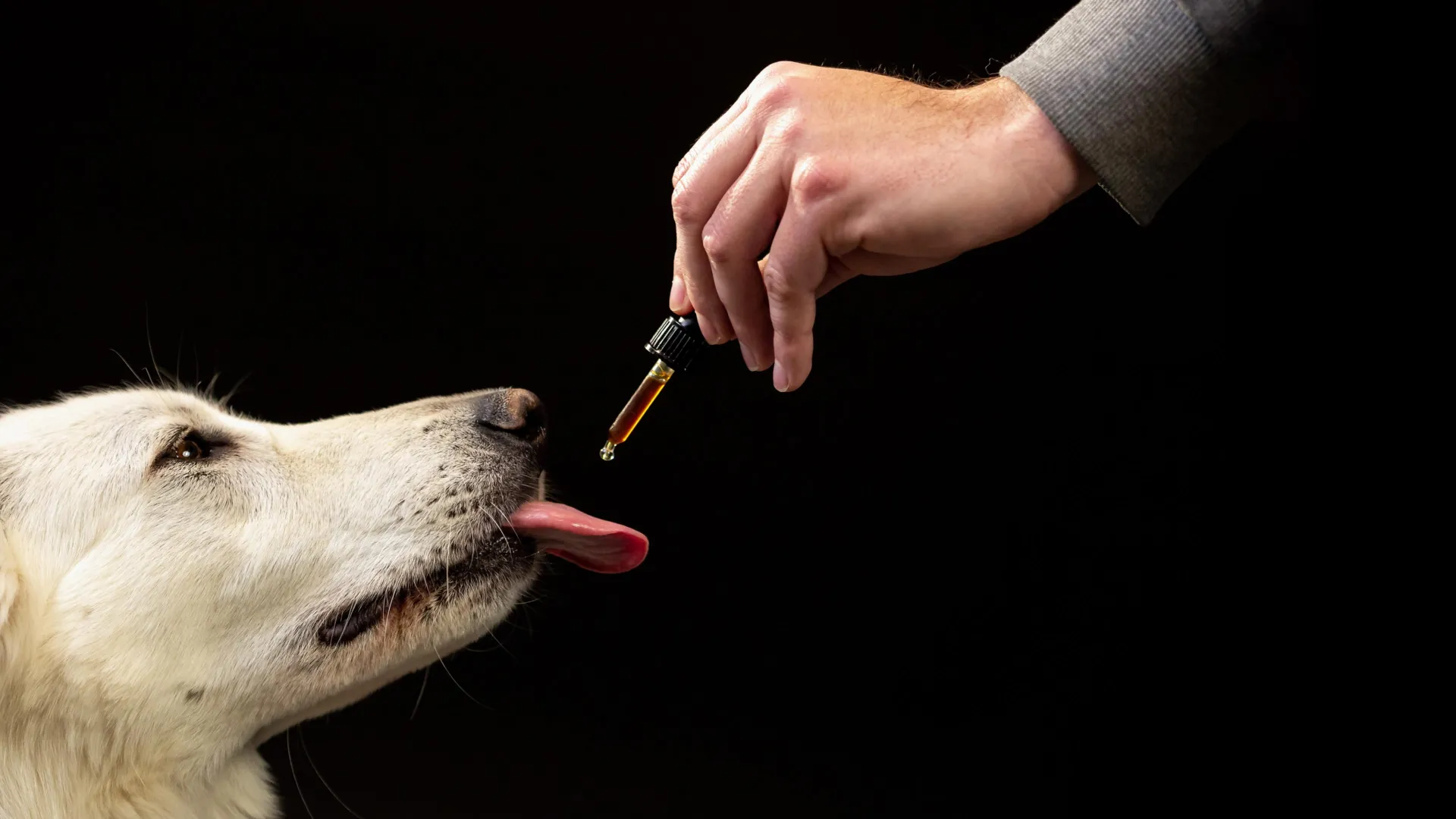
The landscape of veterinary medicine and pet wellness is undergoing a profound transformation, driven by an increasing consumer interest in holistic and alternative therapies. Cannabidiol (CBD)—a non-psychoactive compound derived from the cannabis plant—has long been utilized by humans seeking relief from chronic pain, inflammation, and nausea. Increasingly, pet owners are extending these remedies to their four-legged companions.
Now, a monumental new study published in the peer-reviewed journal Frontiers in Veterinary Science suggests that dogs may indeed reap similar therapeutic benefits. Researchers across the United States have unveiled findings from the most comprehensive investigation to date regarding CBD and hemp supplement usage among companion dogs. Leveraging data from the massive, community-science initiative known as the Dog Aging Project, researchers examined the health patterns, demographic characteristics, and behavioral profiles of tens of thousands of canines.
The study’s revelations are both fascinating and nuanced. While corroborating existing anecdotal evidence that older, ailing dogs are most frequently prescribed these supplements, the research team also uncovered unexpected longitudinal behavioral changes. Most notably, researchers observed that while dogs given CBD products for multiple years initially displayed higher levels of aggression compared to non-users, this aggression markedly subsided over extended periods.
This dynamic discovery opens new frontiers in veterinary neurology and behavioral science, hinting at CBD’s potential as a long-term therapeutic tool for canine behavioral challenges. However, the study also underscores critical knowledge gaps, urging caution among pet owners regarding product dosing, quality control, and potential gastrointestinal side effects. As the pet wellness market surges into uncharted territory, this large-scale analysis offers a foundational framework for understanding how cannabis-derived products interact with our canine companions—and mirrors biological parallels that could ultimately inform human medicine.
Detailed Chronology of the Research
To fully appreciate the significance of this latest study, one must examine the timeline and methodology that brought these findings to light. The research did not happen overnight; rather, it represents a massive data-mining and analytical triumph built upon years of longitudinal data collection.
The Foundation: The Dog Aging Project (2019–2023)
The cornerstone of this research relies on the Dog Aging Project, an ongoing, NIH-funded community science initiative designed to understand the biological and environmental determinants of aging in companion dogs. Between 2019 and 2023, the project deployed extensive annual surveys to tens of thousands of dog owners across the United States. These surveys captured granular details regarding each dog’s diet, lifestyle, living arrangements, medical diagnoses, and behavioral traits.
Data Extraction and Cohort Selection
Recognizing an unprecedented opportunity to study the burgeoning trend of canine CBD use, a team of researchers led by scientists at Arizona State University and the University of Tennessee filtered through the responses of an astonishing 47,355 dogs.
Rather than conducting a controlled clinical trial with a small sample size, the researchers utilized observational epidemiology. They categorized owners based on their responses regarding hemp and CBD supplement administration:
- Frequent Users: Dogs that received a CBD or hemp supplement every single day.
- Infrequent Users: Dogs that received supplements on an intermittent basis (less than once a day).
- Non-Users: Dogs whose owners indicated they had never been administered CBD or hemp products.
Analysis and Publication (2023–2024)
Once the data cohorts were established, statistical models were applied to identify correlations between CBD use and variables such as age, sex, geographic location, pre-existing health conditions, and behavioral shifts. After rigorous peer review, the findings were officially accepted and published in Frontiers in Veterinary Science, marking a critical milestone in veterinary cannabis research.
Supporting Context & Metrics: Who Gives Their Dogs CBD and Why?
The study yielded a wealth of demographic and epidemiological data, painting a vivid picture of the typical canine CBD consumer in the United States.
Prevalence of Use and Demographic Patterns
According to the analysis, 7.3% of all companion dogs in the surveyed U.S. population have been administered CBD and hemp products at some point. Among this group, 5.8% (2,759 dogs) were classified as frequent users, receiving the supplements on a daily basis.
When analyzing the demographic traits of these dogs, several distinct patterns emerged:
- Age Disparity: CBD users tend to be significantly older than non-users. On average, dogs receiving CBD were three years older than their non-supplemented counterparts. This aligns with the reality that older dogs are far more likely to suffer from age-related degenerative diseases.
- Gender Bias: Male dogs were found to be 9% more likely to receive CBD products than female dogs.
- Geographic Trends: Dogs residing in U.S. states where human medical cannabis is legally accessible were notably more likely to be given CBD by their owners. This suggests that human familiarity with, and positive attitudes toward, cannabis products heavily influence veterinary care decisions.
- Activity Levels: Interestingly, baseline physical activity levels did not differ significantly between dogs that used CBD and those that did not, indicating that owners do not typically restrict or alter exercise regimens based on supplement use.
Health Conditions Linked to CBD Administration
The decision to administer CBD is rarely arbitrary; it is overwhelmingly driven by specific, often debilitating, medical diagnoses. The study revealed clear hierarchies among the health issues most strongly associated with CBD use:
- Canine Dementia (Cognitive Dysfunction Syndrome): The strongest association was observed here, with 18.2% of dogs suffering from dementia receiving CBD products.
- Osteoarthritis and Joint Problems: Representing the second-highest correlation, 12.5% of dogs with degenerative joint issues were administered the supplements to manage pain and improve mobility.
- Cancer Diagnoses: 10% of dogs diagnosed with various forms of cancer received CBD, likely as an adjunctive therapy to manage pain, nausea, and loss of appetite.
Official Statements and Expert Analysis
The study’s authors have offered profound insights into what these findings mean for the future of veterinary behavioral medicine and pharmacology.
Dr. Maxwell Leung, senior author of the study, assistant professor, and director of the Cannabis Analytics, Safety and Health Initiative at Arizona State University, emphasized the unique behavioral trajectory uncovered by the research:
"Behaviorally, dogs given CBD products for multiple years are initially more aggressive compared to dogs not receiving those products, but their aggression becomes less intense over time."
Dr. Leung further contextualized the broader implications of the work, noting the striking physiological and medical intersections between humans and their canine companions:
"There are many similarities in how CBD can benefit dogs and humans medically. This study provides an early framework for examining how CBD might help address health and behavior problems in older dogs, as well as in humans with similar concerns."
Dr. Julia Albright, co-author and associate professor at the College of Veterinary Medicine at the University of Tennessee, expanded on the clinical significance of the long-term behavioral shifts observed in the cohort:
"This long-term behavioral change highlights the potential of CBD as a therapy for canine behavioral issues."
However, Dr. Albright also pointed out a fascinating paradox regarding the specific types of behavioral improvements observed. While multi-year CBD use correlated with a reduction in aggression, other stress-related behaviors—such as general anxiety or agitation—did not show the same direct correlation:
"Most canine aggression is related to underlying stress or anxiety—a fight or flight response that kicks in. It is unclear why only aggression but not other types of anxious or agitated behaviors seemed to be improved with CBD treatment."
Furthermore, Dr. Albright issued a pragmatic reminder regarding the current limitations of observational data:
"At this point, we do not have a complete picture about the behavioral treatment plan. We note that the study did not explore the biological reasons behind these behavioral shifts, and controlled research will be necessary to confirm CBD’s calming potential."
Future Outlook, Limitations, and Veterinary Cautions
While the Frontiers in Veterinary Science study represents a monumental leap forward in companion animal research, both the authors and independent veterinary toxicologists emphasize that the field is still in its infancy. Moving forward, the scientific community must address several inherent limitations and safety concerns.
Methodological Limitations
- Observational vs. Experimental: Because the data relied on annual owner-reported surveys via the Dog Aging Project, it is observational. This design establishes correlation, not direct causation.
- Lack of Pharmacological Standardization: The surveys did not track crucial variables such as exact CBD dosages, product formulations (e.g., full-spectrum vs. isolate), methods of administration (oils, treats, capsules), or the commercial sources of the products. Given the vast discrepancies in the unregulated pet supplement market, product quality varies wildly.
- Potential Owner Bias: Pet owners who invest financially in expensive supplements may suffer from confirmation bias, perceiving behavioral or medical improvements where none objectively exist, or conversely, misinterpreting baseline traits.
Safety and Side Effects
Veterinary professionals urge caution. CBD is not entirely without risk. The study and accompanying clinical consensus highlight that improper dosing or low-quality formulations can lead to adverse physiological reactions in dogs, most notably:
- Gastrointestinal upset
- Lethargy
- Diarrhea
- Potential interactions with hepatic enzymes that metabolize traditional prescription medications (such as anti-seizure drugs and NSAIDs).
The Road Ahead: What Needs to Happen Next?
To transition CBD from an alternative wellness trend into an evidence-based veterinary pharmaceutical, researchers must pivot toward randomized, double-blind, placebo-controlled clinical trials. These upcoming studies must isolate specific cannabinoid ratios, establish precise pharmacokinetic profiles, and measure biological markers of stress, inflammation, and pain in controlled environments.
Until then, veterinarians advise pet owners to approach CBD with an open yet discerning mind. Owners considering cannabis-derived products for their dogs should consult a licensed veterinarian, seek out reputable brands that provide third-party Certificates of Analysis (COAs), and start with conservative doses while monitoring their pets for any adverse gastrointestinal effects.
Ultimately, as pet ownership continues to evolve into a deeply health-conscious endeavor, this landmark study paves the way for safer, more targeted therapies that can enhance the quality of life for aging and ailing companion animals across the globe.