The opening of Nestlé Purina PetCare’s advanced manufacturing facility in Clermont County, Ohio, was initially celebrated as a triumph for local economic development. Supported by an estimated $10.5 million financial incentive package from state and municipal authorities, the project promised substantial capital investment and the creation of hundreds of manufacturing jobs. However, the multi-million-dollar deal has sparked an intense public debate over corporate accountability, state subsidy policies, and consumer protection standards.
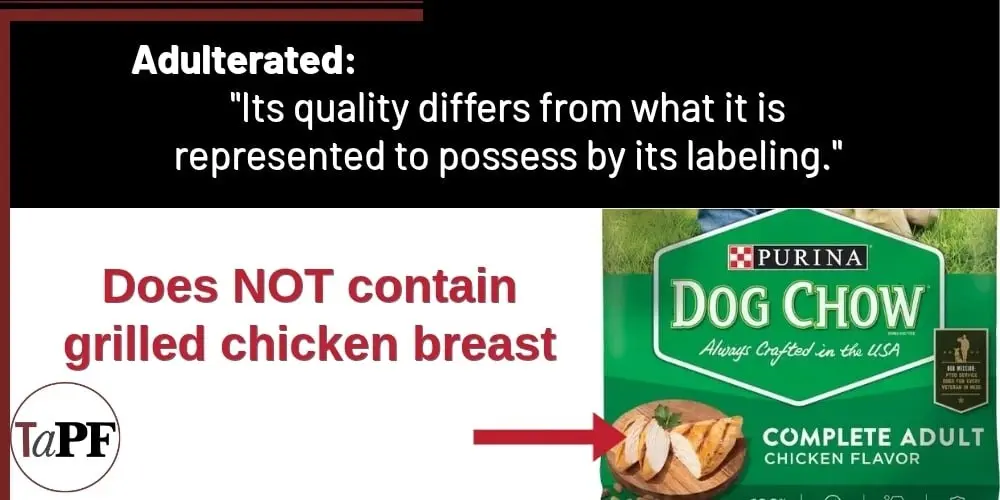
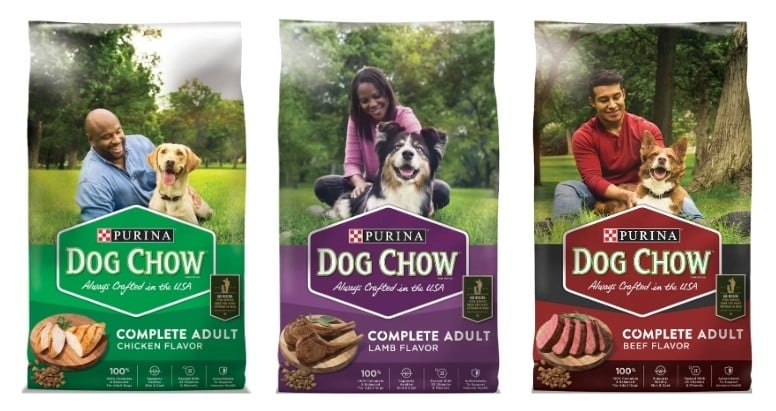
At the center of the controversy is a challenge spearheaded by pet food consumer advocates who argue that state and local governments should not subsidize corporations whose packaging practices may mislead the public. Critics point out that several of Purina’s widely distributed product lines—manufactured in facilities like the new Clermont County plant—feature prominent front-of-package imagery depicting whole, high-grade meats such as grilled chicken breasts, roasted lamb chops, and thick-cut steaks. In reality, the underlying ingredient lists reveal that the products contain no such whole-meat cuts. Instead, they rely on flavor additives and rendered feed-grade components, including chicken by-product meal and meat and bone meal.
This contrast has raised difficult questions regarding the application of Ohio’s commercial feed regulations, specifically statutory provisions governing misbranding and adulteration. Advocates are urging state lawmakers to investigate the propriety of granting tax credits to major corporations without enforcing strict compliance with consumer disclosure laws. As corporate economic incentives face increasing public scrutiny, the situation in Ohio highlights the tension between economic growth initiatives and the regulatory oversight required to protect consumers.
Detailed Chronology
Phase I: Site Selection and Subsidy Negotiations
The origin of the Clermont County project dates back nearly six years, when Nestlé Purina PetCare initiated a site-selection process for a modern manufacturing and distribution hub in the Midwest. Seeking to capture expanding market demand for pet care products, the company engaged in multi-jurisdictional negotiations with state and local economic development agencies.
To secure the investment, state officials alongside leaders from Clermont County and Williamsburg Township put together an incentive framework designed to reduce Purina’s capital expenditure and operational tax burdens.
+-----------------------------------------------------------------------------------+
|                        FINANCIAL INCENTIVE STRUCTURE                              |
+------------------------------------+----------------------------------------------+
| Incentive Category                 | Valuation / Scope                            |
+------------------------------------+----------------------------------------------+
| Initial State & Local Incentives   | $6.8 Million (Infrastructure & Development) |
| Municipal Land Discount            | $1.7 Million (County Real Estate Subsidy)    |
| Job Creation Tax Credit (10-Year)  | $2.0 Million (Tied to 300 New Jobs)          |
+------------------------------------+----------------------------------------------+
| TOTAL PUBLIC SUBSIDY               | $10.5 Million                                |
+------------------------------------+----------------------------------------------+
Phase II: Construction and Economic Promising
Following the execution of the incentive agreements, construction began on the multi-acre site spanning Williamsburg Township and Batavia. The facility, representing a total corporate expenditure exceeding half a billion dollars, was built to handle high-volume dry pet food production and regional distribution.
Throughout construction, municipal authorities highlighted the project as a model of successful public-private partnership. The state’s $2 million Job Creation Tax Credit was explicitly contingent upon Purina committing to hire at least 300 full-time workers, offering wages designed to bolster the local tax base.
Phase III: Plant Opening and Regulatory Pushback
As the facility became fully operational and products rolled off the production line, consumer advocacy groups—led by Susan Thixton of TruthaboutPetFood.com and the Association for Truth in Pet Food—began analyzing the flagship products associated with Purina’s dry dog food lines, including Purina Dog Chow.
Advocates published detailed comparisons between packaging artwork and ingredient panel disclosures. They argued that products showcasing images of flame-grilled meats contained ingredients restricted to rendered meals and synthesized or derived flavorings. This prompted formal calls for state legislators to review the $10.5 million subsidy, questioning whether public tax dollars should support companies that utilize questionable packaging tactics.
Supporting Context & Metrics
To evaluate the merits of the ongoing dispute, it is necessary to examine both the financial dimensions of the public incentive package and the statutory framework governing commercial feed and pet food labeling in Ohio.
The Financial Incentive Structure
The total taxpayer-backed funding provided to Nestlé Purina comprises several distinct layers of state and local support:
Direct Infrastructure and Development Grants ($6.8 Million): Funds allocated by state and regional agencies to support site preparation, utility extensions, and surrounding roadway upgrades necessary to accommodate heavy freight traffic.
County Real Estate Subsidies ($1.7 Million): A negotiated land price discount provided by Clermont County to lower the company’s real estate acquisition costs.
Performance-Based Tax Credits ($2.0 Million): A 10-year Job Creation Tax Credit managed by the Ohio Department of Development, tied to the creation and retention of 300 permanent positions.
While state development agencies view these funds as standard tools to attract capital investment, public policy analysts note that performance metrics rarely include strict evaluations of consumer transparency or product labeling practices.
Package Imagery vs. Ingredient Formulations
The primary source of consumer concern lies in the discrepancy between front-of-package graphic representations and actual ingredient decks.
Under current industry guidelines set by the Association of American Feed Control Officials (AAFCO), a product labeled as "Chicken Flavor" is only required to contain an ingredient that imparts the designated flavor, which can be derived from animal digest, rendered meals, or synthetic flavorings. However, consumer advocates argue that displaying a fully prepared, human-grade cut of meat on the front panel—without a clear concurrent disclaimer stating that such cuts are absent—violates basic consumer protection principles.
Statutory Analysis: Ohio Commercial Feed Law
The regulatory controversy centers on the enforcement of the Ohio Revised Code (ORC) Section 923.48, which outlines the statutory conditions under which commercial feed or pet food is deemed adulterated or misbranded.
Section 923.48(A)(8) explicitly states that commercial feed shall be considered adulterated if:
"Its composition or quality falls below or differs from what it is purported or represented to possess by its labeling."
Advocates maintain that displaying pictures of premium steaks, chops, and whole poultry breasts explicitly represents to the ordinary consumer that these cuts are present within the product. Because the actual contents consist of feed-grade rendered ingredients—such as chicken by-product meal and meat and bone meal—the composition "differs from what it is represented to possess."
+-----------------------------------------------------------------------------------+
|                       INGREDIENT CLASSIFICATION METRICS                           |
+--------------------------+-----------------------------+--------------------------+
| Ingredient Type          | Processing Standard         | Inspection Source        |
+--------------------------+-----------------------------+--------------------------+
| Human-Grade Cut          | Whole muscle tissue;        | USDA Inspected & Passed  |
| (Breast, Chop, Steak)    | strictly refrigerated       | for Human Consumption    |
+--------------------------+-----------------------------+--------------------------+
| Chicken By-Product Meal  | Rendered ground clean parts | Feed-Grade Facility;     |
|                          | of carcass (neck, feet, egg)| non-human edible parts   |
+--------------------------+-----------------------------+--------------------------+
| Meat and Bone Meal (MBM) | Rendered mammal tissues     | Feed-Grade Facility;     |
|                          | including bone fragments    | blended multi-species    |
+--------------------------+-----------------------------+--------------------------+
Safety Risks Associated with Rendered Feed Ingredients
Beyond visual misrepresentation, critics cite historical regulatory findings regarding rendered ingredients. Rendered meals—such as Meat and Bone Meal (MBM)—are processed at high temperatures to separate fat from protein and bone material. These ingredients can legally be sourced from animals that died from causes other than slaughter, unless explicitly certified otherwise.
In a landmark survey conducted by the U.S. Food and Drug Administration (FDA) Center for Veterinary Medicine (CVM), researchers evaluated pentobarbital residue in commercial dog food. The FDA concluded:
"There appear to be associations between rendered or hydrolyzed ingredients and the presence of pentobarbital in dog food. The ingredients Meat and Bone Meal (MBM), Beef and Bone Meal (BBM), Animal Fat (AF), and Animal Digest (AD) are rendered or hydrolyzed from animal sources that could include euthanized animals."
While modern manufacturing standards have improved quality control across major supply chains, consumer groups emphasize that without strict verification showing that every batch of rendered meal originates exclusively from USDA-inspected and passed animals, the risk of adulteration remains a regulatory concern.
Official Statements & Key Perspectives
Consumer Watchdog & Advocacy Organizations
Susan Thixton, founder of TruthaboutPetFood.com and representative for the Association for Truth in Pet Food, issued a public call to action directed at Ohio lawmakers and state agricultural regulators:
"Taxpayers in Ohio have effectively subsidized Nestlé Purina to the tune of $10.5 million. It is completely unacceptable for state authorities to hand out public money while turning a blind eye to product packaging that deceives pet owners. When a bag displays a picture of a juicy steak or a grilled chicken breast, consumers reasonably expect those ingredients to be in the food.
If a company is benefiting from public funds, it must be held to the highest standard of regulatory compliance. We urge Ohio residents to contact their state representatives, demand a full inquiry into this incentive package, and require state regulators to enforce existing feed laws without granting discretionary passes to major corporations."
Corporate & Industry Defense Framework
While Nestlé Purina has not issued a formal legal response to these specific advocacy statements, the pet food industry historically defends labeling practices by pointing to compliance with AAFCO definitions and FDA regulations:
Regulatory Compliance: Industry representatives maintain that all product packaging fully complies with federal and state feed control laws, including AAFCO flavor designation guidelines.
Ingredient Transparency: Companies emphasize that the mandatory ingredient declaration list printed on the back or side panel provides a complete disclosure of all components, satisfying regulatory requirements.
Nutritional Value: Manufacturers argue that rendered meals, such as chicken by-product meal, provide concentrated protein and essential amino acids necessary for complete pet nutrition, regardless of front-of-pack artistic depictions.
State & Local Economic Development Authorities
State and local officials continue to frame the $10.5 million incentive package through the lens of economic growth and industrial modernization:
Job Creation: Public officials emphasize that the primary goal of the subsidy package was securing 300 permanent, high-paying manufacturing and distribution jobs for Clermont County residents.
Capital Investment: State agencies highlight that the $10.5 million public commitment leveraged over $500 million in private capital investment, generating long-term property, sales, and municipal income tax revenues.
Scope of Authority: Economic development agencies operate independently of agricultural regulatory boards, maintaining that incentive packages are legally governed by job creation targets rather than product labeling disputes.
Future Outlook
The dispute in Clermont County reflects a broader shift in consumer expectations regarding supply chain transparency, corporate welfare, and regulatory enforcement.
+-----------------------------------------------------------------------------------+
|                        FUTURE POLICY & REGULATORY SCENARIOS                       |
+-----------------------------+-----------------------------------------------------+
| Strategic Focus             | Potential Industry & Policy Outcomes                |
+-----------------------------+-----------------------------------------------------+
| Legislative Reform          | Introduction of mandatory compliance audits prior   |
|                             | to issuing or renewing state tax credits.           |
+-----------------------------+-----------------------------------------------------+
| Packaging Disclosure Shifts | Regulatory mandates requiring front-of-pack text    |
|                             | clarifying that imagery is purely illustrative.     |
+-----------------------------+-----------------------------------------------------+
| Legal & Class Action Risk   | Increased risk of false advertising litigation from  |
|                             | consumer protection law firms.                      |
+-----------------------------+-----------------------------------------------------+
| Supply Chain Traceability   | Enhanced demands for USDA-certified ingredient      |
|                             | tracking in commercial pet food manufacturing.      |
+-----------------------------+-----------------------------------------------------+
Potential Legislative and Policy Impacts
Subsidies Conditional on Regulatory Compliance: State legislators may consider introduced bills requiring corporate subsidy recipients to undergo comprehensive regulatory audits by state departments of agriculture and consumer protection agencies.
Re-evaluation of Commercial Feed Rules: State agricultural boards may face mounting pressure to revise commercial feed labeling guidelines, potentially requiring explicit disclaimers on packaging where illustrated ingredients differ from actual protein sources.
Litigation Risks: The discrepancy between front-of-pack graphics and ingredient panels continues to serve as a catalyst for consumer class-action lawsuits targeting major consumer packaged goods (CPG) companies for misbranding and unfair trade practices.
Conclusion
As Nestlé Purina expands operations at its Clermont County plant, the debate over its $10.5 million tax package serves as a case study in modern corporate governance. Moving forward, state economic development strategies will likely face closer scrutiny from advocacy groups demanding that public subsidies be conditioned not only on economic production, but also on complete product transparency and consumer protection.