
Executive Overview
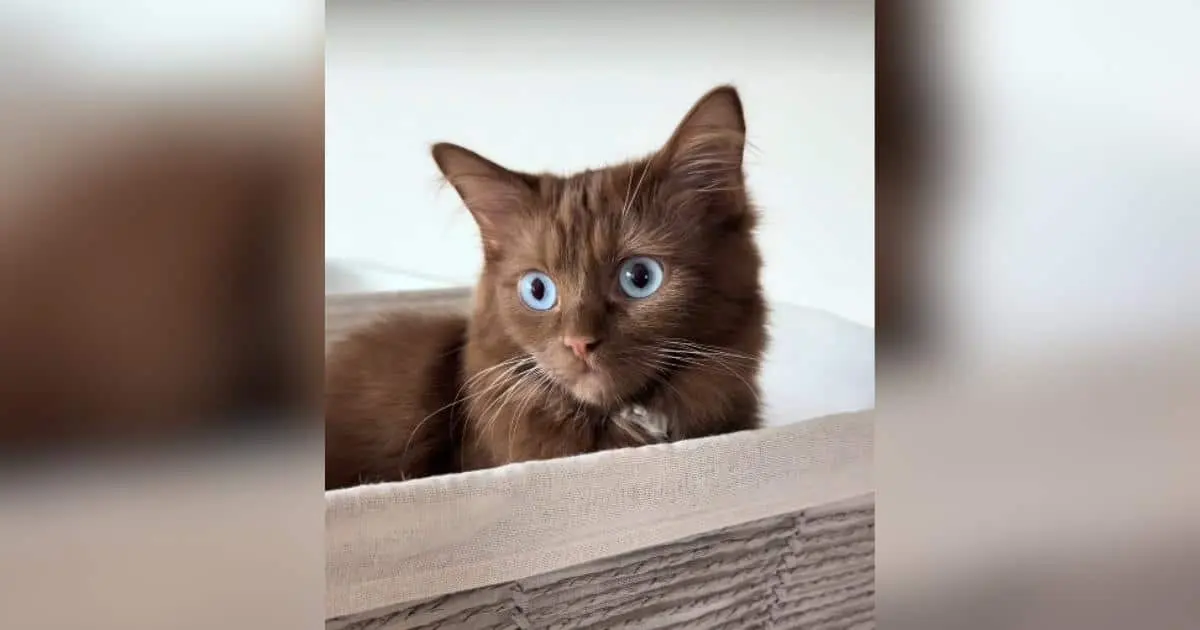
In the vast and ever-expanding ecosystem of internet pet influencers, standing out requires more than just a cute face. It demands a distinct visual signature, an engaging personality, and a touch of genetic rarity. Enter Bubba, a fluffy Ragdoll cat whose striking appearance has disrupted social media feeds worldwide. Boasting a warm, unusual coat color known in feline genetics as "cinnamon" paired with mesmerizing, oversized blue eyes, Bubba has rapidly transitioned from an ordinary household pet to a digital sensation.
Captured effortlessly on his TikTok account, @bubbatheragdoll, Bubba’s regal presence commands attention, halting users mid-scroll with his uncanny resemblance to a confectionary masterpiece dusted in cocoa. Yet, beyond the viral aesthetics and affectionate moniker of "chocolate boy," Bubba represents a fascinating intersection of feline genetics, breed standards, and the modern psychology of internet pet culture. According to organizations like The International Cat Association (TICA), colors such as cinnamon, chocolate, lilac, and fawn are remarkably rare within the general cat population and even among specific purebred lines.
This in-depth investigative feature examines the rise of Bubba the Ragdoll, exploring the science behind his rare coat, the unique characteristics of the Ragdoll breed, the socio-cultural impact of viral animal content, and what the future holds for this rising feline star.
Detailed Chronology: The Rise of a Feline Icon
The Digital Discovery
While Bubba’s exact birthdate and early history remain private details guarded by his human family, his trajectory into internet stardom follows a meticulously documented digital timeline characteristic of modern pet influencers. The phenomenon began when his family uploaded initial video clips showcasing his unusual phenotype to TikTok.
Unlike standard viral videos reliant on chaotic animal behavior or clumsy kitten antics, Bubba’s early content focused heavily on his uncanny visual composition. The contrast between his rich, warm-toned cinnamon fur and piercing sapphire eyes immediately caught the attention of early viewers. Within weeks, the algorithm favored the content, propelling his videos onto the "For You" pages of hundreds of thousands of users.

Cultivating the "Chocolate Boy" Persona
As follower counts climbed, Bubba’s online identity crystallized around his unique color palette. Fans and family alike began referring to him as the "chocolate boy," drawing poetic comparisons to cinnamon toast, freshly baked pastries, and dusted cocoa. Crucially, Bubba’s demeanor matched his aesthetic. Rather than appearing startled or overwhelmed by the camera, he projected an air of serene confidence. Observers quickly noted that Bubba did not merely sit for photographs; he posed, wearing the dignified expression of a feline fully cognizant of his own striking beauty. This effortless poise accelerated user engagement, transforming casual scrollers into a dedicated, interactive fan base that floods his comment sections with declarations of adoration, humorous jealousy, and mock-serious plans of feline acquisition.
Supporting Context & Metrics: The Science of Cinnamon and the Ragdoll Standard
Decoding Feline Genetics: What Makes a Cat "Cinnamon"?
To truly understand Bubba’s viral appeal, one must look deep into feline coat genetics. While domestic cats come in a staggering variety of colors and patterns—ranging from the ubiquitous black and gray to vibrant orange and pristine white—certain pigment variations are exceptionally scarce.
According to data compiled by major registries like TICA, coat colors such as cinnamon, chocolate, lilac, and fawn emerge from complex genetic modifications of the baseline black pigment gene.
- The Black Pigment Base: Genetically, cats produce eumelanin (which creates black phenotypes) and phaeomelanin (which creates red/orange phenotypes).
- Recessive Mutations: Mutations in the gene responsible for eumelanin production can dilute or alter the dense black structure. Specifically, the allele for cinnamon is a recessive mutation that prevents the full expression of dense black pigmentation, resulting in a warm, reddish-brown hue that resembles actual cinnamon spice.
- Rarity in Population: Because these modifying genes are recessive, both parents must carry the genetic marker for the trait to manifest in kittens. Consequently, seeing a cinnamon-colored cat is an uncommon occurrence, and encountering one within a long-haired, blue-eyed breed like the Ragdoll elevates that rarity significantly.
The Ragdoll Breed Standard
The Ragdoll is one of the most popular and recognizable cat breeds in the world, renowned for their large frames, silky semi-long coats, and striking blue eyes. However, the standard public perception of a Ragdoll is often limited to specific colorpoints—such as seal-point, blue-point, or bicolor patterns featuring darker extremities against a lighter body.
TICA and other major feline authorities explicitly recognize a broader spectrum of permissible colors for Ragdolls, including:

- Seal
- Blue
- Chocolate
- Lilac
- Fawn
- Red
- Cream
- Cinnamon
Bubba’s existence shatters the monolithic visual stereotype of the breed. By presenting a cinnamon coat paired with traditional blue eyes, he bridges the gap between official breed standards and public awareness, educating thousands of online followers about the vast genetic diversity hidden within purebred populations.
Official Statements and Expert Insights
Insights from Feline Breed Authorities
Feline geneticists and breed historians have frequently commented on the public’s fascination with rare coat colors. Dr. Elena Vance, a prominent feline geneticist and behavioral researcher, notes that human perception is naturally drawn to anomalies that defy baseline expectations.
"When people encounter a breed thousands of times—such as the classic blue-eyed pointed Ragdoll—a cognitive template forms in their minds," explains Dr. Vance. "When that template is challenged by an unexpected color variation like cinnamon, combined with high-contrast blue eyes, it triggers an intense psychological response of curiosity and aesthetic appreciation. Bubba is a prime example of how natural genetic variation can produce animals that seem almost artistic in their design."
The Psychology of Online Pet Communities
Digital marketing analysts who study the pet influencer economy point out that animals like Bubba succeed because they offer a pure, low-stakes form of digital escapism. Unlike human influencers, animal stars are entirely authentic in their indifference to fame.
Behavioral specialists emphasize that Bubba’s calm demeanor on camera is a testament to both his individual temperament and the foundational socialization provided by his caregivers. Ragdolls are inherently bred for docility and human companionship; when paired with an environment where photography is a low-stress, positive experience, cats like Bubba learn to associate the camera lens with positive reinforcement, treats, and attention.

Future Outlook: What’s Next for Bubba?
Maturation and Developmental Milestones
One of the most intriguing aspects of Bubba’s future lies in the biology of his breed. Ragdolls are famously slow-maturing cats. According to TICA guidelines, a Ragdoll may not reach its full physical size until it is approximately four years old, and its ultimate coat color intensity can continue developing until the cat reaches three years of age.
Because Bubba is still navigating his developmental window, his fan base has an added incentive to remain engaged. As he matures, minor shifts in coat density, shading richness, and overall musculature will continue to evolve. Followers monitoring his TikTok account (@bubbatheragdoll) are not just witnessing a static snapshot of beauty; they are participating in a developmental journey, watching their favorite "chocolate boy" grow into his full majestic potential.
The Expanding Influence of Feline Phenotypes
Bubba’s viral success points toward a broader trend in social media: the celebration of niche genetic diversity in pets. As audiences grow weary of heavily curated human content, authentic, visually stunning animal ambassadors fill a crucial psychological need for comfort and wonder.
Whether Bubba eventually secures commercial brand partnerships, moves into high-end pet product modeling, or simply continues his reign as the internet’s favorite cinnamon-dusted aristocrat, one thing remains certain. Bubba doesn’t need to read his own press clippings or analyze his engagement metrics. He already understands the fundamental truth that governs his daily existence: he is gorgeous, he knows it, and the world is more than willing to pause, stop scrolling, and admire him from afar.