
Executive Overview
In the field of municipal animal welfare, shelters nationwide struggle with a persistent and compounding crisis: chronic overcrowding, limited operational budgets, and the daunting challenge of public engagement. Conventional shelter marketing has historically relied on urgent pleas, highlighting the stark realities of euthanasia lists and cramped kennels. However, a recent initiative at Conway Animal Services in Arkansas has demonstrated the profound efficacy of an alternative approach—joy-based, enrichment-focused digital storytelling.
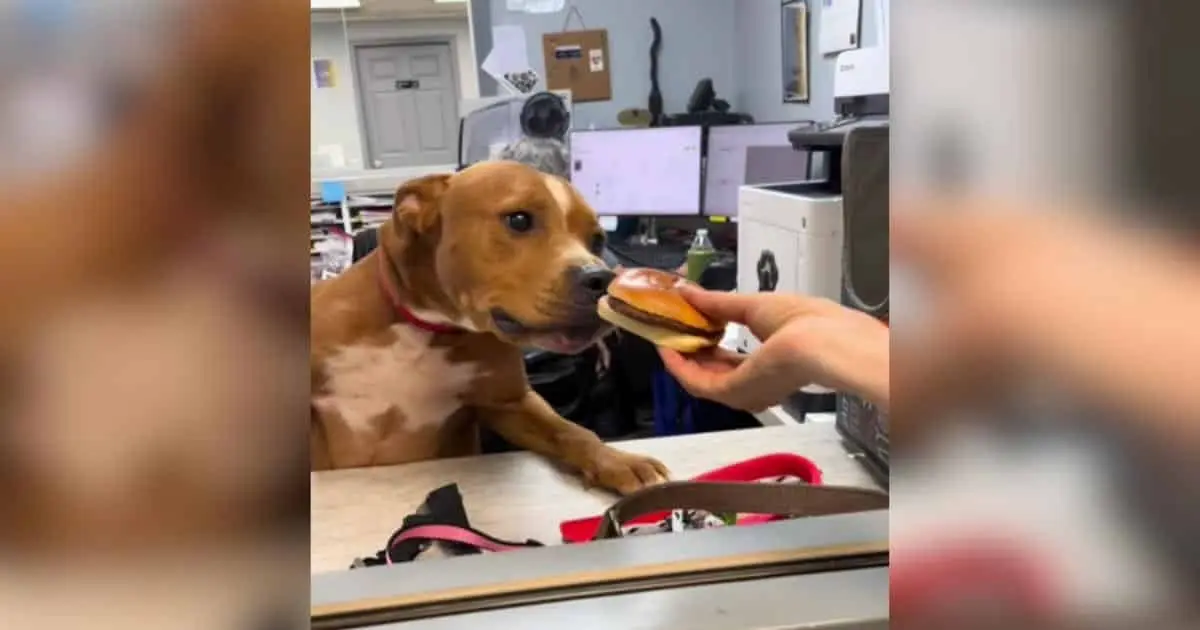
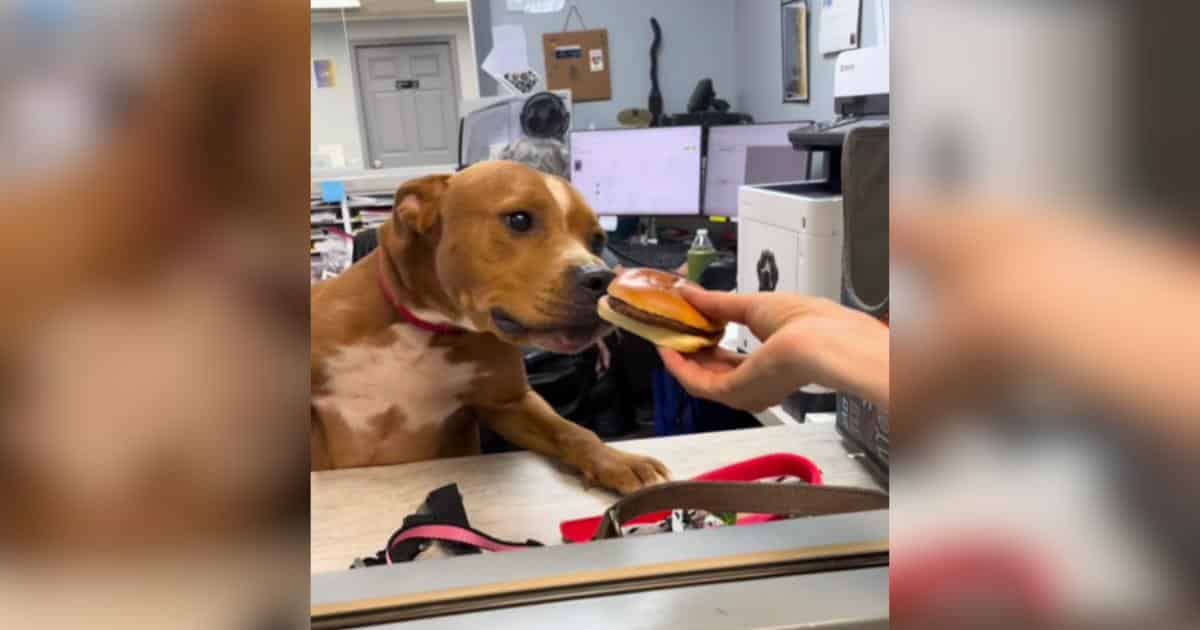
What began as a simple, anonymous donation of fresh hamburgers transformed into "Burger Day," an event that offered the shelter’s canine residents a rare sensory escape from their daily routines. Staff captured the dogs’ candid, enthusiastic reactions on video, publishing the compilation to social media. The media asset did not merely accumulate views; it served as a highly effective behavioral showcase.
In the weeks following the campaign’s broadcast, every single dog featured in the footage was successfully adopted into a permanent home. This investigative report examines the chronology of the event, analyzes the behavioral and psychological mechanisms that drove its success, and outlines how municipal shelters can leverage low-cost enrichment and authentic digital media to empty their kennels.
Detailed Chronology
[Donor Contribution] ──> [Logistics & Safety] ──> [The Event & Filming] ──> [Social Media Release] ──> [100% Adoption Rate]The transformation of Conway Animal Services from a quiet municipal holding facility to the center of a viral adoption wave occurred through a systematic series of events.
Phase 1: The Catalyst and Donation Logistics
The initiative was set in motion when a local supporter approached Conway Animal Services with a unique proposition: a bulk donation of freshly prepared, plain beef hamburgers, sized and cooked specifically for the shelter’s canine population.
While food donations are common, bulk cooked meat presents logistical and safety considerations for shelter staff. Administrators had to ensure that the ingredients were safe—devoid of onions, garlic, heavy seasonings, or toxic additives often found in commercial fast food. Once cleared by veterinary protocols, staff coordinated a distribution plan designed to prevent food-aggression issues within the kennel blocks.
Phase 2: Execution and Behavioral Observation
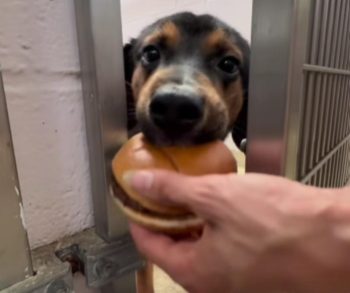
On the designated "Burger Day," staff systematically moved through the kennels to deliver the warm treats. Recognizing the unique visual potential of the event, employees documented each dog’s reaction.
The responses varied widely, offering a rare window into each animal’s distinct temperament:
- The Analytical Evaluator: Several dogs approached the offering with caution, gently sniffing the burger, carrying it to the back of their kennel, and consuming it methodically.
- The Enthusiastic Consumer: Other residents bypassed hesitation entirely, catching or swallowing the treat with unbridled excitement, accompanied by frantic tail wags and play bows.
- The Social Engager: A few dogs used the moment to interact directly with the handler, seeking eye contact and physical reassurance before enjoying their meal.
By recording these unscripted moments, the shelter captured behavioral profiles that standard, static adoption photography simply cannot convey.
Phase 3: Digital Dissemination and Viral Reach
The raw footage was edited into a short, high-energy video reel and uploaded to the shelter’s official social media channels. Rather than framing the dogs through a lens of tragedy or confinement, the video emphasized vitality, humor, and individuality. The content quickly resonated with the local community and broader digital audiences, generating thousands of shares, comments, and direct inquiries.
Phase 4: The Adoption Surge
Within days of the video’s publication, Conway Animal Services experienced a notable increase in foot traffic and adoption applications. Prospective adopters arrived at the facility specifically requesting the "dogs from the burger video."
One by one, the featured dogs passed their behavioral matches and left the facility with their new families. Ultimately, the shelter confirmed an unprecedented milestone: a 100% adoption rate for the canine cohort featured in the campaign.
Supporting Context & Metrics
To understand why a simple hamburger donation yielded such a significant operational victory, it is necessary to examine the underlying principles of animal shelter marketing, canine behavioral science, and digital consumer psychology.
Traditional "Pity-Based" Marketing          Joy-Based Enrichment Marketing
┌──────────────────────────────────────┐     ┌──────────────────────────────────────┐
│ • Focuses on confinement & sadness   │     │ • Highlights individual personality  │
│ • Can induce viewer compassion fatigue│ VS  │ • Fosters positive emotional pairing │
│ • High initial emotional friction    │     │ • Lowers barrier to public engagement│
└──────────────────────────────────────┘     └──────────────────────────────────────┘
The Shift from Pity to Joy in Shelter Marketing
For decades, animal welfare organizations utilized "pity marketing"—visuals of sad, neglected animals behind bars—to elicit donations and adoptions. While temporarily effective, modern research indicates this strategy often leads to compassion fatigue.
When prospective adopters are repeatedly exposed to distressing imagery, they may disengage from shelter social media feeds to protect their emotional well-being.
In contrast, joy-based marketing—such as the Conway "Burger Day" campaign—creates a positive emotional pairing. Viewers experience amusement and warmth, which increases the likelihood of social sharing. By presenting the dogs as joyful, resilient, and relatable, the shelter lowered the psychological barrier to adoption, making the prospect of visiting the facility feel inviting rather than emotionally draining.
The Science of Canine Sensory Enrichment
Life in a municipal shelter is characterized by chronic sensory under-stimulation and high ambient noise, which can elevate cortisol levels in dogs. This stress often manifests as barrier reactivity, repetitive pacing, or depression—behaviors that make dogs appear less adoptable to visitors walking through the kennels.
| Enrichment Type | Operational Benefit | Behavioral Impact on Canines |
|---|---|---|
| Nutritional (e.g., Burgers) | High-value food breaks routine monotony | Drastically lowers cortisol, encourages calm focus |
| Auditory (e.g., Classical Music) | Dampens high-frequency kennel echoing | Reduces recreational barking and kennel-wide stress |
| Tactile (e.g., Agility, Grass) | Provides physical outlets outside concrete | Encourages social play-bows and relaxed postures |
High-value food enrichment, such as a warm hamburger, serves as a powerful sensory disruptor. The novel scent and taste stimulate the brain’s reward centers, temporarily reducing anxiety and encouraging relaxed, social behaviors. A relaxed dog is far more likely to present well to potential adopters, breaking the cycle of long-term confinement.
Official Statements and Behavioral Insights
The staff at Conway Animal Services noted that the event was as beneficial for the shelter’s personnel as it was for the animals. Managing a municipal shelter carries a high risk of burnout, driven by emotional labor and overcrowding.
"Watching the wagging tails and happy faces was a reminder of how much small acts of kindness can brighten a shelter pet’s day," the shelter shared in a statement. "Moments like these help remind staff why they do the work they do."
Behavioral experts point out that the video succeeded because it effectively bypassed the "kennel barrier." In a standard shelter environment, dogs are viewed through chain-link fencing, often barking or retreating due to stress.
By showcasing the dogs engaging in a highly relatable, domestic activity—eagerly eating a treat—the video allowed viewers to visualize these animals in a home setting. They were no longer just shelter statistics; they were potential family members showing their true, uninhibited personalities.
Future Outlook: Replicating the "Conway Model"
The success at Conway Animal Services offers a scalable, highly replicable framework for municipal and private shelters worldwide. As shelters continue to face budget constraints, leveraging micro-philanthropy and creative content creation represents the next frontier in animal advocacy.
[Local Business / Donor] ──> Provides Low-Cost, Safe Treats (Burgers, Pup cups)
                                     │
                                     ▼
[Shelter Operations]     ──> Distributes Treats + Records High-Definition Video
                                     │
                                     ▼
[Digital Platforms]      ──> Publishes Personality-Focused, Shareable Content
                                     │
                                     ▼
[Community Response]     ──> Drives Accelerated Adoption Rates & Volunteerism
Key Takeaways for Shelter Administrators:
- Engage in Micro-Philanthropy: Encourage local businesses or individual donors to sponsor specific "Enrichment Days" (e.g., "Taco Tuesday" with dog-safe ingredients, or "Pup Cup" afternoons). This lowers the financial barrier for donors who want to see the direct impact of their contributions.
- Prioritize Video Over Static Imagery: Standard adoption photos often fail to capture a dog’s gait, playfulness, or gentle nature. Short-form video reels that capture movement and genuine reactions are far more effective at driving digital engagement.
- Showcase the Ordinary: Shelters do not need high-budget production teams to create viral content. Capturing simple, authentic moments of joy—such as a dog receiving a toy, splashing in a plastic pool, or enjoying a unique treat—resonates deeply with audiences.
By shifting the narrative from confinement to capability, Conway Animal Services proved that the path to empty kennels is paved with empathy, creativity, and a few well-timed hamburgers. The legacy of their "Burger Day" lives on not just in the viral video, but in the quiet, warm living rooms where those shelter dogs now sleep.