
Executive Overview
Long before the advent of modern civilization, the domestication of the dog fundamentally altered the trajectory of human history. Often hailed as "man’s best friend," the domestic dog (Canis lupus familiaris) occupies a singular status in the natural world. Archaeological excavations have revealed domestic dogs interred alongside human beings in graves dating back an astonishing 14,000 years. Across the globe, canines are immortalized in ancient artwork spanning every continent, serving as sacred figures in the mythology, religion, and folklore of countless cultures.
Yet, the traditional narrative of canine domestication—which long cast humans as absolute masters who unilaterally subjugated wild wolves—is undergoing a profound transformation. In his groundbreaking new book, First Dogs: Hunter-Gatherers and their Canine Companions from Prehistory to the Present (Routledge), archaeologist Professor Peter Mitchell challenges orthodox views. Mitchell posits that the genesis of our relationship with dogs was not a swift, master-and-servant conquest, but rather a complicated, gradual, and remarkably collaborative process.
Long before humanity brought plants and other livestock under systematic agricultural control, ancient hunter-gatherer communities and ancestral canids may have entered into a relationship as relatively equal participants. As these bonds took root across disparate geographic landscapes, dogs underwent a breathtaking morphological and genetic divergence. Today, the global canine population displays a staggering degree of diversity, ranging from the pocket-sized Chihuahua to the towering Great Dane.
This deep-dive investigation examines how humans and dogs co-evolved over millennia, driven by environmental pressures, cultural traditions, disease barriers, and the mutual imperatives of survival. Drawing upon archaeological finds, cutting-edge genetic studies, ethnographic records, and expert insights, this article explores how our canine companions helped humanity conquer the planet—and how, in turn, humanity reshaped the very biology of the dog.
Detailed Chronology: The Long, Slow Convergence of Wolves and Humans
To understand the modern dog, one must look far back into the Pleistocene epoch, tracing a timeline defined not by sudden evolutionary leaps, but by a prolonged, reciprocal convergence.
Phase I: The Pre-Domestication Partnership (Pre-15,000 Years Ago)
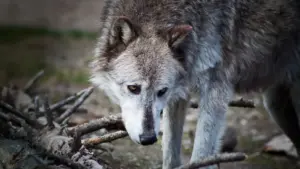
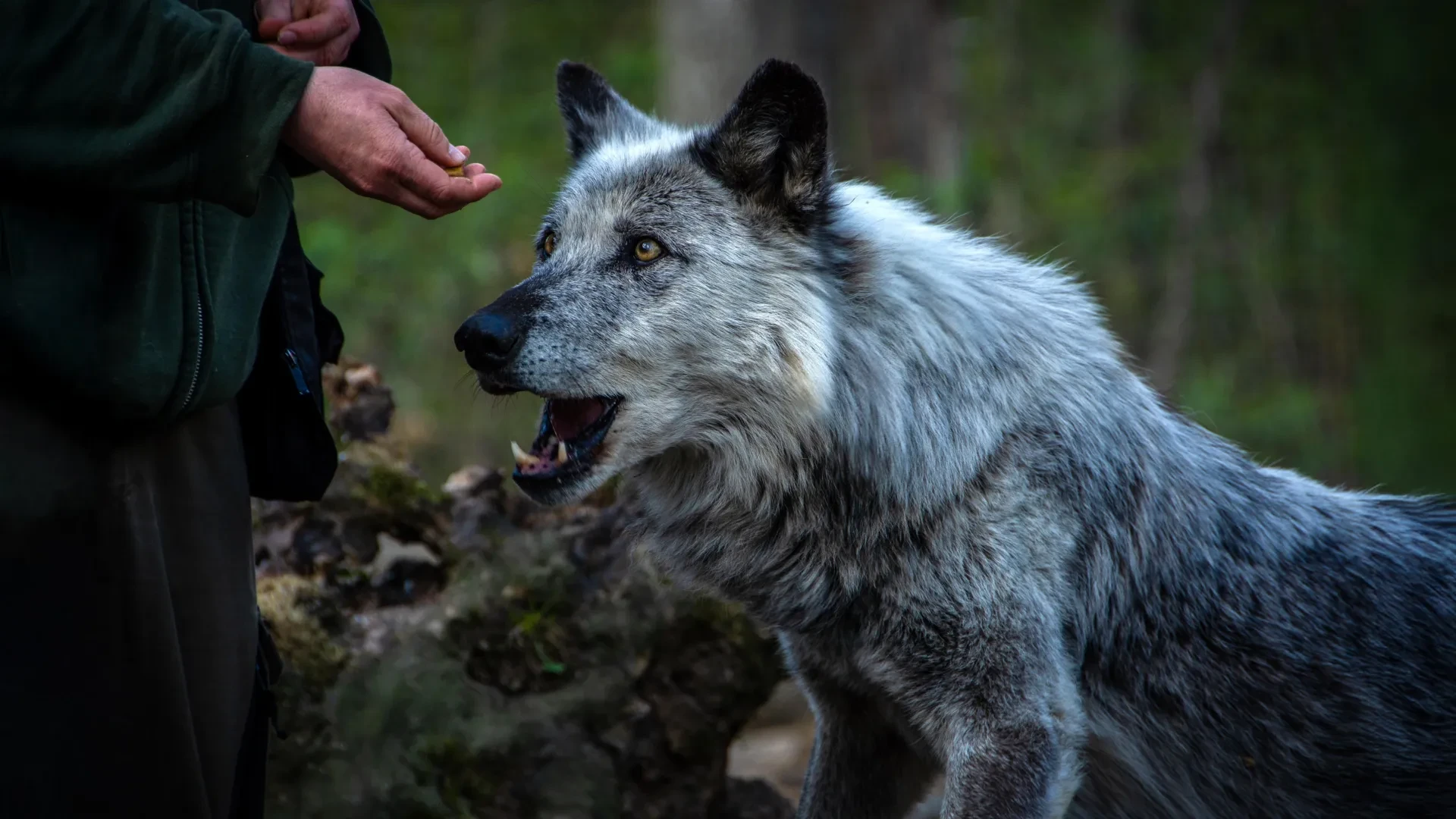
For decades, popular science framed dog domestication as an event: ancient humans capturing wolf pups, bringing them to camp, and selectively breeding the most docile specimens. Professor Mitchell and contemporary zooarchaeologists argue otherwise. The earliest chapters of this history were written by the wolves themselves, who likely began gravitating toward human hunter-gatherer campsites to scavenge for high-calorie refuse.
For nomadic human bands, the presence of these sharp-eared, keen-scented canids offered an early warning system against apex predators and an asset in tracking game. This symbiotic scavenging loop required no formal human master plan. It was an ecological handshake between two social, cooperative apex predators. Over generations, natural selection favored wolves possessing lower flight distances, reduced aggression, and facial morphology capable of communicating with humans—such as the evolution of the levator anguli oculi medialis muscle, which allows dogs to produce the classic "puppy dog eyes" expression that tugs at human heartstrings.
Phase II: The Archaeological Record of Shared Lives (14,000 to 10,000 Years Ago)
As the last Ice Age waned, the archaeological record begins to bloom with indisputable evidence of an intimate human-canine bond. Joint burials found in locations across Eurasia demonstrate that dogs were not merely treated as utilitarian tools or food sources; they were mourned, valued, and integrated into the spiritual and social fabric of human groups.
During this era, hunter-gatherer societies across the globe utilized dogs for diverse survival tasks: hunting assistance, home and camp guarding, load-carrying, and basic companionship. As Professor Mitchell notes, the connections between dogs and human communities dependent on wild plant and animal resources were remarkably ancient, diverse, and profound.
Phase III: Environmental Specialization and Cultural Shaping (10,000 to 500 Years Ago)
As human populations expanded into radically different ecological niches—from the oxygen-starved heights of the Tibetan Plateau to the frozen wastes of the Arctic Circle and the dense humidity of tropical rainforests—dogs adapted alongside them. This era of geographic expansion generated an explosion of distinct canine phenotypes.
Indigenous groups in the Arctic engineered powerful sled dogs capable of hauling massive loads across frozen tundra. Conversely, rainforest hunter-gatherers cultivated agile, small-bodied hounds capable of navigating dense undergrowth to flush out prey. In other regions, such as the Pacific Northwest of North America, cultural practices led to the deliberate breeding of small dogs with specialized woolly coats, harvested to weave sacred ceremonial blankets.
Phase IV: The Colonial Era and Modern Breed Standardization (Past 500 Years)
The modern chapter of canine history has been heavily influenced by human intervention, particularly over the past several centuries in the Western world. During the era of global exploration and colonial expansion, European dog breeds were transported across the globe, frequently displacing or absorbing ancient, localized dog lineages.
While genetic studies confirm that many ancient dog populations no longer exist in their pure, original forms, their genetic signatures survive as ghostly echoes within modern mixed-breed and regional populations. Today, humanity exercises near-total dominance in shaping canine breeding standards, prioritizing aesthetic traits over purely functional survival adaptations—a shift that underscores the increasingly unilateral nature of the modern human-dog dynamic.
Supporting Context & Metrics: Adaptation, Geography, and Biology
The global footprint of the domestic dog is a testament to extraordinary evolutionary plasticity. This adaptability is mapped directly into canine DNA, skeletal morphology, and physiological tolerance.
High-Altitude Genetic Convergence
One of the most remarkable discoveries in recent canine genetics involves the adaptation of dogs to high-elevation environments, such as the Tibetan Plateau. Life at high altitudes presents a severe physiological challenge due to chronic hypoxia (oxygen deprivation).
Remarkably, researchers have identified specific genetic variants in Tibetan dogs that allow them to function efficiently in these oxygen-poor environments. These genetic adaptations closely mirror the physiological solutions developed by human populations inhabiting the same high-altitude regions.
Professor Mitchell highlights the chronological mystery surrounding this adaptation: while researchers cannot pinpoint the exact date dogs first arrived on the plateau, the necessary genetic variants to combat hypoxia must have been acquired with relative evolutionary speed. Until those traits emerged, hypoxia acted as a stringent constraint on canine presence in the region.
The Arctic Survival Engine
In the high latitudes of the Arctic, the integration of dogs into human society reached an industrial level of survival specialization. Archaeological excavations of ancient Arctic canine remains reveal heavy, distinctive patterns of stress in the spinal vertebrae, coupled with exceptionally robust limb bones capable of enduring the relentless physical strain of traversing jagged pack ice and pulling weighted sledges.
Furthermore, stable isotope analyses of ancient canine and human bones from coastal Arctic sites reveal strikingly similar diets dominated by marine resources. Dogs were not fed table scraps; they were co-consumers of the marine ecosystem, sharing the caloric bounty that made human survival in the polar north possible.
Tropical Hunting Specializations
In stark contrast to their Arctic counterparts, tropical dogs followed an evolutionary pathway dictated by dense foliage and high ambient temperatures. In the rainforests of South America and Southeast Asia, dogs evolved into compact, highly agile stalkers.
Ethnographic archives indicate that Indigenous tropical communities exerted rigorous control over canine breeding lines to preserve these vital hunting traits. Puppies showing exceptional tracking or agility were carefully selected, and historical accounts occasionally point to instances of intentional breeding between domestic dogs and wild canids (such as jackals, foxes, or wild forest dogs) to inject fresh vigor and specialized instincts into local working lines.
The Invisible Barrier: Disease and Geography
Environmental adaptation and cultural preference were not the sole architects of the global canine distribution. Recent epidemiological and archaeological research underscores the critical role played by vector-borne diseases in shaping where dogs could—and could not—survive and multiply.
In sub-Saharan Africa, devastating tropical diseases such as trypanosomiasis (sleeping sickness, transmitted by tsetse flies) and ehrlichiosis presented lethal roadblocks for canids. Because dogs originated as a temperate-to-Arctic northern hemisphere species, their initial push into tropical and deep southern latitudes was severely checked by these biological threats. Disease acted as a natural filter, explaining why dogs reached certain equatorial and southern ecosystems relatively late, or remained less numerically dominant there compared to temperate zones.
Official Statements and Expert Insights
The paradigm shift in how science views dog domestication is anchored in the meticulous fieldwork and theoretical frameworks of leading archaeologists, geneticists, and historians.
In First Dogs: Hunter-Gatherers and their Canine Companions from Prehistory to the Present, Professor Peter Mitchell articulates a nuanced perspective on the historical relationship between humans and canines:
"The connections between dogs on the one paw and people dependent on wild plant and animal resources on the other are ancient, diverse, and profound."
Challenging the long-held assumption that domestication was a rapid, one-sided event dictated entirely by human authority, Mitchell emphasizes the protracted and mutualistic nature of the transition from wolf to dog:
"The process whereby grey wolves became dogs is ongoing, not one marked by a single threshold event. It was likely both long and drawn out.
"The relationship thus constructed has been a joint effort, if one where, especially in the West and over recent centuries, humans have increasingly come to dominate in determining its shape and direction.
"Nevertheless, the way dogs and humans relate—and have related—to each other has value precisely because of their mutual, complex entwinement with each other."
Geneticists analyzing ancient DNA echo these sentiments, noting that the genomic record reveals a complex tapestry of population replacements, migrations, and local adaptations. As academic research bridges the gap between archaeology, ethnography, and molecular biology, the scientific consensus converges on a single truth: the dog is a co-author of human civilization.
Future Outlook: Preserving the Legacy of Our Oldest Ally
As we look toward the future of human-canine relations, the lessons of our shared evolutionary history offer both celebration and caution.
On one hand, the domestic dog population has never been larger. Millions of dogs live alongside humans in urban, suburban, and rural environments globally. Yet, modern breeding practices—increasingly driven by aesthetic conformity, closed registry breeding, and pedigree fashion—have sometimes compromised canine health, resulting in respiratory, skeletal, and genetic vulnerabilities in popular purebred lines.
Simultaneously, traditional working lineages (such as Arctic sled dogs and Indigenous hunting landraces) face pressures from modernization, snowmobiles, and environmental displacement, threatening the loss of unique genetic and cultural heritages that took millennia to forge.
The integration of ancient DNA analysis with high-resolution archaeological field data promises to shed even more light on the micro-evolutionary steps that transformed the gray wolf into humanity’s indispensable partner. By recognizing that the dog’s domestication was a masterpiece of inter-species collaboration rather than an act of subjugation, modern society gains a deeper appreciation for our oldest animal ally.
Ultimately, the story of dogs and humans is a mirror reflecting our own evolutionary journey. As Professor Mitchell notes, the entwinement of our species is profound, ongoing, and vital. In understanding how dogs adapted to our ancient ancestors’ firesides, we better understand the very qualities that allowed humanity to thrive across a challenging, changing planet.