
Executive Overview
The 2024 coastal bird nesting season along the shores of North Carolina will be recorded in conservation history as a period of profound resilience, unexpected population milestones, and crucial ecological triumphs. Across the state’s fragile barrier islands, dynamic estuaries, and protected Audubon sanctuaries, wildlife biologists, state resource managers, and dedicated volunteers observed a nesting season defined by striking contrasts.
While certain iconic colonies faced unprecedented predatory pressures and localized displacement, others experienced historic population surges. Most notably, Lea-Hutaff Island—a sprawling, 5,600-acre undeveloped barrier island situated just south of Topsail Beach—emerged as an extraordinary stronghold for beach-nesting shorebirds. The island shattered previous records for Least Tern populations and welcomed back successfully breeding Black Skimmers for the first time in two years.
Simultaneously, collaborative statewide initiatives spearheaded by conservation groups, the North Carolina Wildlife Resources Commission (NCWRC), and regional partners achieved significant benchmarks in avian banding, ecological monitoring, and marine turtle protection. From the Lower Cape Fear River to the dynamic inlets of the Outer Banks, this year’s breeding data offers conservationists invaluable insights into the delicate balance governing coastal ecosystems. It underscores the vital role that active habitat management, protective symbolic fencing, and community-driven coastal stewardship play in safeguarding vulnerable wildlife populations.
Detailed Chronology and Regional Breakdowns
The narrative of North Carolina’s 2024 nesting season is best understood through a regional lens, examining how different coastal habitats, localized predator behaviors, and migratory patterns shaped the reproductive success of colonial waterbirds and shorebirds.
Lea-Hutaff Island: A Historic Sanctuary for Terns and Skimmers
Historically formed by the closure of an inlet in the 1990s that bridged two separate landmasses, Lea-Hutaff Island provides an optimal, uninterrupted habitat for coastal birds that require expansive, open sandy areas free from human disruption. In 2024, the ecological stars aligned perfectly for the island’s avian residents.
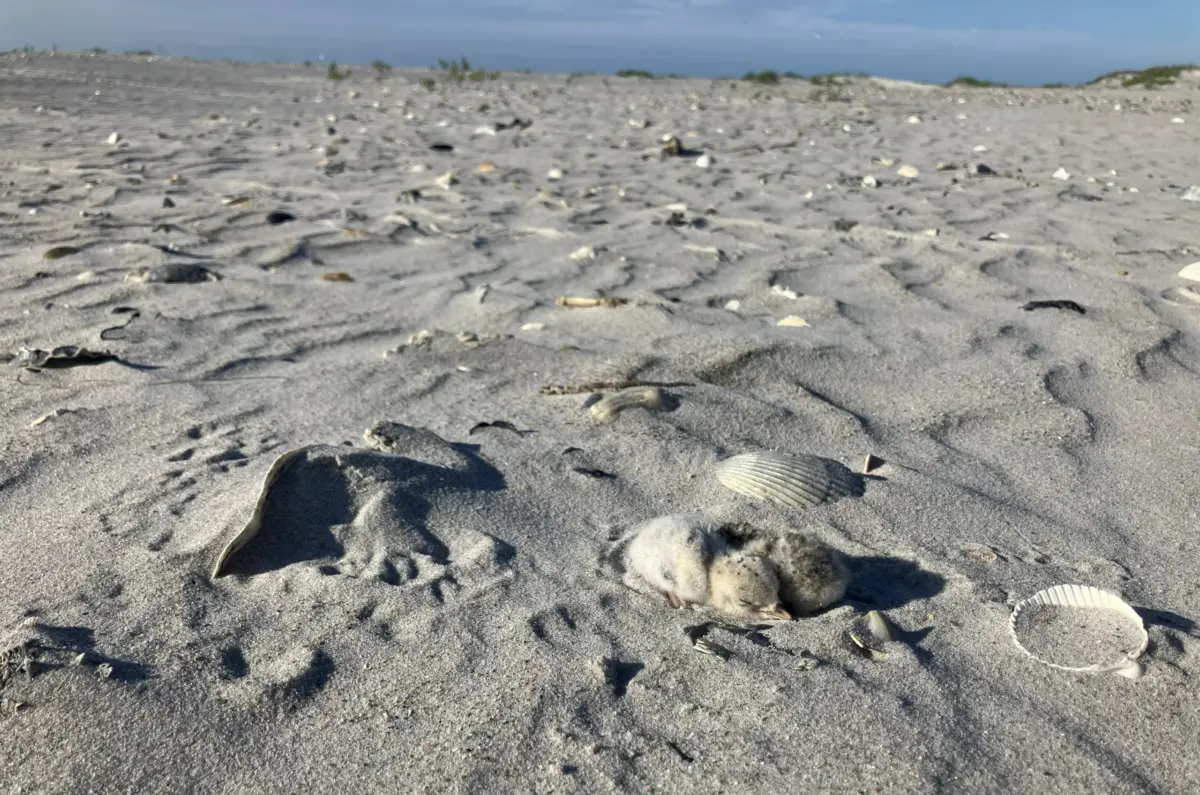
Conservation staff meticulously deployed traditional symbolic fencing around prime nesting real estate, creating a secure perimeter that signaled off-limits zones to beachgoers. The strategy yielded immediate dividends. Three massive Least Tern colonies converged on the island, comprising a staggering 1,146 nesting pairs. To put this number into perspective, the entirety of North Carolina typically hosts approximately 3,500 pairs, meaning that roughly one-third of the state’s Least Tern population concentrated itself within this single sanctuary.
Adding to this unprecedented success, coyote populations—which in recent years have frequently plagued the island and decimated ground nests—largely bypassed Lea-Hutaff during the critical spring window. This absence of heavy mammalian predation allowed thousands of fragile eggs to hatch undisturbed. Consequently, the colonies successfully fledged hundreds of chicks, reinforcing the island’s status as a premier avian nursery.
Furthermore, Hutaff Island witnessed the long-awaited return of successfully breeding Black Skimmers. Nineteen pairs settled into the habitat, weathering the seasonal elements to fledge a new generation of chicks—a milestone achievement given that the species had not successfully reproduced on the island since 2022.
The Lower Cape Fear River: Adaptability Amid Unprecedented Disturbance
While Lea-Hutaff enjoyed a relative reprieve from mammalian predators, the Lower Cape Fear River presented a different narrative, characterized by sudden disruption and remarkable avian adaptability.
For the first time on record, field cameras documented a coyote exploring the shoreline of South Pelican Island just as Royal Terns were beginning to deposit their eggs. The sudden appearance of the mammalian predator spooked the colony, triggering a mass abandonment of the traditional nesting grounds. Rather than failing for the season, the resourceful Royal and Sandwich Terns executed a swift relocation, flying a short distance up the Lower Cape Fear River to Ferry Slip Island.
The displaced birds established a robust presence on Ferry Slip Island, ultimately matching normal historical metrics with over 3,000 nesting pairs successfully settling and fledging hundreds of chicks. Biologists capitalized on this concentration to advance ongoing research, banding 58 Royal Terns and 47 Sandwich Terns. Additionally, researchers continued an innovative diet study by collecting guano samples, extracting residual DNA to precisely identify the specific marine prey species driving the birds’ reproductive success.
Battery Island and Ocracoke Inlet: Shifts in Colonial Dynamics
Further south, iconic colonial waterbirds experienced varied fortunes. Brown Pelicans established large, highly productive colonies on two primary Audubon-managed properties: Battery Island on the Lower Cape Fear River and Beacon Island near Ocracoke Inlet. A smaller satellite colony also took root on Ferry Slip Island.
However, the season was not without ecological puzzles. Most notably, White Ibis—a species that typically floods Battery Island in the thousands during the spring and summer—were conspicuously absent for the majority of the season. Only a modest flock of approximately one hundred individuals arrived late in the summer. Biologists hypothesize that intense spatial and dietary competition with the surging population of larger Brown Pelicans drove the ibis to seek alternative breeding grounds elsewhere along the Atlantic migratory flyway.
These dynamic shifts were meticulously documented during the triennial Colonial Waterbird Census on Battery Island. While Audubon professionals typically anchor this comprehensive statewide count, the immense scale of the island required an all-hands-on-approach, mobilizing intrepid volunteers to ensure accurate data collection across the eroding shoreline.
Supporting Context and Metrics: Science in Action
Underpinning the visual spectacles of thousands of fledging chicks is a rigorous, data-driven framework of ecological monitoring, banding operations, and collaborative conservation partnerships.
American Oystercatcher Banding Initiatives
The American Oystercatcher (Haematopetus palliatus) remains a high-priority species of conservation concern along the Atlantic Coast due to habitat loss and human disturbance. To combat this decline, conservation groups coordinate comprehensive, multi-state banding efforts to track survival rates, juvenile dispersal, and adult site fidelity.
During the summer of 2024, Audubon staff partnered directly with the NCWRC and North Carolina State Parks to execute intensive field training for two new federally certified bird banders. This training expanded the state’s specialized cadre of biologists dedicated to the imperiled species. Across North Carolina, 173 individual oystercatchers received unique alphanumeric bands. Audubon biologists actively monitored more than 160 breeding pairs, including:
- 97 pairs along the Lower Cape Fear River;
- 25 pairs on Lea-Hutaff Island; and
- 30 pairs on Masonboro Island, managed in close partnership with the North Carolina Coastal Reserve.
Sea Turtle Nesting Records
Avian conservation on Lea-Hutaff Island extends beyond birds. Audubon staff collaborate year-round with the NCWRC to monitor marine reptile nesting activity, specifically focusing on threatened and endangered sea turtles. The 2024 season broke previous local records, with biologists documenting an unprecedented 29 loggerhead sea turtle nests (Caretta caretta) along the island’s dynamic shoreline. At the close of the season, conservationists maintained a watchful vigil as hatchlings prepared to emerge and make their perilous nocturnal dash toward the Atlantic surf.
Ecosystem-Wide Benefits
The success of flagship species invariably reverberates throughout the entire coastal food web. Throughout the summer, secondary sanctuaries recorded successful nesting events for Wilson’s Plovers, Common Nighthawks, and Piping Plovers. Conservation leaders emphasize that the management strategies implemented to protect terns and skimmers—such as seasonal vehicle restrictions, pet prohibitions, and public education—generate positive cascading effects that preserve the structural and biological integrity of the broader dune and strand ecosystem.
Official Statements and Field Insights
Reflecting on the triumphs and trials of the 20th-century-scale wildlife management efforts, project leaders emphasized the critical interplay between professional intervention and public cooperation.
Highlighting the late-season productivity of local tern populations, coastal wildlife biologist Addison noted the resilience demonstrated by smaller colonies:
"Twelve pairs of Common Terns fledged seven chicks, which is respectable, and we’re still counting the Black Skimmers because as of Labor Day, we still had a handful of unfledged chicks on the ground."
Biologists noted that 53 Black Skimmer chicks were successfully banded during the late summer operations. Conservation officials have issued a public advisory: beachgoers, fishermen, and coastal residents encountering birds marked with distinct black bands and white lettering during the fall and winter months are encouraged to record the details and report their observations directly to the U.S. Geological Survey’s (USGS) Bird Banding Laboratory.
While remote islands like Lea-Hutaff experienced stellar reproductive rates, urban-adjacent shorelines faced ongoing challenges. A late-arriving colony of Least Terns attempted to establish a foothold on the heavily trafficked south end of Wrightsville Beach. Biologists suspect these birds were "renesters"—individuals whose initial nesting attempts elsewhere had failed, forcing them to seek secondary sites. Unfortunately, this late attempt faced heavy avian predation, underscoring how difficult urbanized beaches can be for vulnerable ground-nesting species.
Addressing the critical role of human behavior in coastal wildlife conservation, Addison issued a direct appeal to coastal communities:
"The overall health and success of our nesting birds depends on people respecting posted nesting sanctuaries, keeping their dogs away from nesting sites and on a leash, and being a good steward of the environment. Thank you to everyone who helped us keep our favorite feathered friends safe this year."
(Note: All avian capture, handling, banding, marking, and biological sampling procedures were executed strictly under the authorization of federally issued Bird Banding Permits governed by the USGS Bird Banding Laboratory.)
Future Outlook: Challenges and Conservation Horizons
As the 2024 nesting season transitions into autumn migration, conservation planners are already looking ahead to the structural and environmental challenges facing North Carolina’s coastal sanctuaries in the years to come.
Chief among these long-term concerns is severe shoreline erosion. Battery Island, which continues to host massive populations of colonial waterbirds including Brown Pelicans and wading birds, is experiencing accelerated land loss due to rising sea levels, severe storm surges, and tidal action. However, conservation groups have successfully finalized the initial phase of a comprehensive habitat restoration and engineering plan. Moving forward, stakeholders are actively evaluating alternative designs and drafting detailed architectural and environmental specifications required to initiate the rigorous state and federal permitting processes necessary for large-scale shoreline stabilization.
Concurrently, regional monitoring networks plan to expand their collaborative banding and genetic sampling programs. The DNA-based diet studies pioneered during the 2024 Royal and Sandwich Tern seasons will likely be expanded to other seabird species, providing precise data on how shifting ocean temperatures and commercial fisheries impact the availability of forage fish.
Ultimately, the historic successes observed on Lea-Hutaff Island and the remarkable adaptability demonstrated by displaced colonies along the Cape Fear River serve as powerful reminders of nature’s resilience. Yet, conservation leaders caution that this resilience is not infinite. As human pressures on coastal environments intensify through increased coastal development, recreational tourism, and climate volatility, the margin for error narrows. The triumphs of 2024 prove that proactive habitat protection, rigorous scientific monitoring, and community stewardship can secure a thriving future for North Carolina’s coastal birds—establishing a blueprint for wildlife management along the Atlantic seaboard for decades to come.