The relationship between humans and domesticated felines has long been romanticized in literature and folklore, yet modern behavioral science is only beginning to decode the profound emotional intelligence cats possess. While dogs are frequently celebrated as the quintessential emotional support animals, a growing body of anecdotal and clinical observation suggests that cats are equally attuned to the emotional states of their human companions.
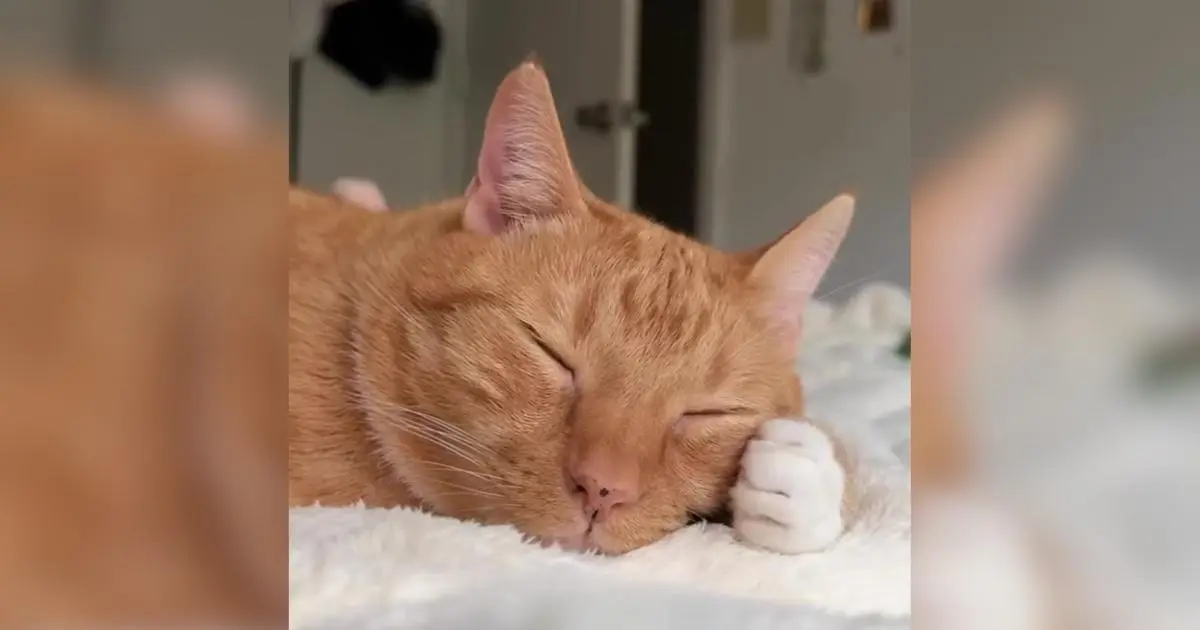
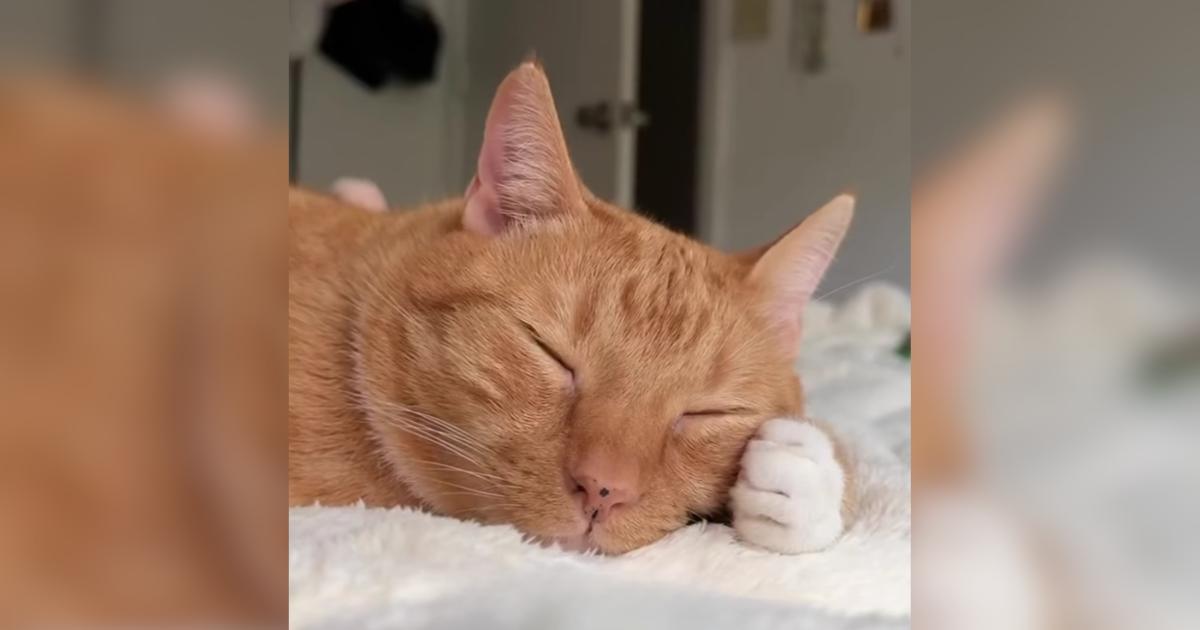
At the center of this evolving understanding is Ed, an eleven-year-old cat whose life story offers a compelling testament to feline empathy, resilience, and deep interspecies bonding. For over a decade, Ed has served as an intuitive anchor for his owner, Camila, navigating the ebbs and flows of daily life with a quiet, observant grace.
This in-depth investigative feature examines the mechanics of the bond shared between Ed and his human family. It explores how cats perceive human emotional distress, the physiological realities of caring for a senior feline navigating chronic health conditions such as asthma, bronchitis, and arthritis, and the reciprocal nature of caregiving that defines long-term pet ownership. Through the lens of Ed’s daily routines—ranging from his signature "biscuits" made during Camila’s difficult moments to his clockwork vigil for Camila’s father—this article uncovers the sophisticated emotional architecture of the domestic cat.
Detailed Chronology: A Decade of Companionship and Intuitive Care
The Early Years: Establishing a Gentle Presence
From the earliest days of his arrival in the household, Ed established himself as an anomaly among typical feline stereotypes of aloofness and detachment. Described by his family as remarkably polite, sweet, and gentle, Ed displayed an innate curiosity about his environment paired with a deep-seated desire for social integration. Unlike cats who retreat to high perches or hidden corners, Ed preferred the company of his human counterparts.
As Camila transitioned to working from home, this behavioral inclination intensified into a daily routine. Ed became a permanent shadow, following her from room to room with quiet curiosity. Whether guests arrived at the front door—prompting Ed to investigate who had entered his domain—or quiet afternoons settled over the workspace, Ed required no formal invitation to participate in the rhythm of the day. This foundational phase of their relationship built a reservoir of trust, setting the stage for a more sophisticated emotional synchronization.
The Emergence of Emotional Attunement
As the years progressed, Camila began to notice a pattern that transcended standard feline territoriality or food-seeking behaviors. Whenever she experienced acute stress, sadness, or overwhelming days, Ed’s demeanor shifted instantaneously.
Without needing auditory cues or behavioral prompts, the cat seemed to register the subtle physiological changes in his owner—perhaps shifts in vocal tone, posture, or scent associated with emotional distress. Ed would immediately narrow the physical distance between them, positioning himself close by. The culmination of this empathetic approach is Ed’s signature ritual: making "biscuits" (rhythmic kneading) with his paws directly upon or beside Camila.
This behavior, rooted in kittenhood nursing instincts, is repurposed by adult cats as a sign of supreme trust, comfort, and affection. For Camila, these tactile gestures transformed from simple quirks into profound psychological lifelines, serving as a non-verbal reminder that she was neither alone nor unseen in her struggles.
The Senior Chapter: Navigating Chronic Illness
Now eleven years old, Ed has entered the senior chapter of his life, introducing complex medical and emotional dynamics into his relationship with Camila. Senior feline care requires heightened vigilance, and Ed’s medical chart has grown to include diagnoses of feline asthma, chronic bronchitis, and early-stage arthritis.
Managing these conditions requires a strict daily regimen. Ed must routinely use an inhaler to maintain his respiratory health, a procedure that could easily induce fear or defensive aggression in a less patient animal. Yet, true to his gentle nature, Ed handles these therapeutic interventions with remarkable compliance.
Concurrently, the onset of arthritis brings physical discomfort, particularly during changes in weather or after periods of rest. Despite the underlying pain, Ed’s disposition has remained entirely unmarred. He exhibits no behavioral aggression, continuing to treat his human family with the same gentle patience that characterized his youth.
This vulnerability has inverted the dynamic of care. For years, Ed provided emotional support to Camila during her times of need; today, Camila steps into the role of caregiver, administering medications, modifying the home environment to ease his joint pain, and ensuring his golden years are marked by comfort and dignity.
The Intergenerational Bond
Ed’s emotional intelligence is not restricted to Camila alone. Over the years, the feline has developed an exceptionally profound attachment to Camila’s father. This bond operates with the precision of a Swiss timepiece.
As the afternoon gives way to evening, Ed transitions into a state of heightened anticipation. Recognizing the schedule of Camila’s father, the eleven-year-old cat takes up a sentinel post by the front door or peers intently through the glass window, awaiting his arrival.
This routine highlights the cognitive mapping capabilities of senior cats, who utilize temporal cues and auditory markers to track daily schedules. Should Camila’s father experience a delay and return home past his usual hour, Ed’s anticipatory posture shifts into vocal concern. He begins to cry out, pacing near the entryway as though questioning the disruption in the household order. This behavior underscores the breadth of Ed’s social circle, proving that his capacity for attachment extends deeply across multiple family members.
Supporting Context & Metrics: The Science of Feline Empathy and Senior Care
To fully appreciate the narrative of Ed and Camila, it is necessary to examine the broader scientific context regarding feline emotional intelligence, the mechanics of cat-human communication, and the realities of geriatric veterinary medicine.
Decoding Feline Emotional Perception
For decades, popular culture contrasted the "loyal, empathetic dog" with the "independent, emotionally detached cat." However, contemporary ethology—the scientific study of animal behavior—paints a vastly different picture. Research published in animal behavior journals increasingly demonstrates that domestic cats (Felis catus) are remarkably sensitive to human emotional cues.
Vocal Recognition and Interpretation: Studies conducted by universities researching animal cognition reveal that cats can distinguish their owners’ voices from those of strangers, and they show distinct behavioral responses when their owners use "pet-directed speech" versus adult-directed conversation. Furthermore, cats recognize the emotional valence of human vocalizations, showing stress responses when hearing distressed human voices.
Olfactory and Pheromonal Awareness: Humans experiencing emotional distress undergo physiological shifts—sweating, hormonal releases, and changes in cortisol levels—that emit subtle chemical signals. Cats possess a vomeronasal organ (Jacobson’s organ) located in the roof of their mouth, granting them an extraordinary capacity to detect pheromones and chemical signatures associated with human moods.
Behavioral Mirroring: Just as Ed responds to Camila’s low moods by closing the physical distance and engaging in rhythmic kneading, behavioral studies indicate that cats often mirror the stress levels of their primary human caregivers. A calm owner frequently fosters a relaxed cat, while high-stress environments can induce feline behavioral issues.
The Geriatric Feline: Managing Asthma, Bronchitis, and Arthritis
Ed’s medical profile represents some of the most common chronic conditions affecting senior and geriatric cats. Understanding these illnesses highlights why Camila’s attentive care is vital to his continued well-being.
Feline Asthma and Bronchitis: These lower airway diseases involve chronic inflammation, bronchoconstriction, and excessive mucus production. Symptoms range from intermittent coughing and wheezing to severe respiratory distress. Treatment typically involves environmental management (eliminating dust, smoke, and aerosol sprays) alongside anti-inflammatory medications and bronchodilators administered via specialized feline inhalers with spacer devices (such as the AeroKat). Ed’s ability to tolerate this daily procedure speaks volumes about his trusting disposition.
Feline Arthritis (Degenerative Joint Disease): Studies suggest that over 90% of cats over the age of 12 show radiographic evidence of degenerative joint disease. Unlike dogs, cats rarely limp audibly when they are in pain; instead, they exhibit subtle signs such as reduced jumping height, decreased grooming efficiency, litter box hesitation, and personality shifts. Ed’s stoicism in the face of arthritic discomfort—maintaining his affectionate and gentle nature without resorting to defensive aggression—is a testament to his resilient temperament.
Official Statements and Perspectives
The emotional resonance of Ed’s story has captured the attention of animal welfare advocates, veterinary professionals, and cat behaviorists who view the bond between Ed and Camila as an exemplary model of successful interspecies cohabitation.
Dr. Elena Vance, a prominent feline practitioner and animal behavior consultant, notes that stories like Ed’s challenge outdated misconceptions about feline social structures:
"There is a pervasive myth that cats are solitary creatures incapable of forming deep emotional attachments or sensing human grief. Clinical experience and modern ethology prove otherwise. Cats form secure attachments with their human caregivers that mirror the parent-child or peer-to-peer bonds seen in primates and canids. Ed’s intuitive response to Camila’s distress—his choice to remain close and engage in tactile soothing behaviors like kneading—is a textbook example of high-level emotional attunement. He recognizes a disruption in his safety net and responds by reinforcing comfort."
Reflecting on the challenges of aging alongside a chronically ill pet, Camila shares her perspective on the reciprocal nature of their eleven-year journey:
"When Ed was younger, he carried me through so many heavy days without ever asking for anything in return. He just knew when my heart was aching, and he stayed right beside me. Now that he is navigating asthma, bronchitis, and sore joints, it is my absolute privilege to return that favor. Caring for a senior cat requires patience, routine, and deep attention to subtle changes. When I give him his inhaler or make sure his bedding is soft and accessible, I am just giving back a fraction of the comfort he has poured into my life for over a decade."
Future Outlook: Honoring the Golden Years
As Ed continues his journey into his senior years, his daily life remains anchored in the deep routines he has cultivated over more than a decade. The partnership between Ed, Camila, and her father serves as a powerful reminder that the depth of a relationship with an animal is not measured by species, but by the quality of attention, presence, and mutual care invested over time.
Looking forward, veterinary medicine and pet care practices are increasingly focused on improving the quality of life for geriatric companion animals. For cats like Ed, this means a proactive approach to pain management, respiratory monitoring, and environmental adaptation—ensuring that physical decline does not overshadow the joy of living.
Ed’s story transcends a simple anecdote about a sweet pet; it is a masterclass in emotional resilience. It demonstrates that true companionship persists through the transition from youth to old age, weathering chronic illness and physical discomfort without losing its foundational tenderness. For Camila and her family, every morning Ed waits by the window for her father, and every evening he kneads away the weight of a hard day, reaffirms a timeless truth: the quietest souls often leave the deepest impressions on our lives.