
Executive Overview
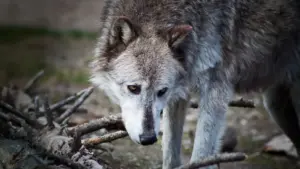
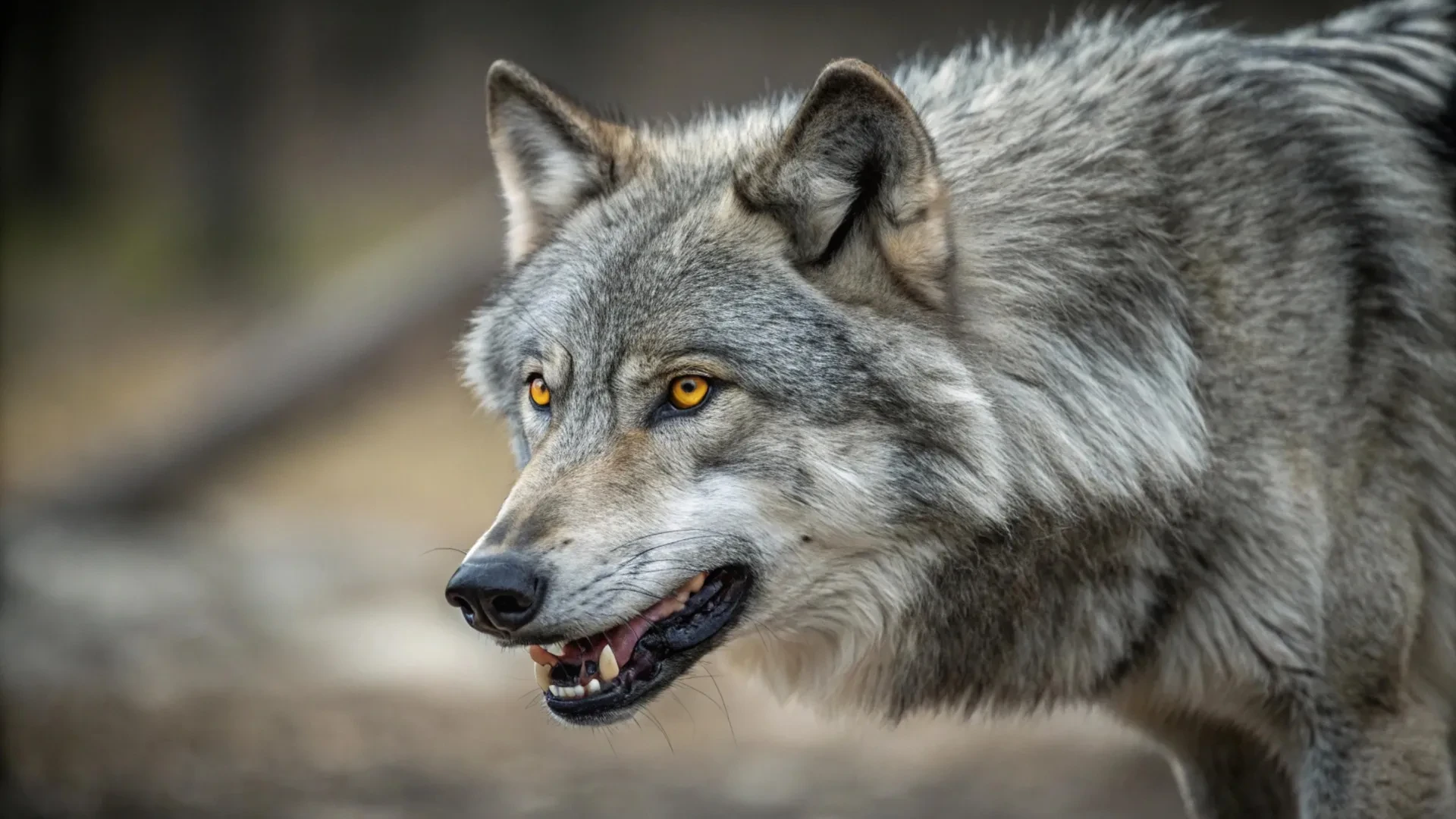
In the rugged, remote wilderness of Prince of Wales Island, Alaska, a profound ecological shift is quietly taking place along the tideline. Gray wolves (Canis lupus), apex predators universally recognized for their dominance over terrestrial food webs, are expanding their predatory horizons into the Pacific Ocean. Driven by evolutionary opportunism or perhaps ecological necessity, these coastal wolves are actively hunting and consuming sea otters (Enhydra lutris).
While isolated anecdotes of wolves interacting with marine prey have trickled out of the region for over two decades, the full scope, mechanics, and ecological ramifications of this behavior have remained largely unexplored. Now, a pioneering research initiative led by Patrick Bailey, a Ph.D. candidate in the Department of Natural Resources Science at the University of Rhode Island, is shedding light on this rare phenomenon. Working out of Sarah Kienle’s Comparative Ecology and Anatomy Lab (CEAL Lab), Bailey is deploying a combination of cutting-edge technology, stable-isotope biochemical analysis, and traditional fieldcraft to understand how these wolves bridge land and sea.
The implications of this dietary shift stretch far beyond local predator-prey dynamics. As sea otters—once decimated by historical the commercial fur trade—continue their slow, hard-fought recovery along the Pacific coast, their renewed intersection with wolves could alter recovery trajectories for both species. Furthermore, marine foraging introduces unforeseen biochemical hazards. Recent findings indicate that consuming marine mammals exposes coastal wolves to startlingly high concentrations of methylmercury—up to 278 times greater than those found in their inland counterparts—raising critical questions about the long-term health, reproduction, and survival of the island’s wolf population.
Blending marine biology, terrestrial ecology, and cutting-edge wildlife forensics, this multi-year investigation offers a rare window into nature’s adaptability. As researchers decode the secrets of Prince of Wales Island, they are discovering that the boundary between land and ocean is far more porous than science previously understood.
Detailed Chronology: Unraveling the Marine Predator
A Legacy of Isolation and Adaptation
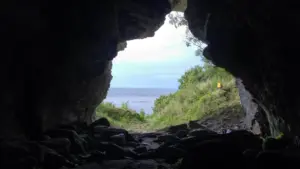
For generations, ecological science has neatly categorized gray wolves as terrestrial hunters, relying primarily on ungulates like deer, elk, and moose to sustain their packs. However, the coastal ecosystems of Southeast Alaska present a vastly different landscape. Here, the Tongass National Forest meets the Pacific Ocean in a complex matrix of fjords, rocky intertidal zones, and dense temperate rainforests.
While rumors and casual observations of wolves scavenging or hunting marine life have circulated among local hunters, guides, and biologists for more than 20 years, systematic scientific inquiry into the behavior has been conspicuously absent. The challenge has always been one of logistics and perspective: studying an intelligent, highly elusive predator across an unforgiving, roadless landscape is exceptionally difficult.
The turning point for this line of research came through strategic institutional and local partnerships. Bailey established a critical collaboration with Gretchen Roffler, a wildlife biologist with the Alaska Department of Fish and Game (ADF&G), and Michael Kampnich, a local research technician whose intimate knowledge of Prince of Wales Island’s terrain and ecology proved indispensable. With their guidance, the project gained the operational foothold required to launch a rigorous, multi-faceted investigation.
Deploying Modern Forensics: Teeth as Ecological Archives
To reconstruct the dietary histories of these coastal wolves without relying solely on rare, fleeting moments of direct observation, Bailey turned to wildlife forensics. Utilizing stable-isotope analysis, he began examining the chemical composition of gray wolf teeth sourced from museum collections and recently deceased animals.
Teeth, much like the growth rings of ancient trees, acccrete in distinct layers over an animal’s lifetime. Each layer locks in the chemical signatures of the food consumed during that period.
- "If large enough, we can individually sample each of these growth rings to track an individual’s feeding patterns over time," Bailey explains.
- "When we gather enough samples across individuals, we can then analyze how prevalent these dietary trends are throughout a population."
This biochemical retrospective allows researchers to peer backward in time, determining precisely when individual wolves began incorporating marine prey into their diets and whether this behavior is an aberrant trait of a few rogue animals or an entrenched cultural tradition passed down through generations.
The Technological Breakthrough: Eyes on the Shoreline
While isotopic data can confirm what the wolves are eating, it cannot explain how they manage it. Hunting in the ocean presents an entirely different set of physical and tactical challenges compared to pursuing terrestrial game.
- "Capturing and eating prey in the marine environment is very different from doing it on land," notes Dr. Sarah Kienle, Bailey’s lab advisor. "We are super curious to see if these coastal wolves have behavioral adaptations that are different from terrestrial wolves."
Historically, video footage of coastal wolf hunts lacked the resolution and framing needed to study tactical execution. To overcome this, Bailey deployed a vast network of specialized trail cameras along the shorelines of Prince of Wales Island. Strategically positioned during the summer months, these cameras serve as silent, unblinking observers of the intertidal zone.
The logistical undertaking of processing the resulting data is staggering. Since last December, the camera network has amassed a staggering archive of more than 250,000 images. To parse through this mountain of visual data, Bailey trained a dedicated team of seven University of Rhode Island undergraduate students. Systematically reviewing each frame, the student team searches for visual evidence of ambushes, intertidal chases, and the precise mechanical interactions between wolves and sea otters.
Supporting Context & Metrics: Ecosystems, Otters, and Toxins
The Sea Otter’s Troubled History and Return
The ecological backdrop of this predator-prey dynamic is shaped by centuries of human impact. Sea otters once formed a continuous, unbroken population stretching along the entire Pacific Rim from Japan to Baja California. Their dense, luxurious pelts made them the primary target of the maritime fur trade during the 18th and 19th centuries, pushing the species dangerously close to total extinction.
Following decades of strict international protection under the 1911 Fur Seal Treaty and subsequent conservation laws, sea otters have made a gradual, triumphant comeback in many parts of their historic range. As otter populations reoccupy coastal waters around Southeast Alaska, they are encountering apex predators that may not have targeted them heavily during the height of the fur trade bottleneck. This modern ecological reunion forces scientists to ask whether wolves are merely taking advantage of a newly abundant food source, or if this predator-prey relationship is an ancient dynamic re-emerging in real-time.
Bridging Terrestrial and Aquatic Food Webs
In traditional ecology, terrestrial and marine food webs are studied as largely separate entities governed by distinct biological rules. Wolves are textbook examples of "keystone species" in terrestrial systems; by regulating deer and elk populations, they indirectly cascade down to influence forest understory growth, bird populations, and even river morphology.
Bailey’s research suggests these boundaries are porous.
- "We don’t have a clear understanding of the connections between water and land food webs, but we suspect that they are much more prevalent than previously understood," Bailey remarks.
- "Since wolves can alter land ecosystems so dramatically, it is possible that we will see similar patterns in aquatic habitats."
If coastal wolves derive a significant portion of their caloric intake from the ocean, they act as biological vectors, transferring marine-derived nutrients, energy, and—potentially—contaminants back onto the terrestrial landscape.
The Hidden Threat: Methylmercury Accumulation
While marine foraging offers rich caloric rewards, it comes with a severe biological hazard. Recent findings by ADF&G biologist Gretchen Roffler have revealed a disturbing trend: sea otters in the region accumulate high levels of methylmercury, a potent, bioaccumulative neurotoxin.
Because mercury biomagnifies as it moves up the trophic ladder, apex predators consuming marine mammals ingest concentrated doses. When Bailey and his colleagues analyzed liver tissue samples from coastal gray wolves, the results were startling. Coastal populations exhibited mercury concentrations up to 278 times greater than those found in typical inland wolf populations.
This chemical burden introduces profound health risks.
- "Methylmercury accumulation can cause a suite of problems related to reproduction, body condition, and behavioral abnormalities," Bailey warns.
For an endangered or sensitive wildlife population, chronic neurotoxin exposure could offset the nutritional benefits of marine hunting, quietly undermining pack health, pup survival rates, and long-term population stability.
Official Statements & Expert Insights
The complexity of the Prince of Wales Island study has drawn praise from academic and wildlife management communities alike, who emphasize the necessity of interdisciplinary collaboration.
-
On the novelty of the research:
"What hasn’t been explored, and what I am really interested in documenting, is how exactly wolves are able to capture sea otters," states Patrick Bailey, lead researcher and Ph.D. candidate at the University of Rhode Island. "When you pair these traits with a landscape that is very rural and difficult to traverse, researching them becomes quite the undertaking." -
On the physiological and evolutionary questions:
"Capturing and eating prey in the marine environment is very different from doing it on land," notes Dr. Sarah Kienle, head of the CEAL Lab. "We are super curious to see if these coastal wolves have behavioral adaptations that are different from terrestrial wolves, and what teeth and isotopes can tell us about these long-term shifts." -
On the foundational value of local knowledge:
Acknowledging the logistical hurdles of fieldwork in Southeast Alaska, Bailey highlights the essential contributions of his field partners:
"I cannot emphasize enough how much Gretchen Roffler and Michael Kampnich have helped me," Bailey says. "Kampnich has been an unbelievable resource for getting us acquainted with the island and its unique ecology. Working with locals is so important because they have decades of experience and perspective that we as outside researchers simply do not have. This project would not be possible without their input and guidance."
Future Outlook: Expanding the Scope
As the current phase of data collection presses forward, the horizon for this research continues to expand. Bailey’s commitment to decoding the coastal wolf phenomenon extends well beyond the shores of Prince of Wales Island.
Fieldwork and Ongoing Analysis
Data collection is projected to continue for several more years as the research team processes the quarter-million-image trail camera archive and refines their stable-isotope models. Bailey is scheduled to return to the field on Prince of Wales Island next summer to expand camera deployments, ground-truth behavioral observations, and gather fresh biological samples.
East Coast Comparisons and Morphological Studies
Looking ahead, Bailey plans to broaden his dissertation research to encompass comparative osteological studies across North America. By analyzing skull morphology, he aims to understand how physical traits vary between coastal marine-foraging wolves and their strictly inland relatives.
This expanded phase includes examining historical east coast wolf specimens. Through a partnership with the prestigious Harvard Museum of Comparative Zoology, Bailey is studying historical wolf skull specimens originating from parts of Canada, including Newfoundland and Labrador. These cross-continental comparisons will provide a broader evolutionary context, helping scientists determine whether marine foraging triggers distinct physical adaptations in skull and jaw structures over evolutionary time scales.
A New Paradigm in Wildlife Science
Ultimately, the work happening on Prince of Wales Island serves as a compelling reminder of nature’s flexibility. As human-induced environmental changes, species recoveries, and shifting habitats alter global ecosystems, animals are constantly finding innovative ways to survive. By bridging the gap between terrestrial and marine ecology, Patrick Bailey and his collaborators are not only documenting a rare feeding behavior—they are helping rewrite our understanding of how ecosystems function at the wild and unpredictable margins where land meets the sea.