
Executive Overview
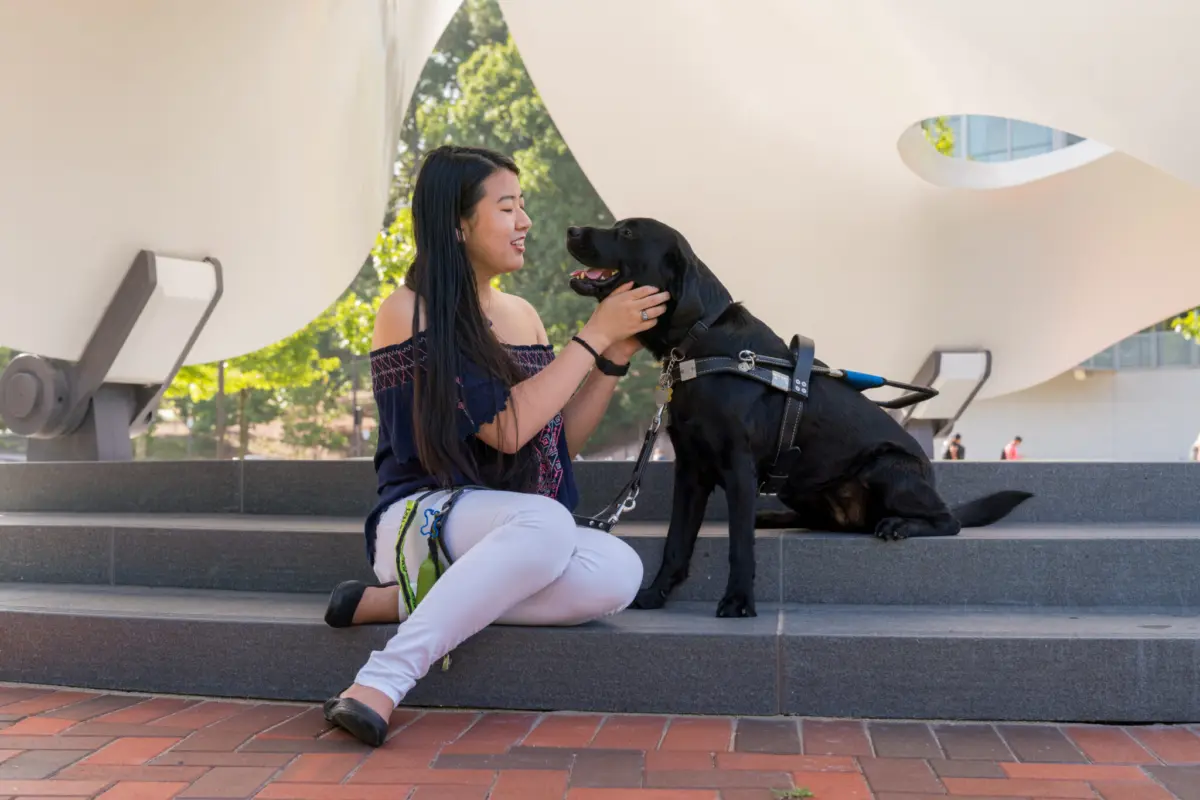
For centuries, canine training has relied on a foundational paradigm of compliance. From the basic domestic commands of "sit," "stay," and "come" to advanced working trials, a dog’s value has traditionally been measured by its immediate, unhesitating adherence to human instruction. Yet, within the specialized realm of guide dog mobility, this paradigm undergoes a radical transformation. When navigating the complex, often chaotic landscapes of modern urban environments, a blind or visually impaired handler does not merely require an obedient servant; they require an independent, highly analytical tactical partner.
Enter the specialized phenomenon known as intelligent disobedience—the remarkable ability of a guide dog to intentionally and decisively refuse a handler’s command when executing that command would place them both in imminent physical danger.
Far from a display of insubordination or behavioral failure, intelligent disobedience is the gold standard of advanced service animal training. It represents a sophisticated synthesis of environmental awareness, risk assessment, and independent problem-solving. This comprehensive investigative report explores the mechanics of intelligent disobedience, the intensive two-year developmental pipeline required to forge this skill, the profound role of mutual trust in human-canine teams, and how these exceptional animals transform everyday mobility into an engine of freedom and empowerment.
Detailed Chronology: The Two-Year Evolution of a Decision-Maker
The capacity for a working guide dog to say "no" to its handler does not materialize overnight. It is the culmination of a meticulously structured, multi-phase developmental timeline that spans approximately 24 months, transforming a curious puppy into a life-saving canine professional.
[Birth & Infancy] ──> [Puppy Raising (12–18 Mos)] ──> [Advanced Training (5+ Mos)] ──> [Team Matching & Juno Walk] ──> [Working Partnership]Phase 1: Early Socialization and Domestic Foundation (Months 0–12)
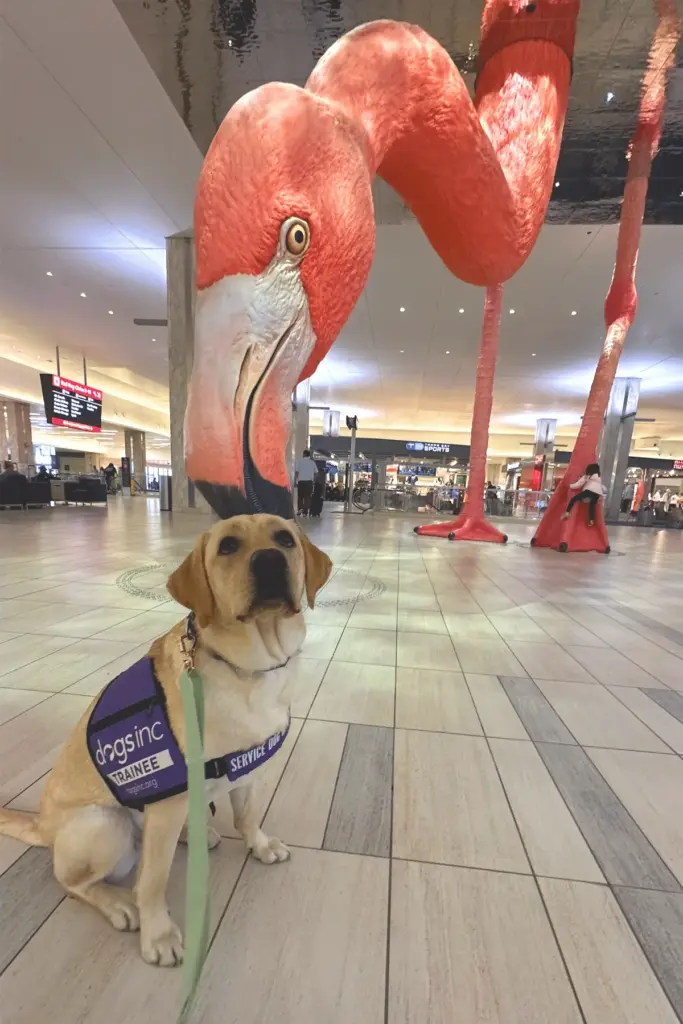
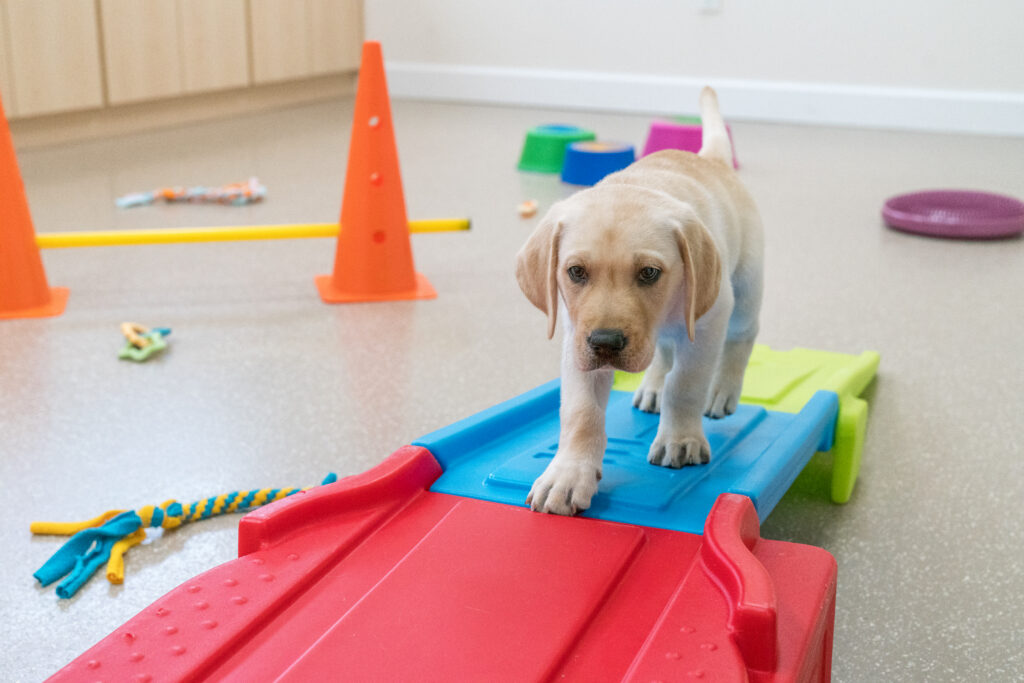
The journey begins at birth. Long before formal obstacle avoidance or refusal techniques are introduced, future guide dogs undergo rigorous neurological and behavioral screening. From the age of two months until roughly 12 to 18 months, these puppies are placed with dedicated volunteer puppy raisers.
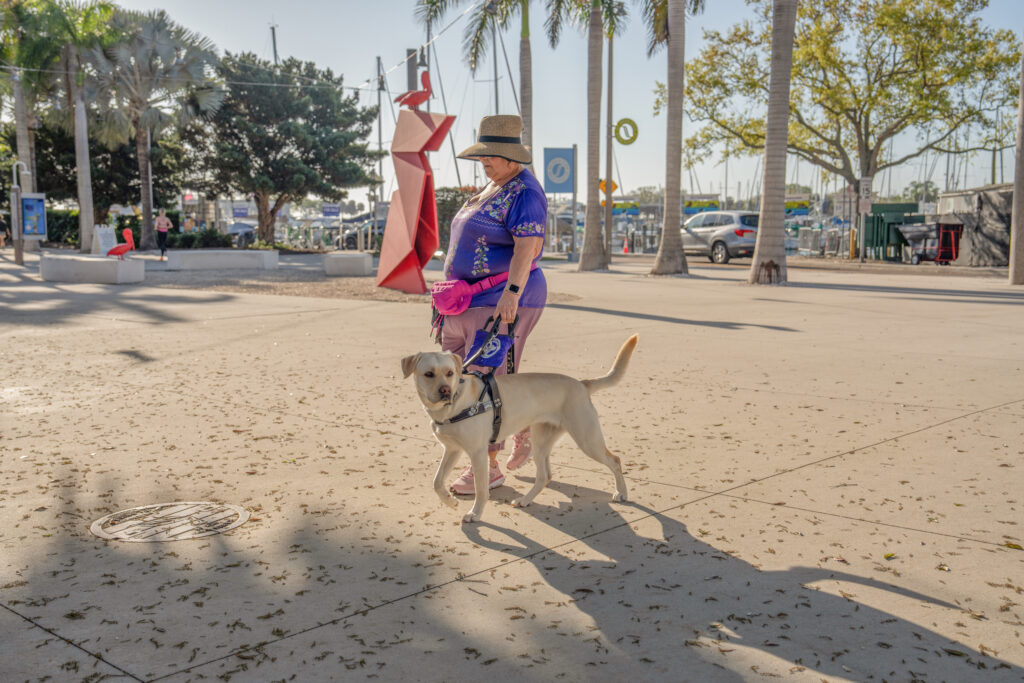
During this crucial window, the primary objectives are socialization, environmental exposure, and basic obedience. Puppies are systematically introduced to bustling city centers, public transit systems, crowded elevators, uneven surfaces, and strange noises. This early phase builds a resilient temperament, ensuring that the dog remains calm, confident, and emotionally regulated when confronted with novel stimuli.
Phase 2: Advanced Guide Dog Training (Months 18–24)
Once basic maturity is achieved, the dogs enter formal, advanced training overseen by certified mobility instructors. This phase lasts a minimum of five intensive months. It is during this period that the traditional boundaries of obedience are deliberately challenged.
Instructors begin teaching dogs to interpret their surroundings independently. Rather than walking in a straight line blindly following a harness pull, the dog is trained to scan the horizon for hazards. Through positive reinforcement methodologies, dogs learn that evaluating risks and making autonomous choices—such as stopping short of a hazard or steering around a construction barrier—results in high-value rewards, praise, and positive outcomes.
Phase 3: Team Matching and Evaluation
A brilliant, highly capable guide dog is only as effective as its human counterpart. Once advanced training concludes, organizations conduct rigorous matching assessments. Mobility specialists evaluate potential handlers based on their lifestyle, daily travel routes, walking speed, posture, and environmental challenges.
A specialized assessment tool known as a Juno Walk is frequently deployed during this stage. This diagnostic walk allows instructors to observe how a specific dog and handler navigate real-world environments together, ensuring physiological and psychological compatibility before a long-term partnership is officially finalized.
Supporting Context & Metrics: The Mechanics of Risk Assessment
To understand the weight of intelligent disobedience, one must analyze the sensory landscape of a visually impaired traveler. Individuals who are blind navigate the world primarily through non-visual cues: auditory feedback from tire friction and engine hums, tactile feedback from walking canes against varying pavement textures, and spatial memory. However, numerous modern hazards are entirely silent or undetectable through traditional cane travel.
Common Scenarios Triggering Intelligent Disobedience
- Active Traffic Conflicts: A handler issues a "forward" command to cross an intersection based on auditory cues, but an electric vehicle is silently turning right through the crossroad. The guide dog remains firmly planted, blocking the handler’s advance.
- Overhead Obstacles: Low-hanging tree branches, construction scaffolding, or protruding storefront signs that sit above cane height pose severe facial and cranial hazards. The dog smoothly steers the team outward or completely around the obstruction.
- Surface Anomalies: Open construction pits, sudden drop-offs, deep puddles, or unstable grating that could cause a sprained ankle or catastrophic fall are bypassed automatically by the dog.
- Moving Obstacles: Bicycles, electric scooters, or skateboarders moving erratically on pedestrian pathways trigger an immediate braking or rerouting response from the animal.
Evaluating Canine Judgment
Mobility instructors utilize strict behavioral metrics to evaluate whether a dog possesses the necessary disposition for intelligent disobedience. During evaluation walks, instructors assess:
- Composure Under Pressure: Can the dog maintain focus when startled by loud noises or unexpected movements?
- Consistency of Purpose: Does the animal consistently choose safety over compliance during simulated hazards?
- Recovery Rate: After making an independent safety decision, how quickly does the dog return to a working frame of mind once the danger has passed?
Official Perspectives: Expert Insights on Canine Cognition and Human Partnership
The delicate balance between obedience and independence has long fascinated animal behaviorists, mobility specialists, and the handlers who rely on these remarkable animals every day.
"Most people view dog training through a lens of absolute compliance—sit means sit, stay means stay," notes Dr. Elena Vance, a prominent researcher in canine cognition and working animal partnerships. "What makes guide work revolutionary is that we are actively teaching a domesticated animal to audit human judgment. The dog is trained to respect the handler’s overall authority, yet retain an independent moral and physical compass regarding immediate environmental safety."
Certified Guide Dog Mobility Instructors emphasize that teaching intelligent disobedience requires an exquisite calibration of positive reinforcement. If a dog is punished for a refusal, it may become timid or hesitant to make any decisions at all (a condition known as "shutdown"). Conversely, if the refusal is validated and rewarded, the dog gains confidence in its own cognitive faculties.
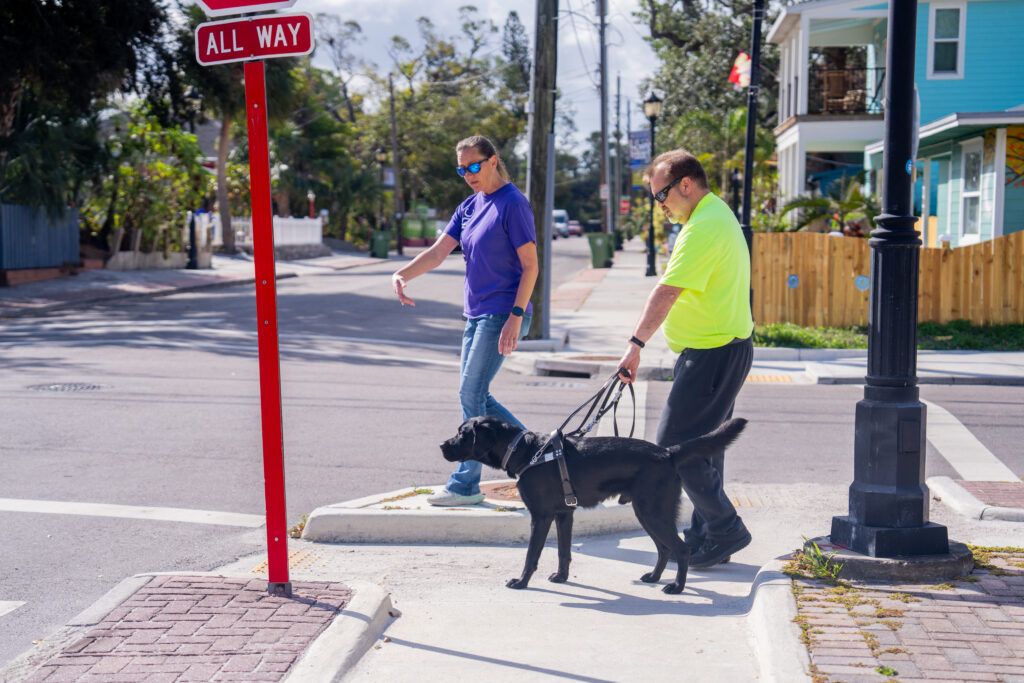
From the perspective of the handlers themselves, this dynamic creates a profound emotional and psychological bond. A seasoned handler sharing their experience notes:
"In the beginning, when your dog suddenly refuses a forward command in the middle of a busy street, your instinct is frustration. You wonder why they aren’t working. But the moment you hear the roar of a car running a red light that you couldn’t possibly hear, everything shifts. In that instant, you realize this animal isn’t just guiding your steps—they are guarding your life. That is when a dog stops being a tool and becomes a true equal partner."
Future Outlook: Technology, Independence, and the Evolving Role of Guide Dogs
As we look toward the future of mobility assistance for the blind and visually impaired, the landscape of urban navigation is undergoing rapid transformation. The proliferation of quiet electric and hybrid vehicles, the clutter of dockless scooters on city sidewalks, and the increasing complexity of urban architecture present novel challenges for pedestrian safety.
While technological innovations—such as GPS haptic vests, smart canes embedded with LiDAR, and artificial intelligence-driven audio navigation apps—continue to evolve, none have successfully replicated the dynamic, sentient problem-solving capabilities of a well-trained guide dog. Technology can inform a user of a static barrier or a digital map route, but it cannot exercise intuitive, real-time moral judgment in the face of an unpredictable, moving crisis.
Organizations dedicated to breeding and training guide dogs, such as Dogs Inc, continue to refine their genetic selection and training methodologies to meet these modern urban demands. By emphasizing resilience, problem-solving, and emotional attunement, future generations of guide dogs are being prepared for increasingly complex environments.
Ultimately, intelligent disobedience transcends the technical parameters of animal training. It stands as a testament to the heights of interspecies cooperation. By bridging the gap between human intention and environmental reality, these exceptional animals do far more than guide their handlers from point A to point B—they restore autonomy, mitigate urban anxiety, and fundamentally redefine what it means to move freely and fearlessly through the world.