
Executive Overview
Selecting the optimal cat litter for your household is far more nuanced than simply grabbing the most affordable bag off a retail shelf. As the pet care market evolves through 2026, cat owners are confronted with an increasingly sophisticated array of options: silica crystal health-monitoring formulas, traditional high-performance clumping clays, sustainable plant-based matrices made from corn and wheat, and specialized paper pellets designed for post-surgical recovery.
Choosing the wrong litter can trigger a cascade of unintended negative consequences, ranging from acute litter box avoidance and excessive tracking throughout your living space to respiratory irritation from microscopic dust. Furthermore, understanding the physiological sensitivities of felines—who possess an olfactory system vastly more sensitive than our own—is paramount. This authoritative guide evaluates the top-performing cat litters of 2026 across critical performance vectors: odor neutralization, structural clumping integrity, dust particulate levels, tracking tendencies, ecological impact, and overall consumer value. Whether you manage a single finicky feline or a bustling multi-cat household, this comprehensive analysis is engineered to help you navigate the modern marketplace with absolute confidence.
Detailed Chronology of Litter Innovation & Market Evolution
The commercial cat litter industry has undergone a fascinating technological transformation over the past several decades, moving from rudimentary materials to high-tech, bio-engineered solutions.
- The Pre-1940s Era (The Industrial Baseline): Before the commercialization of specialized cat litter, pet owners primarily relied on ashes, sand, dirt, or shredded newspaper. These materials were profoundly inefficient at controlling moisture and neutralizing ammonia odors, frequently resulting in household cleanliness challenges.
- The Mid-20th Century (The Birth of Clumping Clay): In the late 1940s, businessman Edward Lowe introduced absorbent fuller’s earth clay to cat owners, birthing the modern cat litter industry. For decades, non-clumping absorbent clay dominated the market, requiring frequent, complete box replacements.
- The 1980s to 1990s (The Clumping Revolution): The introduction of sodium bentonite clay transformed waste management. Bentonite clay swells upon contact with liquid, forming solid, scoopable clumps that revolutionized daily maintenance and drastically reduced waste.
- The Early 2000s (Rise of Alternative and Natural Substrates): Environmental consciousness and growing awareness of clay dust toxicities spurred the development of plant-based litters. Manufacturers began producing formulations derived from whole-kernel corn, wheat starches, recycled paper, and wood fibers.
- The 2010s to Present (Smart Litter and High-Tech Integration): The contemporary era is defined by precision engineering. Innovations such as silica gel crystals, automatic self-cleaning box-compatible matrices, and color-changing silica formulations designed to monitor feline urinary health have redefined what consumers expect from a basic pet commodity.
Top-Performing Cat Litter Products of 2026
To provide an objective, actionable evaluation, our product testing framework mirrors the rigorous standards maintained across our professional product review hub. Each selection below has been evaluated for practical performance, chemical safety, and household adaptability.
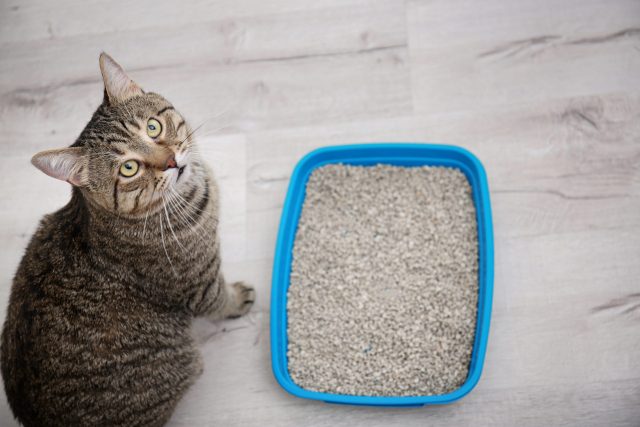
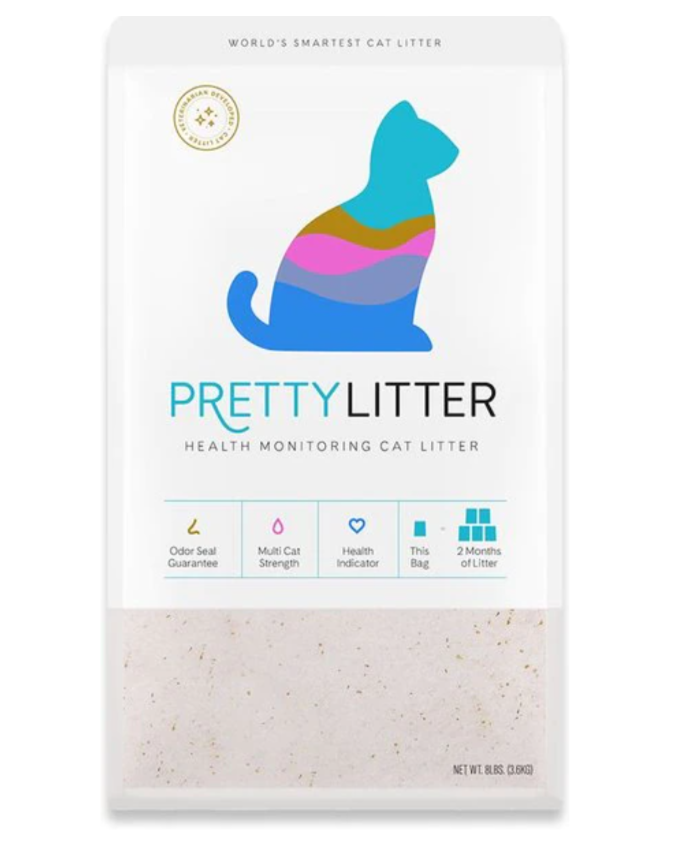
Best Crystal Cat Litter: PrettyLitter Color-Changing Cat Litter
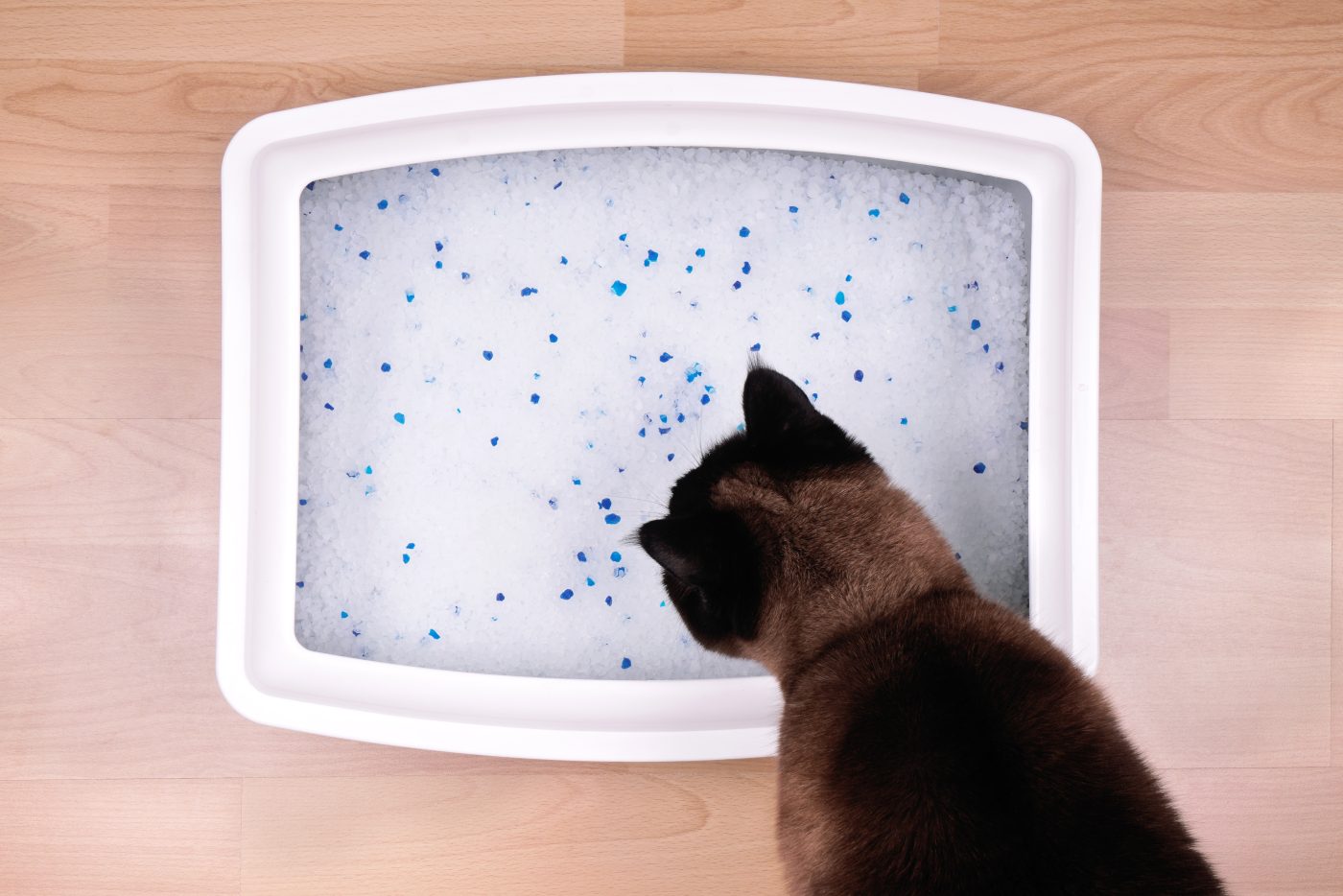
PrettyLitter fundamentally redefines the silica crystal category by integrating a passive diagnostic tool directly into the substrate. Beyond functioning as an absorbent medium, its silica crystals alter color in response to variations in feline urine chemistry.
- Diagnostic Markers: Yellow-green indicates normal or unusual acidity; blue signals high alkalinity; red highlights the presence of blood in the urine, acting as an early-warning system for insidious lower urinary tract disorders.
- Day-to-Day Performance: Because it relies on absorption rather than clumping, it eliminates heavy lifting and prevents the accumulation of dense clay sludge. It is virtually dust-free, lightweight, and engineered so that a single bag sustains an average cat for a full 30 days via a convenient subscription model.
- Ideal Consumer Profile: Health-conscious cat parents, owners of stoic indoor cats adept at masking illness, and multi-cat households requiring proactive health surveillance.
Best Odor-Absorbing Crystal Line: Fresh Step Clean Care Crystal
Fresh Step’s silica gel crystal line approaches moisture control through rapid absorption, locking away liquid on contact while allowing solid waste to dry out completely.
- Maintenance & Composition: As a non-clumping formula, daily upkeep requires stirring the litter to expose fresh crystals and scooping solid waste. It produces negligible dust compared to traditional bentonite clay, making it a viable option for households with respiratory sensitivities.
- Considerations: Unlike PrettyLitter, Clean Care Crystal does not feature a color-changing health diagnostic mechanism. Furthermore, buyers must evaluate package sizing carefully, as Fresh Step produces multiple distinct product lines spanning both clay and crystal variants, each with unique cost profiles.
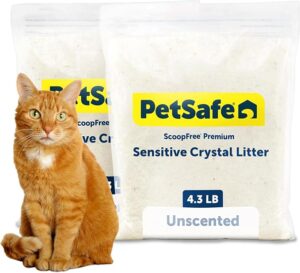
Best Automatic Box Crystal: PetSafe ScoopFree Premium Crystal Cat Litter
Engineered specifically to complement the mechanics of the PetSafe ScoopFree automatic self-cleaning litter box, this crystal formulation maximizes mechanical efficiency.
- Operational Design: The pre-portioned, disposable trays snap seamlessly into compatible hardware, completely bypassing the need to pour loose litter. The crystals rapidly dehydrate solid waste and capture urine on contact, ensuring the automatic raking mechanism operates cleanly and without mechanical resistance.
- Ideal Consumer Profile: Owners of automated litter ecosystems who prioritize hands-off daily maintenance and mess-free disposal cycles.
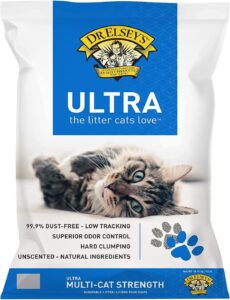
Best Clumping Cat Litter: Dr. Elsey’s Ultra Clumping Cat Litter
Dr. Elsey’s Ultra has cultivated a devoted following among veterinary professionals and experienced cat owners due to its uncompromising structural integrity.
- Clumping Mechanics: Formulated with heavy-grain, hard-clumping sodium bentonite, it forms dense, impenetrable clumps that lift cleanly without crumbling or leaving residue at the bottom of the pan.
- Sensory Profile: Crucially, this formula is entirely unscented. Because felines possess exponentially more scent receptors than humans—as documented by the Cornell Feline Health Center—avoiding artificial perfumes prevents box aversion. It is 99.9% dust-free and controls tracking effectively.
- Ideal Consumer Profile: Multi-cat households, owners managing scent-sensitive felines, and anyone seeking maximum clumping efficiency.
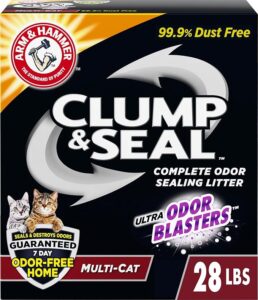
Best Odor-Sealing Clay: Arm & Hammer Clump & Seal Cat Litter
When ambient household odor control is the primary operational objective, Arm & Hammer Clump & Seal provides industry-leading performance.
- Chemical Neutralization: Utilizing moisture-activated micro-granules alongside baking soda, this litter seals around waste on contact, neutralizing ammonia at a molecular level before odors can permeate the room.
- Durability: The resulting clumps are exceptionally robust, drastically cutting down on daily waste management time while backing its performance claims with commercial satisfaction guarantees.
- Ideal Consumer Profile: High-occupancy multi-cat homes, compact apartments, and owners living in confined architectural layouts where odor management is critical.
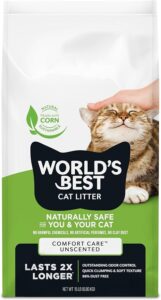
Best Natural Cat Litter: World’s Best Comfort Care Unscented
Plant-based litters frequently struggle to match the performance metrics of traditional clay, but World’s Best bridges this performance gap successfully.
- Composition: Manufactured entirely from whole-kernel corn, this formula avoids synthetic additives, chemical fragrances, and clay dust. Natural corn proteins bind liquids into tight, scoopable clumps.
- Safety & Ecology: Independent consumer testing rates the formula at approximately 99% dust-free. Additionally, it is biodegradable and flushable in small quantities, significantly reducing landfill impact.
- Ideal Consumer Profile: Eco-conscious pet owners, households with young children or multi-pet dynamics, and cats exhibiting sensitivities to artificial additives.
Best Natural Alternative: sWheat Scoop Multi-Cat
Utilizing renewable wheat starches rather than corn or clay, sWheat Scoop employs natural plant enzymes to dismantle organic waste odors at their source.
- Paw Comfort: The softer grain texture is significantly more forgiving on feline paws, making it an exceptional choice for cats transitioning away from harsh clay substrates or those with sensitive footpads.
Best Hypoallergenic Clay: Boxiecat Extra Strength Unscented
Boxiecat differentiates itself through an innovative flat-clumping mechanism. Rather than forming deep, spherical clumps that break apart, it forms dense, flat clumps right at the surface of the litter bed.
- Cleanliness: This surface-level clumping leaves the underlying litter completely pristine, extending the economic life of each bag while offering a hypoallergenic, 99.9% dust-free environment.
Best Paper-Based Litter: Fresh News Recycled Paper Litter
Constructed from 100% recycled paper pellets, Fresh News is the clinical gold standard for specialized physical care scenarios.
- Specialized Applications: The non-abrasive pellet texture makes it the premier recommendation from veterinarians for felines recovering from surgical procedures, declawed cats, or young kittens whose digestive tracts are vulnerable to the dangers of ingested clay.
- Tracking Control: The large pellet format eliminates tracking entirely, keeping living areas free of stray granules.
Supporting Context & Comparative Metrics
When evaluating litter performance, quantitative metrics provide essential clarity. The matrix below contrasts the core categories across vital household performance indicators:
| Litter Category | Primary Material | Dust Level | Clumping Capability | Odor Control Method | Best Environmental Fit |
|---|---|---|---|---|---|
| Clumping Clay (e.g., Dr. Elsey’s) | Sodium Bentonite | Low to Moderate | Excellent | Natural Absorption / Density | Traditional Landfill |
| Silica Crystal (e.g., PrettyLitter) | Amorphous Silica Gel | Negligible | Non-Clumping | Rapid Dehydration | Long-Lasting / Low Volume |
| Corn / Plant-Based (e.g., World’s Best) | Whole-Kernel Corn | Low | Good | Plant Proteins / Enzymatic | Biodegradable / Flushable |
| Recycled Paper (e.g., Fresh News) | Post-Consumer Paper | None | Non-Clumping | Baking Soda / Absorption | Maximum Eco-Friendliness |
Official Guidelines & Veterinary Insights
To ensure authoritative standards of care, veterinary institutions consistently emphasize several core physiological realities regarding feline elimination habits:
- Avoidance of Artificial Fragrances: Organizations such as the Cornell Feline Health Center emphasize that cats possess a highly acute olfactory apparatus. Heavily scented commercial litters, while designed to please human consumers, frequently trigger aversion, leading to inappropriate elimination outside the box.
- Kitten Ingestion Risks: According to safety guidelines issued by veterinary toxicological authorities, kittens under eight weeks old should be housed exclusively on non-clumping substrates (such as paper or natural pellets). Ingested sodium bentonite clay can expand upon contact with moisture in the gastrointestinal tract, creating life-threatening intestinal blockages.
- Dust and Respiratory Health: Fine particulate matter generated by low-quality clay litters can exacerbate chronic feline bronchitis and asthma. Investing in 99.9% dust-free formulations protects both human and animal respiratory pathways.
Future Outlook: The Next Generation of Feline Sanitation
As we look further into the decade, the cat care market is projected to embrace even greater technological integration. Industry analysts anticipate the mass adoption of smart home-integrated litter boxes capable of automatically weighing waste, tracking elimination frequency, and syncing biometric data directly to smartphone diagnostic applications. Concurrently, material science innovations are driving the development of fully compostable, zero-waste synthetic crystal alternatives designed to eliminate the environmental footprint of traditional strip-mined bentonite clay.
Comprehensive Buyer’s Guide: Making Your Final Choice
Navigating the retail landscape requires balancing your lifestyle constraints with your cat’s instinctual preferences. Keep these decision-making pillars in mind:
- Match Litter Type to Life Stage: Kittens and post-surgical cats require non-clumping paper or pellet litters. Adult cats generally thrive on hard-clumping clay or specialized crystal matrices.
- Prioritize Unscented Formulations: Always default to unscented varieties unless your cat has demonstrated an established tolerance for gentle botanical fragrances.
- Implement Gradual Transitions: Never switch a cat’s litter overnight. Introduce a new product by blending it 25% new to 75% old for three days, progressing incrementally to a 100% replacement over a 7-to-10-day window to eliminate anxiety-induced box rejection.
- Evaluate Maintenance Realities: Assess whether your daily schedule accommodates scooping dense clay daily, stirring crystal silica matrices, or swapping automated disposable trays on a monthly schedule.