
Executive Overview
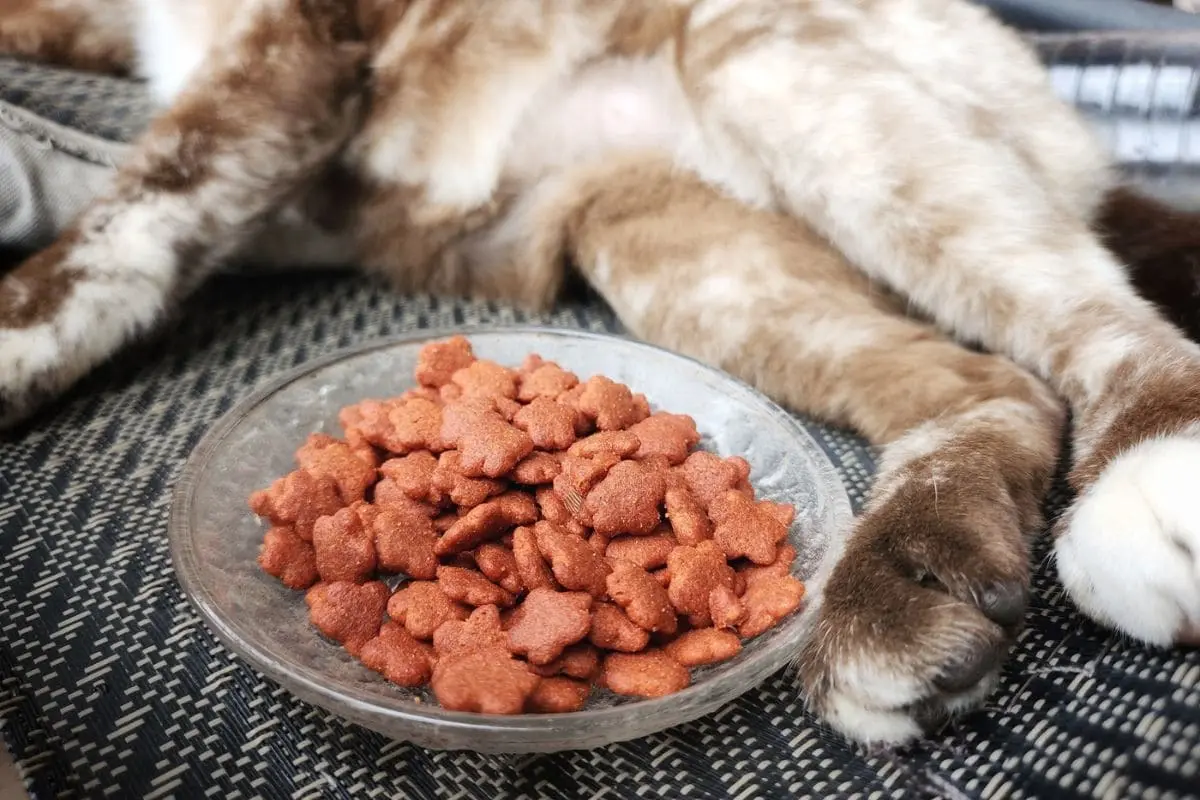
For decades, dry kibble has served as a cornerstone of the commercial pet food industry, prized for its convenience, affordability, and shelf-stable nature. However, a silent crisis often unfolds within households housing indoor felines: chronic, low-level dehydration. Because domestic cats (Felis catus) descend from arid-climate predators, they possess a notoriously low thirst drive, rarely seeking out water bowls unless severely depleted. This evolutionary trait makes it difficult for modern indoor cats to consume adequate fluids through a diet that relies exclusively on dry food, which typically contains a meager 5% moisture content.
To bridge this hydration gap, a growing number of feline enthusiasts and veterinarians have championed a simple, cost-effective practice: adding water, broth, or other liquids to dry kibble. Proponents argue that softening food enhances nutrient absorption, aids in feline weight management, eases the burden on aging dentition, and protects against the urinary tract issues that plague indoor cats.
Yet, this culinary modification is not without its risks. Introducing moisture to dry food creates an ideal environment for rapid bacterial proliferation, raising critical food safety concerns. Furthermore, sudden dietary transitions can trigger acute gastrointestinal distress in sensitive cats. This investigative report explores the complex science behind feline hydration, evaluating the profound benefits and hidden hazards of soaking dry kibble, while offering authoritative, veterinarian-backed guidance on how to optimize your cat’s daily nutrition.
Detailed Chronology and Evolution of Feline Feeding Practices
To understand why modern cat owners are adding water to kibble, we must examine how feline nutrition has evolved over the past century.
The Rise of Commercial Pet Food
Before the mid-20th century, domestic cats were largely fed table scraps, raw meat, and farm pests. The landscape shifted dramatically during World War II when metal shortages restricted the production of canned pet food. Manufacturers pivoted to cereal-based, extruded dry foods packaged in paper bags. This innovation birthed the modern commercial pet food industry.
While dry kibble revolutionized convenience for pet owners, it fundamentally altered the moisture profile of the feline diet. In the wild, a cat’s natural prey—such as mice, birds, and insects—consists of approximately 70% to 75% water. This high moisture content allows wild felines to derive almost all their daily hydration requirements directly from their food, rendering active drinking from standing water sources largely unnecessary.
The Indoor Evolution and the Thirst Paradox
As cats transitioned from outdoor mousers to pampered indoor apartment dwellers, their lifestyles changed, but their biological operating systems did not. The modern indoor cat faces a biological mismatch: it consumes a diet consisting of roughly 5% moisture (dry kibble) while retaining the desert-adapted metabolism of its ancestors.
Veterinarians quickly noticed that many indoor cats live in a state of sub-clinical dehydration. Unlike dogs, which readily lap up large volumes of water, cats lack an urgent physiological trigger for thirst until dehydration reaches significant levels. This reluctance to drink frequently contributes to chronic low-volume urine production, which in turn elevates the risk of lower urinary tract diseases, crystal formation, and feline idiopathic cystitis (FIC).
In response to these clinical observations, feline nutritionists began exploring practical interventions. While commercial wet food provides an immediate solution (boasting roughly 80% moisture), it is often significantly more expensive and spoils quickly upon opening. Consequently, the practice of adding water to dry kibble emerged as a middle-ground strategy—an accessible bridge designed to elevate daily fluid intake without forcing pet owners to abandon dry food entirely.
Supporting Context & Metrics: The Science of Soaking Kibble
Evaluating the practice of adding water to dry food requires a close examination of the physiological and nutritional metrics involved.
1. The Hydration Equation
- Dry Kibble Moisture Content: ~5%
- Natural Prey Moisture Content: ~70% – 75%
- Commercial Wet Food Moisture Content: ~80%
- Water-Enhanced Kibble (Target Ratio): Variable, depending on the volume of added liquid (typically bringing total moisture closer to 40%–50% if soaked until saturated).
While water-added kibble rarely matches the sheer moisture density of a premium canned diet, it provides a measurable statistical increase in daily water consumption. For cats that stubbornly refuse to eat wet food—a common behavioral hurdle among older cats imprinted on specific kibble textures—moistening their preferred diet is often the most viable way to increase systemic hydration.
2. Digestion and Enzymatic Breakdown
From a biochemical standpoint, digestion begins in the mouth and stomach through the action of gastric juices and digestive enzymes. Dry kibble is heavily dehydrated during manufacturing, meaning that once ingested, it must absorb moisture from the cat’s own digestive tract to soften before enzymes can effectively break down proteins, fats, and carbohydrates.
Pre-soaking kibble preempts this process. By allowing water to penetrate the matrix of the food prior to ingestion, the mechanical and chemical strain on the feline gastrointestinal tract is reduced. Gastric juices can immediately target the nutrients, leading to more efficient absorption and a lower incidence of postprandial sluggishness or regurgitation.
3. Weight Management and Satiety
Obesity is one of the most prevalent medical conditions in domestic cats, predisposing them to diabetes mellitus, hepatic lipidosis, and joint degradation. Hydrated kibble offers a mechanical advantage in weight-loss regimens.
When dry kibble absorbs water, individual pieces swell significantly in volume. When a cat consumes this expanded food, gastric stretch receptors signal fullness to the brain much faster than they would with dry, dense kibble. This creates a powerful satiety cue, allowing felines to feel genuinely satisfied while consuming fewer calories per meal.
4. Palatability and Geriatric Care
As cats age, they frequently encounter dental resorption, periodontal disease, missing teeth, or generalized oral pain. Crunching down on hard, dry kibble becomes an excruciating chore, often causing senior cats to eat less and experience unintended weight loss.
Furthermore, a cat’s sense of smell diminishes with age. Because warm water releases volatile aromatic compounds trapped within the fats sprayed onto commercial kibble, moistening food with warm water or feline-safe broths creates an intense olfactory profile that stimulates lagging appetites in geriatric or convalescing pets.
Official Guidelines, Safety Concerns, and Veterinary Perspectives
Despite the clear physiological advantages, veterinary institutions and food safety agencies urge caution. Altering commercial pet food by introducing moisture shifts the biological stability of the product.
The Bacterial Breeding Ground
The United States Food and Drug Administration (FDA) and various veterinary bodies regulate pet food with strict safety parameters in mind. Dry kibble is specifically formulated to remain shelf-stable because its low water activity ($a_w$) inhibits the growth of pathogenic bacteria such as Salmonella, Escherichia coli, and Listeria.
When a pet owner adds water to kibble, that protective low-moisture barrier is immediately dismantled. At room temperature, moistened kibble transforms into an incubation chamber for opportunistic microbes. According to veterinary safety standards:
- The 30-Minute Rule: Moistened cat food should never be left out at room temperature for longer than 30 minutes.
- Refrigeration Protocols: Any uneaten moistened food must be promptly refrigerated or discarded. Leaving soaked kibble out for hours invites rapid bacterial colonization, which can precipitate acute gastroenteritis, vomiting, and severe diarrhea in pets.
- Vector Contamination: The added moisture also attracts household insects, particularly flies and ants, which can deposit pathogens directly onto the food source.
The Risk of Gastrointestinal Upset
The feline gastrointestinal tract possesses a delicate microbiome finely tuned to specific dietary consistencies. A sudden, dramatic shift in food texture or moisture content can disrupt the gut flora, triggering acute soft stools or diarrhea.
Veterinarians recommend a gradual transition. Rather than flooding a cat’s entire bowl with water overnight, owners should begin by dampening a single meal with a teaspoon of warm water, carefully monitoring the cat’s stool quality and digestive tolerance over several days before increasing the liquid volume.
Expert Recommendations for Safe Preparation
If you and your veterinarian determine that adding moisture to your cat’s diet is beneficial, adhering to strict preparation protocols is essential to prevent foodborne illness and ensure palatability.
- Utilize Safe Vessels: Always prepare moistened kibble in stainless steel, ceramic, or glass bowls. Avoid scratched or porous plastic containers, which harbor microscopic bacteria in their fissures that are impervious to standard washing.
- Control Temperature: Use warm (never boiling or microwaved) water or specialized pet-safe broths. Microwaving creates dangerous "hot spots" that can severely burn a cat’s sensitive oral mucosa, tongue, and esophagus.
- Explore Healthy Liquid Alternatives: Plain tap water is effective, but for cats requiring extra incentive, low-sodium bone broth or specialized commercial fish-based broths formulated specifically for felines can elevate nutritional appeal without introducing harmful onions, garlic, or excessive sodium.
- Practice Active Bowl Hygiene: Wash food bowls thoroughly with hot, soapy water after every single meal containing moistened kibble to prevent biofilm accumulation and bacterial cross-contamination.
Future Outlook: The Evolution of Feline Nutrition
As pet care continues to industrialize and modernize, the debate surrounding kibble hydration highlights a broader shift toward personalized feline medicine. Nutritional science is moving away from a one-size-fits-all approach, recognizing that the ideal diet must account for a cat’s specific life stage, genetic predispositions, and behavioral quirks.
Looking forward, we can expect pet food manufacturers to innovate further, introducing functional kibbles designed specifically to interact safely with liquids, as well as advanced "bi-nutrition" guidelines that seamlessly blend wet and dry feeding protocols. Veterinarians increasingly advocate for a blended nutritional strategy—feeding high-moisture canned foods during primary meals supplemented by carefully managed, hydrated kibble routines—to ensure optimal hydration without sacrificing the dental abrasion and convenience benefits of dry food.
Ultimately, deciding whether to add water to your cat’s dry food is not a blanket choice; it is a clinical decision that should be made in consultation with a licensed veterinarian. By balancing the proven hydration and digestive benefits against strict food safety protocols, cat owners can craft a customized nutritional regimen that promotes longevity, vitality, and lifelong wellness for their feline companions.