
Executive Overview
In the world of corporate entrepreneurship, origin stories often revolve around high-tech incubators, sleek venture capital offices in Silicon Valley, or late-night brainstorms in university dormitories. However, some of the most enduring, mission-driven enterprises trace their genesis to much more ordinary—and far more charming—foundations.
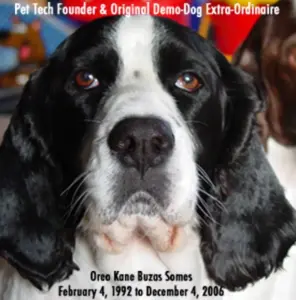
For Pet Tech, the global leader in pet first aid, CPR, and safety training, that foundation was a converted two-car garage in Southern California. But more importantly, the company’s survival, early success, and unique training methodology were shaped not just by human ingenuity, but by a remarkable canine pioneer named Oreo.
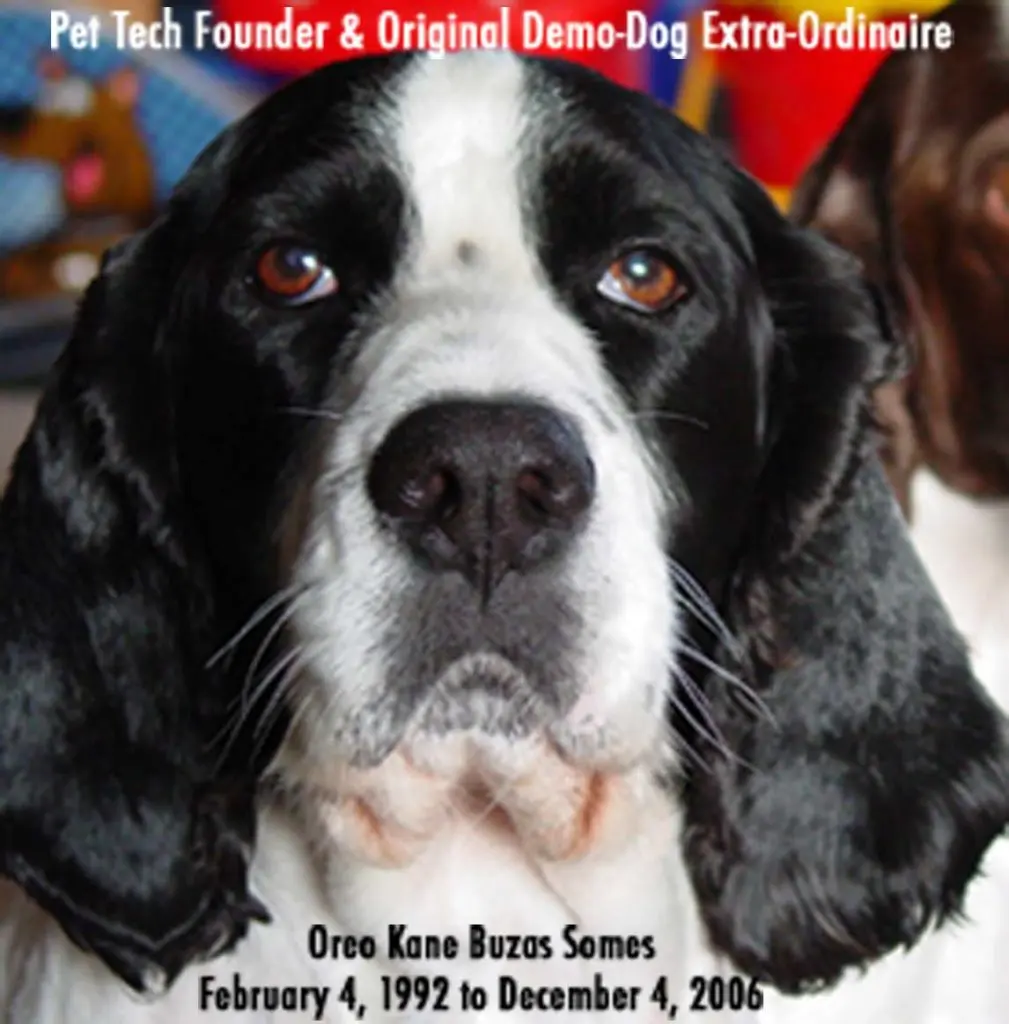
As the original "Demo-Dog Extra-ordinaire" and unofficial Canine Co-Founder, Oreo did far more than serve as a cute marketing mascot. She was an integral pedagogical asset, a tireless ambassador, and a comforting presence for thousands of students learning life-saving emergency response techniques for animals. Her legacy touches upon a fascinating intersection of animal companionship, corporate operations, and even tax strategy—illustrating how working pets can legitimately become vital components of small business infrastructure.
This comprehensive retrospective explores the humble beginnings of Pet Tech, the critical operational role played by its founding canine partner, the strategic evolution of pet-inclusive entrepreneurship, and the enduring philosophy that continues to drive pet safety education forward today.
Detailed Chronology: From Garage Blueprint to Global Pet Safety Authority
The Genesis: The "Two-Car" Office Era (The 1990s)
Every great enterprise requires a workspace, but in the early days of Pet Tech, resources were scarce and overhead had to be meticulously managed. Rather than leasing expensive commercial real estate, the founders looked no further than their own home—specifically, a standard two-car garage.
Recognizing the potential for a dedicated corporate headquarters just steps from the main residence, the founders enlisted family support to bring the vision to life. They flew Ken Somes in from Michigan to spearhead the structural conversion. What followed was a masterclass in grassroots bootstrapping:
- Infrastructure Overhaul: The raw concrete garage floor was outfitted with professional-grade carpeting to create a welcoming, climate-controlled interior.
- Technology Integration: A television was custom-mounted into the corner, and a massive six-foot whiteboard was installed on the wall to map out curricula, business plans, and training schedules.
- Workspace Design: Electrical wiring was completely upgraded to support dual executive desks and a spacious 10-foot conference table capable of accommodating early team meetings and strategic planning sessions.
The entrance experience became legendary among early visitors and students. Guests would walk alongside the exterior of the house, pass by the backyard swimming pool, and step through the side door directly into the converted office. The reaction was almost universally uniform: sheer astonishment.
Visitors would freeze in their tracks, taking in the professional setup hidden behind a suburban garage facade. It mirrored the dramatic reveals seen on home renovation television shows. Without that scrappy, low-overhead two-car office serving as an incubator during the precarious early years, company leadership openly acknowledges that Pet Tech might not have survived its infancy.
Enter Oreo: The Canine Co-Founder
As the business began refining its curriculum—focusing on CPR, first aid, and emergency preparedness for companion animals—the founders realized they needed a living, breathing model to demonstrate techniques effectively. Enter Oreo, a dog whose temperament, intelligence, and enthusiasm made her uniquely suited for the classroom.
Oreo immediately assumed her duties as the primary Demo-Dog. Unlike pets that find strangers stressful, Oreo understood she had a job, and she approached it with unmistakable joy. Her daily routine established a gold standard for animal-assisted education:
- The Greeter: She stationed herself at the entrance, welcoming every student as they arrived for class.
- The "Fur-Fix": Recognizing that human students were often separated from their own pets while attending training sessions, Oreo circulated the room, offering much-needed affection and tactile comfort.
- The Living Mannequin: Students were able to practice tactile examinations, pulse checks, and physical assessments directly on her under instructor supervision.
- The Finale: Every comprehensive "Snout-To-Tail Assessment" reliably concluded with Oreo rolling gracefully onto her back, signaling that it was time for her well-earned reward: the ultimate belly rub.
Supporting Context & Metrics: The Economics and Logistics of Working Pets
While Oreo’s contributions were primarily emotional and educational, her presence also highlights fascinating intersections regarding small business operations, marketing value, and tax jurisprudence for animal-inclusive enterprises.
Marketing, Mascots, and Brand Identity
In the modern digital landscape, pet influencers command millions of followers, but in the formative years of pet safety education, live animal ambassadors were a novel way to build brand trust. Oreo was never far from a camera lens. She was featured prominently across instructional photographs, promotional training videos, marketing brochures, and digital campaigns.
Furthermore, she traveled extensively as the official mascot and greeter, accompanying the team to industry trade shows, veterinary conventions, and national conferences. Her calm demeanor in chaotic convention centers proved invaluable in demonstrating that properly trained dogs could handle high-stress environments with poise.
The Tax Implications of the "Corporate Canine"
One of the more intriguing operational aspects of utilizing an animal within a Pet Tech business model involves corporate accounting and expense classification. Because Oreo served as a marketing asset, a training model, and an instructional aid, her upkeep fell under legitimate business expenditures.
Under standard commercial guidelines, when an animal is demonstrably integrated into the revenue-generating or operational structure of a business—such as serving as a demo-dog or corporate mascot—certain care costs can be categorized as business write-offs. For Oreo and many subsequent Pet Tech instructors’ animals (including specialized demo-cats utilized in specific modular classes), standard care expenses often included:
- Nutritional Provisions: High-grade dog food, specialized treats (such as her beloved liver treats), and dietary maintenance necessary to keep the working animal in peak physical condition.
- Veterinary Care: Routine check-ups, vaccinations, and wellness maintenance required to ensure the animal was healthy enough to interact safely with public classes.
- Quality of Life Purchases: Toys, bedding, travel crates, and grooming supplies utilized during promotional tours and instructional sessions.
Industry Note: Business owners are always advised to consult certified public accountants (CPAs) or tax professionals to ensure compliance with local and federal tax codes regarding animal-related business deductions.
The Power of Positive Reinforcement: Treats as Currency
Oreo’s motivation was entirely pure, driven by affection and culinary incentives. She was famously cooperative for peanut butter and liver treats. Her legendary appreciation for liver treats became a running joke among students and instructors alike.
During a training seminar hosted at a local dog wash facility, a particularly devoted student was so captivated by Oreo’s performance and charm that he walked straight over to the facility’s retail store and purchased a giant, industrial-sized can of premium liver treats as a tribute. Anecdotes like this underscore the deep bonds forged between the educational staff, the canine demonstrators, and the passionate community of pet parents seeking to protect their animals.
Official Statements and Industry Philosophy
The philosophy underlying Pet Tech’s operations has always centered on the premise that pets are family members, not merely property. This core belief dictated not only how emergency protocols are taught, but how animals are treated within the corporate ecosystem.
Reflecting on Oreo’s legacy, founder Thom Somes noted:
"She was the first Demo-Dog for Pet Tech and truly the Canine Co-Founder of Pet Tech! What made her a Demo-Dog Extra-ordinaire is that she knew she had a job to do and loved every minute of it. She would greet every student as they came in class, go from student to student in class allowing them to reach back and check for her pulse and generally give our students their much-needed ‘fur-fix’, since they were away from their furry family member."
This sentiment encapsulates the emotional intelligence required in animal care education. Students are often anxious when learning emergency medical skills—such as performing canine CPR, managing choking obstructions, or applying splints. Having a patient, cooperative animal like Oreo in the classroom instantly lowers anxiety levels, demystifies the procedures, and provides immediate tactile feedback that plastic mannequins simply cannot replicate.
Furthermore, the integration of diverse animals—ranging from dogs of all breeds to specialized demo-cats utilized by advanced instructors—demonstrates a commitment to inclusive, species-specific emergency preparedness. Every animal brings unique anatomical challenges to a first-aid scenario, and having live educational partners prepares human responders for real-world unpredictability.
Future Outlook: The Enduring Legacy of Pet Tech Pioneers
As Pet Tech continues to expand its global footprint, training thousands of pet parents, veterinary technicians, groomers, and pet-care professionals every year, the blueprint established in that original Southern California garage remains visible in every facet of the company culture.
The lessons of the "Two-Car Office" era teach modern entrepreneurs that grand ambitions do not require grandiose beginnings; they require resourcefulness, community support, and an unwavering commitment to quality. Meanwhile, Oreo’s legacy serves as a permanent reminder of the symbiotic relationship between humans and animals.
Today, as instructors across the globe utilize their own furry partners in classrooms, the spirit of the original Canine Co-Founder lives on. Whether through a gentle pulse-check during a CPR demonstration, a comforting lean against an anxious student’s leg, or an enthusiastic roll-back for a well-deserved belly rub after a successful Snout-To-Tail Assessment, working pets remain the heartbeat of pet safety education.
For those inspired by Oreo’s legendary dedication—and her refined palate for high-grade liver treats—supporting the working animals that make pet safety training possible remains a cherished tradition. After all, as the founders frequently remind their communities: keeping our pets safe starts with treating them as true partners in every sense of the word.