
Executive Overview
In an era defined by compounding climate pressures, prolonged drought, and historically depleted reservoirs, the United States and Mexico have once again demonstrated the power of cross-border environmental diplomacy. The signing of Minute 334 marks a crucial continuation of modern binational water management under the landmark 1944 U.S.–Mexico Water Treaty. Extending cooperative frameworks through 2028, this new agreement arrives at a critical juncture for the Colorado River Basin, a lifeline that sustains roughly 40 million people, vast agricultural economies, and irreplaceable ecological networks across two nations.
At its core, Minute 334 formalizes an equitable sharing of water shortages between the United States and Mexico. By distributing the heavy burden of scarcity across a broader base of users and regions, the agreement mitigates the localized shocks of overallocation and climate change. Crucially, the pact is far more than a mechanism for rationing dwindling supplies; it represents a comprehensive commitment to ecological restoration and community resilience.
Under the terms of Minute 334, the federal governments of the U.S. and Mexico, alongside a coalition of non-governmental organizations known as Raise the River—which includes the National Audubon Society—will commit over $5 million over the next two years. This funding will sustain and protect more than 1,300 acres of painstakingly restored riparian habitat in the long-dry Colorado River Delta.
By aligning its two-year term with domestic U.S. timelines for post-2026 operational guidelines, Minute 334 bridges immediate conservation needs with long-term strategic planning. As the basin navigates uncharted hydrological territory, this agreement underscores an essential truth: the survival of human communities and the preservation of irreplaceable biodiversity in the American Southwest and Northern Mexico are inextricably linked.
Detailed Chronology: The Evolution of Binational Water Cooperation
To fully understand the significance of Minute 334, one must trace the evolution of the 1944 Water Treaty and the modern series of "Minutes"—binding agreements negotiated through the International Boundary and Water Commission (IBWC) that adapt the foundational treaty to contemporary environmental and socio-economic realities.
The Foundation: The 1944 Water Treaty
For decades, the apportionment of the Colorado River was governed strictly by the 1944 Utilization of Waters of the Colorado and Tijuana Rivers and of the Rio Grande treaty. This historic pact allocated 1.5 million acre-feet of water annually to Mexico. However, as the American West developed rapidly through the 20th century, the basin grew severely over-allocated. Reservoirs like Lake Mead and Lake Powell began to reflect the widening gap between paper water rights and actual hydrological yields. For over half a century, the lower reaches of the Colorado River—specifically the delta in Mexico, where the river once emptied into the Gulf of California in a sprawling, biologically rich estuary—suffered profoundly, drying up almost entirely due to upstream dams and diversions.
A Paradigm Shift: Minute 319 (2012)
The paradigm of rigid allocation began to shift in 2012 with the adoption of Minute 319. This historic five-year pilot agreement transformed how the U.S. and Mexico managed the river. For the first time, the agreement established cooperative mechanisms for sharing shortages during dry years and surpluses during wet years.
Most revolutionary, however, was the inclusion of environmental flows. Minute 319 coordinated a historic "pulse flow"—a managed release of water designed to mimic natural spring floods—that sent water rushing down the dried riverbed to the sea. This water temporarily reconnected the river to the ocean, revitalized native vegetation, and provided scientists with invaluable data on ecosystem response.
Deepening the Partnership: Minute 323 (2017)
Building upon the successes of its predecessor, Minute 323 was signed in 2017 as a robust nine-year extension. Minute 323 further institutionalized binational cooperation, committing both nations to ongoing water savings, salinity management, and dedicated environmental flows.
Through the collaborative efforts of Raise the River—a binational coalition comprising Audubon, the Sonoran Institute, The Nature Conservancy, Environmental Defense Fund, Pronatura Noroeste, and Restauremos El Río—Minute 323 facilitated the active restoration of thousands of acres of native riparian forests. It proved that collaborative conservation could yield measurable ecological recovery even amid a deepening regional drought.
The Present Milestone: Minute 334
As Minute 323 neared its conclusion, water managers and conservationists recognized the urgent need to maintain continuity while comprehensive post-2026 operating guidelines were being formulated domestically within the United States. Negotiated to span a critical two-year window through 2028, Minute 334 directly addresses this transition period. It ensures that the hard-won gains of the past decade are not lost, locking in water-sharing provisions and financial support for ecosystem stewardship just as basin-wide reductions become unavoidable.
Supporting Context & Metrics: Ecological Imperatives and Hydrological Realities
The urgency behind Minute 334 is rooted in hard data—both the stark metrics of the basin’s water crisis and the astonishing ecological resilience observed in the restored reaches of the Colorado River Delta.
The Hydrological Crisis
The Colorado River Basin is enduring a historic megadrought, supercharged by climate-driven high temperatures. For more than two decades, the basin’s natural runoff has steadily declined while demand has remained high. Major reservoirs have plummeted to record-low storage volumes, threatening hydropower generation, municipal drinking water supplies, and multi-billion-dollar agricultural economies across seven U.S. states and northwestern Mexico.
To prevent catastrophic reservoir failure at Lake Mead and Lake Powell, aggressive management interventions are mandatory. Under the parameters of Minute 334, Mexico and the United States will continue to share equitably in these painful cutbacks. By distributing the shortage across multiple sectors and geographies, the agreement cushions the blow for individual water users, ensuring that no single community or agricultural district bears a disproportionate share of the crisis.
The Ecological Significance of the Delta
While the Colorado River Delta has not flowed regularly to the sea for over fifty years, targeted conservation and water deliveries have worked miracles on localized habitats. Today, Raisethe River partners in Mexico manage and maintain more than 1,300 acres of high-quality, restored riparian habitat along the river’s banks.
These once-degraded tracts have been meticulously cleared of invasive species, such as saltcedar (tamarisk), and replanted with native flora, including Fremont cottonwoods and Goodding’s willows. This transformation has successfully created lush, green stepping stones through an otherwise arid desert landscape.
+------------------------------------------------------------------------+
|                      COLORADO RIVER DELTA BY THE NUMBERS               |
+------------------------------------------------------------------------+
| • Restored Habitat: Over 1,300 acres of native riparian forest         |
| • Financial Commitment: $5+ million over two years (U.S., Mexico, NGOs)|
| • Migratory Significance: Tens of millions of birds utilize the delta  |
| • Species Impact: Vital habitat for over 100 bird species, including   |
|   Soras, Audubon’s Warblers, and Vermilion Flycatchers                 |
| • Seasonal Highlight: Over 27% of North America’s Tree Swallows        |
|   migrate through the delta in the spring                              |
+------------------------------------------------------------------------+
Data compiled by Audubon scientists underscores the global ecological importance of these restoration sites. The Colorado River Delta functions as a critical migration bottleneck for tens of millions of birds traveling along the Pacific Flyway. In the spring, astonishingly, more than 27 percent of North America’s entire population of Tree Swallows funnels through the delta.
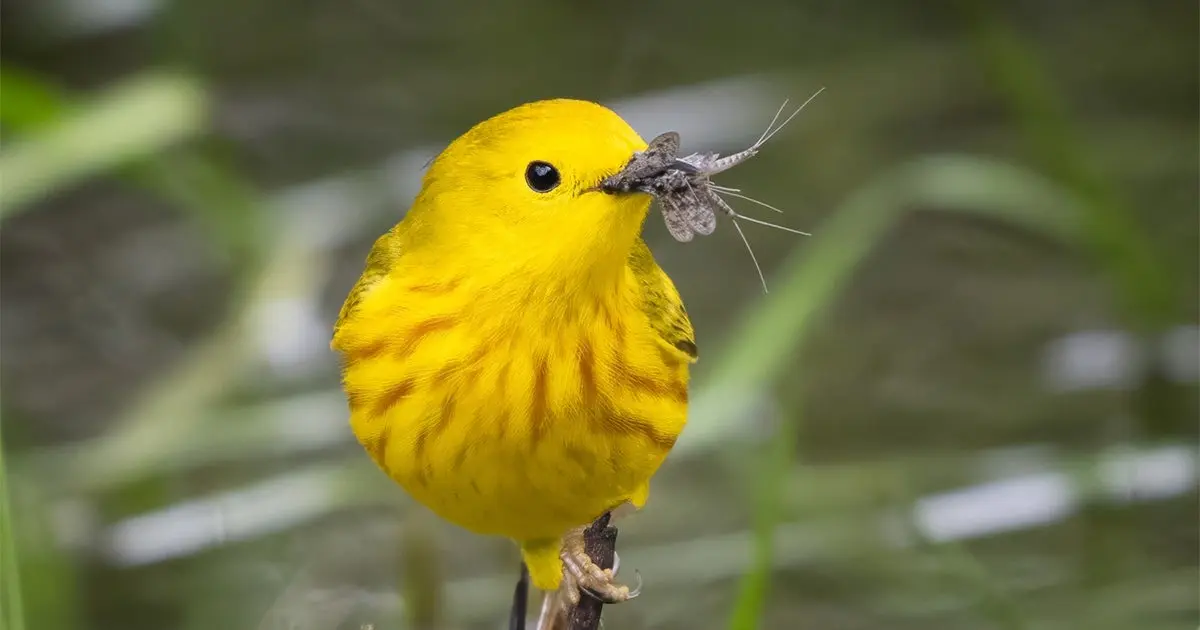
Minute 334 provides the institutional framework and funding necessary to maintain these habitats. It integrates a robust scientific monitoring and adaptive management program, ensuring that water rights held by the Colorado River Delta Water Trust are deployed efficiently to keep these restored forests thriving. The agreement directly safeguards vital breeding, feeding, and resting grounds for hundreds of bird species, including Soras, Audubon’s Warblers, and Vermilion Flycatchers.
Official Statements & Stakeholder Perspectives
The cross-border consensus achieved in Minute 334 has drawn widespread praise from governmental leaders, international water commissioners, and environmental advocates alike.
Bridging Nations Through Shared Stewardship
Representatives from the International Boundary and Water Commission (IBWC), which oversees the implementation of water treaties between the U.S. and Mexico, emphasized that Minute 334 exemplifies the strength of bilateral diplomacy. Officials noted that as hydrological pressures mount, the ability of neighboring nations to sit at the same table and craft transparent, equitable solutions serves as a global model for transboundary water governance.
Environmental leaders have been equally vocal about the agreement’s dual focus on human communities and natural ecosystems.
"Minute 334 extends a vital partnership that shares water shortages while protecting bird habitat and communities across the basin," representatives from the Raise the River coalition noted. "The more water users that share in Colorado River water shortages, the less the burden of those shortages on any one user, sector, or geography."
Agricultural Innovation in the Mexicali Valley
Beyond the riverbanks and bird sanctuaries, Minute 334 acknowledges the indispensable role of the agricultural sector in achieving long-term sustainability. In the Mexicali Valley, Raise the River partners are actively collaborating with more than 70 local farming operations.
These initiatives demonstrate cutting-edge agricultural techniques that drastically reduce water consumption and enhance soil health, all while maintaining—and in some cases improving—the economic viability of farm operations. By proving that water conservation and agricultural productivity are compatible, these pilot projects offer a scalable blueprint for farming communities throughout the entire Colorado River Basin.
Future Outlook: Navigating Post-2026 Guidelines
As the water management community looks toward the horizon, Minute 334 acts as a vital bridge. The two-year span of the agreement is intentionally synchronized with the domestic U.S. timeline for establishing new operational guidelines for the Colorado River post-2026.
The decisions made over the next 24 to 36 months will shape the trajectory of the American Southwest for generations. With reservoir storage projected to remain under intense pressure, water shortages in both the U.S. and Mexico will inevitably remain significant through 2027 and beyond. In this climate-constrained reality, the strategies championed under Minute 334—aggressive water conservation, flexible management frameworks, targeted agricultural efficiency, and dedicated funding for environmental restoration—are no longer optional; they are absolute imperatives.
Organizations like Audubon and the broader Raise the River coalition remain steadfast in their mission to advocate for proactive, science-based policies. By demonstrating that healthy rivers, thriving human economies, and resilient natural habitats can coexist, Minute 334 lights a clear path forward. It proves that even in the driest deserts, cooperation, foresight, and mutual respect can cultivate a sustainable future for both people and nature.