
Executive Overview
The landscape of modern animal advocacy is fundamentally sustained by individuals whose dedication transcends immediate, day-to-day rescue efforts, extending far into the horizon through forward-thinking estate planning. Among these dedicated champions is Cindy, a lifelong cat advocate whose enduring commitment to feline welfare has manifested in nearly a decade of continuous support for Alley Cat Allies. Recently, Cindy’s profound devotion took a monumental step forward: she secured her legacy by formally including the organization in her estate plans, joining the prestigious Alley Cat Allies Legacy Society.
Cindy’s story is far more than a personal account of philanthropy; it serves as a powerful case study in the evolving mechanics of non-profit funding and long-term animal protection. Across the globe, animal welfare organizations face unprecedented challenges, from overpopulation crises in municipal shelters to the complex logistics of Trap-Neuter-Return (TNR) initiatives. Planned giving—bequests, trust distributions, and estate gifts—has emerged as the vital financial bedrock that allows organizations to pivot from reactive crisis management to proactive, systemic reform.
This comprehensive report explores the intersection of personal compassion and institutional legacy. By examining Cindy’s journey as a cat "mom," her hands-on advocacy in TNR, and the broader macroeconomic realities of planned giving in the animal welfare sector, we illuminate how forward-thinking donors ensure that their life’s passions outlive them. Through structured analysis, expert context, and a look toward the future of feline advocacy, this article details the mechanisms that empower everyday citizens to become architects of permanent change for the animals they hold dear.
Detailed Chronology: From Childhood Affection to Lifelong Advocacy
The Formative Years: A Lifelong Bond with Felines
For Cindy, the affinity for animals—and cats in particular—is not a recently acquired interest, but a foundational element of her identity. Growing up, Cindy found herself naturally drawn to the quiet grace, independent spirit, and subtle emotional intelligence of felines. While many children gravitate toward high-energy domestic pets, Cindy recognized a unique kinship in cats. This early childhood connection planted the seeds for what would eventually blossom into an unyielding, lifelong commitment to animal welfare.
Psychologists and developmental researchers often note that early, positive interactions with animals foster profound empathy in children, shaping their worldview regarding stewardship and responsibility. For Cindy, this empathy translated into a deeply ingrained moral obligation. Cats were not merely household companions; they were sentient beings deserving of dignity, protection, and respect. As she transitioned into adulthood, this childhood fondness evolved into a sophisticated understanding of animal rights and welfare logistics.
The Evolution of Guardianship: Being Owned by Felines
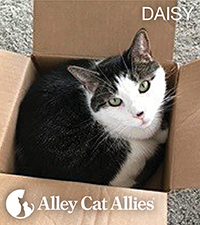
Today, Cindy shares her home with three beloved cats, including a striking feline named Daisy. However, asking Cindy about her relationship with her pets immediately challenges conventional semantic definitions of pet ownership. Rather than viewing herself as an owner, Cindy embraces a dynamic that many dedicated cat lovers will instantly recognize: she firmly believes that her cats "own" her.
This perspective reflects a modern, enlightened approach to human-animal bonds. In Cindy’s household, the cats dictate the emotional temperature of the room, offering daily comic relief through their distinct personalities, eccentric habits, and unwavering affection. Every single day, they remind her who is truly in charge—cementing her role not as a master, but as "their human." This daily immersion in feline companionship reinforces her empathy, grounding her sweeping philanthropic ambitions in the intimate, joyful reality of living alongside animals.
Eight Years of Consistent Partnership with Alley Cat Allies
Cindy’s relationship with Alley Cat Allies represents a steady, dependable pillar of her advocacy work. For eight consecutive years, she has maintained financial support for the organization, a testament to her belief that true advocacy requires consistency. While many donors respond exclusively to urgent, one-off emergency appeals, Cindy’s sustained multi-year partnership highlights a deeper strategic understanding of non-profit operations: lasting institutional impact relies entirely on predictable, recurring revenue streams.
During her eight-year tenure as a donor, Cindy has watched Alley Cat Allies expand its educational reach, legislative advocacy, and grassroots support networks. Her steady financial contributions have helped fuel national campaigns aimed at reforming outdated municipal animal control policies, shifting the paradigm from lethal catch-and-kill practices to progressive, life-affirming alternatives like TNR.
The Turning Point: Embracing Trap-Neuter-Return (TNR)
While financial donations are crucial, Cindy’s advocacy extends directly into the physical trenches of community cat welfare through her embrace of Trap-Neuter-Return (TNR). For Cindy, participating in or supporting TNR is not a detached administrative duty; it is a profound emotional and ethical triumph.
Every single time she helps facilitate the rescue, sterilization, and return of a community cat, Cindy experiences a distinct surge of joy and fulfillment. This joy stems from a dual realization: first, that she has actively preserved an individual animal’s life, sparing it from the hazards of the streets; and second, that she has permanently altered the trajectory of community cat populations by ensuring that particular cat will not contribute to the cycle of overpopulation by producing more kittens.
This hands-on understanding of population dynamics bridged the gap between her local efforts and her national philanthropic goals. Recognizing that grassroots community work must be matched by structural, macro-level protection, Cindy began contemplating how to safeguard her impact far into the future. This line of reasoning led her directly to the next monumental step in her philanthropic journey: joining the Alley Cat Allies Legacy Society.
Supporting Context & Metrics: The Economics of Planned Giving in Animal Welfare
Understanding the Landscape of Community Cat Overpopulation
To fully appreciate the weight of Cindy’s decision to include Alley Cat Allies in her estate plans, one must examine the staggering scale of the challenges facing animal advocacy organizations today. Millions of cats—both domestic and community (feral and stray)—enter the shelter system annually. Historically, municipal responses to community cat populations relied heavily on catch-and-kill methods, a deeply flawed strategy that failed to reduce populations while needlessly taking millions of lives.
Alley Cat Allies revolutionized this paradigm by championing Trap-Neuter-Return (TNR) as the mainstream, humane, and scientifically proven method for managing community cat colonies. TNR stabilizes populations, eliminates nuisance behaviors associated with unspayed cats (such as howling and spraying), and dramatically improves the overall health and quality of life for the animals. However, scaling TNR operations across thousands of municipalities requires sustained, long-term funding, robust public education, and persistent legal advocacy against regressive local ordinances.
The Critical Role of Bequests and Planned Giving
Non-profit organizations operate in a complex economic ecosystem where annual fundraising campaigns cover immediate operational expenses, disaster response, and ongoing program delivery. Yet, building reserves capable of weathering economic downturns, funding large-scale legal battles, and launching nationwide educational initiatives requires a different financial vehicle entirely: planned giving.
Planned gifts, including charitable bequests in wills, trusts, and life insurance designations, represent the ultimate expression of a donor’s lifelong values. According to philanthropic sector metrics:
- Generational Wealth Transfer: Over the next two decades, trillions of dollars will be transferred between generations, making planned giving a pivotal battleground for non-profit sustainability.
- Transformational Impact: While average annual donations allow organizations to maintain baseline operations, planned gifts often serve as transformational capital. These larger sums endow research, establish permanent legal defense funds for animals, and build resilient infrastructure that can adapt to future crises.
- Donor Longevity: Programs like the Alley Cat Allies Legacy Society honor individuals who refuse to let their advocacy stop at the end of their natural lives. By embedding their values into their estate plans, donors ensure their compassionate footprint remains indelible.
Synergizing Grassroots Action with National Policy
The brilliance of organizations like Alley Cat Allies lies in their dual-pronged approach: empowering grassroots advocates on the ground while simultaneously lobbying at state and federal levels for systemic policy reform.
When a donor like Cindy supports an organization with national reach, her localized passion is exponentially amplified. A dollar donated or a legacy promised does not merely buy a bag of cat food; it funds legal experts who challenge cruel municipal laws, produces comprehensive veterinary guides for community cat caregivers, and floods legislative offices with research proving that humane policies are more effective and cost-efficient than lethal control.
Official Statements and Personal Reflections
In Her Own Words: Cindy on Legacy and Impact
The true motivation behind Cindy’s planned gift is best understood through her own articulate reflections on mortality, legacy, and institutional trust. When asked why she chose to formalize her commitment through her estate plans, Cindy shared a perspective rooted in profound altruism:
"Like anyone who cares deeply about animals, I’d like to think I’m continuing to help after I’m gone. In addition, I believe strongly in the work that your organization does. It goes far beyond just rescuing homeless cats and kittens. I believe Alley Cat Allies really makes a difference."
This statement encapsulates the core psychological driver of planned giving: the desire for continuity of purpose. For Cindy, caring for animals was never a temporary hobby or a fleeting emotional impulse; it was a core component of her moral framework. By embedding Alley Cat Allies into her estate plans, she ensures that her earthly departure does not sever her connection to the cause she cherishes. Her values will continue to advocate for the vulnerable, defend the voiceless, and protect felines long after she is gone.
Furthermore, Cindy’s endorsement highlights a critical milestone for any non-profit: institutional trust. Donors do not commit their estate assets to organizations casually. They require absolute confidence that their hard-earned resources will be stewarded responsibly, ethically, and effectively. Cindy’s eight-year history of giving provided her with an intimate view of Alley Cat Allies’ operations, granting her the certainty that her ultimate gift would be deployed where it matters most.
The Institutional Perspective: Honoring Legacy Donors
Organizations dependent on public support view Legacy Society members as the bedrock of their mission’s future. Alley Cat Allies routinely emphasizes that every planned gift, regardless of its size, represents an intensely personal act of faith.
Leadership within animal advocacy organizations notes that planned gifts provide a psychological and financial safety net. Knowing that a committed cadre of supporters has anchored the organization’s future in their wills allows executive leadership to take bold, long-term strategic risks. Whether launching a multi-state legislative campaign to ban cruel declawing practices or establishing emergency response networks during natural disasters, legacy gifts empower animal protection agencies to dream bigger and act more decisively.
Future Outlook: The Horizon of Feline Advocacy and Planned Giving
Anticipating the Challenges of Tomorrow
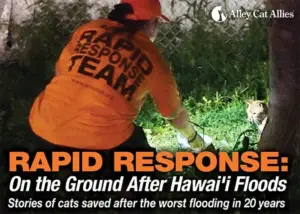
As we look toward the future of animal advocacy, the landscape is rapidly evolving. Climate change, economic shifts, and housing crises present unique hurdles for pet owners and community cat caregivers alike. Natural disasters displace thousands of animals annually, requiring rapid, well-funded emergency rescue operations. Simultaneously, urban sprawl increasingly encroaches upon wildlife and community cat habitats, necessitating sophisticated, humane population management strategies.
In this rapidly changing world, traditional funding models alone will not suffice. The organizations that thrive—and continue to secure victories for animals—will be those that successfully cultivate robust planned-giving programs today. The foresight demonstrated by donors like Cindy ensures that advocacy organizations will possess the financial resilience needed to navigate whatever crises emerge on the horizon.
Expanding the Legacy Culture in Animal Welfare
A major frontier for organizations like Alley Cat Allies is normalizing the conversation around estate planning. Historically, discussing wills, bequests, and end-of-life planning has been viewed as taboo or morbid. However, progressive non-profits are reframing planned giving not as a conversation about death, but as an empowering celebration of life, values, and enduring impact.
By sharing stories like Cindy’s, animal welfare organizations demystify the estate planning process. They demonstrate that leaving a legacy is accessible to everyday people—not just multi-millionaires. Whether a donor wishes to leave a percentage of their estate, a specific financial sum, or a real estate holding, modern planned-giving programs offer flexible options tailored to individual financial circumstances.
How You Can Become a Catalyst for Change
Cindy’s journey—from a childhood cat lover to a dedicated eight-year donor and Legacy Society member—serves as an invitation and a challenge to animal advocates everywhere. Protecting cats and securing a humane future for all felines is a collective enterprise that requires the dedication of a community.
For individuals inspired by Cindy’s story, the path to making a lasting impact is clear and accessible:
- Make a Direct Impact Today: Supporters can immediately contribute to ongoing rescue, education, and advocacy efforts by visiting alleycat.org/Donate.
- Secure Feline Futures Through Planned Giving: To explore how a bequest, trust, or other planned gift can be structured to make the greatest lifesaving impact for cats, visit alleycat.org/PlannedGiving, scan the provided organizational QR codes, or speak directly with planned giving specialists by calling 866-309-6207 (CFC#10964, EIN #52-1742079).
Conclusion: A Legacy Carved in Compassion
Cindy’s story is a shining example of how deep personal affection can translate into systemic, enduring change. By recognizing that her cats "own" her, she opened her heart to a lifetime of joy, laughter, and advocacy. By championing Trap-Neuter-Return, she took practical, effective action to save lives on the ground. And by joining the Alley Cat Allies Legacy Society, she ensured that her compassion will echo far into the future, protecting generations of felines yet unborn.
As animal advocacy navigates the complexities of the 21st century, the legacy of donors like Cindy stands as a beacon of hope. It reminds us that while our individual lives are finite, the love we hold for animals—and the concrete actions we take to protect them—can truly last forever.