
Published: August 11, 2026
Originally featured in the Alley Cat Action® 2026 Summer Newsletter. Read the full newsletter edition here.
Executive Overview
When an unprecedented weather system unleashed Hawaiʻi’s most catastrophic flooding in twenty years, communities across the island of Oahu were thrust into sudden crisis. While emergency services and human relief organizations scrambled to secure infrastructure and rescue displaced residents, a critical and often overlooked population faced immediate peril: Oahu’s vulnerable cat populations, including both beloved pets and outdoor community cats.
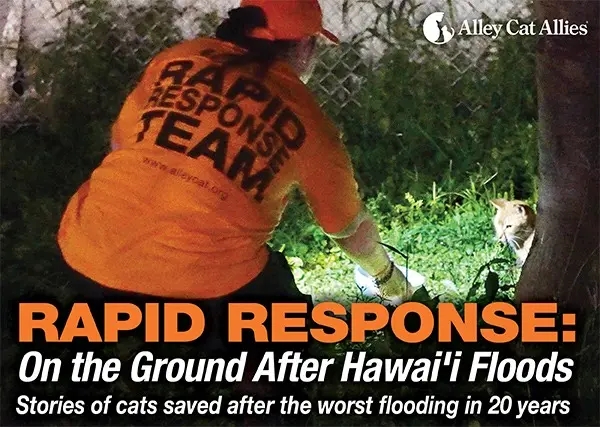
Amid the swirling, debris-laden waters and sweeping destruction, the Alley Cat Allies Rapid Response Team mobilized instantly, deploying personnel directly into the island’s hardest-hit regions. Operating around the clock, the team established emergency distribution networks on Oahu’s battered North Shore, delivering vital food and clean water to stranded animals and their anxious caregivers.
Beyond immediate disaster relief, Alley Cat Allies bridged a critical gap in emergency infrastructure by fully funding lifesaving veterinary interventions for cats rescued from active flood zones. Through rapid-deployment funding and close coordination with local veterinary professionals, the organization ensured that financial distress did not stand in the way of comprehensive medical care. This report details the scope of the operation, profiles individual survivors like Lieutenant Dan and Pumpkin, examines the broader mechanics of feline disaster response, and outlines forward-looking strategies to bolster community resilience against future climate catastrophes.
Detailed Chronology: Boots on the Ground in Oahu’s North Shore
The crisis began unfolding when torrential downpours saturated Oahu’s terrain, overwhelming drainage systems and causing rapid, devastating overflows. The North Shore—renowned for its picturesque coastlines—transformed overnight into a hazardous landscape of surging waters, displaced mud, and structural debris.
Phase I: Emergency Infiltration and Sustenance Delivery
Within hours of the floodwaters peaking, the Alley Cat Allies Rapid Response Team touched down on the island and immediately integrated into the disaster zones. Navigating compromised roads and hazardous conditions, responders deployed mobile feeding stations and distributed clean drinking water. For many community cat caregivers who had been evacuated or cut off from their homes, the arrival of the Rapid Response Team brought crucial relief. These caregivers knew where local colonies congregated, and together with Alley Cat Allies, they navigated treacherous terrain to ensure that no reachable animal was left without basic nourishment.
Phase II: Triage and Evacuation from Submerged Zones
As the water levels began to recede, the true scale of the ecological and domestic crisis emerged. Abandoned properties, washed-out yards, and debris-choked alleys became traps for disoriented animals. The Rapid Response Team shifted tactics from general sustenance distribution to targeted search, rescue, and medical triage.
Operating in coordination with local volunteers, rescuers combed through heavily impacted residential pockets. Animals discovered in these zones were frequently suffering from exhaustion, hypothermia, shock, and traumatic injuries caused by flying debris or submerged hazards. Recognizing that local veterinary clinics would be overwhelmed with trauma cases, Alley Cat Allies made an immediate operational commitment: the organization assumed full financial responsibility for all emergency veterinary care required by flood-displaced cats.
Profiles in Resilience: The Survivors
Statistics and logistical overviews capture the scale of a disaster, but the true impact of rapid response operations is best understood through the stories of individual survivors. Two feline residents of Oahu—Lieutenant Dan and Pumpkin—stand as powerful testaments to the triumph of community compassion and swift humanitarian intervention.
Lieutenant Dan: A Neighborhood Icon Bounces Back
+-------------------------------------------------------------+
|                     PATIENT DOSSIER                         |
|-------------------------------------------------------------|
| Name: Lieutenant Dan          | Age: 7 Years Old            |
| Status: Survivor / Reunited   | Breed: Tuxedo               |
| Injury: Tail Laceration       | Outcome: Returned Home      |
+-------------------------------------------------------------+
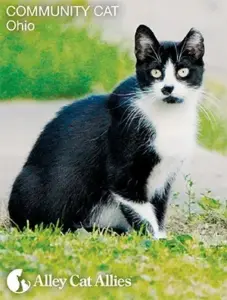
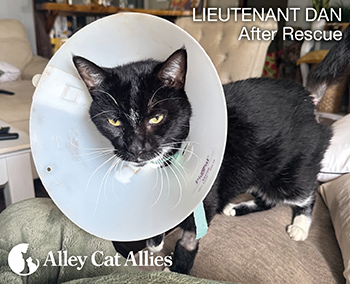
Seven-year-old Lieutenant Dan is not just an ordinary cat; he is a local fixture, a beloved, well-known personality in his Oahu neighborhood. When the historic floods swept through his territory, Lieutenant Dan fought valiantly to survive, navigating the dangerous, churning waters. While he managed to escape drowning, he did not emerge unscathed.
In the chaotic aftermath, a concerned neighbor spotted the tuxedo cat and noticed a severe, jagged laceration wound wrapping around his tail—an injury highly susceptible to aggressive bacterial infection given the contaminated floodwaters. Without hesitation, the resident gathered Lieutenant Dan and rushed him to a local veterinary clinic.
At the clinic, medical staff immediately set to work cleaning, disinfecting, and stitching the wound. However, as the medical bills mounted, the caregiver faced daunting financial uncertainty. Alley Cat Allies stepped in instantly, covering 100% of the treatment costs.
The recovery process was swift. Once Lieutenant Dan was thoroughly treated, rendered pain-free, and cleared by veterinarians, a heartwarming scene awaited: his entire neighborhood had mobilized, eagerly waiting to welcome their furry ambassador back home. Lieutenant Dan’s return symbolized not just personal survival, but the enduring bond between a community and its outdoor cats.
Pumpkin: Finding Safety After the Deluge
+-------------------------------------------------------------+
|                     PATIENT DOSSIER                         |
|-------------------------------------------------------------|
| Name: Pumpkin                 | Status: Fostered / Adoptable|
| Discovery: Flooded Zone       | Breed: Orange Tabby         |
| Injury: Ear Trauma / Shock    | Outcome: Healing & Rehoming |
+-------------------------------------------------------------+
Even as the initial crisis management phase began to wind down, emergencies continued to present themselves at the clinic door. As Alley Cat Allies personnel prepared to depart the veterinary facility following a check-in on Lieutenant Dan, an Oahu resident rushed through the doors carrying an anxious, frightened animal.
Out from the carrier peered an orange tabby cat named Pumpkin. The trauma of her ordeal was immediately visible: a painful, open wound disfigured her ear, and her posture reflected acute physical and psychological distress.
Pumpkin had been discovered marooned in a severely flooded zone. Rescuers had attempted to comfort her by setting down a fresh bowl of food, but Pumpkin had refused to eat a single bite. In disaster scenarios, extreme stress, disorientation, and acute pain routinely suppress a cat’s appetite, putting them at grave risk of hepatic lipidosis (fatty liver disease) and rapid systemic decline.
Recognizing the urgency of her condition, the veterinary care team—backed by Alley Cat Allies’ ongoing financial and logistical support—immediately admitted Pumpkin. She received targeted wound care, pain management, and nutritional support. Because Pumpkin lacked a pre-existing community or a safe outdoor home to return to, Alley Cat Allies arranged specialized foster care to nurture her through her long physical and emotional recovery, setting her on a clear path toward a safe, permanent forever home.
Supporting Context & Metrics: The Mechanics of Feline Disaster Response
Disaster response in the animal welfare sector requires a delicate balance of rapid mobility, financial agility, and deep community partnership. When natural disasters strike—whether hurricanes in the American South, wildfires on the West Coast, or historic floods in the Hawaiian Islands—community cats and outdoor animals face disproportionate risks.
The Vulnerability of Community Cats in Natural Disasters
Unlike indoor pets who are typically evacuated alongside their human families, outdoor and community cats rely heavily on established territories, familiar hiding spots, and localized feeding networks. When a sudden disaster like the Oahu flood occurs:
- Territorial Disruption: Rising waters obliterate familiar landmarks, disorienting cats and driving them into unfamiliar, hazardous terrain.
- Pathogen Exposure: Floodwaters act as vectors for agricultural runoff, chemical pollutants, raw sewage, and waterborne bacteria, turning minor scratches into life-threatening infections (such as the tail laceration suffered by Lieutenant Dan).
- Food Insecurity: Local feeding stations are frequently washed away, leaving survivors weak, malnourished, and highly vulnerable to shock.
Financial and Logistical Frameworks
The success of Alley Cat Allies’ Rapid Response Team in Oahu underscores the importance of pre-allocated disaster relief capital. In emergency veterinary scenarios, every hour of delay increases mortality rates. By absorbing all medical costs directly, Alley Cat Allies eliminates the economic friction that often paralyzes local shelters and individual caregivers during crises. This seamless financial integration allows veterinary professionals to focus entirely on medical triage without worrying about billing logistics or resource scarcity.
Official Statements and Institutional Insights
The operation in Oahu highlights a broader philosophical shift in modern disaster management: animal welfare is an indispensable component of human community resilience.
“When disaster strikes a community, the human-animal bond doesn’t sever; it intensifies,” noted an emergency response coordinator familiar with the Oahu deployment. “People on the North Shore were grappling with ruined homes and devastated livelihoods, yet their immediate concern remained the safety of the cats who brighten their daily lives. By stepping in to provide food, water, and fully funded medical care, we aren’t just saving cats—we are providing profound emotional relief to human survivors who are already under unimaginable stress.”
Veterinary partners on the ground echoed this sentiment, emphasizing that the partnership with national advocacy organizations changes the calculus of emergency medicine during mass-casualty and disaster events. Access to rapid emergency grants allows clinics to maintain open-door policies for stray and community animals, ensuring that no creature is turned away due to an owner’s or caregiver’s financial inability to pay.
Future Outlook: The Paramount Importance of Disaster Preparation
While rapid response teams are vital for mitigating damage after catastrophe strikes, Alley Cat Allies stresses that the single most effective tool in animal disaster management is proactive preparation. Disasters are unpredictable, but community readiness can drastically reduce injury and loss of life.
Key Disaster Preparedness Strategies for Cat Caregivers
In the wake of the Oahu floods, Alley Cat Allies is doubling down on its public education initiatives, urging caregivers and communities to incorporate cats into all family and municipal emergency plans. Essential preparedness measures include:
- Identification and Microchipping: Ensuring outdoor and community cats are microchipped or visibly ear-tipped helps shelters and rescue workers identify them quickly if they are displaced during an evacuation.
- Emergency Go-Bags: Maintaining a portable kit containing at least a two-week supply of non-perishable food, bottled water, portable bowls, medical records, and a sturdy carrier.
- Safe Shelter Identification: Knowing ahead of time which local emergency shelters or rescue networks accept animals, or establishing predetermined safe zones outside of floodplains.
- Securing Outdoor Enclosures: Reinforcing outdoor feeding stations and shelters to withstand high winds, rising waters, and heavy debris impact.
For comprehensive, step-by-step guidance on how to protect feline companions before, during, and after a crisis, caregivers and community leaders are encouraged to visit alleycat.org/Disaster.
Conclusion
The historic floods on Oahu tested the resilience of both its human and animal residents, leaving a trail of destruction that will take months to fully repair. Yet, amidst the wreckage, stories of survival like those of Lieutenant Dan and Pumpkin shine brightly. Through the unwavering dedication of local caregivers, the expertise of regional veterinary teams, and the swift, decisive intervention of the Alley Cat Allies Rapid Response Team, countless lives were saved. As communities continue to rebuild, the lessons learned in Oahu serve as a powerful reminder: preparation saves lives, and compassion knows no bounds.