
Executive Overview
For centuries, canine training has been fundamentally rooted in a singular, straightforward objective: absolute obedience. The lexicon of the domestic dog is built on commands like "sit," "stay," and "come." For the average pet or even many working dogs, compliance is the ultimate metric of success. However, an elite echelon of service animals operates under an entirely different paradigm. Guide dogs for the blind and visually impaired are taught a counterintuitive, highly sophisticated skill known as intelligent disobedience.
In high-stakes environments, a guide dog’s primary directive is not to blindly follow human instruction, but to actively assess environmental hazards, make independent executive decisions, and prioritize physical safety above all else. This phenomenon transforms the traditional dynamic of pet ownership into a sophisticated, collaborative partnership built on mutual trust, situational awareness, and split-second problem-solving.
This in-depth feature explores the mechanics of intelligent disobedience, tracing its implementation from early puppy socialization to rigorous mobility training, examining the psychological underpinnings of human-canine trust, and highlighting how this remarkable capability ultimately fosters profound personal independence for handlers navigating an unpredictable world.
Detailed Chronology: The Lifecycle of a Safety-First Service Animal
The development of a guide dog capable of intelligent disobedience is not an overnight achievement; it is the culmination of a meticulously structured, multi-year developmental pipeline.
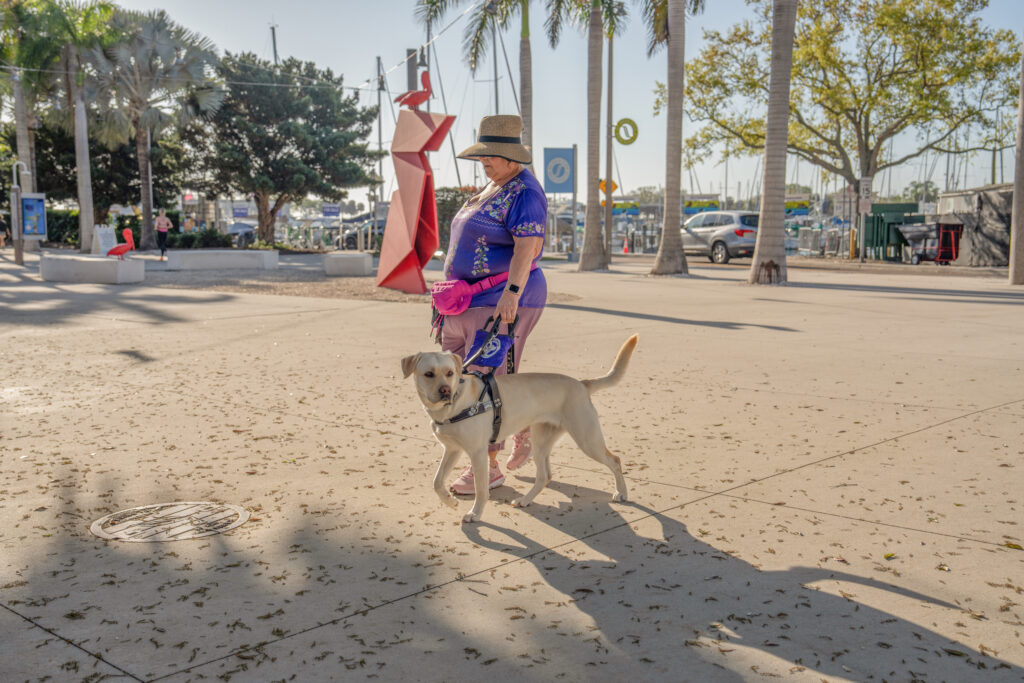
Phase 1: Foundations and Early Socialization (Birth to 18 Months)
The journey begins at birth. Future guide dogs are bred for specific temperament traits: intelligence, calm composure under pressure, low reactivity, and an innate desire to please.
- Weeks 1–12: Puppies are introduced to gentle handling, novel textures, and baseline social interactions.
- Months 2–18: The dogs are placed with volunteer puppy raisers. During this critical window, they are exposed to bustling urban centers, public transportation, elevators, diverse crowds, and varying weather conditions. The goal is desensitization—ensuring the dog remains unfazed by loud noises, sudden movements, and chaotic environments.
Phase 2: Advanced Mobility Training (Months 18 to 24)
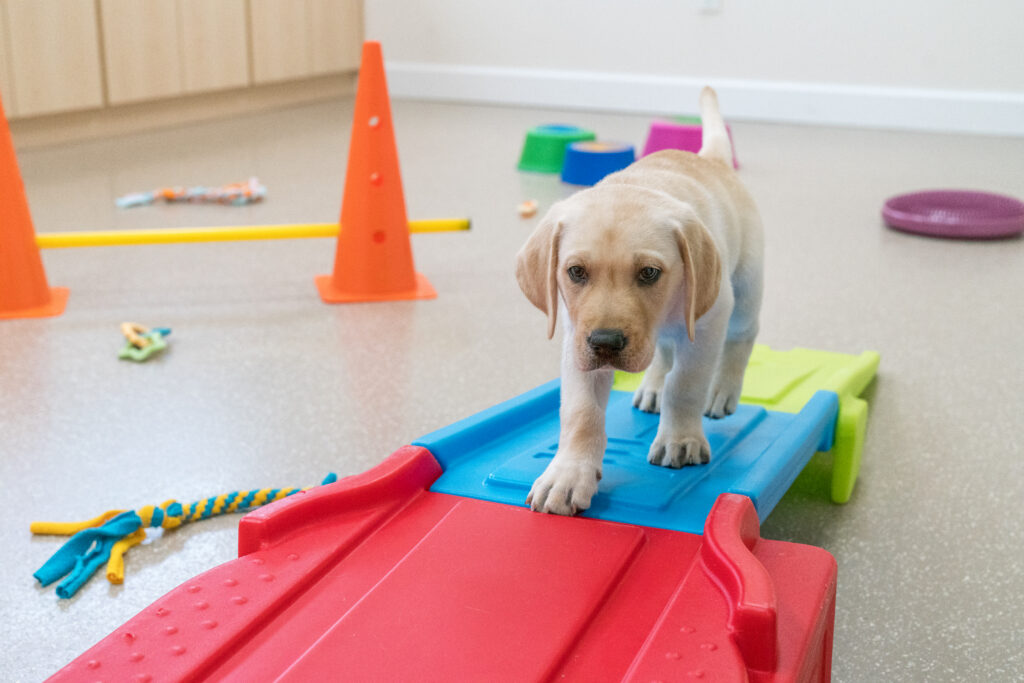
Once the foundational socialization is complete, the dogs transition to professional training facilities (such as organizations like Dogs Inc.) for a rigorous advanced curriculum lasting a minimum of five months. Under the guidance of certified Mobility Instructors, the dogs move beyond basic obedience and are systematically taught obstacle avoidance, street navigation, and the principles of independent hazard assessment.
- Introduction to Judgment Drills: Trainers deliberately place dogs in controlled scenarios where obeying a directive (such as a "forward" command) would lead into a simulated obstacle or hazard.
- Positive Reinforcement Loops: When the dog hesitates, stops, or actively steers away from the hazard, instructors heavily reward the behavior. Over time, the dog learns that defying a command in the interest of safety yields the highest possible reward.
Phase 3: Team Matching and the "Juno Walk" (Post-Training)
A well-trained dog is only as effective as its partnership with its handler. The matching process is a meticulous undertaking that evaluates the handler’s lifestyle, everyday environment, walking pace, and specific navigation needs.
- To ensure long-term success, organizations utilize tools like the Juno Walk—an assessment method where handlers and prospective dogs walk together to evaluate physical and pacing compatibility.
- Once matched, the pair undergoes intensive on-site training together, learning to synchronize their movements and establish a fluid communication loop.
Supporting Context & Metrics: The Mechanics of Independent Decision-Making
To fully appreciate intelligent disobedience, one must understand the sensory landscape of a visually impaired individual. While handlers gather invaluable spatial data through auditory cues (such as the echo of footsteps or the hum of distant traffic) and tactile feedback through their white canes, certain hazards remain persistently undetectable. These include silent electric vehicles, low-hanging tree branches, sudden construction barriers, uneven paving stones, and distracted cyclists darting onto sidewalks.
The Anatomy of a Decisional Conflict
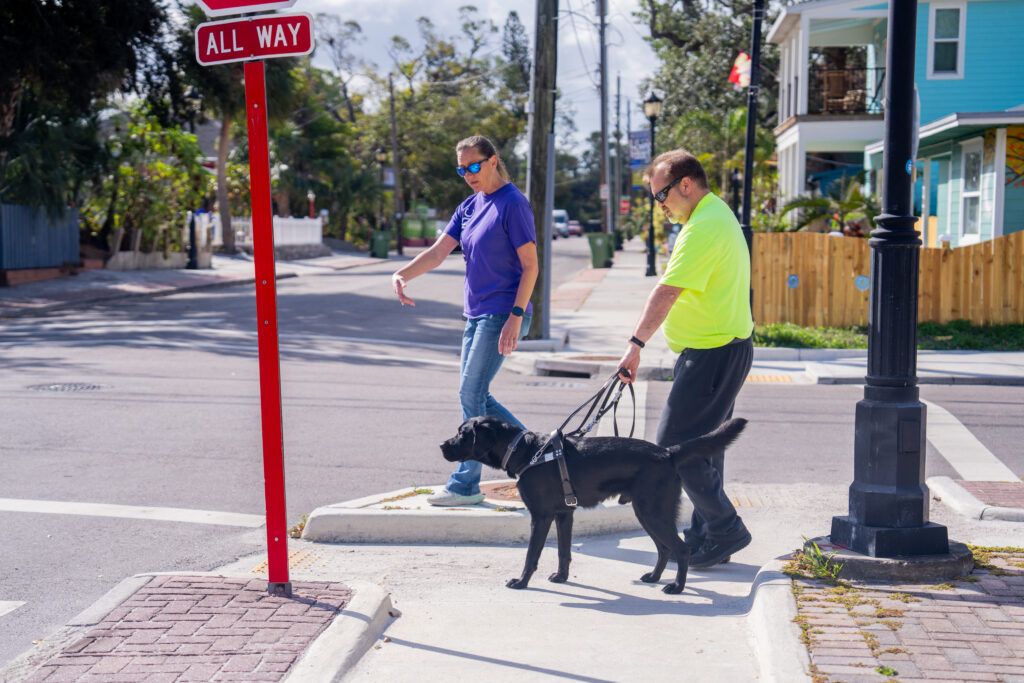
Consider a classic scenario: a handler issues a "forward" command to cross an intersection. To the human ear, the acoustic environment may sound clear. However, the guide dog, scanning the peripheral environment, spots an accelerating vehicle turning ungracefully around the corner.
Instead of stepping off the curb, the dog digs its paws in, anchors its body weight, or physically shifts its position to block the handler’s forward momentum.
- Visual Perception: The dog registers the moving threat.
- Risk Assessment: The dog calculates that forward movement equals imminent collision.
- Action Inhibition: The dog suppresses its ingrained desire to immediately comply with the vocal command.
- Alternative Routing: The dog either holds its ground or guides the handler a few feet to the left or right to establish a safer vector.
This process requires a cognitive load that far exceeds traditional pet training. While pet dogs learn to respond automatically to stimuli, guide dogs must continuously evaluate, filter, and override their programming when real-world variables demand it.
Official Perspectives and Professional Evaluation
Training an animal to occasionally ignore its master requires immense psychological finesse. Guide Dog Mobility Instructors play a pivotal role in vetting whether a canine candidate possesses the psychological fortitude required for this level of independent agency.
According to senior mobility instructors, not every dog is psychologically suited for intelligent disobedience. Some dogs are naturally too compliant, experiencing undue anxiety or stress when asked to make autonomous decisions that contradict a handler’s command. Conversely, overly independent dogs may attempt to dictate every movement, undermining the cooperative nature of the partnership.
Key Evaluation Metrics Used by Instructors:
- Composure Under Pressure: How quickly does the dog recover and assess a situation after encountering a startling or high-stress stimulus?
- Consistency of Judgment: Does the dog reliably prioritize safety over compliance across varied, unpredictable environments?
- Recovery and Re-engagement: After executing an act of intelligent disobedience (e.g., stopping at a curb), does the dog remain cooperative and ready to receive subsequent instructions once the hazard has passed?
- Stress Mitigation: Monitoring physiological signs of stress (panting, whining, freezing) to ensure the dog feels confident in its decision-making role.
The Role of Trust: The Human-Canine Partnership
Intelligent disobedience is fundamentally an exercise in radical trust. It requires a delicate division of labor:
- The Handler provides strategic navigation—determining where the team needs to go, establishing the destination, and setting the overarching route.
- The Guide Dog provides tactical navigation—determining how to get there safely, managing immediate obstacles, and executing hazard avoidance.
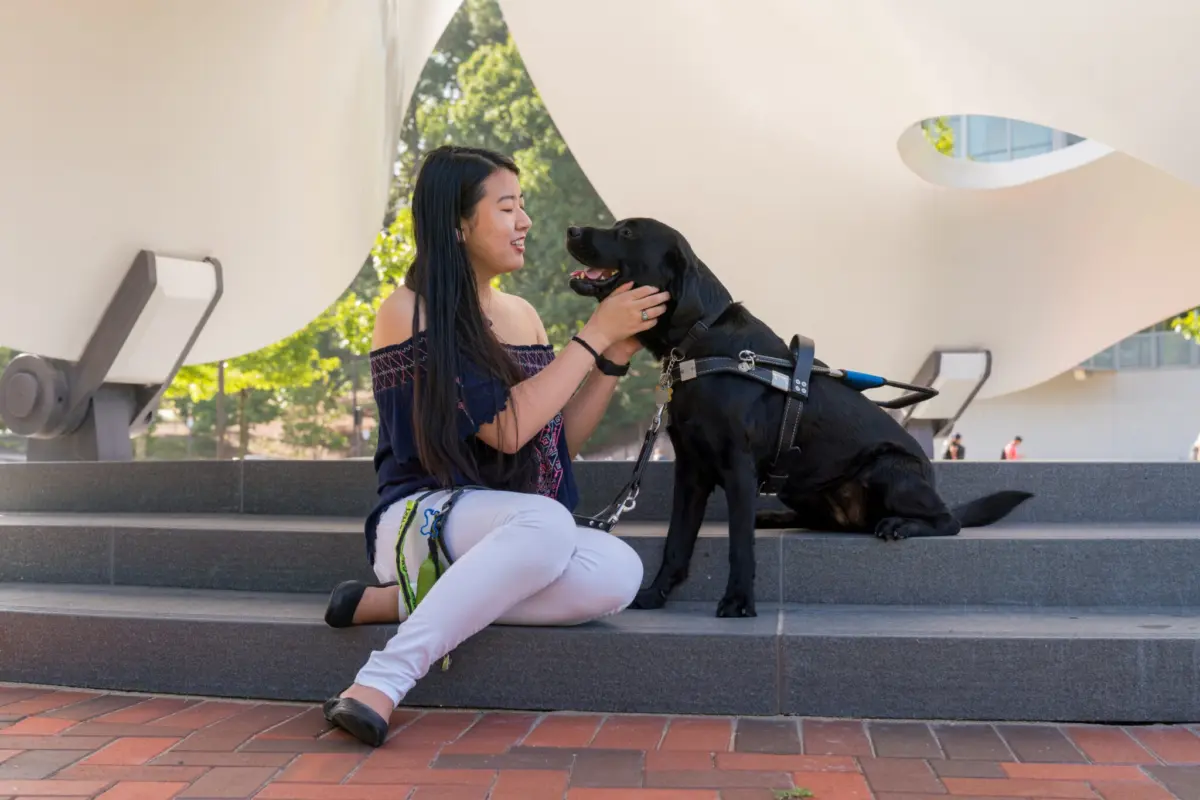
For this system to function seamlessly, the human must cultivate deep trust in the animal’s judgment. When a guide dog abruptly stops or refuses to advance, the handler cannot see the immediate obstacle; they must rely entirely on the dog’s assessment.
Through months and years of shared travel, this dynamic matures. Handlers learn to interpret the subtle bodily shifts, harness tensions, and behavioral pauses of their canine partners. This evolving dialogue transforms the dog from a mere mobility tool into an empathetic, intelligent teammate.
Future Outlook: Empowering Independence Through Canine Cognition
As urban environments grow increasingly complex—choked with electric scooters, silent hybrid vehicles, sidewalk dining patios, and distracted pedestrians staring at smartphones—the demand for advanced guide dog mobility has never been more critical.
Organizations at the forefront of service animal breeding and training continue to refine their genetic selection and cognitive evaluation protocols. By better understanding the neurological and behavioral markers of canine decision-making, trainers can produce healthier, more resilient service dogs capable of meeting the dynamic challenges of modern infrastructure.
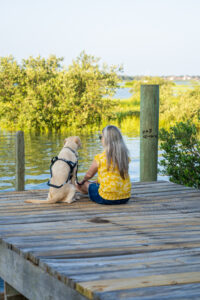
Ultimately, intelligent disobedience is about much more than avoiding accidents—it is about freedom. By granting guide dogs the autonomy to say "no," we empower visually impaired individuals to say "yes" to a more active, confident, and unbounded life. The synthesis of human intent and canine judgment creates a living bridge between safety and independence, proving that sometimes, the most profound obedience is found in the courage to disobey.
To learn more about how guide dogs are trained, support future service animal teams, or explore volunteer puppy-raising opportunities, visit accredited organizations such as Dogs Inc. and discover how you can contribute to the next generation of life-changing partnerships.