
Executive Overview
When the general public pictures a working service dog, the imagination naturally gravitates toward the cinematic and the extraordinary: a canine companion detecting a microscopic fluctuation in blood glucose before modern technology can register it; a steadfast guide dog safely maneuvering a visually impaired handler through a chaotic, congested metropolitan intersection; or a military veteran’s medical alert dog successfully interrupting a severe post-traumatic stress episode before it manifests into a full-scale panic attack.
These sophisticated, highly specialized tasks are undeniably vital. However, beneath every single one of these life-altering feats lies a behavioral baseline that is far less flashy, yet infinitely more critical: absolute calmness.
Without emotional stability and deep-seated calmness, even the most intelligent and technically proficient service dog will struggle to execute its duties safely, consistently, and effectively in the unpredictable theater of the real world. While advanced task acquisition and rigorous obedience training form the structural framework of a service animal’s education, it is the underlying trait of calm behavior that bridges the gap between raw potential and reliable, everyday execution.
A calm dog possesses the cognitive bandwidth to think critically in hyper-stimulating spaces, effortlessly filter out environmental distractions, and remain steadfastly attuned to the handler who depends on them. In essence, calmness is not merely a desirable attribute; it is the fundamental catalyst that makes every other advanced skill possible.
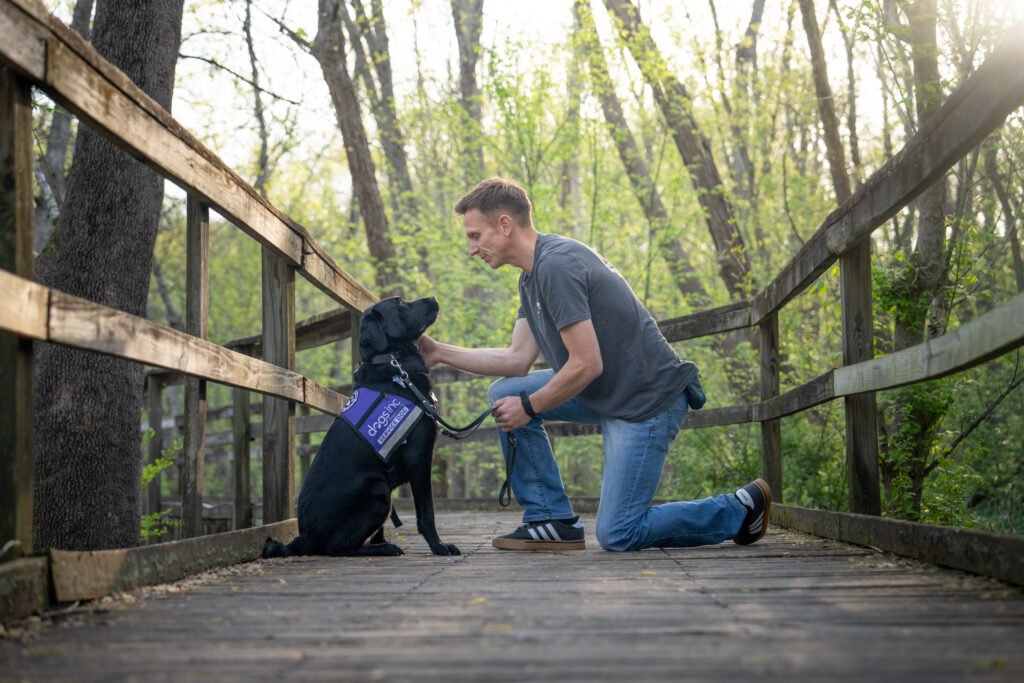
Detailed Chronology: From Puppyhood to Public Access
The development of a calm, emotionally regulated service dog is not a sudden epiphany or a quick fix; it is a meticulously planned, chronological journey that spans months—and often years—of deliberate shaping, structured exposure, and continuous reinforcement.
Phase 1: Foundations in Puppyhood (0 to 6 Months)
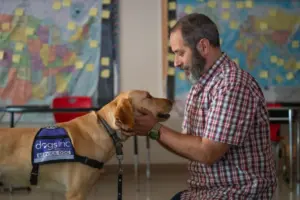
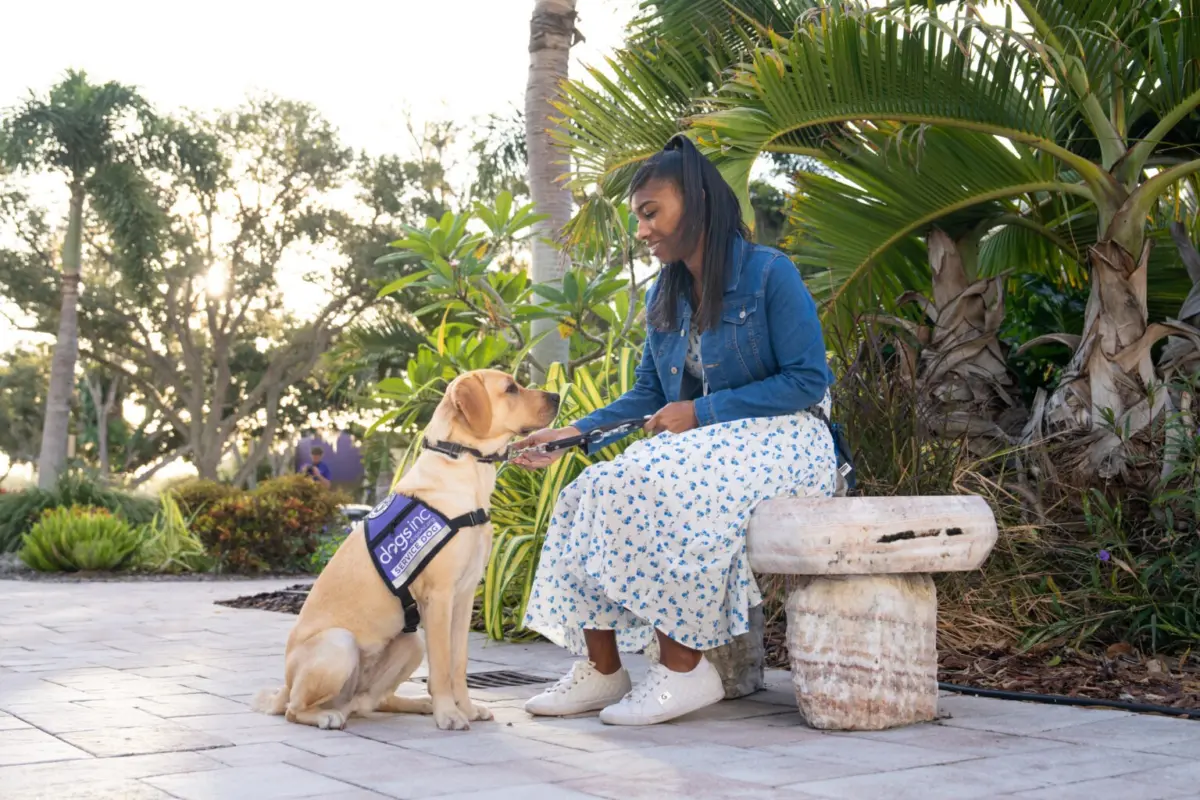
The roadmap to a serene working dog begins long before formal task training ever commences. Professional organizations, such as Dogs Inc, understand that emotional resilience is cultivated from the earliest stages of life.
- Early Neurological Stimulation: Puppies are introduced to novel textures, sounds, and gentle handling exercises to develop robust central nervous systems capable of processing stress without triggering panic responses.
- Structuring Routine: Puppy raisers establish predictable daily frameworks that teach young dogs how to self-soothe and transition smoothly between high-energy play and quiet rest.
- "Four on the Floor": Basic household manners—such as discouraging jumping and rewarding quiet behavior—lay the groundwork for impulse control long before the dog ever sets foot in a grocery store or airport.
Phase 2: Controlled Desensitization and Socialization (6 to 12 Months)
As the dog matures into adolescence, training shifts toward systematic exposure. This period is critical for cementing neutrality.
- Gradual Environmental Introduction: Instructors introduce adolescents to varied stimuli—such as moving shopping carts, sirens, and crowded sidewalks—at a distance that prevents sensory overload.
- Positive Association: Using clicker training and high-value reinforcement, trainers ensure that the dog views unfamiliar environments and unexpected noises not as threats, but as neutral backdrops where good behavior yields rewards.
Phase 3: Advanced Public Access and Distraction Proofing (12 to 24 Months)
The final stretch of professional preparation tests the dog’s emotional stamina under real-world pressure.

- High-Stakes Environments: Dogs are integrated into complex settings, including bustling restaurants, transit hubs, and medical facilities.
- Distraction Resilience: Training scenarios specifically incorporate dropped food, curious strangers, and passing animals. The goal is to condition the dog to acknowledge these occurrences without breaking focus or displaying emotional reactivity.
Supporting Context & Metrics: Defining "Calm" in the Working Dog World
To fully appreciate the weight of calmness in assistance work, one must first dismantle common misconceptions. In the vernacular of professional canine behavior, "calm" does not equate to a dull, shut-down, or personality-devoid automaton. Many elite service dogs are fiercely playful, deeply affectionate, and brimming with zest when off-duty. The distinction lies in their capacity for contextual regulation.
The Psychology of Emotional Regulation
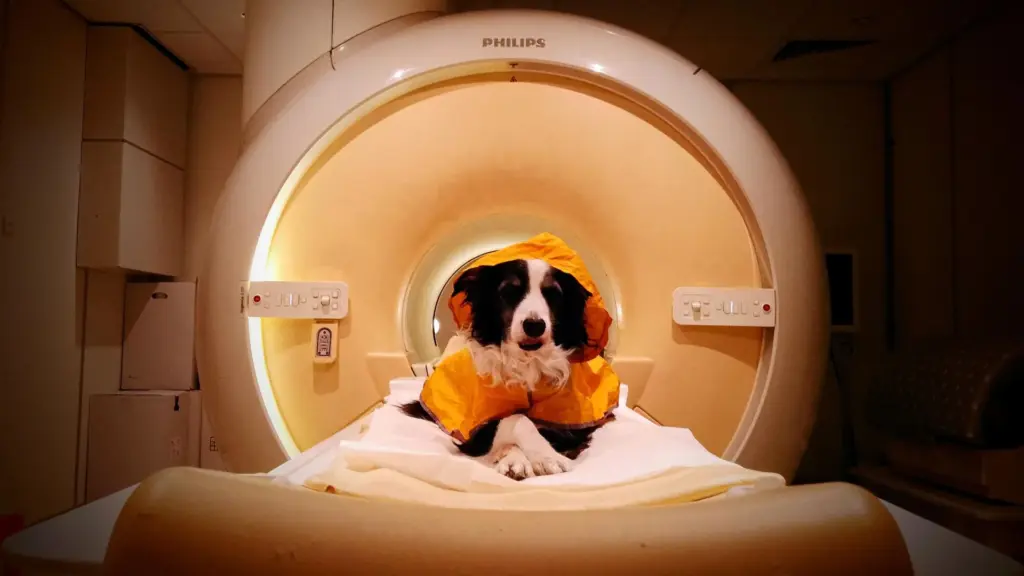
When a dog becomes overstimulated by sensory input, stress hormones—primarily cortisol and adrenaline—flood their system. Neurobiological research demonstrates that excessive arousal severely impairs the prefrontal cortex, which governs problem-solving, impulse control, and working memory.
- Cognitive Function Under Stress: A stressed dog cannot easily process complex cues or execute intricate physical tasks.
- The Threshold Concept: A calm dog operates well below its reactivity threshold, allowing it to pause, assess an unexpected environmental shift, and choose an appropriate response rather than reacting out of instinct or fear.
Distinguishing Service Dogs from Emotional Support Animals (ESAs)
It is crucial to contextualize these rigorous standards within the broader landscape of working and support animals. While Emotional Support Animals provide comfort simply through their presence and do not require specialized public access training, fully trained service dogs are subjected to stringent behavioral criteria.
According to standardized public access benchmarks, a qualified service animal must demonstrate:
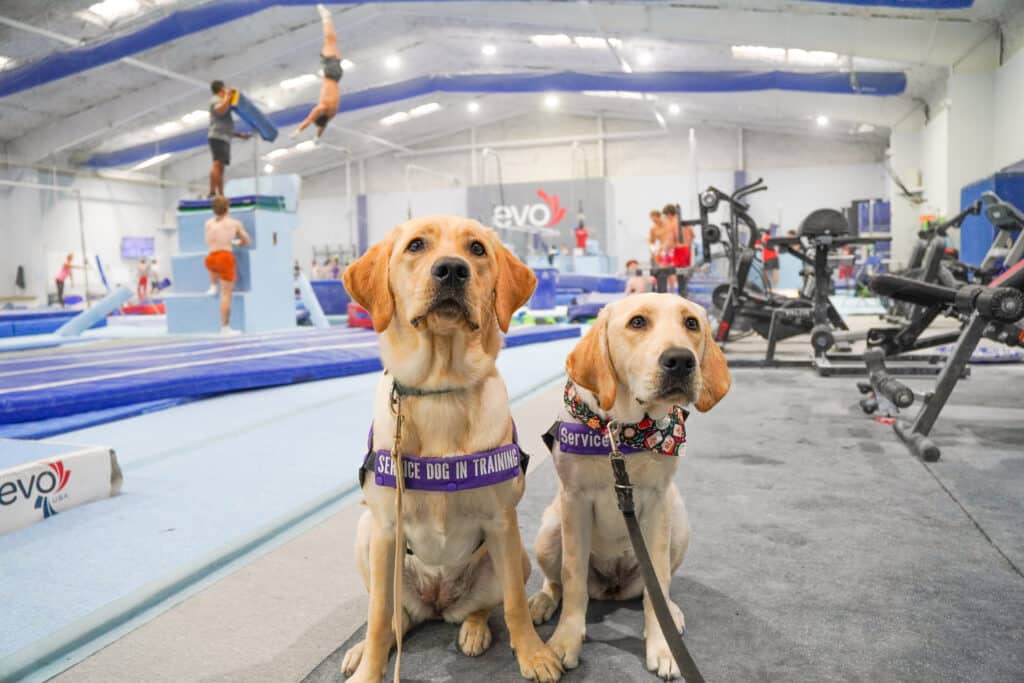
- Total Neutrality: The ability to ignore overtures from strangers, dropped articles, and wildlife.
- Rapid Recovery: The capacity to bounce back from sudden, startling occurrences (such as a dropped tray or backfiring vehicle) within seconds, returning immediately to a working state.
- Quiet Focus: Complete absence of nuisance behaviors, including whining, excessive sniffing, or unwarranted vocalization in public enclosures.
Official Statements and Expert Insights
Behaviorists and master trainers across the assistance dog industry continually emphasize that temperament and emotional stability outrank raw trainability every single time.
"You can teach a dog to fetch an item, open a door, or apply deep pressure therapy through repetition and reward," notes a senior training coordinator at Dogs Inc. "However, you cannot easily manufacture intrinsic emotional stability. A dog that lacks a naturally resilient, calm baseline will inevitably crumble when faced with the chaotic realities of public service work. Calmness is the lens through which all other training is successfully filtered."
Furthermore, experts highlight the symbiotic relationship between the dog’s inner state and the handler’s physiological well-being. When a handler is navigating a disability—whether physical, neurological, or psychological—their own nervous system is often vulnerable to environmental stressors.
- The Anchor Effect: A calm service dog acts as a biological anchor. By remaining serene and composed amidst chaos, the dog physically and emotionally grounds the handler, effectively dampening the escalation of anxiety or panic attacks.
- Independence Amplified: Industry data consistently shows that handlers partnered with exceptionally steady, neutral service dogs report a dramatic increase in community participation, confidence, and personal autonomy compared to those partnered with less-refined animals.
Future Outlook: The Evolution of Assistance Dog Breeding and Selection
As the demand for specialized assistance dogs continues to outpace supply, the science of breeding and training is evolving to prioritize emotional fortitude above all else.

Predictive Behavioral Screening
Modern breeding programs are increasingly utilizing early neurological profiling and quantitative behavioral assessments. By analyzing how puppies respond to novel objects, mild stressors, and human interaction during their first few weeks of life, breeding organizations can predict with high accuracy which candidates possess the innate neural resilience required for elite service work.
Expanding Roles, Universal Standards
The umbrella of service work continues to widen—spanning guide dogs for the blind, medical alert dogs for Type 1 diabetes, mobility assistance dogs, and psychiatric support animals for veterans and civilians alike. Despite the vast divergence in the physical tasks these dogs perform, the behavioral denominator remains identical. Future training methodologies will undoubtedly lean even further into neurobiology, focusing heavily on emotional regulation, mindfulness-based conditioning, and positive reinforcement frameworks that protect and nurture the dog’s mental health.
Conclusion: The Quiet Power of Steadiness
Ultimately, the most profound moments in a service dog’s career are rarely loud or dramatic. They are found in the quiet pauses: the deliberate stillness of a dog waiting patiently under a restaurant table; the steady, unfazed posture of a canine companion standing guard beside a wheelchair in a bustling terminal; the serene, comforting weight of a dog executing deep pressure therapy during a moment of private crisis.
Calmness may not command immediate applause, but it remains the invisible architecture upon which independence, safety, and trust are built. For the individuals whose lives depend on these remarkable animals, that hard-won, carefully cultivated calm changes everything.