As advances in veterinary medicine and improved husbandry practices continue to extend the lifespan of domestic canines, veterinary professionals and pet owners face a growing challenge: the management of age-related chronic degenerative diseases. Chief among these is canine osteoarthritis (OA), a progressive, painful, and debilitating condition that affects millions of aging dogs worldwide. Traditionally managed through reactive pharmacological interventions—such as Non-Steroidal Anti-Inflammatory Drugs (NSAIDs)—the modern veterinary paradigm is shifting toward a proactive, multimodal approach.
At the core of this therapeutic evolution is nutritional science. Clinical research increasingly demonstrates that specific dietary compounds can mitigate joint inflammation, slow the degradation of articular cartilage, and improve functional mobility in senior dogs. This investigative report examines nine critical dietary components and nutraceuticals that serve as pillars of joint-support nutrition. By analyzing their biochemical mechanisms, clinical efficacy, and integration into daily husbandry, we provide an authoritative guide to managing canine joint pain through targeted dietary design.
Detailed Chronology: The Pathological Timeline of Canine Joint Degeneration and Targeted Nutritional Interventions
Understanding when and how to intervene with nutritional therapy requires a clear view of the pathological timeline of joint degeneration. Canine joints undergo a predictable sequence of structural and cellular decline. Below is a detailed breakdown of this degenerative timeline, mapped directly to the specific dietary interventions that target each stage.
Stage 1: Micro-trauma and Chondrocyte Stress (Early Degeneration)
At the cellular level, joint degradation begins long before clinical symptoms like limping manifest. Mechanical wear and tear, genetic predisposition, and oxidative stress damage chondrocytes (the cells responsible for maintaining cartilage matrix). This triggers a localized inflammatory cascade.
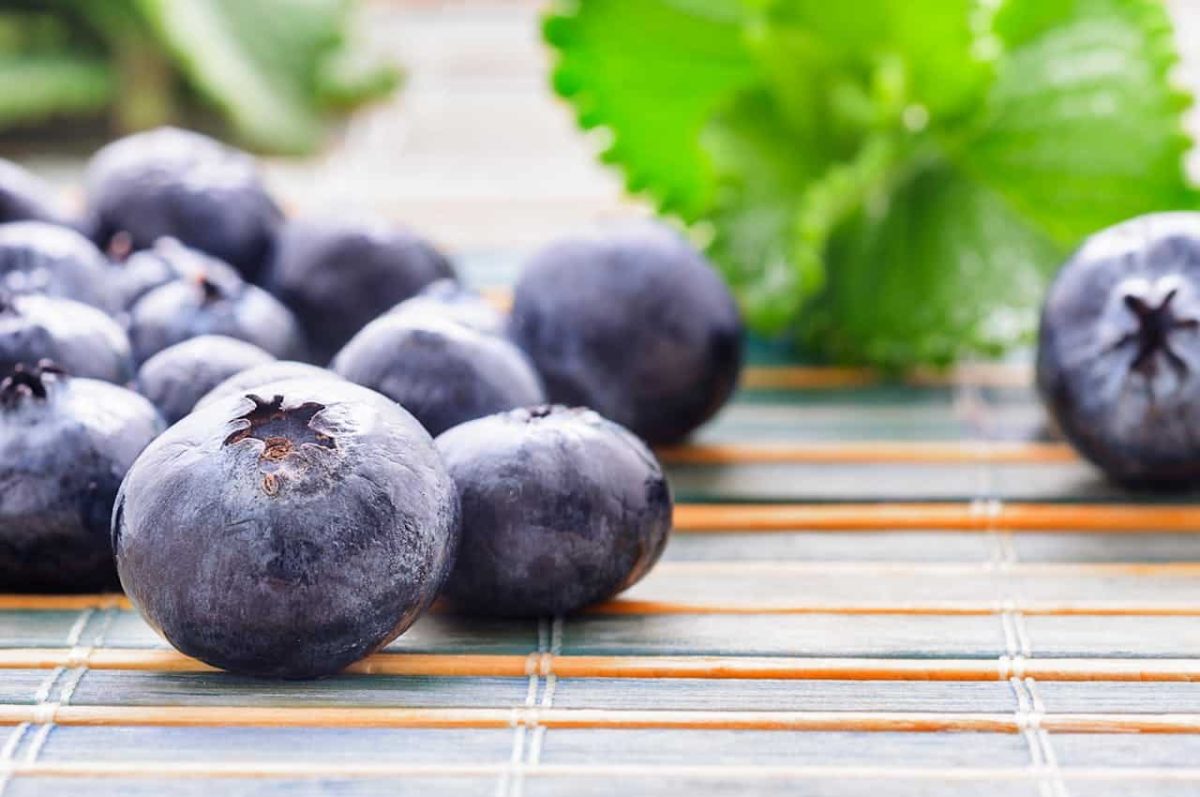
Intervention 1: Blueberries (Antioxidant Defense)
Biochemical Mechanism: Blueberries are rich in anthocyanins, polyphenols, and vitamin C. These compounds act as potent free-radical scavengers, neutralizing reactive oxygen species (ROS) that damage chondrocyte membranes and DNA.
Clinical Application: Introducing fresh or frozen blueberries early in a dog’s senior years helps preserve the integrity of the extracellular matrix within the joint, delaying the onset of structural cartilage loss.
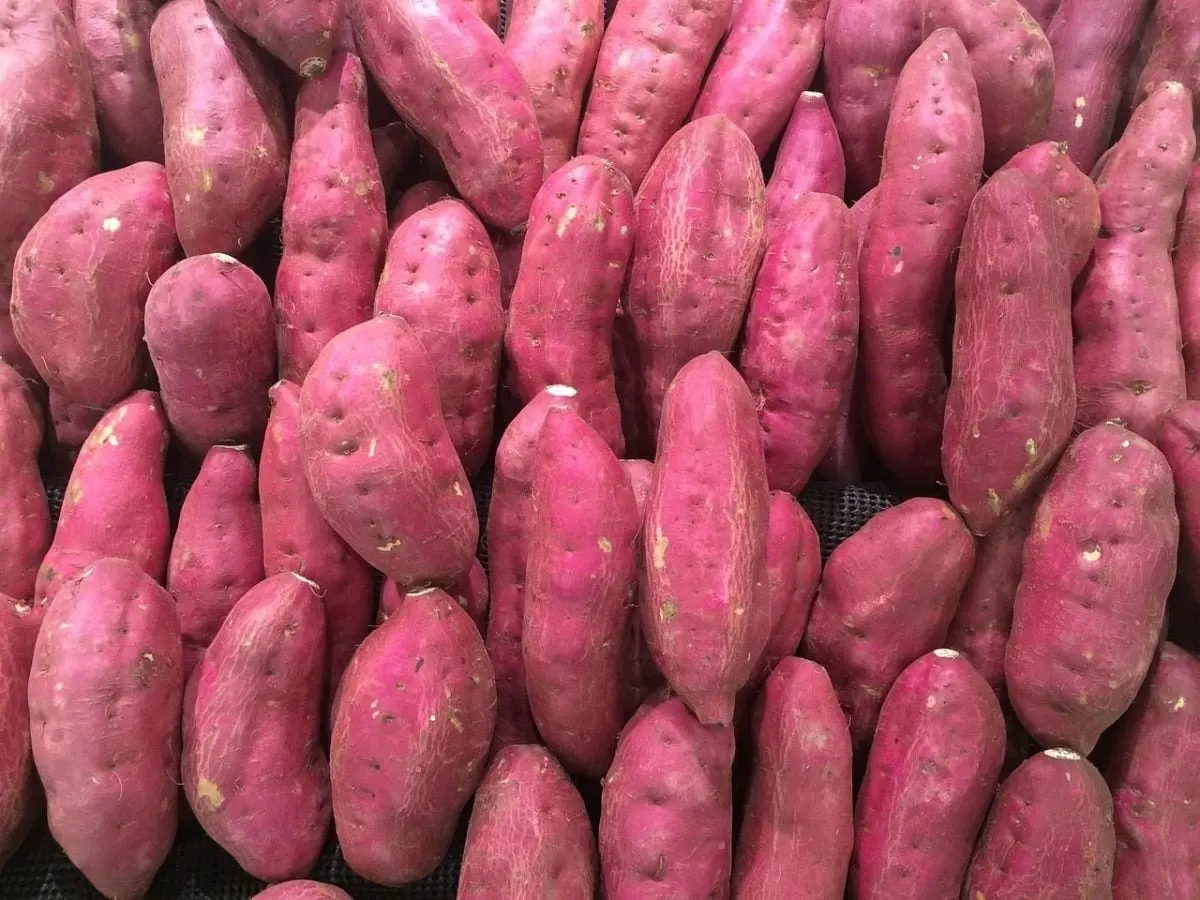
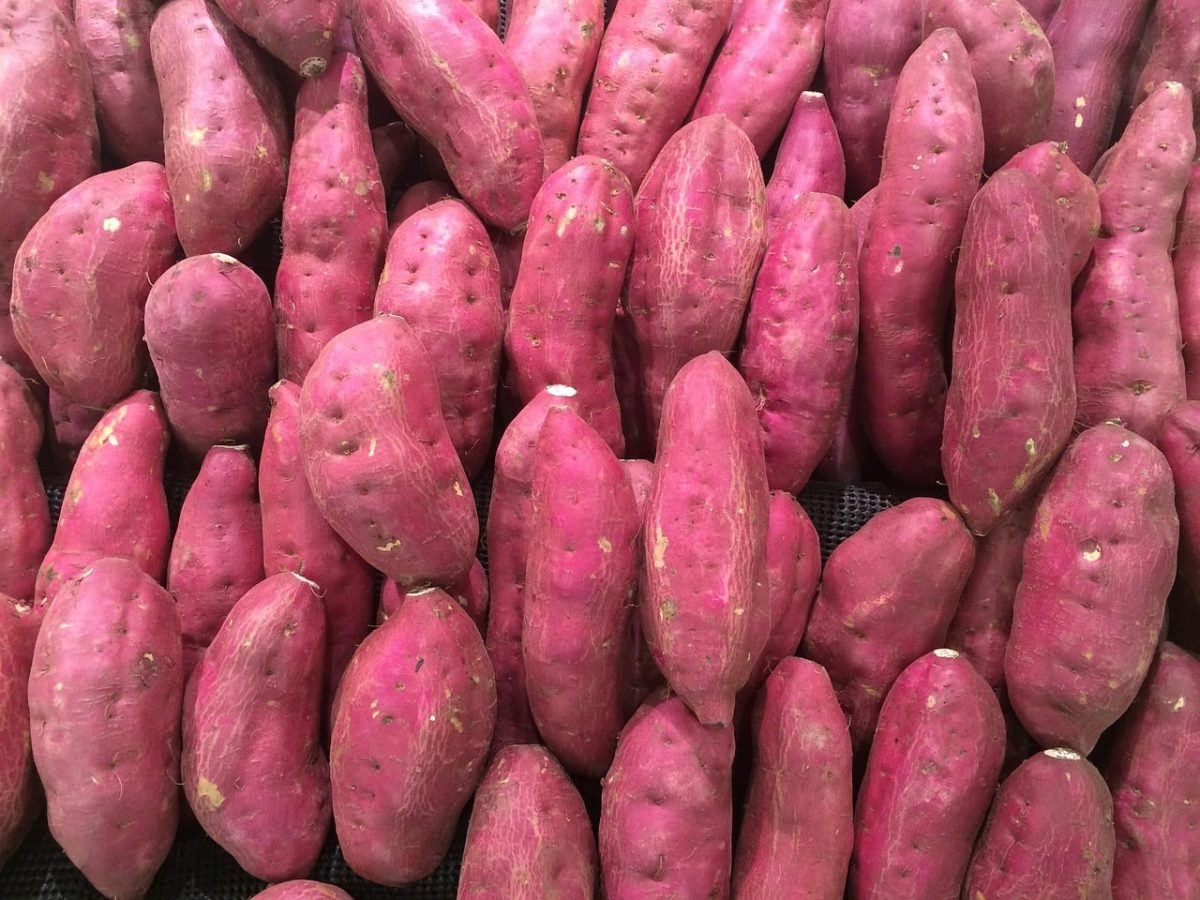
Biochemical Mechanism: Sweet potatoes provide a highly digestible source of complex carbohydrates, dietary fiber, and beta-carotene (a precursor to Vitamin A). Beta-carotene supports cellular repair and immune modulation, reducing systemic low-grade inflammation that can exacerbate joint localized stress.
Clinical Application: Cooked, unseasoned sweet potato serves as an ideal base carbohydrate for senior dogs, offering sustained energy without the inflammatory potential associated with high-glycemic grains.
Stage 2: Synovial Inflammation and Acute Pain (Mid-Stage Degeneration)
As chondrocytes fail, the synovial membrane lining the joint capsule becomes inflamed (synovitis). This inflammation releases pro-inflammatory cytokines, specifically interleukin-1 beta (IL-1β) and tumor necrosis factor-alpha (TNF-α), which accelerate pain signaling and tissue destruction.
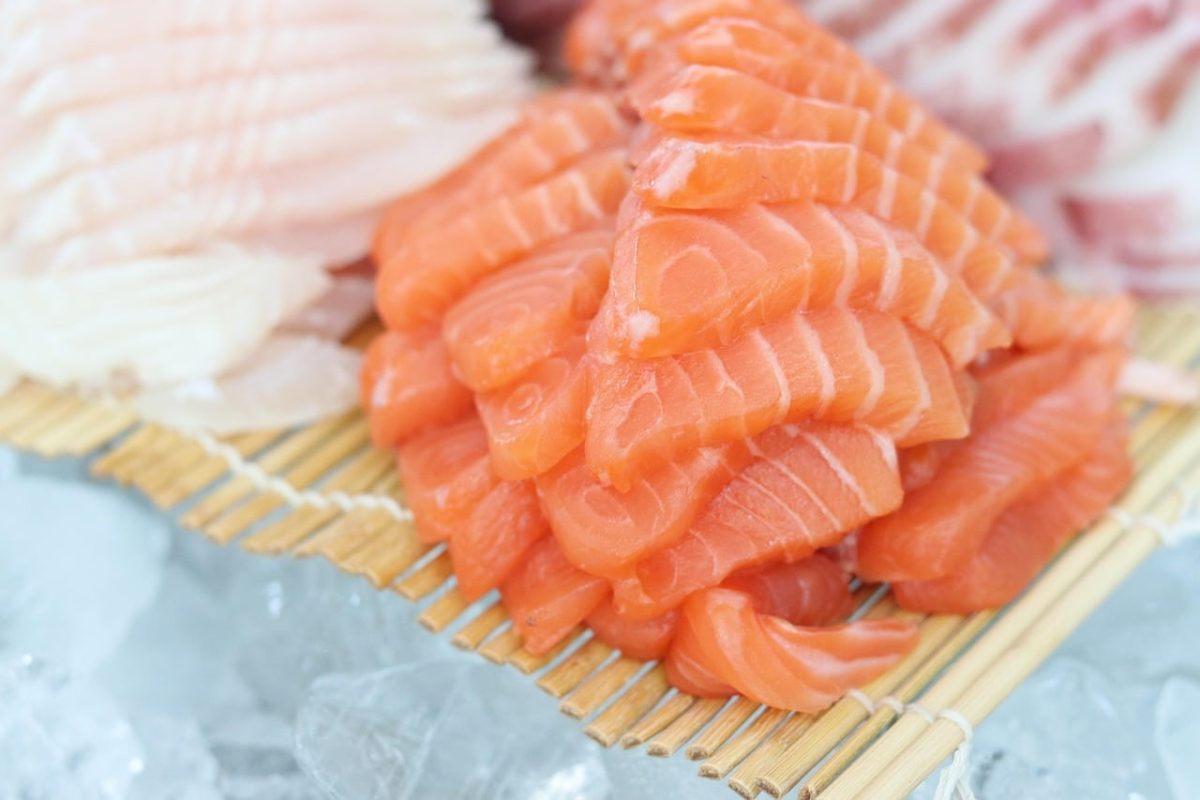
Intervention 3: Fatty Fish Like Salmon (Omega-3 Fatty Acid Modulation)
Biochemical Mechanism: Marine-derived omega-3 fatty acids, specifically eicosapentaenoic acid (EPA) and docosahexaenoic acid (DHA), competitively inhibit the arachidonic acid cascade. This reduces the production of highly inflammatory group-2 series eicosanoids and instead promotes the synthesis of less inflammatory group-3 series eicosanoids and resolvins.
Clinical Application: Regular feeding of wild-caught salmon, sardines, or high-quality marine oil supplements directly reduces synovial inflammation, leading to measurable decreases in joint stiffness and lameness.
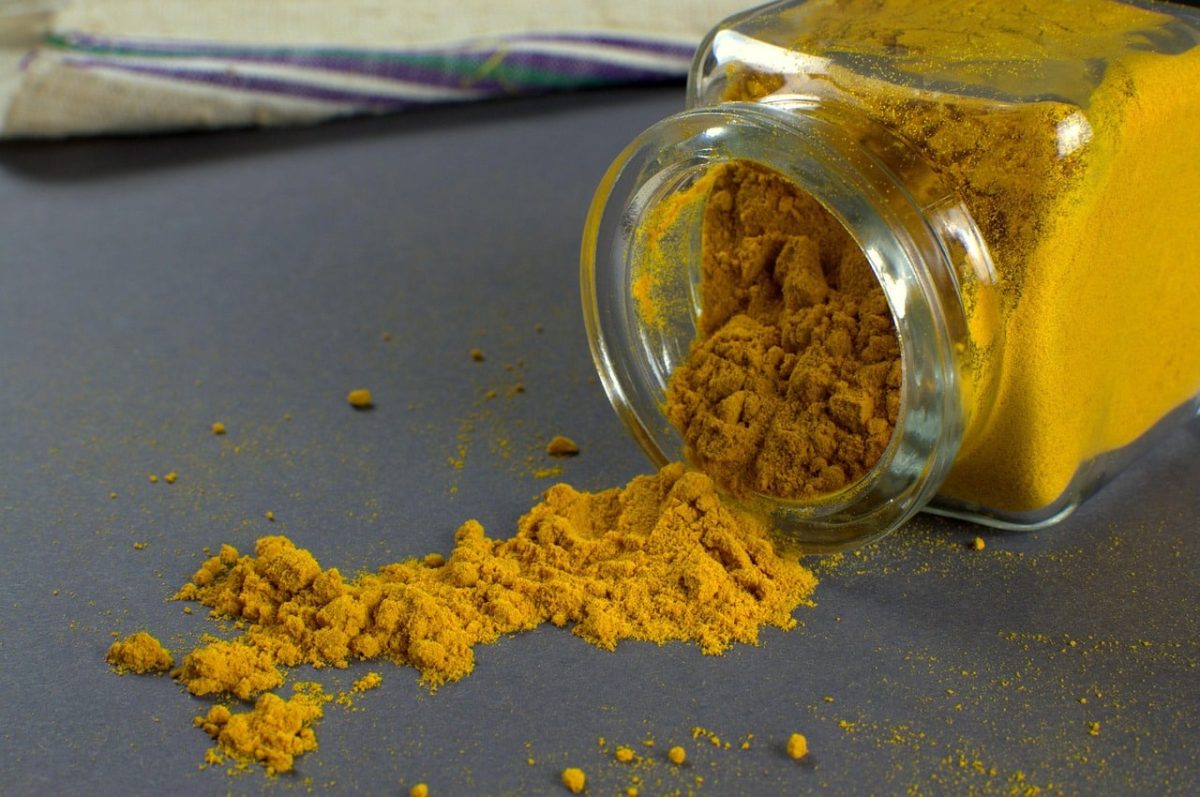
Intervention 4: Turmeric and Curcumin (NF-kB Pathway Inhibition)
Biochemical Mechanism: The active polyphenol in turmeric, curcumin, blocks the activation of Nuclear Factor-kappa B (NF-kB). This master signaling molecule controls the transcription of genes responsible for inflammatory cytokines and enzymes like cyclooxygenase-2 (COX-2).
Clinical Application: Because curcumin has low systemic bioavailability in canines, it is most effective when administered in specialized, vet-approved lipid-bound formulations or chews that enhance gastrointestinal absorption.
Stage 3: Cartilage Degradation and Loss of Viscoelasticity (Advanced Degeneration)
At this stage, the protective cartilage layer erodes entirely, leading to bone-on-bone friction. The synovial fluid loses its viscosity, reducing its ability to absorb shock during movement.
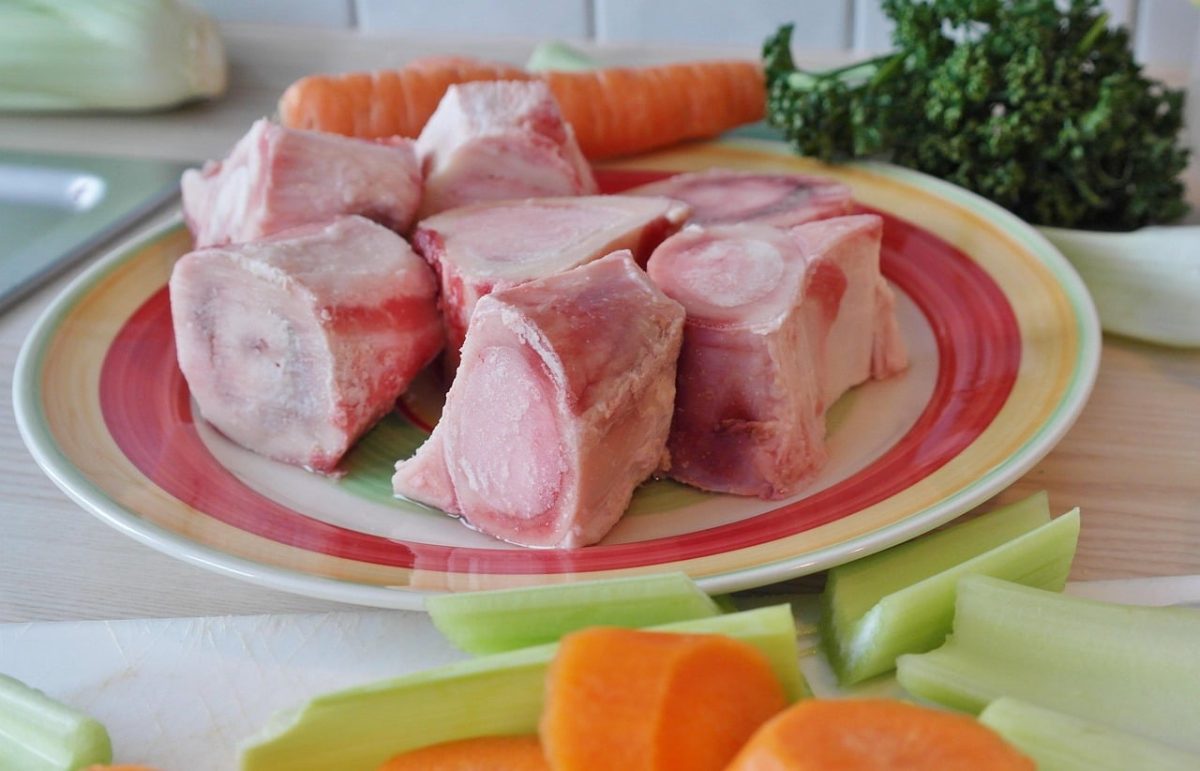
Intervention 5: Bone Broth (Collagen and Glycosaminoglycan Replenishment)
Biochemical Mechanism: Slow-simmered bone broth is rich in Type II collagen, hyaluronic acid, chondroitin sulfate, and glucosamine. These compounds are the fundamental structural blocks of articular cartilage and synovial fluid.
Clinical Application: Adding organic bone broth to dry kibble hydrates the food, increases palatability for geriatric dogs, and delivers highly bioavailable peptides directly to the joint capsule to support fluid viscosity.
Intervention 6: Targeted Joint Support Supplements (Green-Lipped Mussel & Chondroitin)
Biochemical Mechanism: Green-Lipped Mussel (Perna canaliculus) contains a unique profile of omega-3 fatty acids (including eicosatetraenoic acid or ETA) alongside naturally occurring glycosaminoglycans (GAGs). When combined with pure chondroitin sulfate and Methylsulfonylmethane (MSM), it exerts a synergistic protective effect on remaining joint cartilage.
Clinical Application: Daily administration of high-potency joint chews is critical for dogs showing overt signs of mobility loss, helping to maintain remaining joint spaces and reduce the necessity of high-dose NSAID therapies.
Stage 4: Sarcopenia and Compensatory Musculoskeletal Strain (End-Stage Management)
As joint pain worsens, dogs reduce their physical activity. This leads to muscle wasting (sarcopenia), which further destabilizes the joints and increases the load on remaining healthy tissue.
Intervention 7: Whole Eggs (High-Biological Value Proteins & Vitamin D)
Biochemical Mechanism: Eggs provide the gold standard of dietary protein bioavailability, containing all essential amino acids required to maintain skeletal muscle mass. Additionally, egg yolks are a natural source of Vitamin D3, which is essential for calcium homeostasis and bone mineralization.
Clinical Application: Incorporating plain cooked eggs into a senior dog’s diet supports muscle retention, ensuring the surrounding musculature can help stabilize weak, arthritic joints.
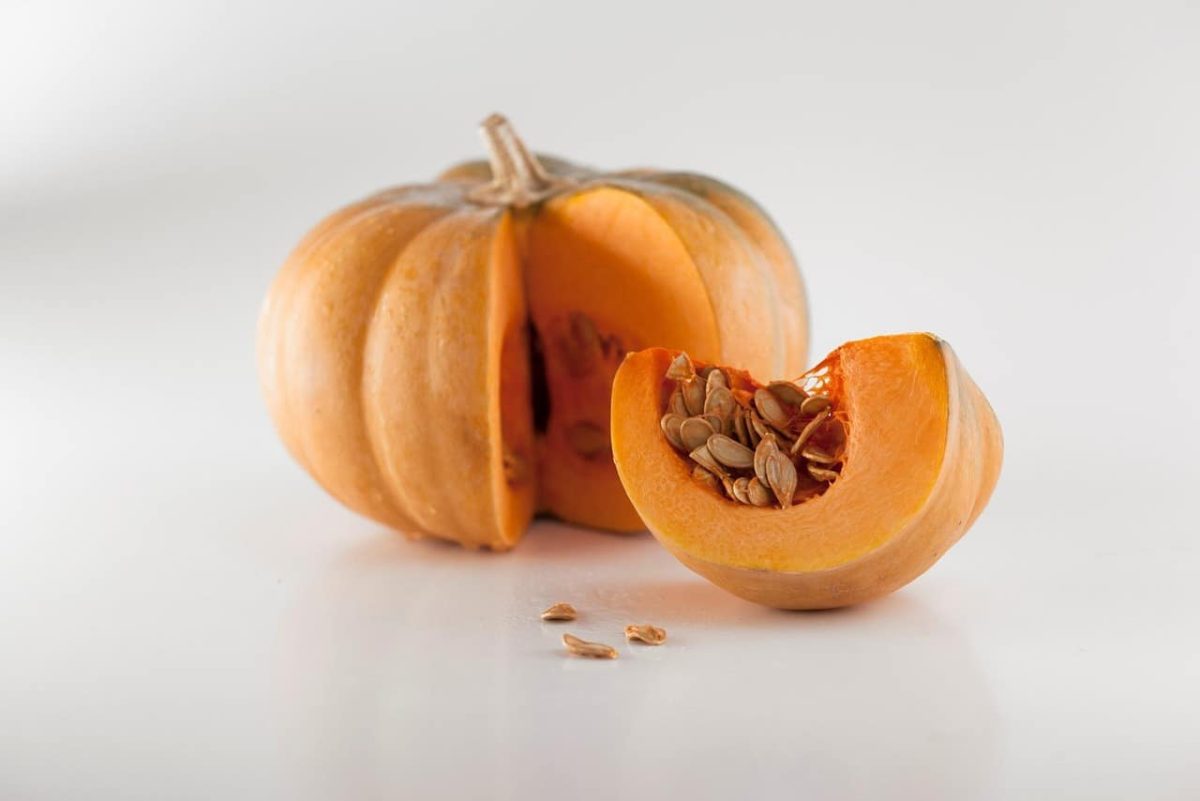
Intervention 8: Pumpkin (Digestive and Weight Management Support)
Biochemical Mechanism: Excess body weight is one of the most damaging factors in canine joint disease. Pumpkin is a low-calorie, high-fiber food that promotes satiety, helping overweight senior dogs shed excess weight without feeling hungry.
Clinical Application: Plain canned pumpkin can replace a portion of daily kibble to assist in safe weight loss, directly reducing the mechanical load placed on compromised joints.
Intervention 9: Comprehensive Multivitamins with Joint Support
Biochemical Mechanism: Geriatric dogs often experience declined nutrient absorption in the gut. A comprehensive multivitamin ensures that trace minerals (such as manganese, which is a cofactor for cartilage synthesis) and vitamins are present in optimal concentrations to support systemic repair.
Clinical Application: Serving as a nutritional safety net, daily multivitamins prevent subclinical deficiencies that could accelerate musculoskeletal decline.
Supporting Context & Metrics: The Science of Canine Joint Health
The clinical significance of canine osteoarthritis is underscored by both epidemiological data and strict biochemical metrics.
Prevalence and Economic Impact
According to the American Veterinary Medical Association (AVMA) and various clinical surveys, osteoarthritis affects approximately 20% of all dogs over one year of age, with the prevalence rising dramatically to an estimated 80% in dogs aged eight years and older. The condition is particularly prevalent in large and giant breeds (such as German Shepherds, Golden Retrievers, and Labradors) due to genetic predispositions like hip and elbow dysplasia.
Biochemical Pathways of Pain and Degeneration
To understand why dietary intervention is so effective, we must look at the specific inflammatory pathways targeted by these nutritional compounds:
The relationship between body weight and joint pain is direct and quantifiable. A landmark study published in the Journal of the American Veterinary Medical Association (JAVMA) demonstrated that a modest weight loss of just 6.1% to 8.85% of body weight resulted in a significant reduction in lameness and a dramatic increase in kinetic weight-bearing capacity in arthritic dogs. This underscores the clinical value of low-calorie, high-fiber additions like pumpkin in a joint-care regimen.
Official Statements: Veterinary Consensus on Nutritional Joint Management
Leading veterinary organizations worldwide emphasize that nutrition is not merely supportive, but foundational to managing canine mobility issues.
The American Animal Hospital Association (AAHA)
In their Senior Care Guidelines for Dogs and Cats, the AAHA states:
"Nutrition is a key component of senior pet care. For patients with degenerative joint disease, therapeutic diets enriched with long-chain omega-3 fatty acids (EPA/DHA) are highly recommended to decrease inflammation and reduce the reliance on nonsteroidal anti-inflammatory drugs."
Veterinary Nutritional Specialists
Dr. Jennifer Coates, DVM, a prominent veterinary writer and consultant, highlights the importance of early intervention:
"We cannot cure osteoarthritis, but we can manage it effectively. By integrating natural anti-inflammatories like wild-caught fish oils and joint-building blocks like glucosamine and chondroitin into a dog’s diet before severe clinical signs appear, we can significantly extend their quality of life and maintain their comfort without solely relying on pharmaceuticals."
Association of American Feed Control Officials (AAFCO) Guidelines
While AAFCO provides baseline nutrient profiles for dog foods, veterinary nutritionists caution that standard commercial dog foods rarely contain therapeutic levels of joint-support ingredients. Consequently, supplementing a standard diet with high-quality, targeted joint supplements is often necessary to achieve therapeutic dosages of active compounds like EPA, DHA, and curcumin.
Future Outlook: The Next Frontier in Canine Geriatric Care
The field of canine joint care is moving rapidly toward highly personalized, preventative medicine. Several key trends are shaping the future of how we manage joint health in aging dogs:
Nutrigenomics—the study of how nutrients affect gene expression—is poised to revolutionize pet food. In the future, veterinarians may analyze a dog’s DNA profile to identify specific genetic markers for osteoarthritis. This will allow for the formulation of custom diets tailored to turn off pro-inflammatory genes and upregulate genes responsible for collagen production and joint repair.
2. The Gut-Joint Axis (Microbiome Optimization)
Emerging research is establishing a strong link between the canine gut microbiome and systemic joint inflammation. An imbalance in gut bacteria (dysbiosis) can lead to increased intestinal permeability, allowing inflammatory endotoxins to enter the bloodstream and localize in the joints. Future joint diets will likely feature highly specialized prebiotics, probiotics, and postbiotics designed specifically to support the gut-joint axis.
3. Integration with Monoclonal Antibody Therapies
The veterinary market has recently seen the introduction of groundbreaking therapies like Bedinvetmab (Librela), a monoclonal antibody that targets Nerve Growth Factor (NGF) to alleviate osteoarthritic pain. As these advanced biological therapies become standard, they will be paired with targeted nutritional programs. Nutrition will provide the physical building blocks for joint repair, while monoclonal antibodies manage the neurological pain pathways, offering unprecedented comfort to senior dogs.
Conclusion
Caring for an aging dog with joint pain requires a proactive, compassionate, and scientifically grounded approach. By understanding the cellular mechanisms of joint decline and systematically introducing nutrient-dense foods—such as fatty fish, bone broth, turmeric, and high-potency joint supplements—pet owners can successfully slow the progression of osteoarthritis. Through the thoughtful combination of veterinary medicine and targeted nutrition, we can ensure our canine companions enjoy their golden years with the mobility, comfort, and dignity they deserve.