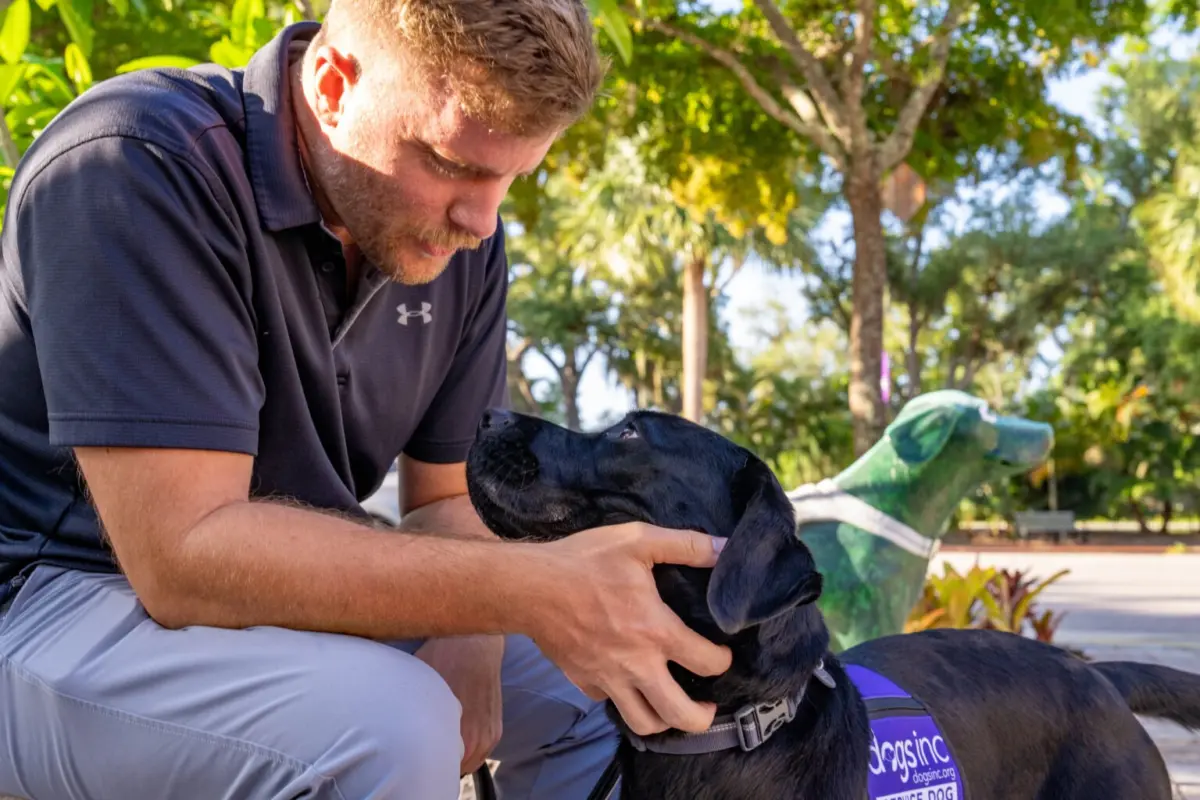

Executive Overview
The path of a service dog—from an 8-week-old, floppy-eared puppy to a poised, life-altering canine professional—is often romanticized. Public perception frequently centers on the heartwarming end goal: a steadfast companion bestowing independence, safety, and profound freedom upon an individual with disabilities. Yet, behind every successful graduate of a premier working dog program lies an intensive, unsung chapter of development known as volunteer puppy raising.
Raising a future service dog is exceptionally meaningful work, but it is also an extraordinary undertaking. It demands unwavering structure, boundless patience, and a daily commitment to microscopic details that lay the behavioral foundation for professional training. This comprehensive report offers an unvarnished, investigative look at the realities of service dog puppy raising—exploring the six primary operational and emotional challenges faced by volunteers, the robust support networks that make success possible, and why hundreds of families continue to answer the call despite the hurdles.
Detailed Chronology: The Puppy-Raising Lifecycle
To understand the weight of the endeavor, one must examine the timeline of a volunteer puppy raiser. The journey follows a strict developmental chronology overseen by specialized organizations like Dogs Inc.
Phase 1: Arrival and Home Integration (Weeks 8 to 12)
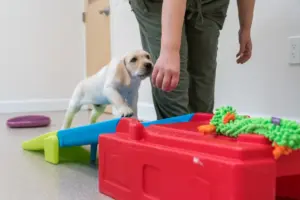
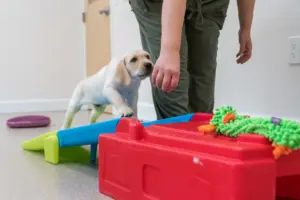
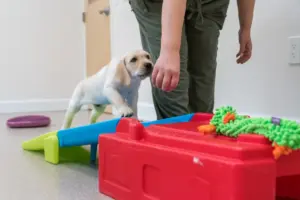
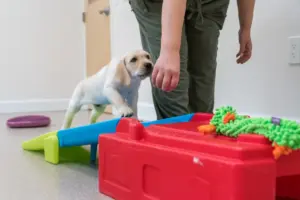
At approximately eight weeks of age, a carefully bred puppy leaves its littermates and enters a volunteer’s home. This period is critical for establishing household manners, introducing basic cues (such as sit, stay, and the early stages of loose-leash walking), and implementing crate training. The home effectively transforms into a controlled training facility where every interaction, transition, and naptime is intentionally managed to encourage emotional stability.
Phase 2: Community Expansion and Socialization (Months 3 to 12)
As the puppy matures, the scope of training widens dramatically. Puppies-in-training must be introduced to the unpredictable symphony of the outside world. Raisers accompany their pups into grocery stores, shopping malls, restaurants, and public parks. They are exposed to clanging carts, automated doors, crowds, loud noises, and diverse surfaces. This phase is designed to build bulletproof confidence, ensuring the dog will not startle or become reactive when faced with novel stimuli in high-stakes environments later in life.
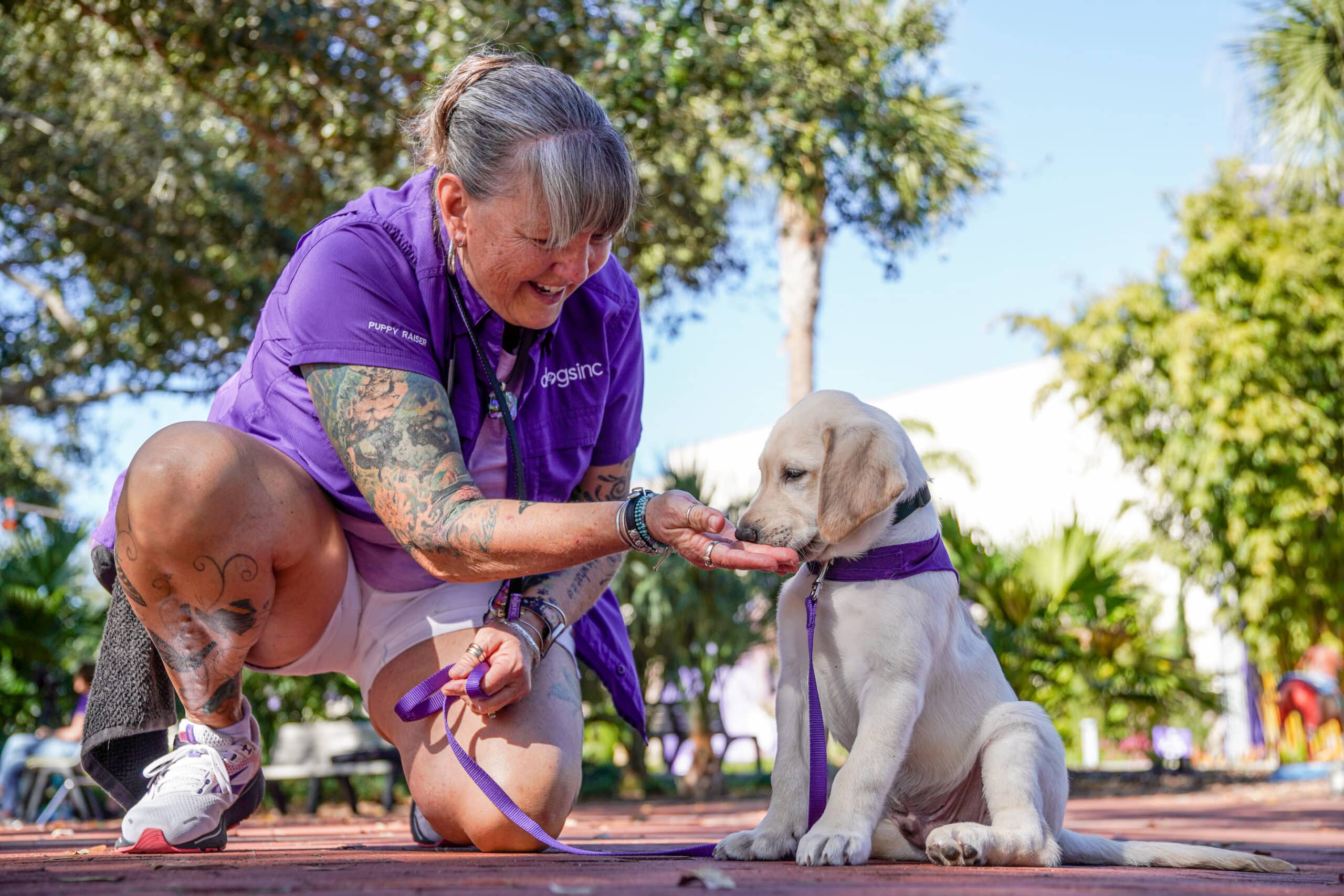
Phase 3: Refining Commands and Managing Distractions (Months 12 to 14+)
Adolescence hits working dogs just as it does pet dogs, bringing boundary-testing, fluctuating focus, and regression. During this critical window, raisers must double down on consistency. They work diligently to fade treats, proof commands against intense environmental distractions (such as running children or other animals), and maintain a calm demeanor when progress appears to stall.
Phase 4: Graduation, Transition, and Formal Training (Month 14 to 18)
The final stage of the puppy-raising lifecycle is universally acknowledged as the most emotionally complex. After roughly a year or more of sharing a bed, a schedule, and a heart with the puppy, the volunteer returns the dog to the organization. Here, the animal transitions into advanced, professional, and formal training—learning task-specific commands tailored to mitigate specific disabilities before being permanently matched with a recipient.
The Six Core Challenges of Puppy Raising
While the end product is transformative, the day-to-day reality of puppy raising is punctuated by distinct operational and psychological obstacles.
1. The Burden of Unyielding Consistency
Consistency is the currency of animal behavior. Basic obedience and foundational cues must be reinforced daily, woven seamlessly into walks, mealtimes, and moments of relaxation. The expectations placed upon the puppy must remain absolute, whether the handler is sitting alone in a quiet living room or navigating a bustling downtown sidewalk.
The primary challenge lies in household alignment. Every member of the family—including children, visiting relatives, and roommates—must employ the exact same vocabulary, boundaries, and reinforcement schedules. If one person allows the puppy on the couch while another forbids it, confusion ensues, stalling progress. Furthermore, training does not pause for personal exhaustion, sickness, or professional deadlines; consistency demands 24/7 accountability.
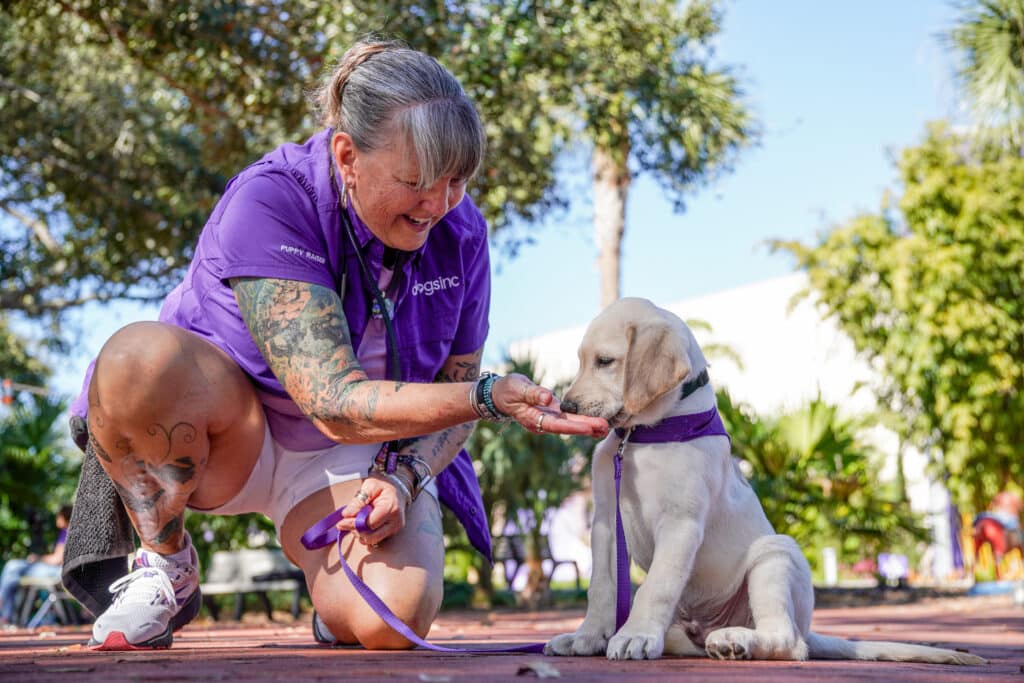
2. Navigating Unpredictable Real-World Environments
A future service dog cannot operate in a vacuum. To prepare for a life of service, pups must master the art of working amidst constant environmental variables. This means contending with unexpected sights, sounds, and smells—from sudden sirens to dropped food on a cafeteria floor.
Compounding environmental distractions is human curiosity. The public visibility of a service dog-in-training often attracts well-meaning strangers who want to pet, speak to, or distract the puppy. Managing the public while keeping the dog focused, calm, and attentive requires immense patience, tact, and assertive boundary-setting from the volunteer raiser.
3. Managing Distractions and Non-Linear Progress
Puppy development is rarely a straight upward trajectory. A dog that walked impeccably on a loose leash yesterday may pull toward a flock of pigeons today. Adolescence brings hormonal shifts and cognitive leaps that test a raiser’s resolve.
Because progress can fluctuate wildly, raisers must combat frustration. Success relies on stepping back, breaking tasks down into smaller increments, and repeating fundamentals with grace. The ultimate objective is not merely teaching a dog to obey a command, but teaching a young animal how to process stress and self-regulate in an overwhelming world.
4. The Intensive Time Commitment
Puppy raising is a lifestyle redesign. Schedules must be meticulously planned around bathroom breaks, structured feeding protocols, socialization outings, obedience sessions, and veterinary appointments. Routine medical maintenance—ranging from parasite and flea prevention to monitoring overall physical condition—becomes an embedded part of the raiser’s daily ledger.

While reputable service dog organizations typically absorb veterinary expenses and medical costs, the investment of personal time is staggering. Volunteers must be prepared to adjust their personal and professional routines for months on end, carving out dedicated hours every single day for purposeful engagement.
5. The Emotional Toll of Letting Go
Perhaps the most universally understood hurdle of puppy raising is the emotional paradigm of detachment. Over 12 to 18 months of intensive partnership, an unbreakable bond forms. The puppy becomes an integral thread in the fabric of the household, sharing in milestones, quiet evenings, and daily adventures.
When the time arrives for the dog to return to the organization for advanced professional training, the goodbye is intensely painful. Volunteers must navigate grief while simultaneously reframing their perspective: the sorrow of parting is the direct byproduct of a job well done. By loving and training the puppy, the raiser has unlocked that dog’s potential to dramatically improve another human being’s independence and quality of life.
6. Living Inside a 24/7 Training Environment
When a puppy is in the home, normal domestic life is temporarily suspended. The home itself becomes a classroom. Tools such as crates are utilized strategically to enforce rest, manage energy levels, and promote emotional regulation.
There is virtually no "off" switch during this period. Even during moments of rest, the raiser remains subconsciously vigilant—monitoring the puppy’s body language, preventing undesirable chewing behaviors, and seizing teachable moments. Errands, family gatherings, and quiet nights in all carry an underlying layer of training responsibility.
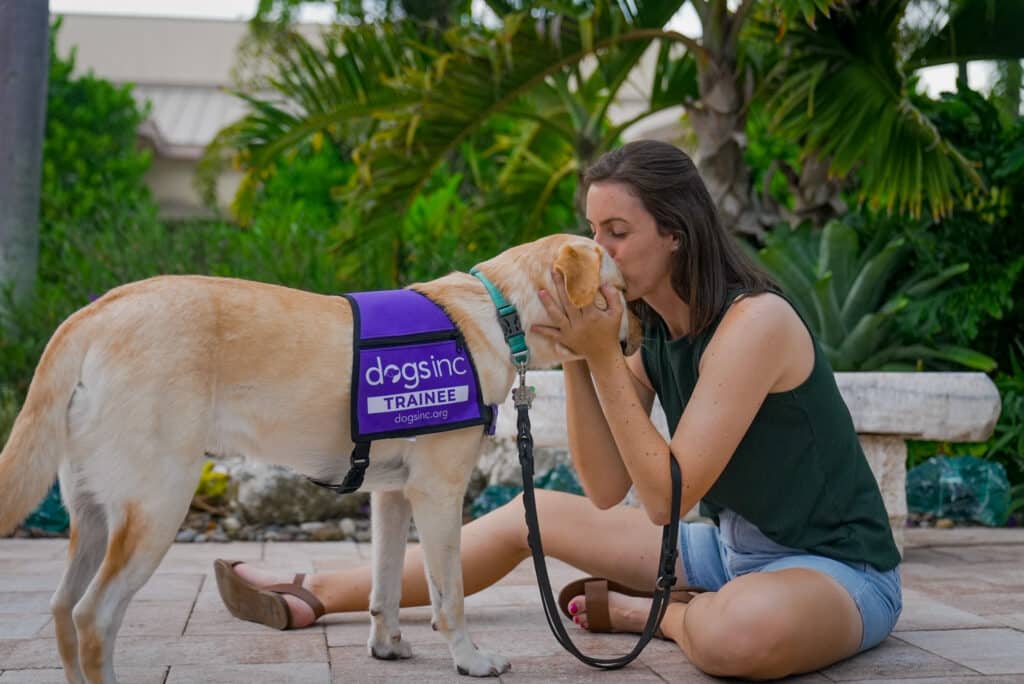
Supporting Context, Metrics, and Operational Support
To mitigate these formidable challenges, professional service dog organizations do not leave volunteers to navigate the journey alone. A robust support ecosystem is the backbone of any successful puppy-raising program.
- Professional Guidance: Volunteers are paired with dedicated instructors and regional area coordinators. These professionals provide ongoing behavioral evaluations, personalized coaching, and immediate troubleshooting advice when training roadblocks occur.
- Peer Networks: Connecting with veteran puppy raisers offers invaluable emotional and practical insights. Shared experiences normalize the trials of adolescence and provide a community of empathy.
- Respite Care: To prevent burnout, organizations frequently provide access to certified puppy sitters or temporary relief networks. This allows raisers to attend mandatory life events, travel, or simply recharge, ensuring long-term program sustainability.
Future Outlook: The Ripple Effect of Service Dog Work
The demand for expertly trained service dogs and guide dogs continues to outpace supply. As societal awareness regarding mobility impairments, medical alert needs, and psychiatric support grows, the reliance on volunteer-run foundational training programs becomes increasingly critical.
Looking forward, the evolution of service dog training relies heavily on modern behavioral science, positive reinforcement methodologies, and community education regarding public access laws. Organizations are continually refining their breeding and early-intervention strategies to produce resilient, adaptable dogs capable of thriving in complex modern environments. For the individual considering this path, the future holds an opportunity to participate in a deeply collaborative, highly structured movement that redefines what is possible for individuals with disabilities.
Who Should Consider Puppy Raising?
Puppy raising is not suited for everyone, but it attracts a diverse cross-section of society. The role frequently proves fulfilling for:
- Families and Households seeking a shared, mission-driven project that teaches responsibility and empathy to children.
- Retirees and Empty Nesters equipped with the time, patience, and stable daily routines required to manage an active puppy schedule.
- Students and Working Professionals with flexible environments or remote work arrangements that accommodate constant supervision and socialization.
Prospective volunteers typically begin the journey by submitting an application, completing informational questionnaires, and participating in an interview process with organizations like Dogs Inc to ensure a mutually beneficial match.

Final Thoughts
The challenges of raising a future service dog are profound, demanding uncompromising consistency, strict time management, enduring patience, and immense emotional fortitude. Yet, the gravity of these challenges is matched only by the magnitude of the impact.
Volunteer puppy raisers are the architects of independence. By offering their homes, hearts, and discipline, they bridge the gap between a vulnerable puppy and a heroic working professional. If you possess the commitment to shape the future of a working dog and wish to explore whether puppy raising aligns with your life, contact Dogs Inc today to learn more about their program, review application requirements, and take your first step toward changing a life.