
Executive Overview
Under the statutory mandate of the Federal Food, Drug, and Cosmetic Act (FD&C Act), the U.S. Food and Drug Administration (FDA) and its Center for Veterinary Medicine (CVM) are legally obligated to ensure that all animal feeds—including commercial pet food—are safe, manufactured under sanitary conditions, free from harmful substances, and, crucially, truthfully labeled. However, a growing body of regulatory correspondence and documented administrative delays reveals a persistent pattern of agency non-responsiveness, regulatory abdication, and transparency failures.
An extensive paper trail compiled by pet food consumer advocate Susan Thixton—founder of TruthaboutPetFood.com and the Association for Truth in Pet Food—paints a concerning picture of regulatory evasion. The documentation demonstrates that when confronted with specific inquiries regarding misleading graphic claims on mass-market pet foods, the use of rendered slaughterhouse waste, zoonotic disease reporting gaps, and the expiration of foundational regulatory agreements, the FDA routinely responds with administrative silence, non-sequiturs, or severe procedural delays.
This investigative report details a multi-year effort to hold the FDA accountable, analyzing key regulatory breakdowns across four critical areas: deceptive consumer labeling, undisclosed ingredient rendering practices, omitted epidemiological data regarding Highly Pathogenic Avian Influenza (HPAI), and procedural failures regarding public citizen petitions.
Detailed Chronology: A Pattern of Administrative Evasion
The administrative record between 2022 and late 2026 demonstrates a systematic failure by the FDA Center for Veterinary Medicine to provide substantive answers to consumer oversight inquiries. Below is the detailed timeline of formal communications, regulatory inquiries, and agency evasions.
+-----------------------------------------------------------------------------------+
|                            CHRONOLOGY OF REGULATORY EVASION                        |
+-------------------+---------------------------------------------------------------+
| Date              | Event / Inquiry Focus                                         |
+-------------------+---------------------------------------------------------------+
| July 2022         | Citizen Petition filed demanding enforcement of labeling laws |
| Sept 15, 2025     | Inquiry into HPAI Avian Flu epidemiological gaps (96% unaccounted) |
| Nov 2025          | FDA rejects 2022 Citizen Petition after 1,333 days of delay   |
| Jan 28, 2026      | Formal inquiry into Meow Mix "Original Choice" deceptive labeling |
| March 12, 2026    | Follow-up sent to CVM regarding ignored Meow Mix inquiry      |
| April 13, 2026    | Petition for Reconsideration filed regarding Citizen Petition |
| May 29, 2025*     | Inquiry on post-MOU AAFCO Pet Food Label Modernization        |
| June 5, 2026      | Follow-up sent regarding CVM's non-responsive link redirect   |
| July 6, 2026      | Inquiry on USDA condemned material ("tankage") label terms     |
| Sept 15, 2026     | Reconsideration deadline passed by 110 days (155 days total)  |
+-------------------+---------------------------------------------------------------+
(*Note: May 29, 2025 inquiry initiated prior to 2026 follow-up communications)
1. Deceptive Graphic Labeling: The Meow Mix Inquiry
- January 28, 2026: Advocacy group TruthaboutPetFood.com formally submitted a inquiry to the FDA regarding the compliance of Meow Mix Original Choice dry cat food with federal labeling law. The product packaging features explicit graphic illustrations of prime whole meats: a grilled chicken breast, a roasted turkey leg, and fresh fish fillets. However, the product’s actual ingredient declaration lists rendered feed-grade meals, including chicken by-product meal, turkey by-product meal, salmon meal, and ocean fish meal.
- The inquiry requested an official explanation as to how visual representations of human-grade muscle meats reconcile with the FD&C Act mandate for truthful labeling when the product consists entirely of rendered animal by-products.
- March 12, 2026: Following complete silence from the agency, a formal follow-up was submitted to the CVM requesting either an answer to the original legal question or an explanation for the agency’s refusal to communicate.
- September 15, 2026: To date, the FDA has offered no explanation, regulatory action, or formal acknowledgement regarding the product’s labeling compliance.
2. Condemned Animal Material and Rendering Ambiguity
- July 6, 2026: Advocates directed a specific technical inquiry to the FDA regarding the regulatory nomenclature required for condemned slaughterhouse material. When the United States Department of Agriculture (USDA) rejects livestock as unfit for human consumption within slaughter facilities, the condemned tissues are processed into rendered products known industrially as "tankage."
- The inquiry asked the CVM to clarify what regulatory standard dictates how this rendered tankage must be identified on consumer-facing pet food labels—specifically whether rendered tankage derived from condemned poultry facilities can legally be identified under generic terms such as "chicken" or "chicken meal."
- Outcome: The FDA failed to respond or provide regulatory guidance on the labeling requirements for condemned material.
3. Epidemiological Data Omission: Avian Influenza Discrepancies
- September 15, 2025: Advocates challenged the FDA over selective public messaging regarding Highly Pathogenic Avian Influenza (HPAI) risks in domestic pets. While the FDA issued multiple public health warnings cautioning against the transmission risks of raw pet foods, official USDA statistics indicated that raw food consumption accounted for only 4% of the 145 confirmed domestic feline HPAI cases recorded since May 2022.
- The formal inquiry raised critical public safety questions:
- What style of diet did the remaining 96% of infected, diagnosed felines consume (e.g., commercial dry kibble)?
- What percentage of the infected cats were strictly indoor pets versus those with outdoor access?
- If 96% of cases stemmed from outdoor wildlife contact or contaminated commercial dry diets, is the FDA omitting critical risk vectors by restricting public health alerts exclusively to raw food?
- Outcome: The FDA refused to disclose the dietary and environmental metrics for 96% of diagnosed feline HPAI cases, leaving pet owners without comprehensive public safety guidance.
4. Post-AAFCO Regulatory Void and Label Modernization
- May 29, 2025: Following the termination of the long-standing Memorandum of Understanding (MOU) between the FDA and the Association of American Feed Control Officials (AAFCO), advocates inquired whether the FDA intended to recognize and enforce the newly developed AAFCO Pet Food Label Modernization guidelines.
- June 2025: The FDA’s official correspondence desk (AskCVM) provided a non-substantive response, directing advocates to a generic web link acknowledging the expiration of the FDA-AAFCO MOU.
- June 5, 2026: Advocates replied, pointing out that the provided link contained zero information regarding the adoption status of the Label Modernization guidelines, and reiterated the original question.
- Days Later: The FDA issued a second response, stating simply: "We would refer you to our previous response."
5. Statutory Violations: Citizen Petition Delays
- July 2022: Advocates filed an official Citizen Petition under federal law, presenting legal evidence that common pet food ingredient naming conventions mislead consumers, and requesting enforcement of statutory standards.
- Administrative Delay: By federal law (21 CFR 10.30), the FDA is required to issue a final decision or substantive response on Citizen Petitions within 180 days. The FDA took 1,333 days—more than three and a half years—to issue a formal response, ultimately declining to enforce statutory prohibition against misleading ingredient names.
- April 13, 2026: Advocates filed a formal Petition for Reconsideration, presenting additional market data demonstrating active consumer deception, and requested an administrative determination within 45 days.
- September 15, 2026: Unanswered 155 days post-filing (110 days beyond the requested window), the petition remains unresolved in administrative limbo.
Supporting Context & Metrics
The breakdown in communication between the FDA CVM and pet food consumer advocates reflects structural enforcement gaps within animal feed regulation. A review of statutory mandates against regulatory execution illustrates significant operational divergence.
+-----------------------------------------------------------------------------------+
|                        STATUTORY MANDATE VS. ACTUAL PRACTICE                       |
+-------------------------+--------------------------------+------------------------+
| Area of Regulation      | Federal Requirement (FD&C Act) | Documented FDA Action  |
+-------------------------+--------------------------------+------------------------+
| Labeling Truthfulness   | Prohibits misleading package   | No enforcement against |
|                         | imagery and false labeling     | whole meat graphics    |
|                         | (21 U.S.C. § 343)              | for meal-based foods   |
+-------------------------+--------------------------------+------------------------+
| Regulatory Petitions    | Standard response within       | Took 1,333 days to     |
|                         | 180 days (21 CFR 10.30)        | respond to petition;   |
|                         |                                | reconsideration idle   |
+-------------------------+--------------------------------+------------------------+
| Disease Transparency    | Public health warning based    | Issued alerts on 4%    |
|                         | on complete surveillance data  | raw food cases; hid    |
|                         |                                | 96% non-raw metrics    |
+-------------------------+--------------------------------+------------------------+
| Waste Product Oversight | Clear identification of non-   | Refused to define      |
|                         | human grade rendered waste     | consumer labeling      |
|                         |                                | for "tankage"          |
+-------------------------+--------------------------------+------------------------+
1. Visual Discrepancy and Consumer Protection Economics
Under Section 403 of the FD&C Act [21 U.S.C. § 343], a food is deemed misbranded if its labeling is false or misleading in any particular. In human food manufacturing, depicting whole muscle cuts on packaging when the contents consist exclusively of heavily processed, highly rendered by-product meals regularly triggers enforcement action or class-action litigation.
In commercial pet food, however, the CVM permits an economic double standard:
- Rendered By-Product Meal: Derived from rendering animal tissues, including parts not suited for human consumption, dried and ground into a high-protein powder.
- Whole Cut Graphics: Commercial packaging routinely features USDA-grade chicken breasts, turkey roasts, and fresh fish fillets.
- Economic Impact: Consumers pay premium prices under the visual impression that the product contains fresh whole meats, while the physical formula utilizes low-cost rendered ingredients.
2. Rendered Waste Material ("Tankage")
The use of slaughterhouse offal and condemned material presents another regulatory gray area. USDA animal slaughter regulations define "tankage" as rendered residue derived from condemned stock, inedible offal, and animal residues processed under heat and pressure.
Because the FDA has declined to provide clear public-facing labeling definitions for tankage-derived components, consumers cannot determine from an ingredient panel whether a term like "poultry meal" originates from healthy inspected slaughter cuts or rendered tankage from condemned livestock facilities.
 Slaughter Facility (Inedible/Condemned Material)
                       │
                       ▼
          High-Heat Rendering ("Tankage")
                       │
                       ▼
   +---------------------------------------+
   | FDA Regulatory Transparency Gap       |
   | (Refusal to clarify labeling terms)   |
   +---------------------------------------+
                       │
         ┌─────────────┴─────────────┐
         ▼                           ▼
Labeled as "Chicken Meal"?  Labeled as generic "Poultry"?
      (Undisclosed)               (Undisclosed)
3. Epidemiological Transparency in Avian Influenza Monitoring
The FDA’s decision to focus its public alerts exclusively on raw pet food during HPAI outbreaks—despite raw pet food representing only 4% (approx. 6 cases) of the 145 feline HPAI cases recorded between May 2022 and late 2025—raises questions about agency risk communication.
By withholding baseline data regarding the dietary profile (dry kibble, canned) and housing environments (indoor vs. outdoor access) of the remaining 96% (approx. 139 cases), the agency limits the ability of pet owners and veterinary practitioners to implement data-driven biosecurity protocols.
Official Statements & Regulatory Stance
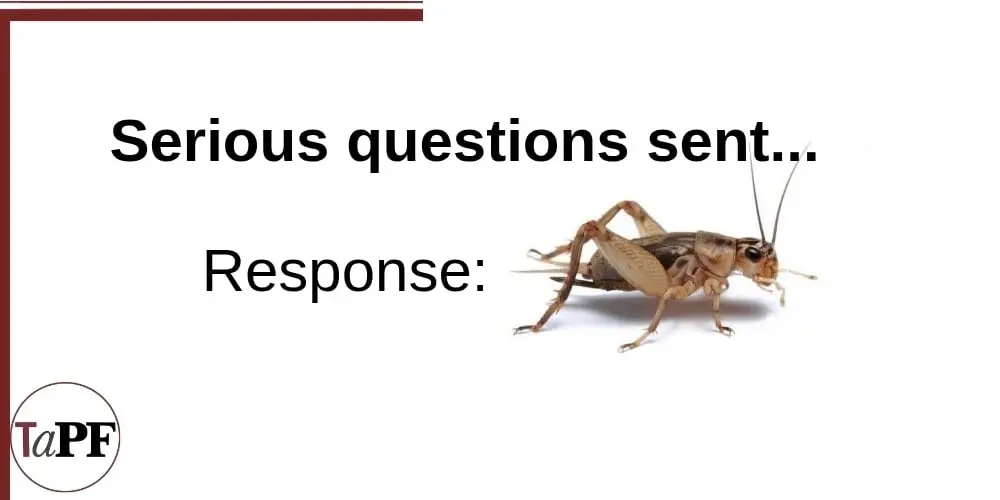
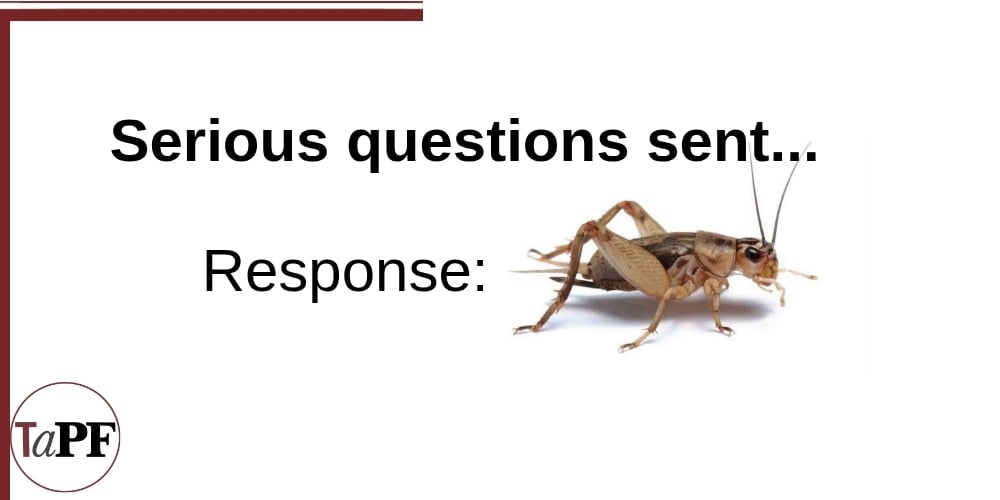
Throughout these interactions, official correspondence from the FDA’s Center for Veterinary Medicine has remained minimal, relying primarily on automated redirects or closed administrative loops.

Official Statement from CVM Administrative Desk (AskCVM)
When pressed on the regulatory impact of the expired FDA-AAFCO Memorandum of Understanding and its effect on modernized label standards, the agency issued the following statement:
"Thank you for contacting FDA’s Center for Veterinary Medicine (CVM). We would refer you to: https://www.fda.gov/animal-veterinary/animal-food-feeds/fda-letter-stakeholders-acknowledgment-expiring-fda-aafco-mou in response to your inquiry."
When advocates pointed out that the hyperlinked document contained no regulatory position or guidance regarding the Pet Food Label Modernization framework, the CVM issued its final written position:
"We would refer you to our previous response."
Analysis of the Agency’s Regulatory Position
The agency’s formal stance—as derived from its response to the 2022 Citizen Petition—is anchored in regulatory discretion. The FDA maintains that enforcement priorities must be allocated based on immediate acute safety threats rather than technical misbranding or graphic labeling inaccuracies.
However, consumer rights organizations contend that by systematically ignoring administrative inquiries and taking 1,333 days to process statutory petitions, the CVM is exercising administrative avoidance rather than active risk prioritization.
Future Outlook
The persistent refusal of the FDA to address structural labeling contradictions and zoonotic disease vectors is reshaping the landscape of pet food advocacy and regulation.
Key Emerging Developments:
-
Escalation of Administrative Law Appeals:
Following the FDA’s failure to act on the Petition for Reconsideration within the requested 45-day window, advocacy groups are evaluating administrative remedies under the Administrative Procedure Act (APA), which empowers courts to compel agency action unlawfully withheld or unreasonably delayed. -
State-Level Regulatory Divergence:
With the dissolution of the FDA-AAFCO MOU and the absence of clear federal implementation guidelines for Pet Food Label Modernization, individual state departments of agriculture may begin implementing disparate enforcement standards. This state-by-state fragmentation could force major manufacturers to revise packaging regionally or adopt higher baseline transparency standards. -
Demands for Legislative Oversight:
Consumer protection organizations are preparing briefing materials for congressional oversight committees. The primary goal is to audit the CVM’s execution of its statutory obligations under the FD&C Act, specifically examining its petition response timelines and the transparency of its public health alert systems.
As consumer scrutiny around pet food integrity continues to grow, advocacy groups such as TruthaboutPetFood.com and the Association for Truth in Pet Food affirm that they will continue to log formal administrative inquiries, track agency non-responsiveness, and pursue legal and legislative avenues to compel transparency in the pet food industry.