
Executive Overview
In the unpredictable landscape of animal rescue, certain bonds defy all conventional expectations, transcending the ordinary parameters of human-animal companionship. The narrative of Wallace—a feline born with a congenital heart defect—and his human companion, Nikki, is a profound testament to resilience, mutual healing, and the boundless capacity of love in the face of terminal prognoses. When Nikki first welcomed Wallace into her home, veterinary assessments dictated a sobering reality: the kitten’s enlarged heart would likely claim his life within six months. Rather than shrinking from this devastating timeline, Nikki committed herself to transforming Wallace’s remaining days into a masterclass of comfort, joy, and uncompromising affection.
Coincidentally, Nikki was navigating her own harrowing battle with cancer, undergoing grueling treatments during a period marked by profound personal vulnerability. In an extraordinary twist of fate, the cat she had intended to comfort became her own steadfast anchor. Wallace’s quiet presence, devoid of human complexity yet rich in steady reassurance, offered Nikki a vital lifeline through her darkest hours.
Their mutual endurance not only defied early medical predictions but also captured the attention of animal welfare media, ultimately culminating in literary immortality. Released on September 15, 2026, by Scholastic and penned by award-winning children’s author Aubre Andrus in partnership with The Dodo, Wallace’s Story brings this remarkable chronicle to readers ages 8 through 12. This comprehensive piece explores the chronology of their journey, the symbiotic nature of their healing, the broader implications of foster care and feline cardiology, and the enduring legacy of a cat whose physical heart was too large, yet whose spirit proved even greater.
Detailed Chronology: From a Bleak Prognosis to Shared Survival
The Diagnosis and the Decision to Love
The journey began when Wallace entered Nikki’s life as a kitten. Even in his earliest weeks, it was evident that he was exceptional, though not without severe medical challenges. A thorough veterinary examination revealed a congenital cardiac anomaly: Wallace’s heart was significantly enlarged, a condition that severely compromised his long-term viability. The prognosis delivered to Nikki was unambiguous and heartbreaking—she was told to prepare for a brief journey lasting approximately half a year.
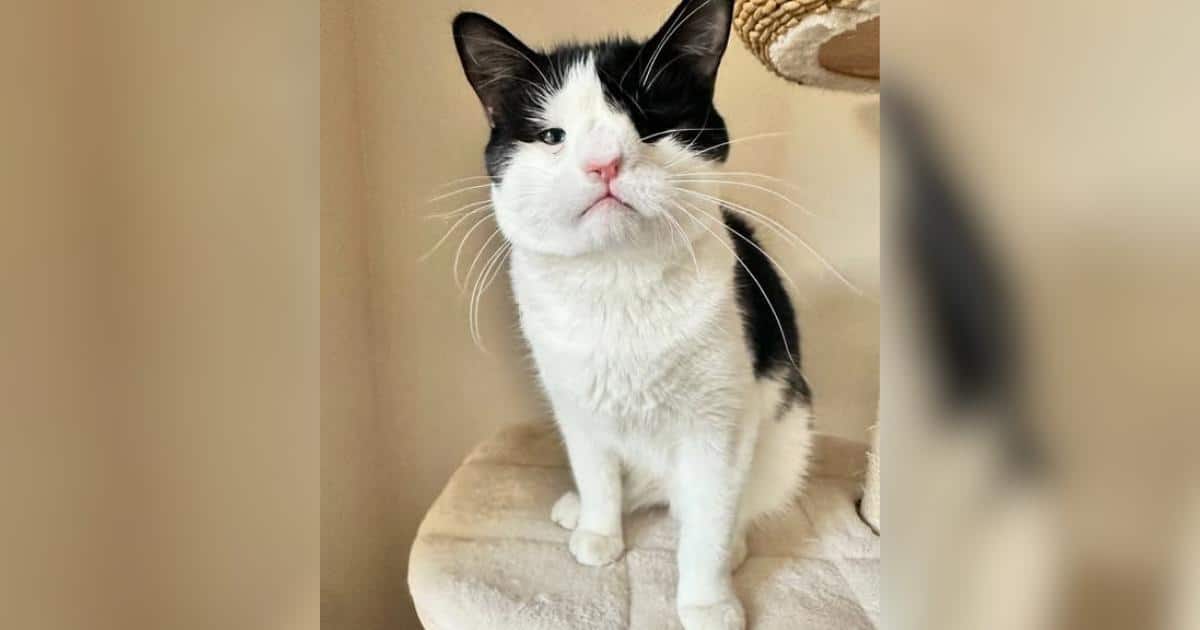
Faced with the reality of a terminal diagnosis, Nikki was confronted with a choice familiar to many foster parents and animal rescuers: whether to shield her heart from the inevitable grief of impending loss or to dive headfirst into compassionate care. Choosing the latter, Nikki established a philosophy that would govern the remainder of their time together. She decided that Wallace’s life, however brief it might be, would be measured not by its duration, but by its quality.
Crafting a Life of Luxury and Exploration
Determined to maximize Wallace’s comfort, Nikki curated an environment tailored entirely to his happiness. His days were filled with specialized treats, gentle caresses, and moments of quiet companionship that anchored him in security. Recognizing that his heart condition precluded the strenuous activity of a typical healthy cat, Nikki innovated new ways to safely incorporate him into the world.
Using specialized pet stroller rides, she introduced Wallace to the sights, sounds, and scents of the outdoors. These excursions allowed him to experience the stimulation of the outside world without compromising his delicate cardiovascular limits. Every stroll, every sunbeam captured on the living room floor, and every quiet evening spent resting against Nikki’s chest became an act of defiance against the shadow of his prognosis.
The Intersection of Vulnerability: Nikki’s Cancer Battle
While Wallace’s medical struggles were apparent from the start, Nikki was concurrently facing an invisible, intensely personal crisis. As she diligently managed her feline companion’s specialized needs, she received her own life-altering diagnosis: cancer.

The ensuing months brought the exhausting physical and emotional toll of oncology treatments—chemotherapy, uncertainty, fatigue, and the quiet fear that accompanies major medical interventions. During this isolating period, the dynamic within Nikki’s household shifted into a profound symbiosis. Wallace, who required constant monitoring and gentle care, became an active participant in Nikki’s recovery.
Animals possess an innate sensitivity to human distress, and Wallace appeared to intuitively understand his human’s vulnerability. He did not offer words of encouragement, but his presence was a constant, grounding force. When treatment days left Nikki depleted, Wallace remained a quiet, comforting weight beside her, mitigating the profound loneliness that so often accompanies chronic and life-threatening illnesses.
Defying the Odds
As the six-month milestone approached and passed, something extraordinary occurred. Wallace did not succumb to the heart failure predicted by his initial prognosis. Instead, supported by low-stress living, optimal nutrition, and an abundance of affection, his body stabilized. The months stretched into years, transforming what was supposed to be a fleeting foster-style hospice experience into a long-term, enduring partnership. Wallace’s resilience mirrored Nikki’s own recovery, creating a dual narrative of survival against statistical odds.
Supporting Context & Metrics: Feline Cardiology and Rescue Dynamics
To fully appreciate the magnitude of Wallace’s survival, it is essential to examine the physiological realities of feline heart conditions and the broader ecosystem of animal rescue.
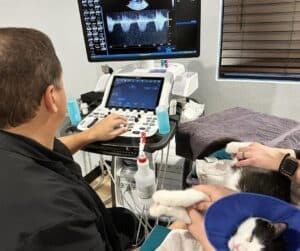
Understanding Feline Congenital Heart Disease
Heart conditions in cats are broadly categorized into congenital defects (present at birth) and acquired diseases, such as Hypertrophic Cardiomyopathy (HCM), which is the most common heart disease in felines. In cases where a kitten presents with an abnormally large heart or structural anomalies, the heart muscle must work exponentially harder to circulate blood throughout the body.
- The Mechanics of Cardiomegaly: An enlarged heart (cardiomegaly) often leads to decreased pumping efficiency, fluid buildup in the lungs (pulmonary edema), and systemic fatigue.
- Prognostic Accuracy: Veterinary prognoses for congenital heart failure in kittens are historically conservative. When a veterinarian estimates a six-month survival window, it accounts for the high risk of sudden cardiac arrest or terminal congestion.
- The Environmental Impact: While medical interventions (such as beta-blockers or diuretics) play a role, holistic care—minimizing environmental stress, ensuring optimal nutrition, and providing emotional stability—significantly impacts cardiovascular health in animals. Low-stress environments reduce circulating stress hormones like cortisol, which can otherwise exacerbate cardiac strain.
The Role of Foster Care in Animal Welfare
Wallace’s story highlights the critical, often unsung work of foster caregivers within the animal rescue community. Thousands of animals with terminal illnesses, genetic defects, or severe injuries enter shelters annually. Without specialized foster programs, many of these animals would face immediate euthanasia due to resource constraints.
- Hospice Fostering: Programs dedicated to "fospice" (foster hospice) animals ask humans to open their homes to pets with limited lifespans, providing them with dignity and love during their final chapters.
- The Human-Animal Bond: Research consistently demonstrates that caring for vulnerable animals yields profound psychological benefits for humans, including reduced blood pressure, lower anxiety levels, and enhanced emotional resilience during personal crises. Nikki and Wallace’s story serves as an extreme, beautiful manifestation of this bidirectional healing phenomenon.
Official Statements and Literary Adaptation
The extraordinary nature of Wallace and Nikki’s journey eventually attracted the attention of The Dodo, a prominent digital media brand celebrated for highlighting inspiring animal rescue stories. Through their platform, millions of viewers were introduced to the cat with the oversized heart and his resilient human.
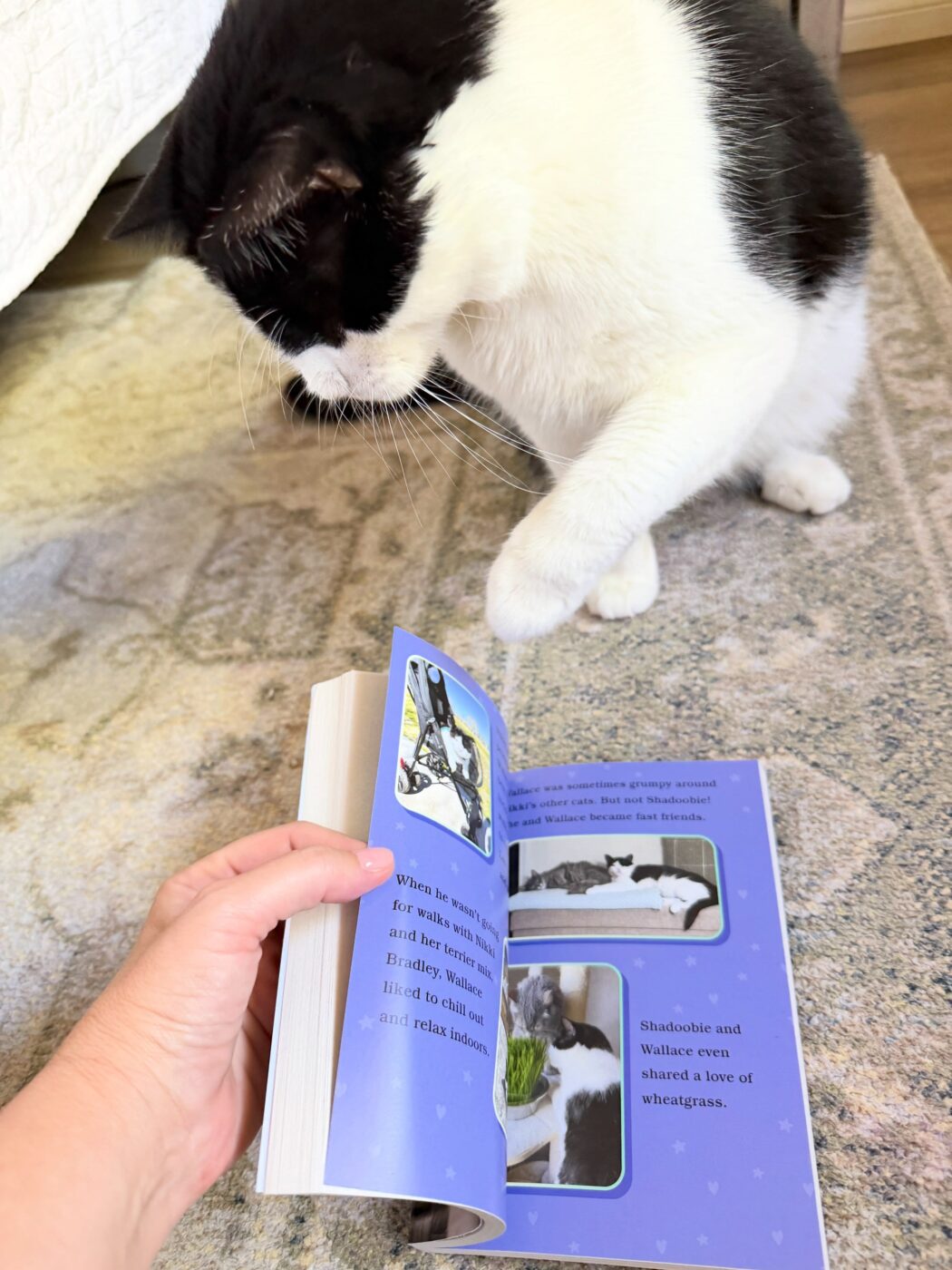
This media exposure caught the attention of Scholastic and award-winning children’s author Aubre Andrus, who recognized the narrative’s immense value for young readers. The result of this collaboration is Wallace’s Story (The Dodo), a 192-page children’s book published on September 15, 2026, targeted at readers between the ages of 8 and 12.
Book Structure and Educational Value
Wallace’s Story is designed to be both an emotionally resonant narrative and an educational tool for young minds:
- The Narrative Arc: The book chronicles Wallace’s entry into Nikki’s care, the shocking revelation of his cardiac anomaly, and Nikki’s unwavering resolve to curate a joyful existence for him.
- Broader Themes of Animal Welfare: Beyond a simple biography, the book introduces young readers to the concepts of animal fostering, rescue operations, and the ethical responsibilities humans hold toward vulnerable creatures.
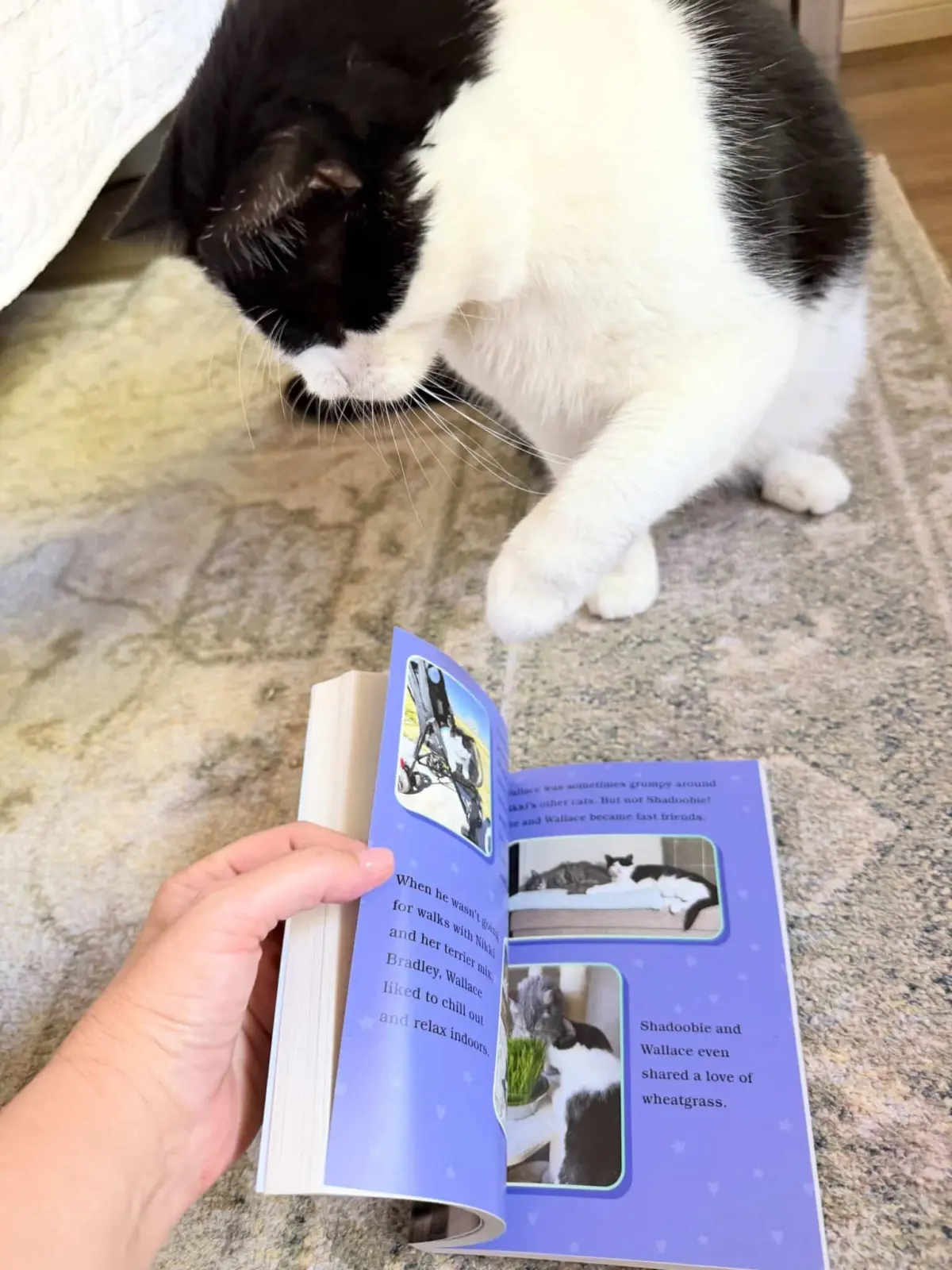
- Visual Documentation: To bridge the gap between fiction and reality, the book features an eight-page full-color photo insert, showcasing the real Wallace, his stroller adventures, and his life with Nikki.
Reflecting on the publication, Nikki expressed awe at how a cat who was once given only months to live had inspired an entire literary work capable of reaching a new generation of animal advocates.
Future Outlook: A Legacy Carved in Empathy
As Wallace’s Story circulates in classrooms, libraries, and homes across the globe, the legacy of this remarkable feline extends far beyond the walls of the home where his journey began. The book ensures that Wallace’s physical limitations do not define his narrative; instead, they serve as a vehicle to teach empathy, dedication, and the transformative power of compassionate care.
Key Takeaways for the Future of Animal Advocacy
- Redefining Quality of Life: Wallace’s longevity challenges the medical community and pet owners alike to focus on enrichment and emotional well-being alongside clinical prognoses.
- Expanding Fospice Awareness: By introducing middle-grade readers to the realities of foster care and terminal animal care, the book plants the seeds for the next generation of compassionate rescuers.
- The Enduring Human-Animal Bond: The mutual survival of Nikki and Wallace remains a powerful reminder that humans and animals frequently rescue one another in ways that defy clinical logic.
Ultimately, Wallace was born with a heart that was physically too large for his tiny frame, yet that biological anomaly proved to be a fitting metaphor for his life. He held enough love to not only sustain his own improbable survival but to comfort a human in crisis and, ultimately, inspire a story that will touch the hearts of countless readers for years to come.