
Executive Overview
Every cat owner knows the phenomenon: the moment a can tab is pulled or a treat pouch is crinkled across the house, a previously dormant pet suddenly materializes in the kitchen as if transported through a wormhole. While felines are universally recognized for their selective and sometimes aloof relationship with food, certain breeds elevate snack-seeking to an art form. Combining extraordinary sensory acuity, robust metabolisms, and outsized personalities, these breeds possess an uncanny radar for nourishment.
According to breed standard profiles maintained by the Cat Fanciers’ Association (CFA) and The International Cat Association (TICA), the most athletic and high-energy cat breeds—including the Bengal, Abyssinian, Oriental Shorthair, Egyptian Mau, and Savannah—are fundamentally built for intense activity levels. These active breeds typically require 20 to 30 minutes of structured play twice daily to maintain physiological equilibrium.
However, a critical intersection exists between high physical output and intense food motivation. Veterinary organizations, such as the Cornell Feline Health Center, emphasize that when high-energy cats miss their daily exercise quotas, their innate food motivation can quickly tip into overeating and subsequent weight gain. This comprehensive report investigates the biological, behavioral, and nutritional dynamics of the cat world’s premier "snack trackers," examining how ancestry, metabolism, and sensory perception converge at the food bowl.
Detailed Chronology and Evolutionary Context
To understand why certain modern cat breeds display such ravenous enthusiasm for mealtime, one must examine the evolutionary chronology of the domestic cat (Felis catus) and the specific historical breeding practices that shaped high-performance lineages.
The Wild Ancestry of High-Energy Breeds
Thousands of years ago, ancestral felines relied on relentless persistence hunting to secure sustenance. In the wild, survival depended on acute hearing, sharp vision, and rapid caloric expenditure. While domestic couch potatoes have largely traded the hunt for the bowl, several modern breeds retain strong genetic ties to wild felid species:
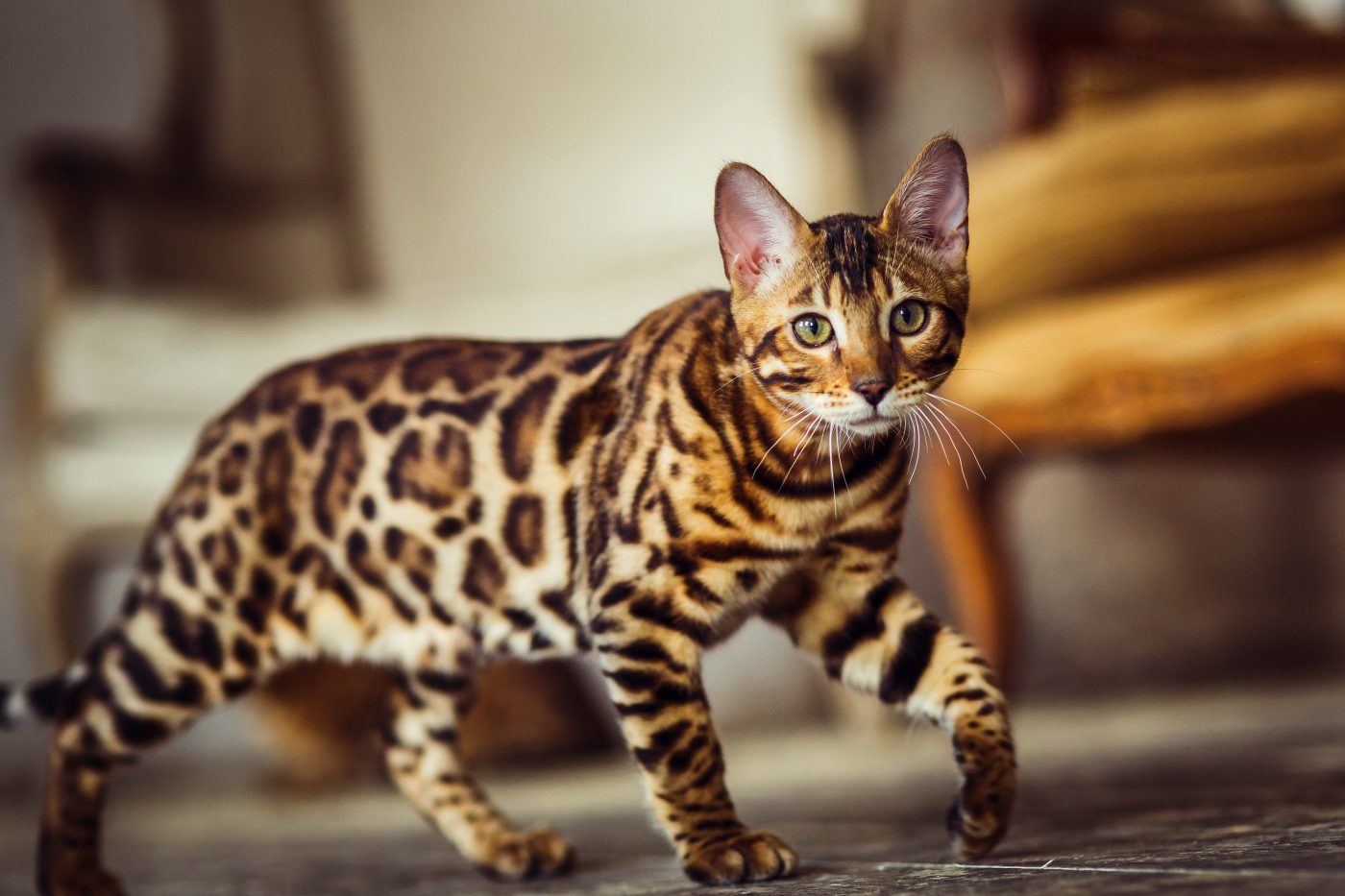
- The Bengal and Savannah: These hybrid breeds trace their lineage directly to wild cats—specifically the Asian leopard cat (Prionailurus bengalensis) and the serval (Leptailurus serval). These wild foundations instilled a physiological blueprint designed for constant movement, territorial scaling, and opportunistic hunting. Consequently, their caloric requirements and mental drive for stimulation remain vastly higher than the average housecat.
- The Abyssinian and Oriental Shorthair: Developed through meticulous breeding programs that prioritized sleek, agile physiques and heightened responsiveness, these breeds possess nervous systems tuned to rapid environmental changes, including the faint acoustic frequencies of a pantry door opening.
The Domestication Shift and Modern Feeding Behaviors
As felines transitioned from working barn cats to indoor companion animals, their access to ad-libitum prey was replaced by scheduled meals served by human caretakers. Breeds with high basal metabolic rates—such as the hairless Sphynx, which burns significant energy merely maintaining core body temperature—quickly learned to associate human kitchen activity with survival. Over decades of selective breeding, these traits solidified into predictable behavioral patterns: intense vocalization, counter-surfing, and persistent shadowing of human handlers during meal preparation.
Supporting Context & Metrics: The Science of Feline Appetite and Energy
Navigating the nutritional needs of high-energy, food-motivated cats requires an understanding of veterinary metrics and behavioral science.
Energy Expenditure vs. Caloric Intake
Veterinary nutritionists evaluate feline diets based on Resting Energy Requirement (RER) and Maintenance Energy Requirement (MER). While a sedate adult cat requires a lower MER multiplier, highly active breeds like Bengals, Abyssinians, and Savannahs operate on higher energetic baselines.
- The Play-to-Meal Connection: CFA and TICA guidelines emphasize that high-energy breeds require 20 to 30 minutes of structured play twice daily. Engaging in predatory sequence play (stalking, chasing, catching, killing, and eating) satisfies psychological needs. When this outlet is denied, boredom-induced foraging behaviors emerge, frequently manifesting as relentless begging.
- The Overeating Risk: According to the Cornell Feline Health Center, failure to match daily meals to actual energy expenditure is a primary driver of feline obesity. Because high-energy breeds are inherently food-motivated, owners often misinterpret active solicitation as true physiological hunger, leading to chronic overfeeding.
Sensory Radar: How Cats Track Food
A cat’s ability to "teleport" into the kitchen isn’t magic; it is the result of specialized evolutionary adaptations:
- Acoustic Superiority: A cat’s external ears (pinnae) can rotate 180 degrees, powered by over thirty muscles, allowing them to isolate the specific frequency of a plastic bag crinkling or a metal can opening from across a multi-story home.
- Olfactory Power: While inferior to dogs, a cat’s sense of smell is still vastly superior to a human’s, enabling them to detect trace lipid and protein molecules in sealed containers.
Breed Profiles: The Ultimate Snack Trackers
A diverse cross-section of the feline kingdom exhibits these heightened food-seeking traits, spanning wild-derived athletes, fluffy giants, and vocal dynamos.
1. Siamese
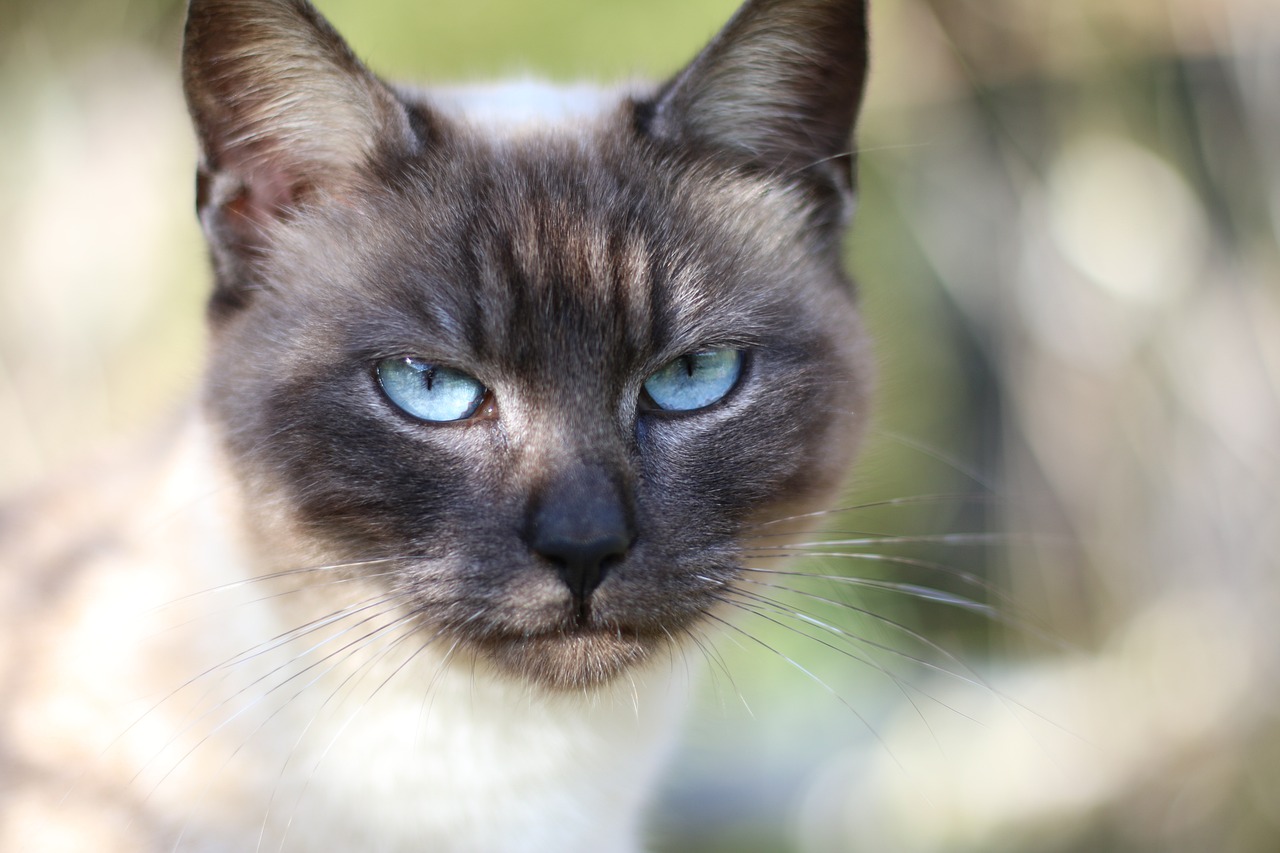
Vocal, highly social, and fiercely intelligent, the Siamese possesses a sharp sensory apparatus that registers kitchen activity long before food hits the bowl. Renowned for their distinctive vocalizations, these sleek companions have zero tolerance for delayed schedules and will loudly voice their expectations.
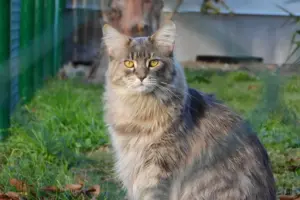
2. Maine Coon
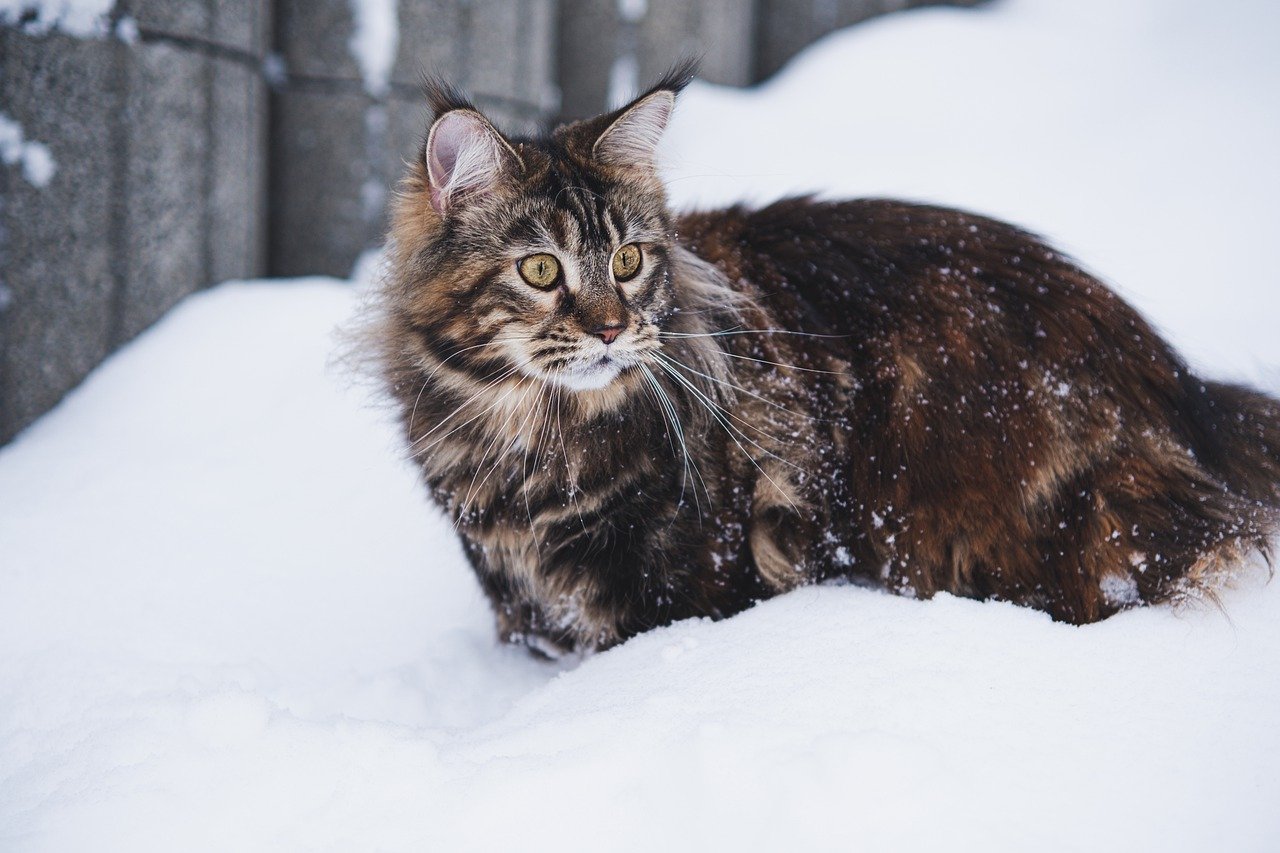
As one of the largest domestic cat breeds, the gentle giant Maine Coon carries a robust appetite to match its physical stature. Sensitive hearing combined with an inquisitive nature makes them expert kitchen supervisors, utilizing gentle chirps and trills to encourage faster service.
3. Bengal
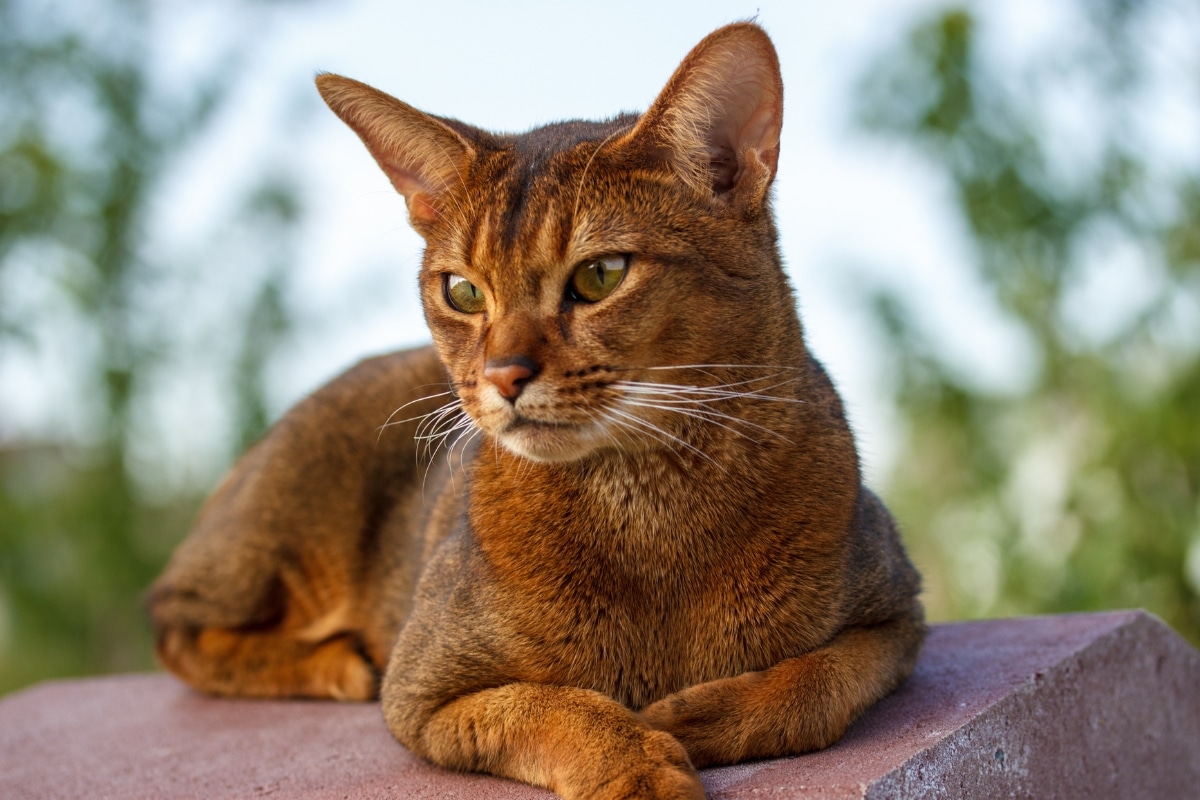
Carrying the genetic legacy of the Asian leopard cat, Bengals treat mealtime like a high-stakes mission. Their extraordinary athletic ability allows them to scale cabinets and leap onto high counters if they suspect food is unattended, requiring strict dietary management to balance their high caloric burn.
4. Ragdoll
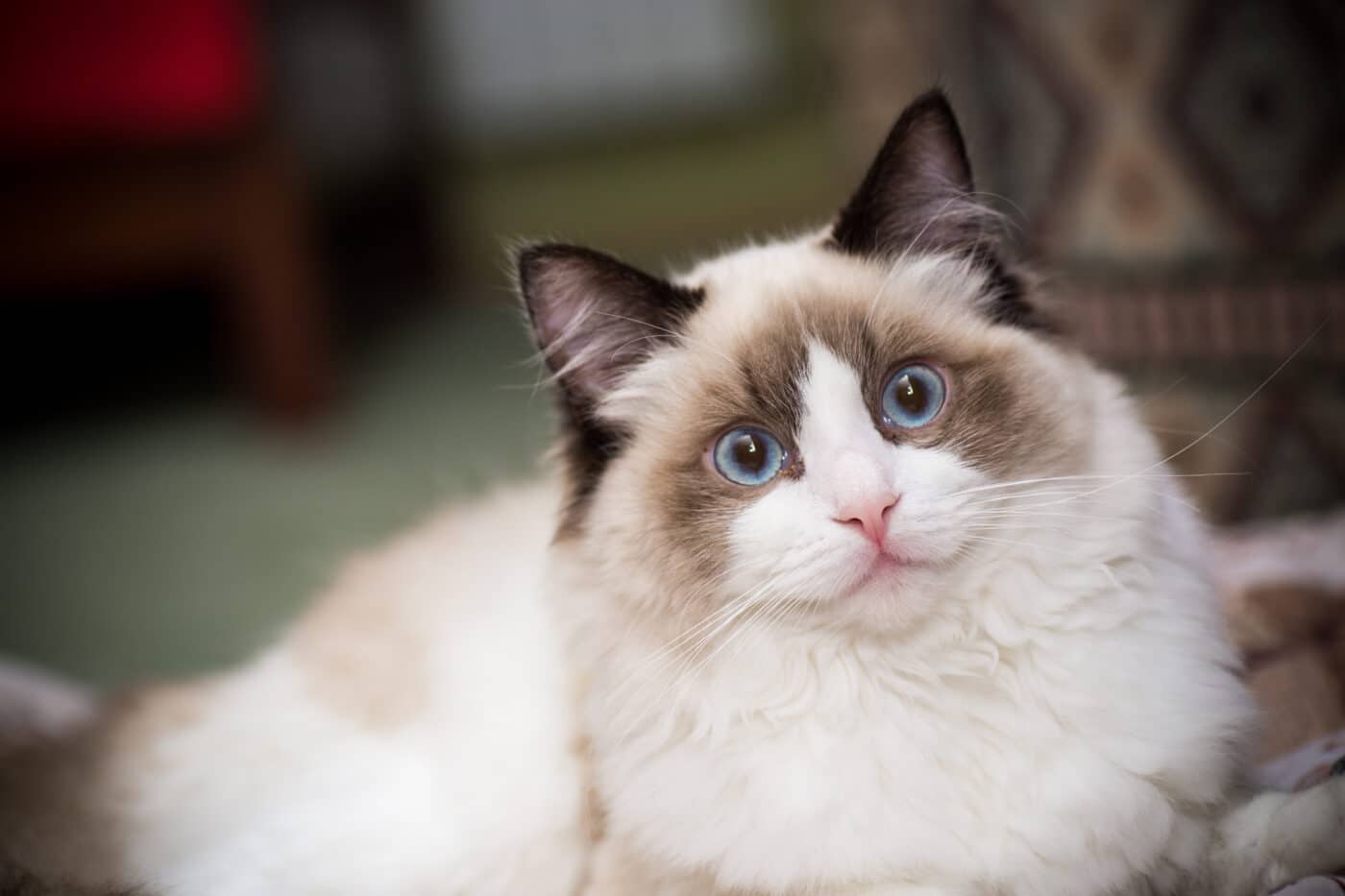
Though famously laid-back and docile, Ragdolls undergo an immediate transformation when food is near. Their soft, persistent nudges and gentle presence make them masters of emotional persuasion at the dinner hour.
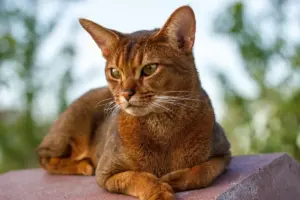
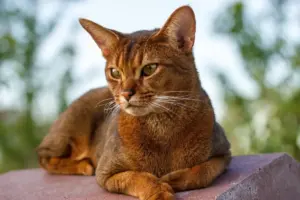
5. Abyssinian
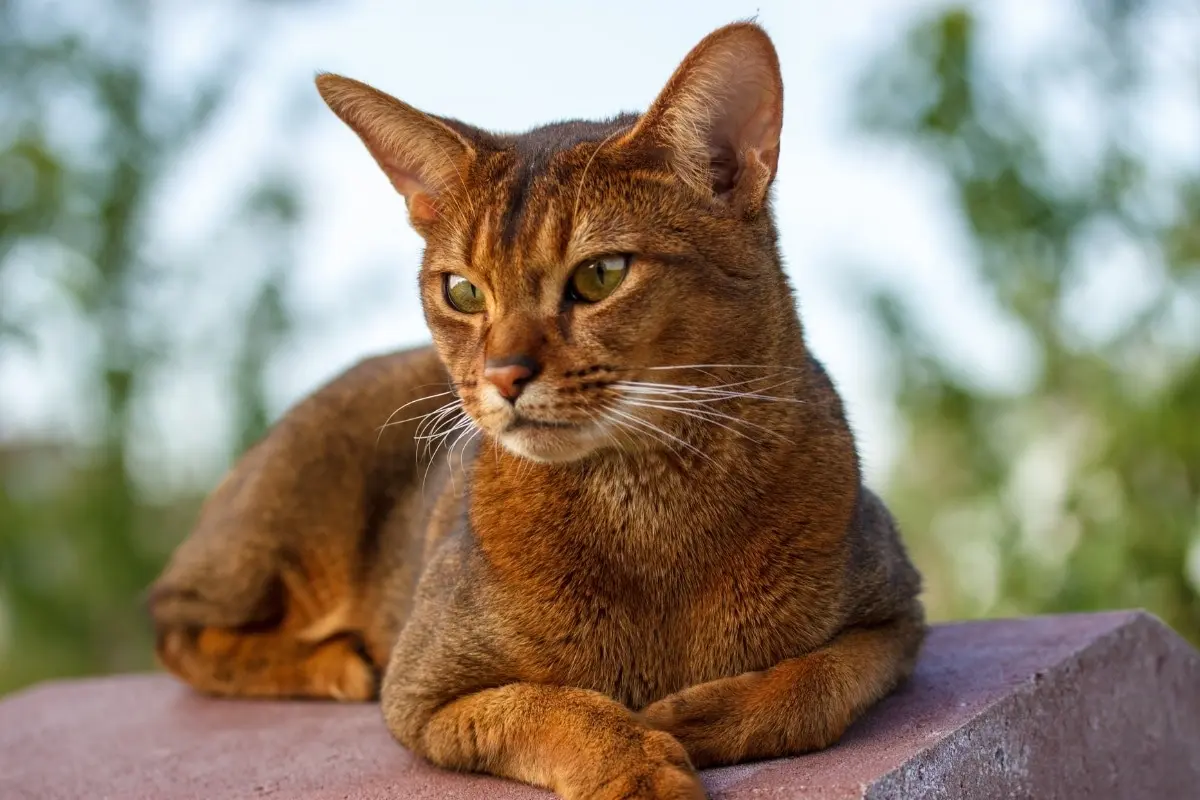
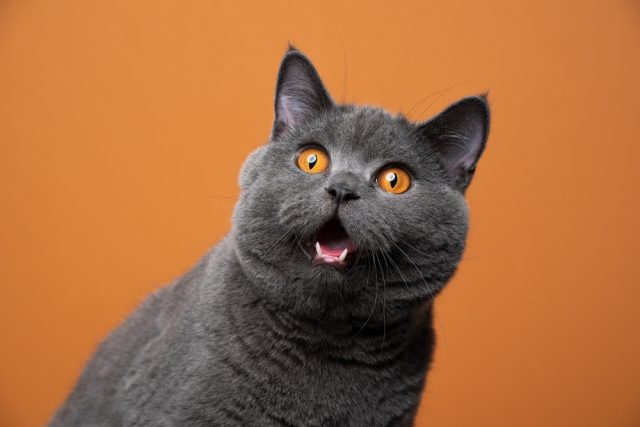
An explorer by nature, the Abyssinian is perpetually in motion. Their high-energy lifestyle demands substantial fuel, driving them to investigate every culinary sound with lightning-fast reflexes.
6. British Shorthair
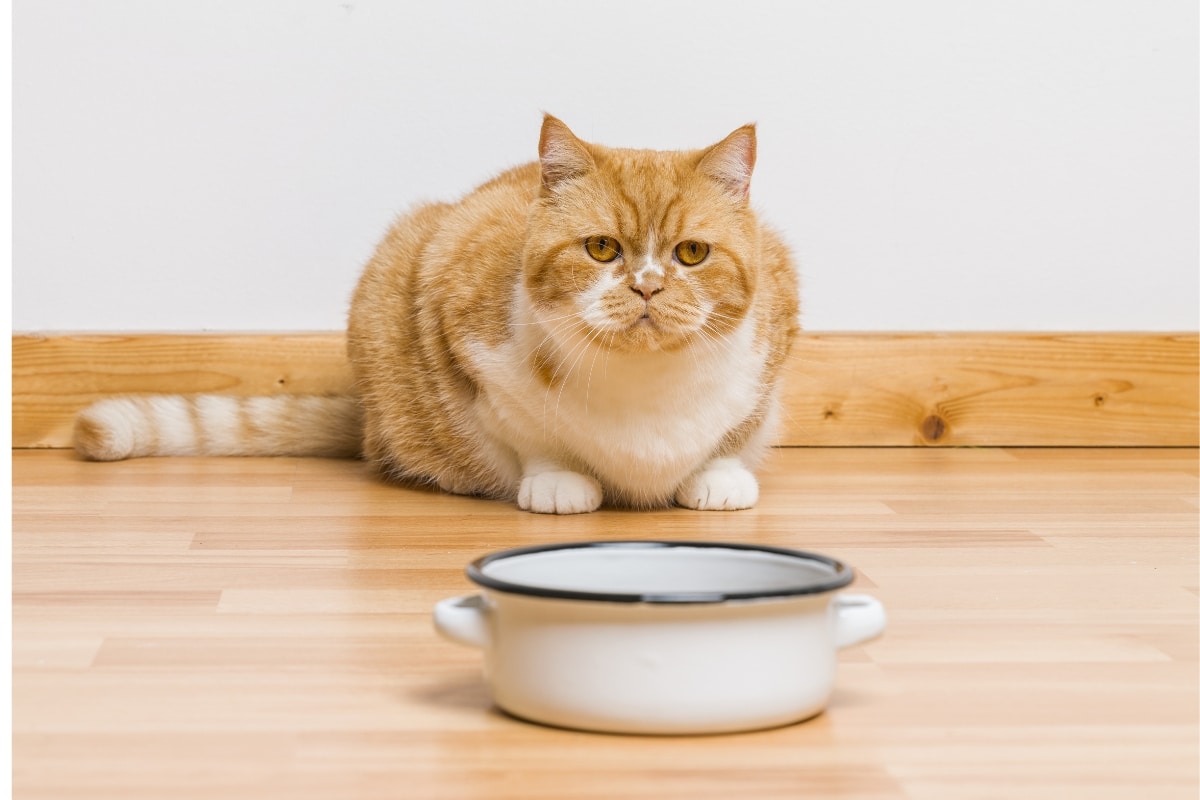
Dignified yet resolute, the British Shorthair employs a strategy of quiet endurance. While they generally avoid erratic counter-jumping, their unblinking stare and calm persistence at the base of the food bowl ensure their demands are met.
7. Oriental Shorthair
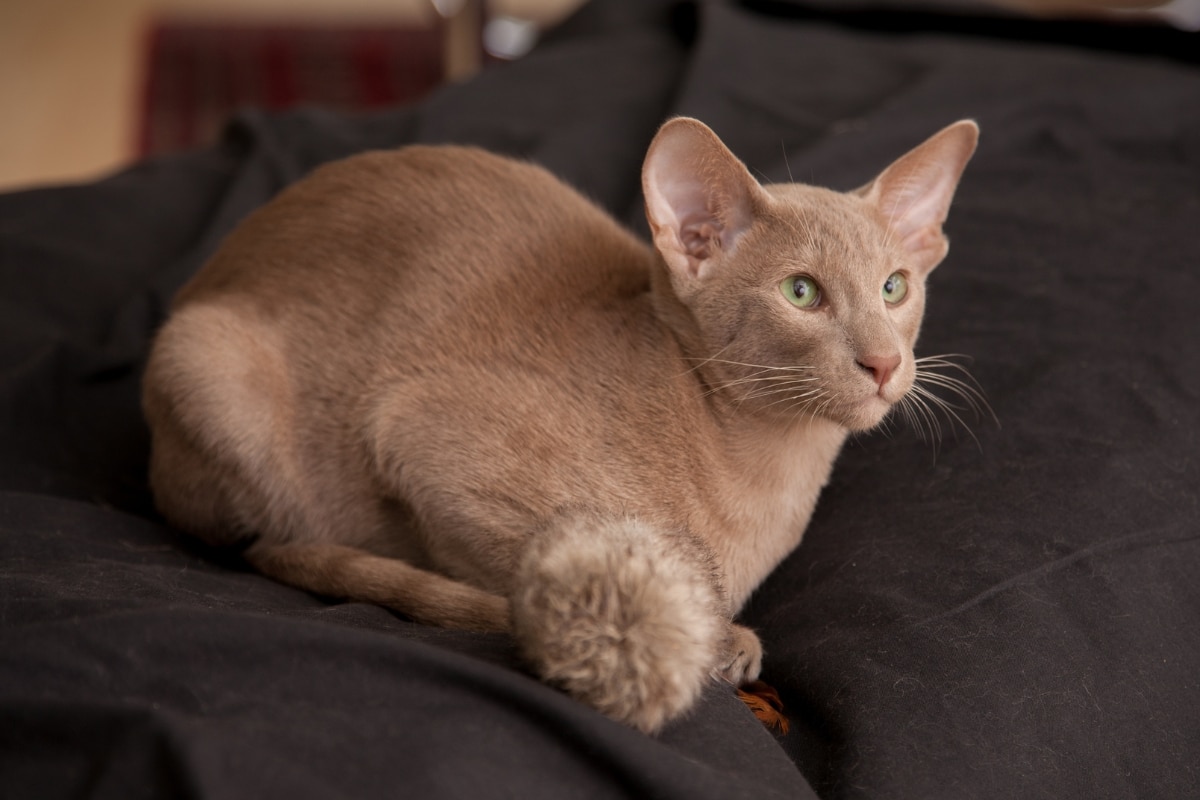
Sleek, expressive, and famously vocal, the Oriental Shorthair treats mealtime as a theatrical performance. Their exceptional hearing and dramatic vocal patterns guarantee that human handlers receive loud, frequent reminders of approaching mealtimes.
8. Sphynx
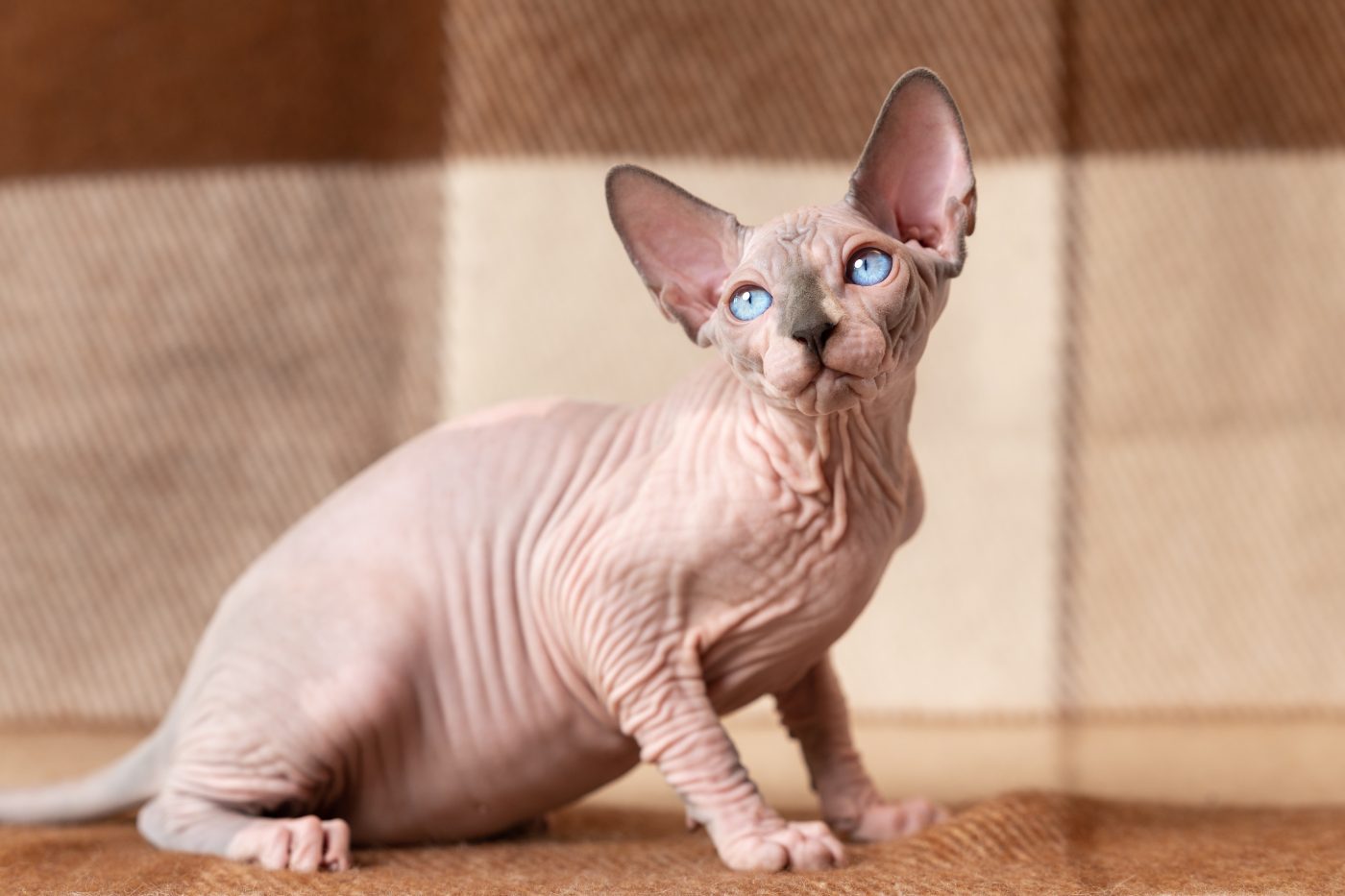
Lacking a coat of fur, the hairless Sphynx expends continuous metabolic energy to regulate its body temperature. This physiological reality translates into a perpetual state of hunger, making them swift arrivals whenever food preparation begins.
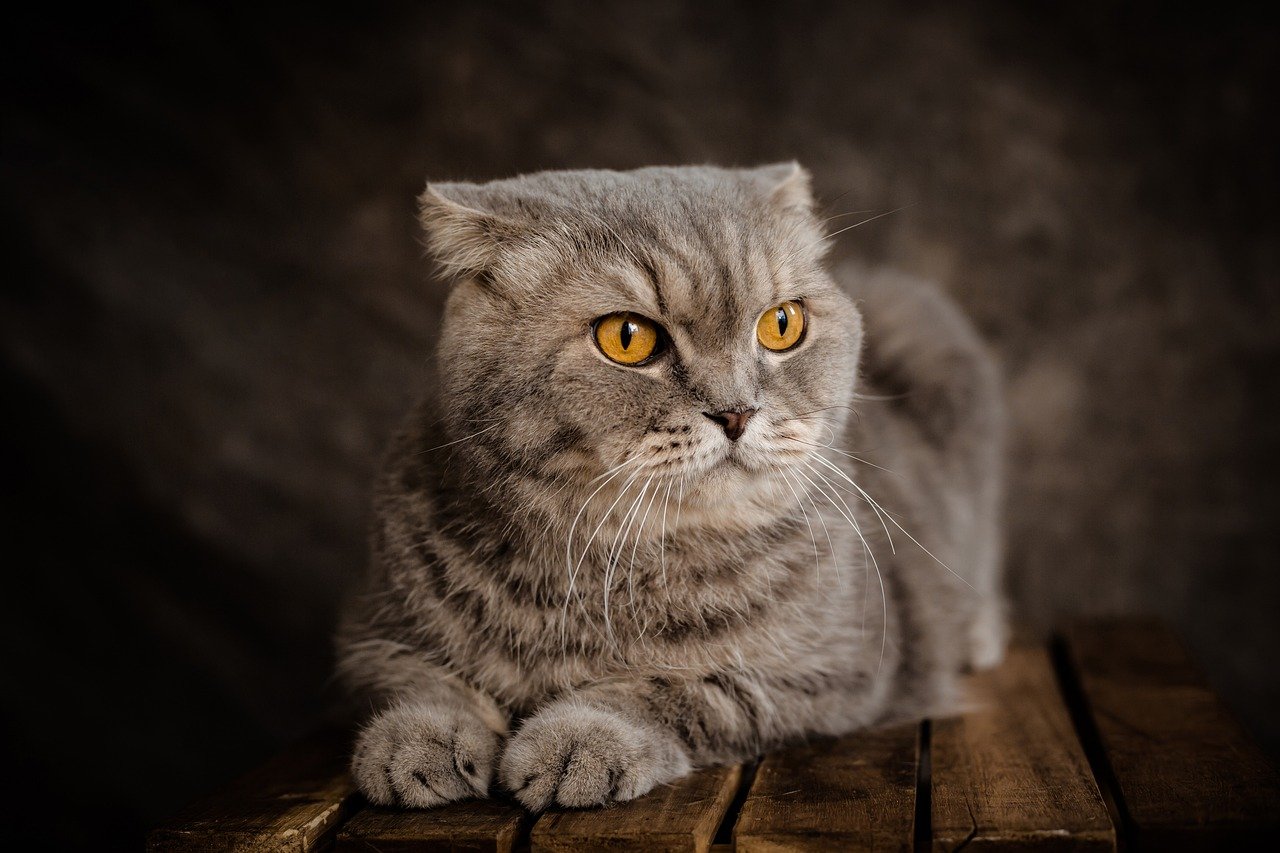
9. Scottish Fold
Characterized by folded ears and rounded features, Scottish Folds combine physical charm with unwavering patience—up to a point. They will track the sound of a can opener and sit quietly, but delayed service unlocks a formidable guilt-inducing gaze.
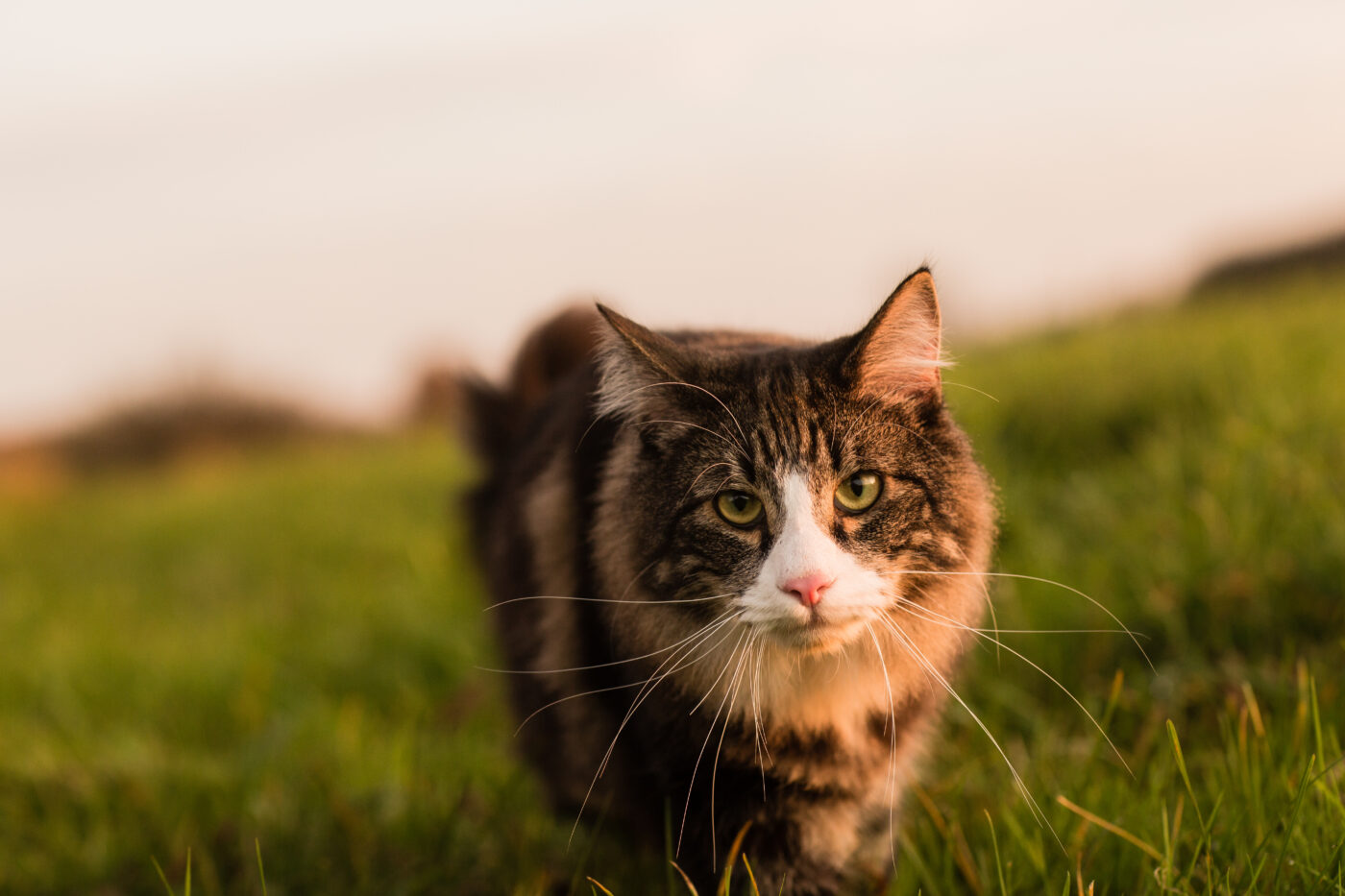
10. Norwegian Forest Cat
Built to thrive in harsh, cold climates, the Norwegian Forest Cat is a powerful hunter disguised in luxurious fur. Their observant nature ensures they miss nothing happening in the kitchen, appearing swiftly when cans are opened.
11. Persian
Persians exude an air of aristocratic elegance, but their refined tastes extend directly to gourmet rations. Fine-tuned ears alert them to kitchen cues, allowing them to glide into the room like royalty anticipating a banquet.
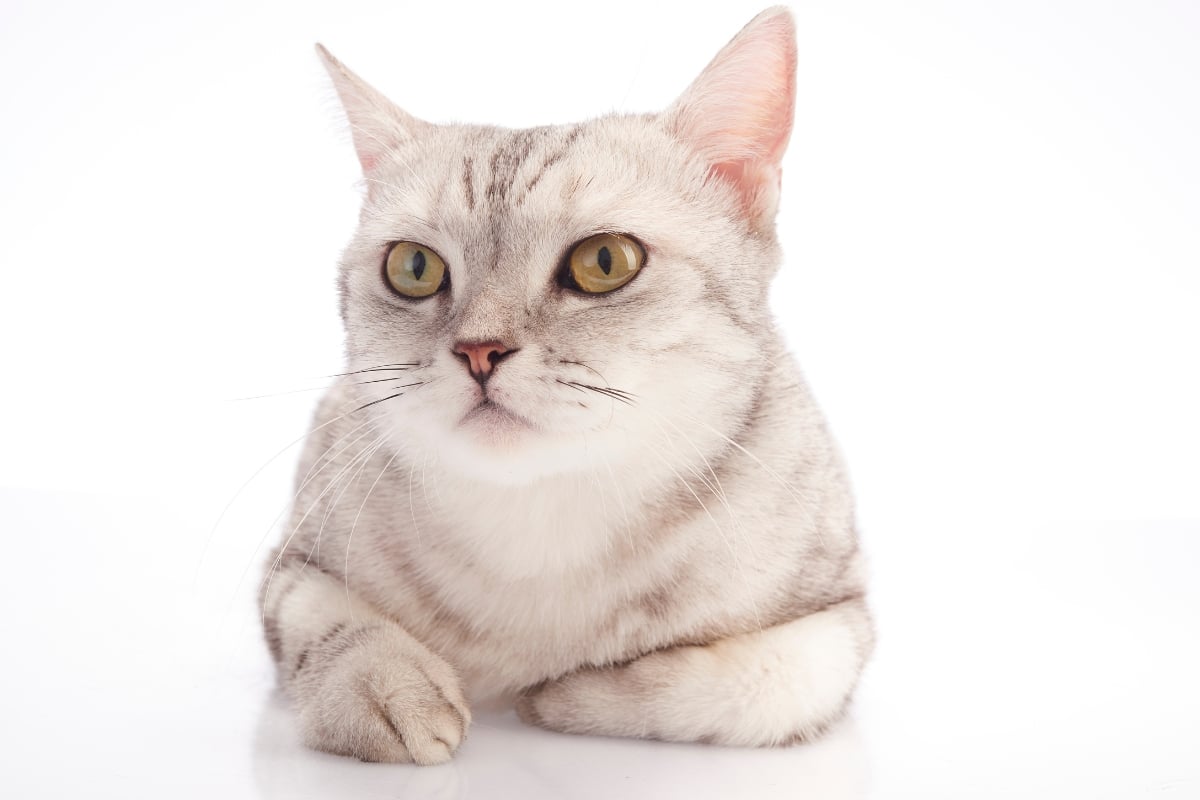
12. American Shorthair
Pragmatic, robust, and low-maintenance, the American Shorthair conserves energy until food is introduced. Once snack time arrives, they transition seamlessly into efficient food-seeking machines, parking themselves calmly by the bowl.
13. Burmese
Bold, affectionate, and relentlessly playful, Burmese cats view mealtime as an interactive social event. They shadow human companions throughout the day, driven by a deep attachment to both their people and the snack drawer.
Official Statements and Expert Guidance
Veterinary behaviorists and feline welfare organizations continually stress the importance of structured routines for high-drive breeds.
"When dealing with highly athletic and food-motivated breeds, the challenge is twofold: providing adequate environmental enrichment to burn mental and physical energy, and establishing strict nutritional boundaries to prevent obesity," notes a leading feline dietary consultant associated with veterinary health institutions. "Owners must view food not merely as fuel, but as a tool for behavioral engagement through puzzle feeders, foraging mats, and interactive play sessions."
Breed registries such as the CFA and TICA reinforce that understanding a cat’s breed-specific heritage is the cornerstone of successful husbandry. Recognizing that a Bengal or Abyssinian is acting out of evolutionary instinct rather than mere greed allows owners to redirect high-energy behaviors into positive outlets.
Future Outlook
As our understanding of feline behavioral genomics and nutritional science advances, the management of food-motivated cat breeds is poised for significant innovation. Future trends in pet care point toward personalized feline nutrition tailored to specific metabolic types, as well as smart-home feeding technology designed to slow down rapid eaters and provide cognitive stimulation.
For cat lovers who share their homes with these high-radar snack trackers, the reality remains unchanged: whether through the dramatic serenade of an Oriental Shorthair or the silent, persistent vigil of an American Shorthair, these remarkable felines will continue to master the art of the mealtime reminder. Balancing their boundless enthusiasm with structured play and precise veterinary oversight ensures that these energetic companions live long, healthy, and well-fed lives.