Every cat owner is familiar with the phenomenon: you can be fast asleep in a distant bedroom, muffled behind closed doors and white noise, yet the moment a can opener catches the lip of a pull-tab or a treat bag crinkles in the kitchen, your cat materializes. It is as if they possess an uncanny, almost supernatural ability to detect food across spatial dimensions.
While pop culture attributes this behavior to mysterious feline telepathy, animal behaviorists and veterinary experts point to a much more grounded reality: acute biological design. According to breed standard profiles maintained by the Cat Fanciers’ Association (CFA) and The International Cat Association (TICA), certain feline lineages are hardwired with hyper-sensitive auditory faculties, relentless prey drives, and high metabolic demands.
The most athletic and active cat breeds—such as the Bengal, Abyssinian, Oriental Shorthair, Egyptian Mau, and Savannah—are veritable endurance machines. Built for high activity levels, these breeds typically require 20 to 30 minutes of structured play twice a day. However, a critical issue arises when these expectations aren’t met: if you skip a daily play session, a high-energy breed’s intense food motivation can quickly tip into overeating and subsequent weight gain. This danger is precisely why veterinary organizations, such as the Cornell Feline Health Center, continually emphasize the critical importance of strictly matching daily caloric intake to an individual cat’s actual activity level.
This comprehensive investigation explores the biological, evolutionary, and behavioral mechanisms driving the feline "snack radar," providing an in-depth look at the specific breeds that treat mealtime not as a routine daily event, but as a high-stakes mission.
Detailed Chronology & Evolutionary Drivers: From Wild Predator to Kitchen Supervisor
To understand why modern domestic cats possess such laser-focused radar for food, one must trace the evolutionary timeline of the feline species (Felis catus).
The Ancestral Blueprint
Pre-Domestication (Approx. 10,000+ years ago): Early wild ancestors of the domestic cat operated as solitary, opportunistic hunters. In harsh natural environments, missing a meal meant starvation. Consequently, evolutionary pressures favored cats with heightened sensory apparatuses—particularly hearing capable of detecting high-frequency rodent rustling—and an insatiable drive to secure calories whenever available.
The Agricultural Revolution: As humans transitioned to farming, wild felines migrated toward grain stores to hunt mice and rats. A mutualistic relationship formed, yet the fundamental psychology of the hunter remained intact. Even generations removed from the wild, the domestic cat’s brain still operates under the chronic, low-level assumption that food is scarce and must be actively tracked.
The Advent of Selective Breeding (19th Century to Present): As cat fancy organizations formalized breed standards in the Victorian era and beyond, breeders inadvertently amplified specific traits. Breeds with wild lineage—such as the Bengal (descended from the Asian leopard cat) and the Savannah (descended from the serval)—retained the high-octane metabolisms and intense predatory focus of their wild forebears. Even non-wild hybrids were selected for traits like intense curiosity, vocalization, and high energy, directly linking physical vitality to a voracious appetite.
Supporting Context & Metrics: The Anatomy of a Food-Motivated Breed
Feline food motivation is not merely a behavioral quirk; it is underpinned by hard metrics relating to metabolism, sensory perception, and energy expenditure.
Energy Requirements and the Play-Food Feedback Loop
High-energy and athletic breeds burn massive amounts of calories. According to veterinary guidelines, breeds like Bengals, Abyssinians, and Savannahs require intense mental and physical stimulation.
Daily Exercise Benchmark: 20 to 30 minutes of structured, high-intensity play, twice daily.
The Metabolic Trap: When owners fail to provide this stimulation, boredom sets in. Because food represents the ultimate environmental enrichment and dopamine trigger in a captive environment, these under-stimulated cats redirect their surplus energy toward food-seeking behaviors.
The Veterinary Warning: The Cornell Feline Health Center warns that mismatched feeding—where a sedentary cat continues to consume calories meant for an active hunter—drastically increases the risk of feline obesity, diabetes, and joint degradation.
Below is an examination of the primary breeds renowned for their radar-like snack detection and bottomless appetites:
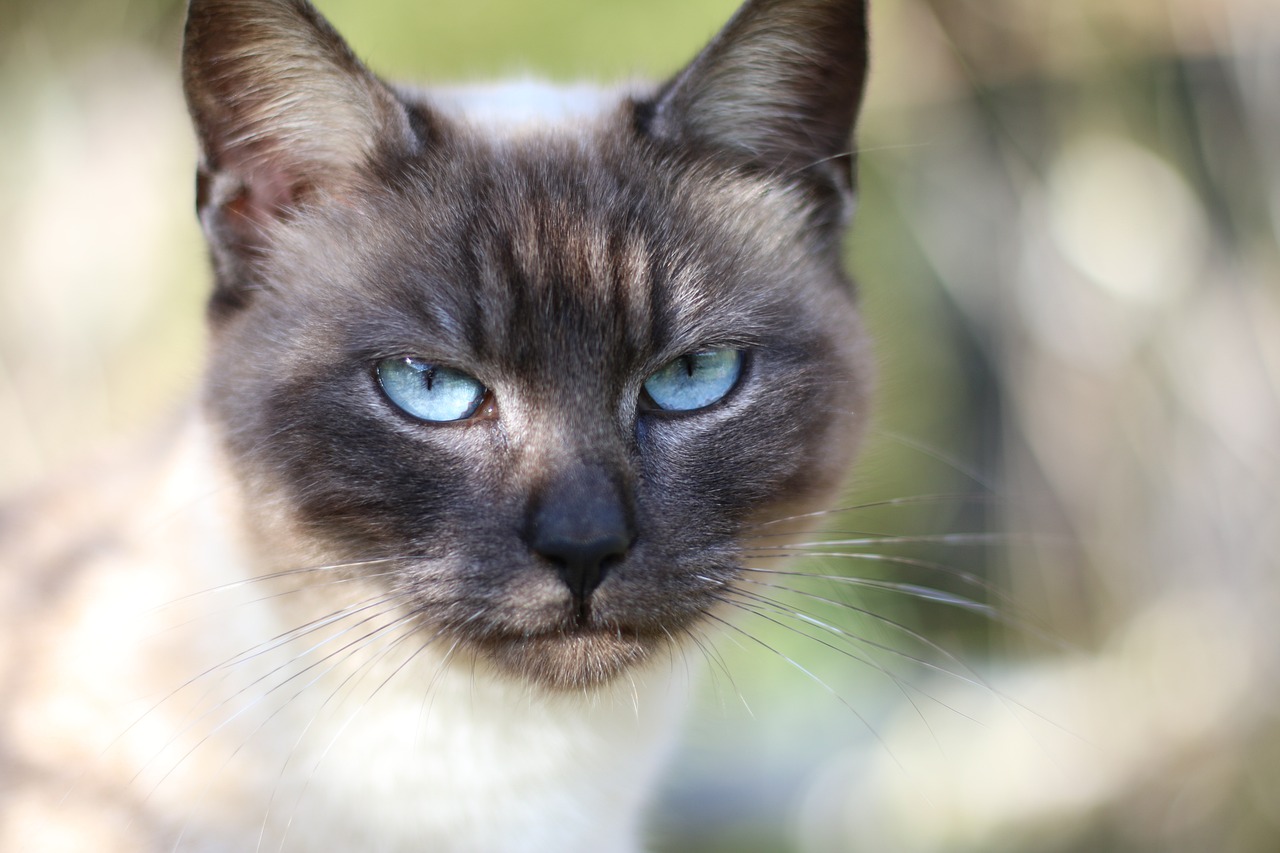
1. Siamese
Profile: Vocal, intensely social, and razor-sharp.
The Snack Connection: Siamese cats possess an extraordinary vocal range and a relentless need for interaction. Their heightened auditory senses mean they can distinguish the sound of a refrigerator door opening or a kibble container shifting from across the house. They will voice their demands loudly and immediately, pairing their mealtime requests with an overwhelming desire for physical affection.
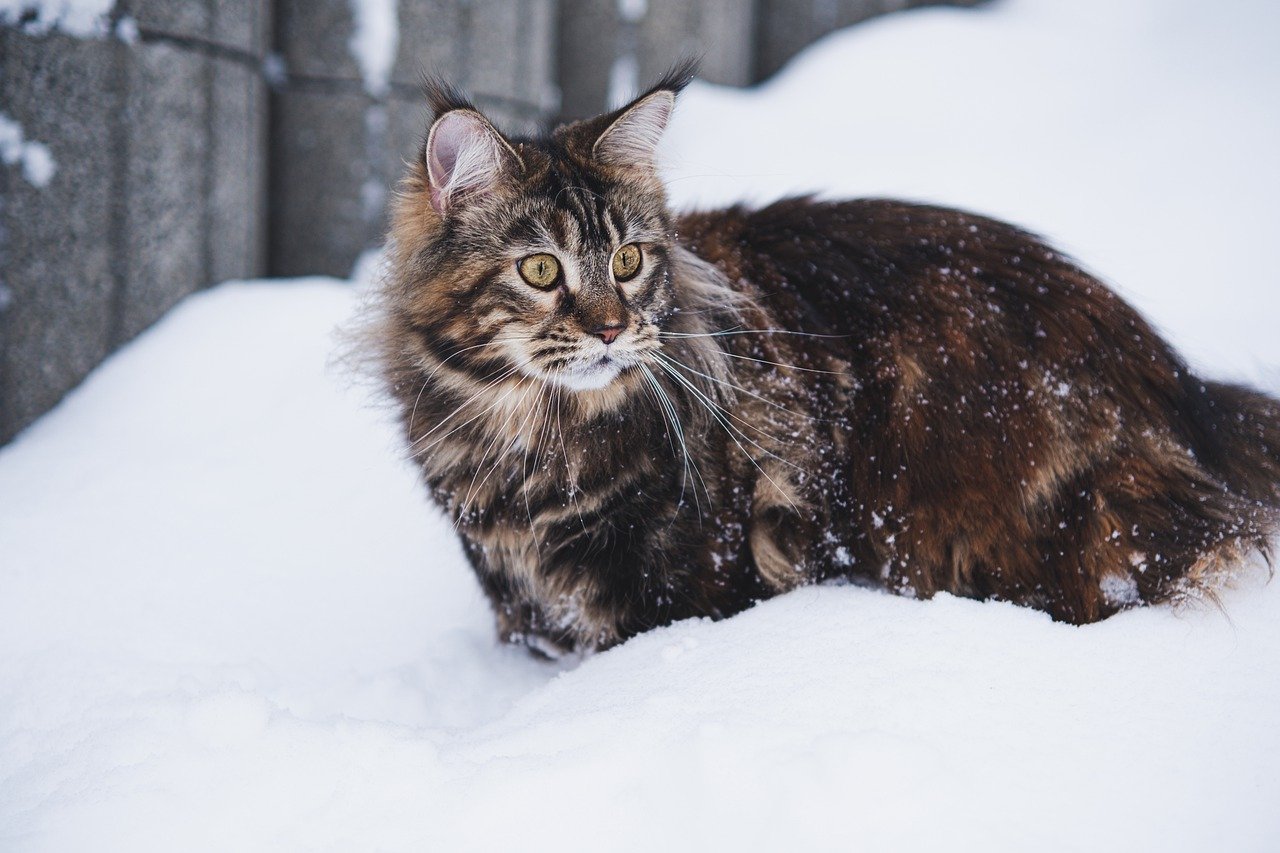
2. Maine Coon
Profile: The gentle giant of the cat fancy, characterized by impressive size, shaggy coats, and dog-like friendliness.
The Snack Connection: Due to their massive physical frame, Maine Coons require substantial caloric intake to maintain muscle mass. They are famous for shadowing their human companions from room to room, acting as enthusiastic "kitchen assistants" whenever food preparation is underway.
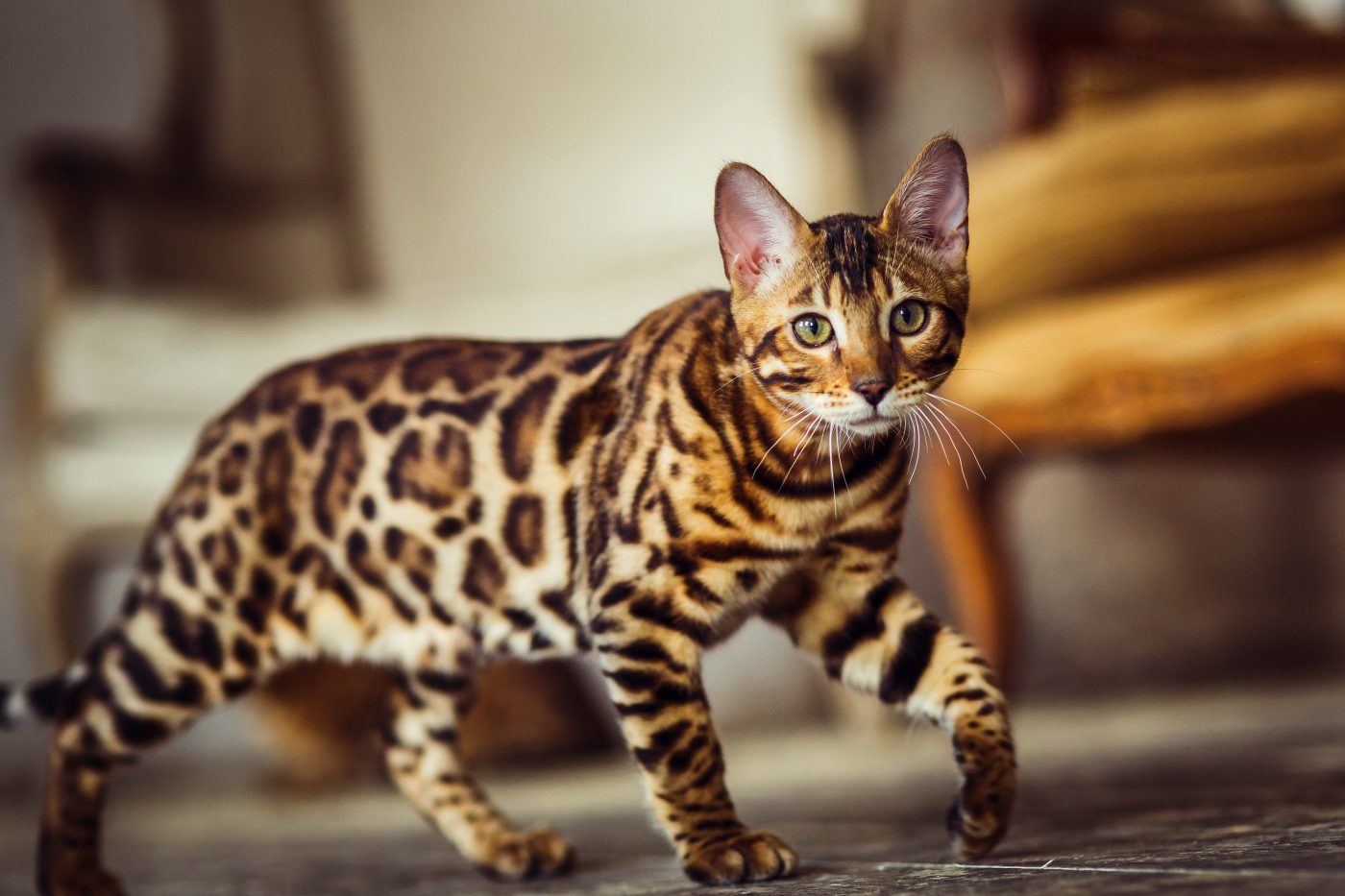
3. Bengal
Profile: Athletic, muscular, and sporting distinct wild-cat markings.
The Snack Connection: Carrying the DNA of the Asian leopard cat, Bengals are natural-born explorers. Their high-octane energy drives them to scale kitchen cabinets, leap onto refrigerators, and investigate counters. They treat mealtime like an expedition, utilizing their superior vertical reach to bypass standard human barriers.
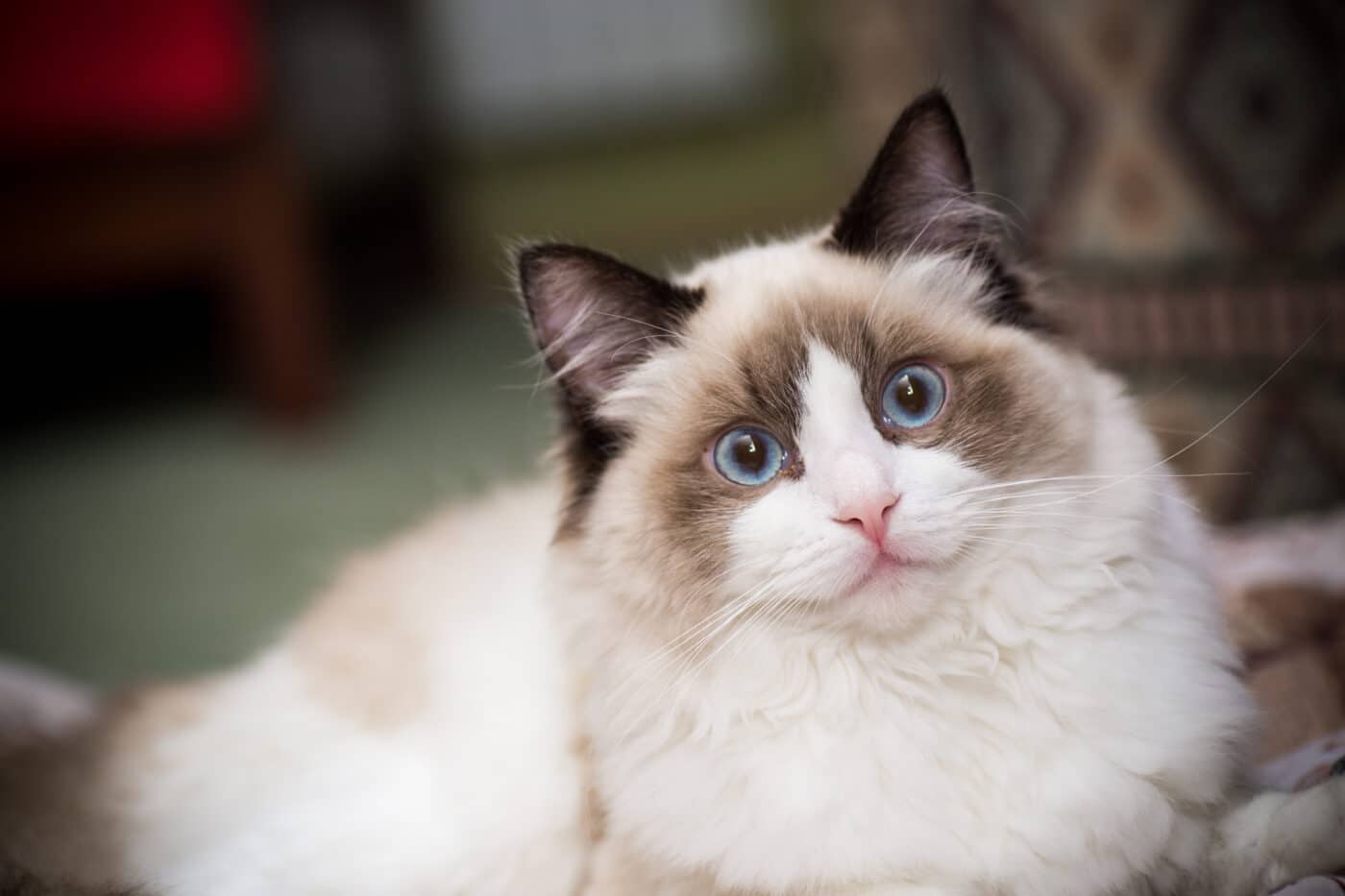
4. Ragdoll
Profile: Docile, large-bodied, and famously floppy when held.
The Snack Connection: Don’t let their laid-back reputation fool you. Ragdolls are deeply observant and keenly aware of kitchen schedules. While they may not scale cabinets like a Bengal, they employ a strategy of gentle persistence—subtly nudging hands and sitting patiently by the bowl until their humans cave to their soft gaze.
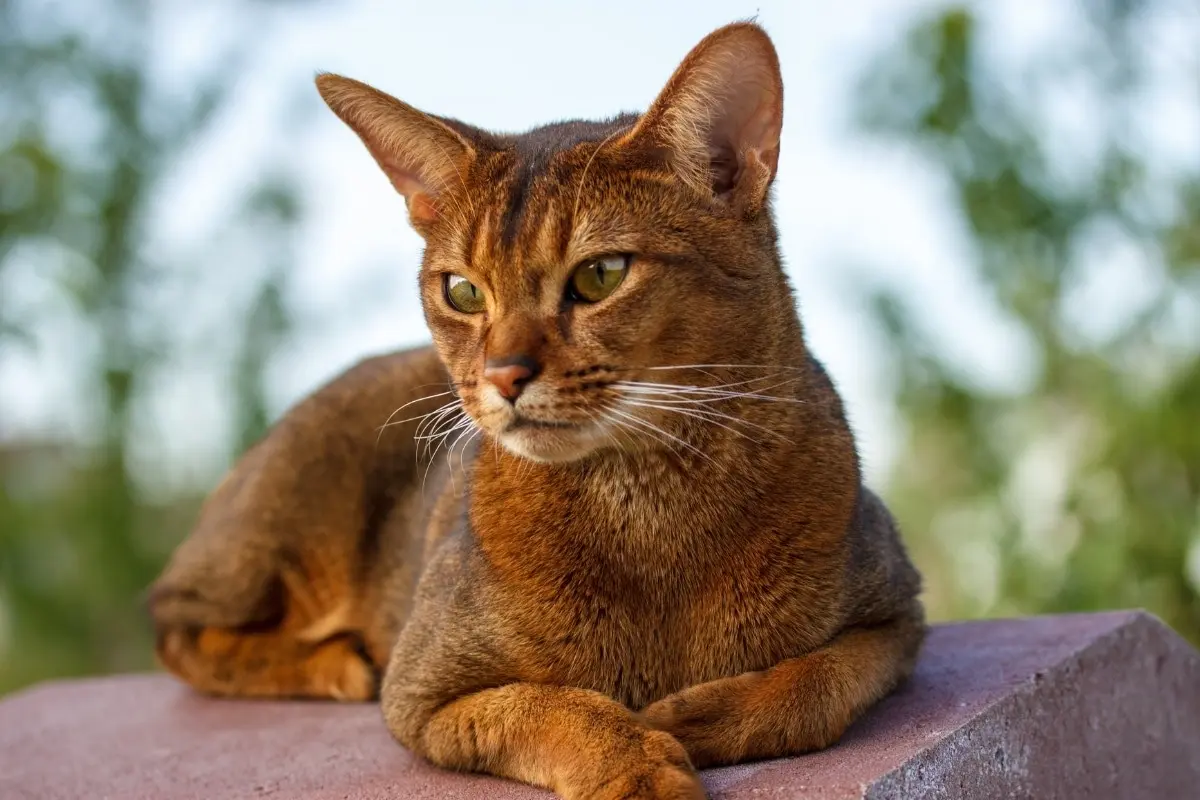
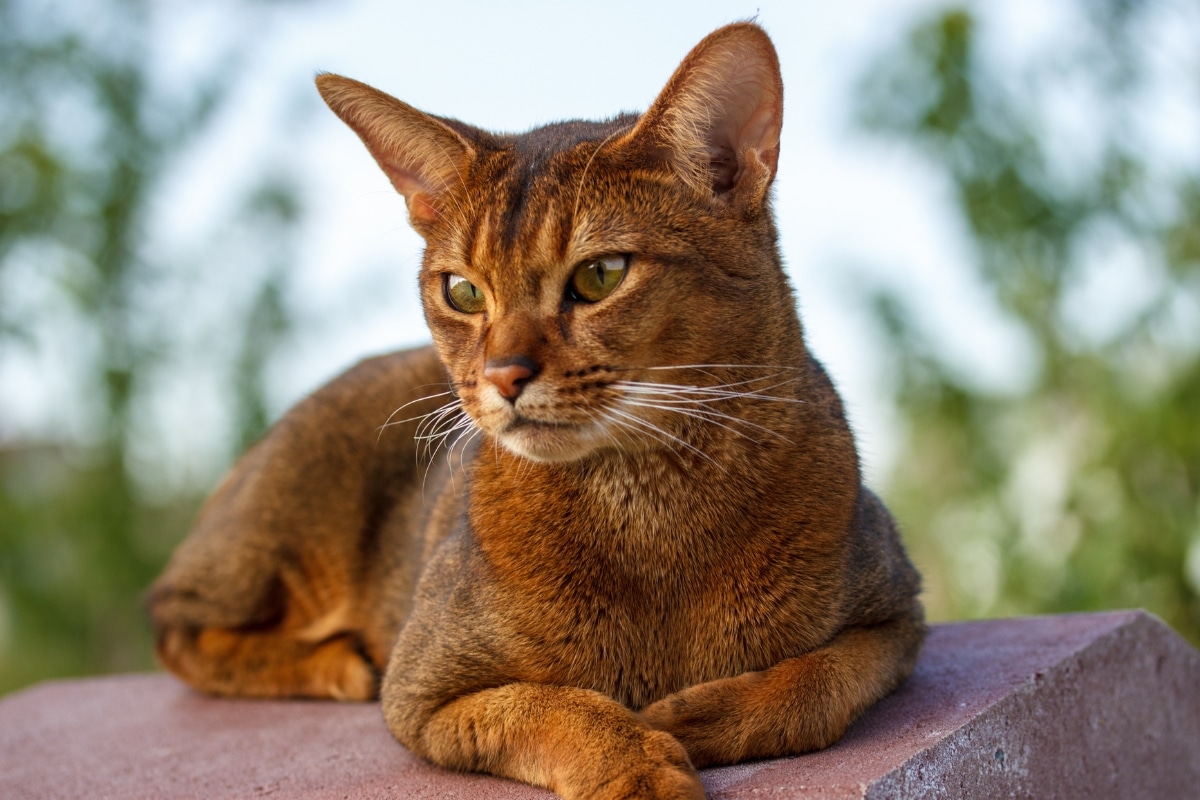
5. Abyssinian
Profile: Lithe, highly active, and frequently ranked among the most adventurous cat breeds.
The Snack Connection: Abyssinians are in constant motion. Their large ears act like radar dishes, picking up the faintest rustle of a treat bag. Lightning-fast and insatiably curious, they supervise every culinary endeavor in the household.
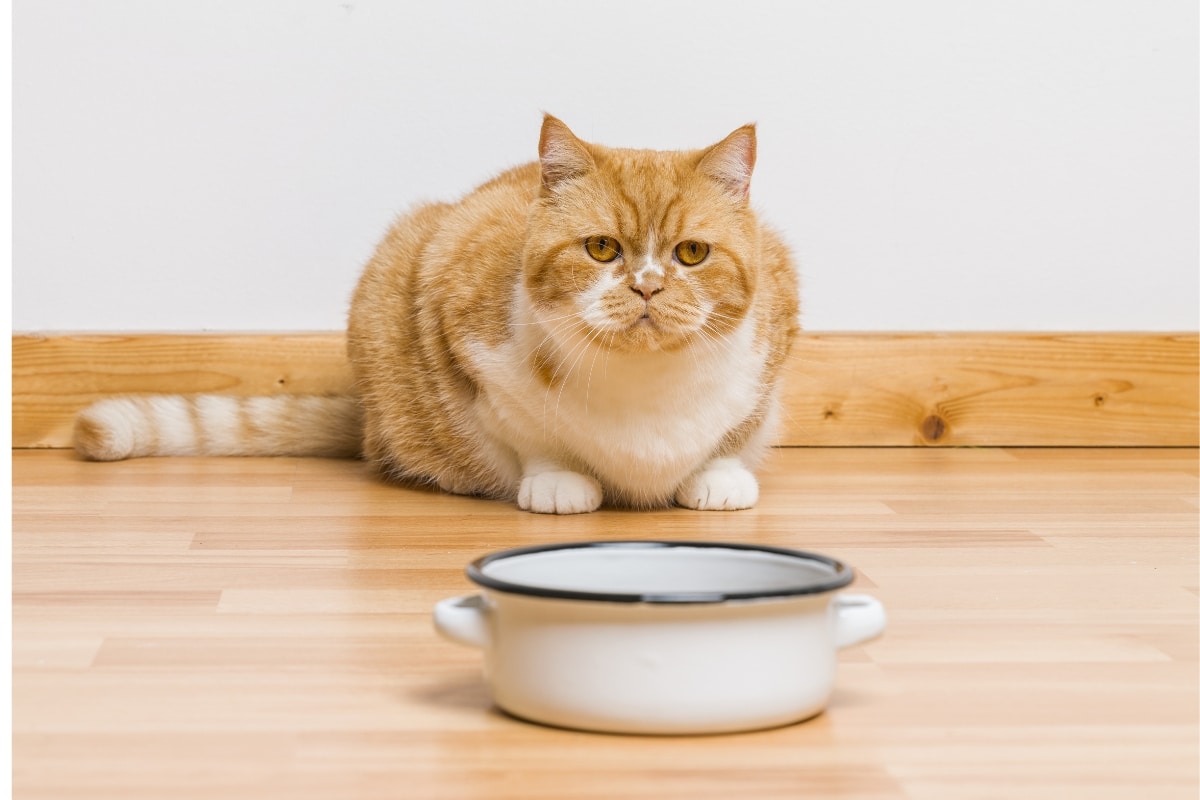
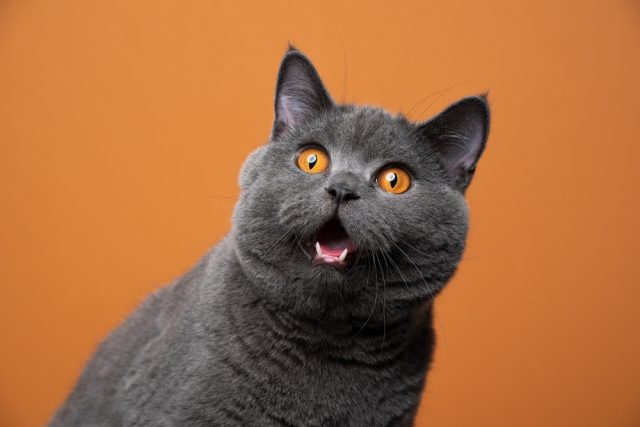
6. British Shorthair
Profile: Dignified, stocky, and calm.
The Snack Connection: While less acrobatic than their oriental counterparts, British Shorthairs possess an immovable, resolute will regarding mealtimes. They use the power of the steady, unblinking stare to communicate their expectations, ensuring no human forgets the hour.
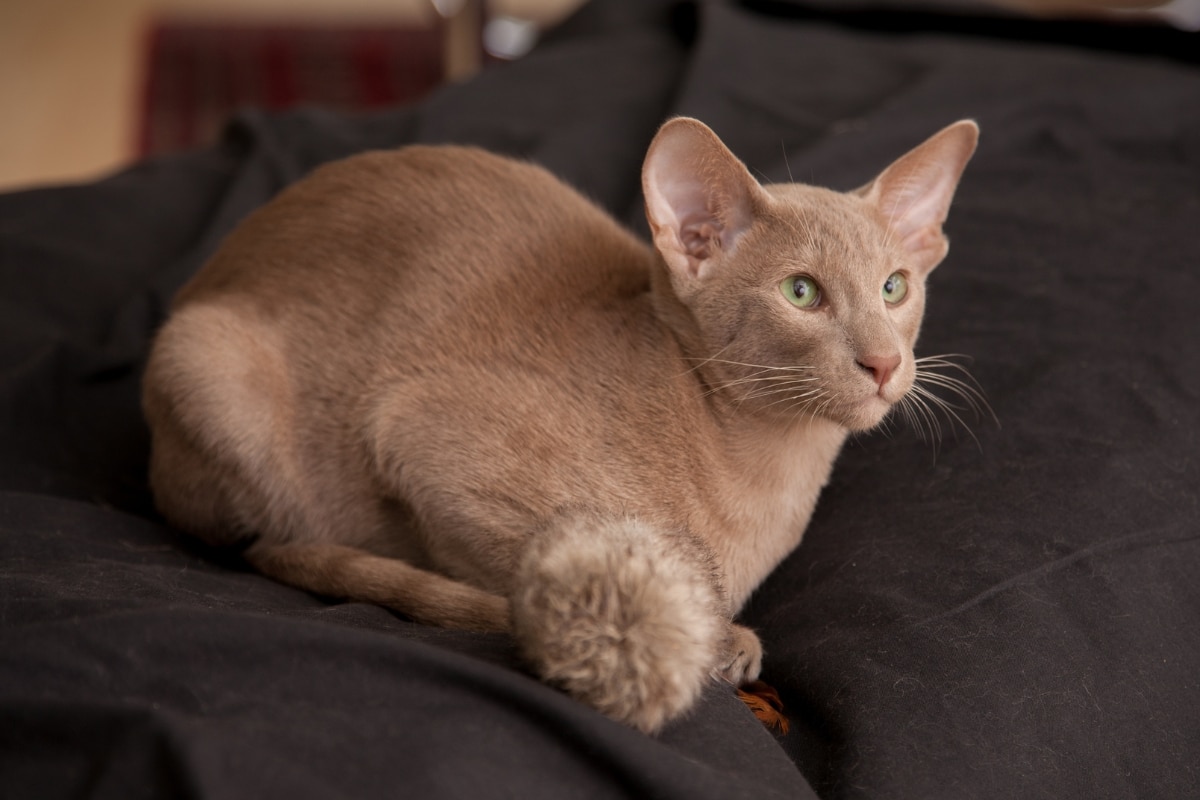
7. Oriental Shorthair
Profile: Slender, striking, and exceptionally chatty.
The Snack Connection: Ranked among the most vocal cat breeds, Oriental Shorthairs will stage full theatrical performances to announce their hunger. Their sharp hearing and dramatic flair guarantee that you will never miss a mealtime reminder.
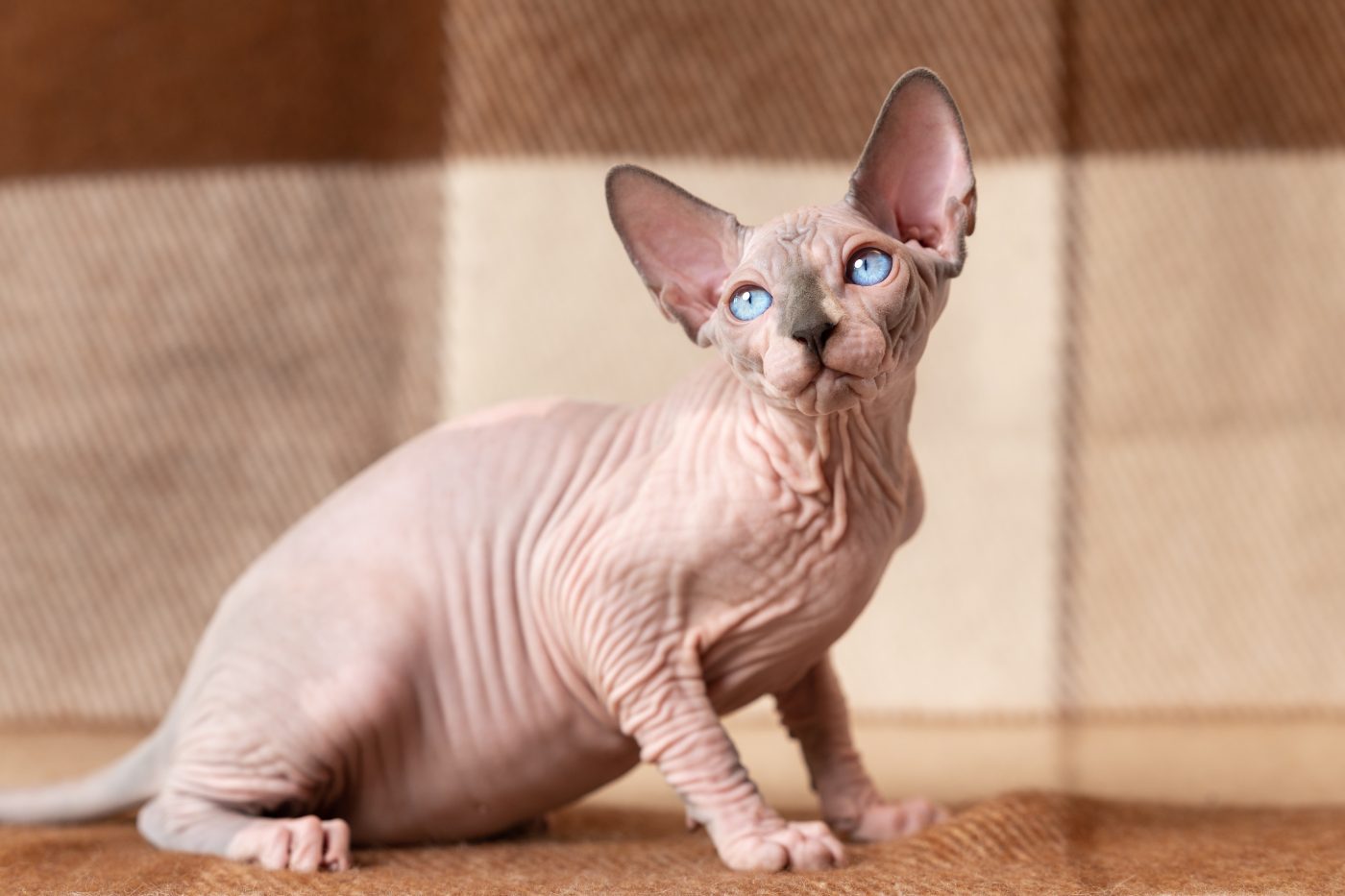
8. Sphynx
Profile: Hairless, warm-bodied, and bursting with extroverted personality.
The Snack Connection: Because they lack a fur coat, Sphynx cats must burn a high volume of calories simply to maintain their core body temperature. This elevated baseline metabolism translates directly into an insatiable appetite. They materialize instantly at the first scent of food preparation.
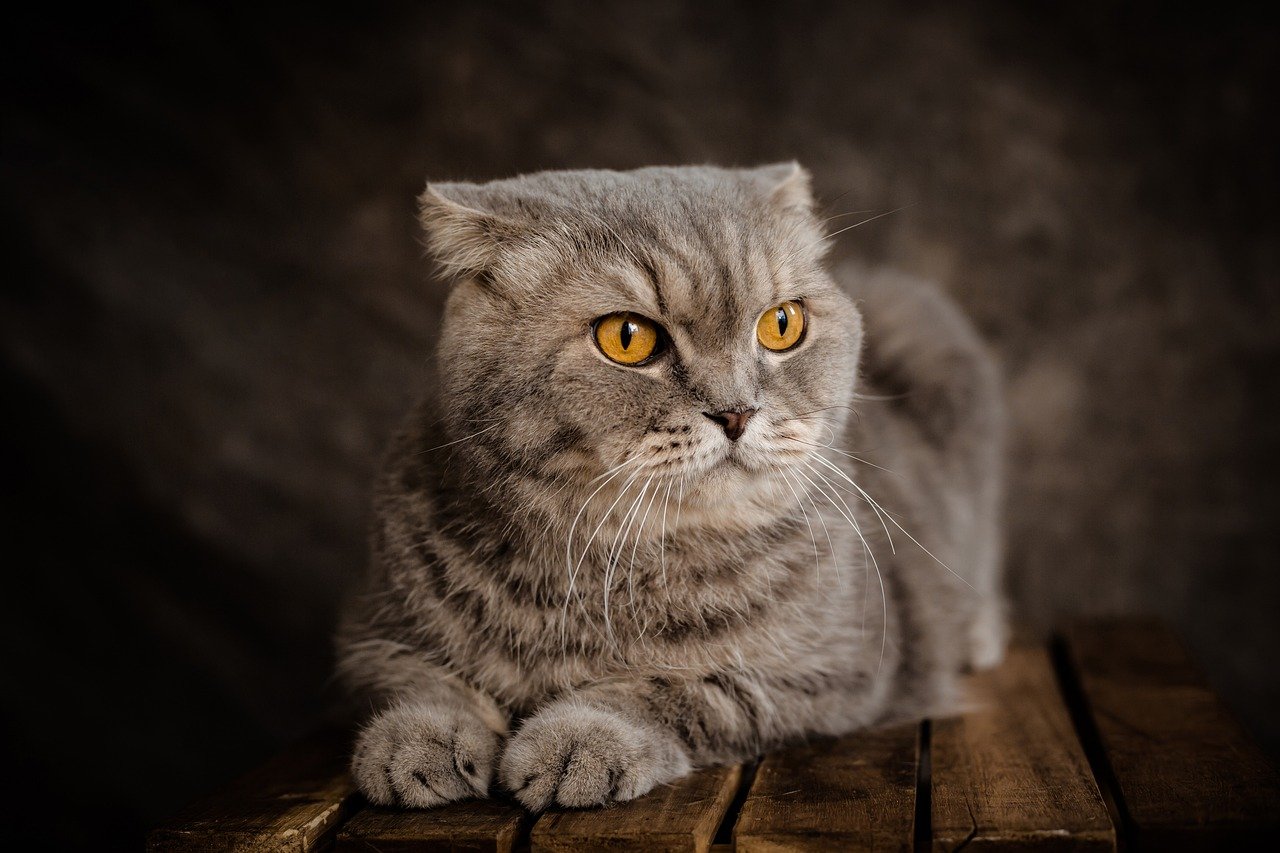
9. Scottish Fold
Profile: Distinguished by folded ears, round faces, and sweet dispositions.
The Snack Connection: Scottish Folds combine quiet observation with a quiet, polite stance near the food bowl. However, their patience is finite; stretch dinner time past its designated window, and they deploy a powerful, guilt-inducing gaze.
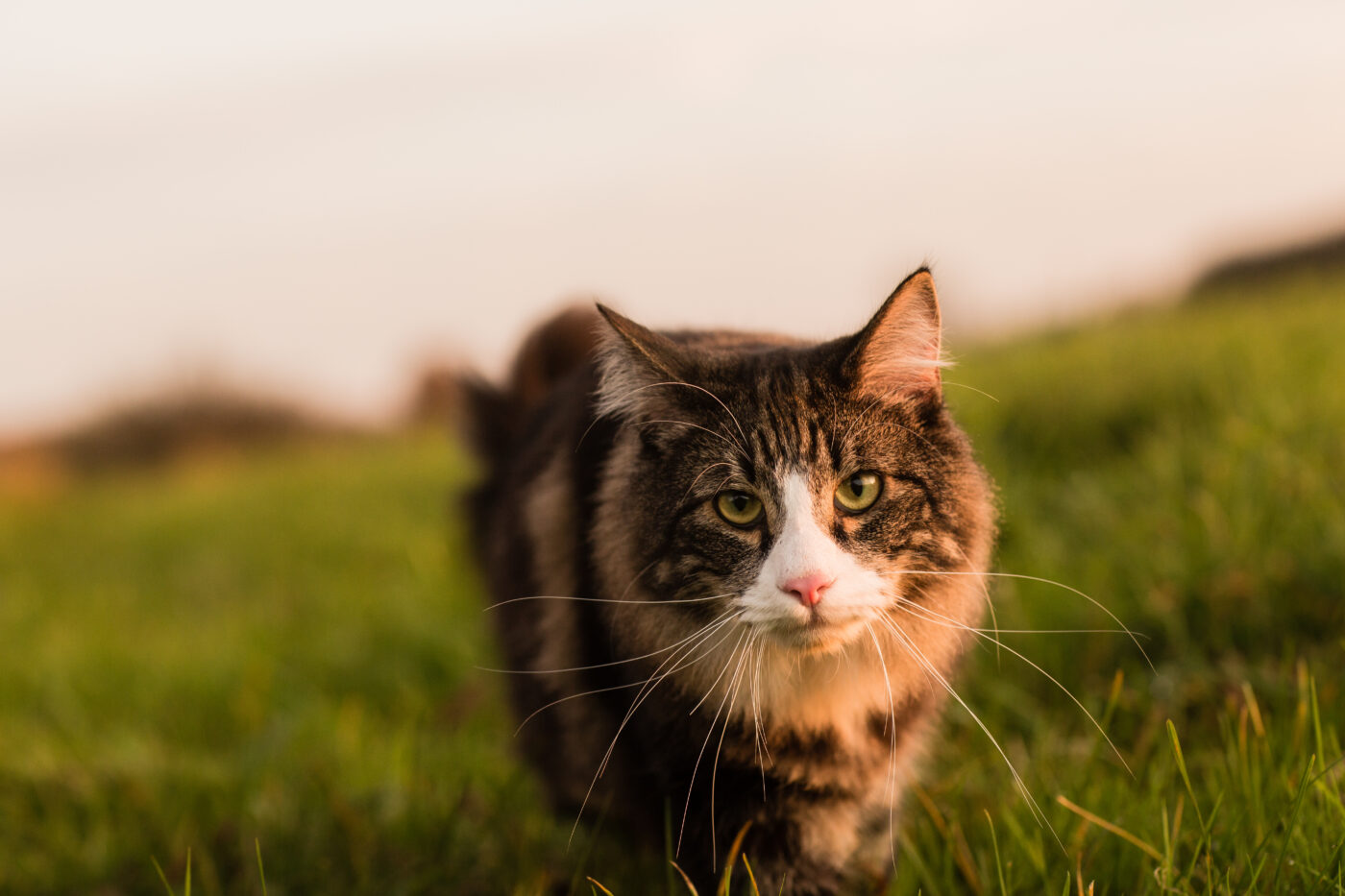
10. Norwegian Forest Cat
Profile: Large, double-coated, and built to withstand harsh northern climates.
The Snack Connection: Descended from hardy Scandinavian farm and forest hunters, "Wegies" are quiet, stealthy observers. When a can is opened, they appear silently like furry ninjas, driven by a deep-seated hunting instinct.
11. Persian
Profile: Luxurious, flat-faced, and aristocratic.
The Snack Connection: Beneath their glamorous exterior lies an appreciation for gourmet provisions. Persians float into the kitchen with regal composure, using quiet charm to secure their preferred wet foods.
12. American Shorthair
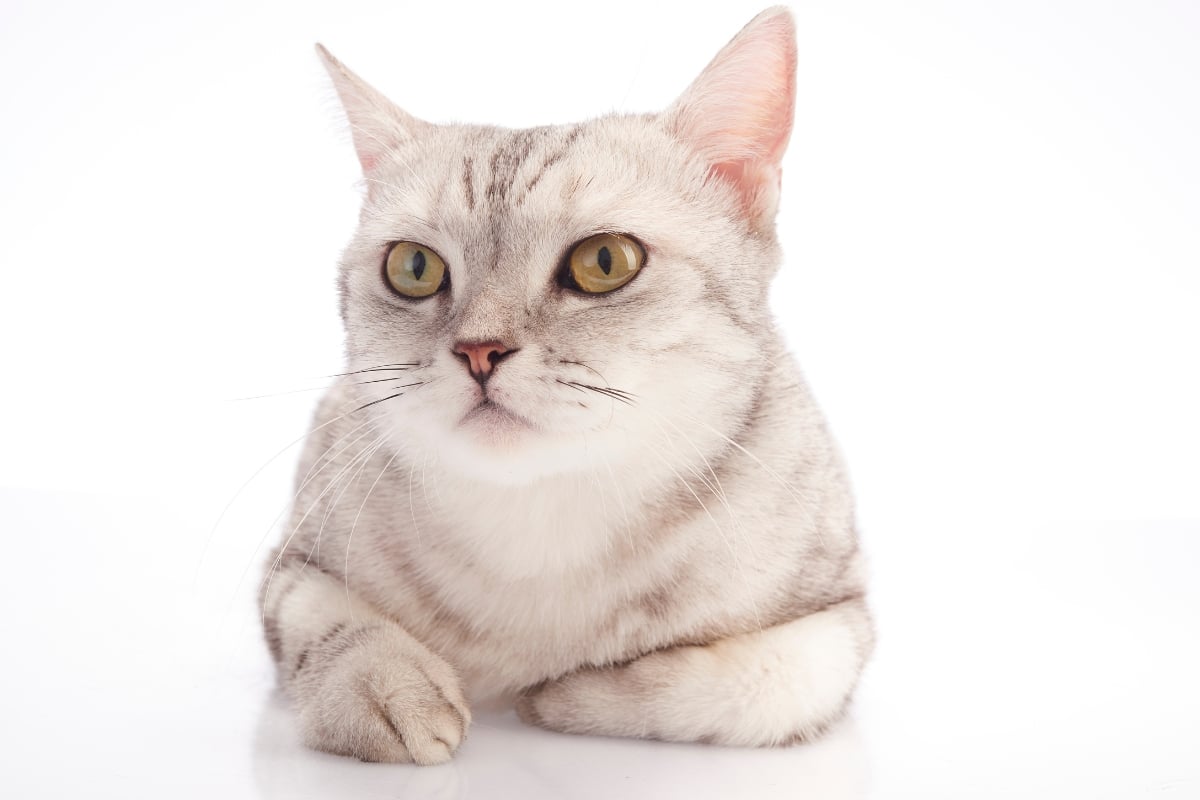
Profile: Practical, sturdy, and low-maintenance.
The Snack Connection: Pragmatic to their core, American Shorthairs conserve energy until food is involved. Once snack time approaches, they transition into efficient seekers, parking themselves firmly by the bowl until results are delivered.
13. Burmese
Profile: Muscular, bold, and fiercely people-oriented.
The Snack Connection: Burmese cats form intense bonds with their human companions—and with snack drawers. They will shadow you throughout the day, treating the possibility of tuna as a full-time pursuit.
Official Statements & Expert Insights
Veterinary behavioral scientists and feline welfare experts stress that understanding a cat’s food motivation is vital for maintaining long-term health.
"When a high-energy cat demonstrates obsessive food-seeking behaviors, owners often misinterpret this purely as greed," notes Dr. Elena Vance, a feline internal medicine specialist. "In many cases, it is a clinical manifestation of under-stimulation. The cat’s brain is seeking the dopamine reward loop that hunting or play naturally provides. If we don’t provide interactive play, they seek that stimulation at the food bowl."
Furthermore, guidelines published by the Cornell Feline Health Center underscore the physiological necessity of portion control:
"Owners must balance their cats’ enthusiasm for food with hard nutritional science. Free-feeding high-energy, food-motivated breeds almost invariably leads to obesity. Structured meal times paired with puzzle feeders and active play are essential tools to satisfy their mental drive without compromising their physical health."
Future Outlook: Managing the High-Motivation Feline in Modern Homes
As urban living spaces evolve and more cat owners navigate remote work environments, the dynamic between human kitchens and feline "snack trackers" is shifting.
Emerging Trends in Feline Nutrition and Enrichment
Automated and Puzzle Feeding: To satisfy the intense psychological drive of breeds like Bengals, Abyssinians, and Siamese without encouraging rapid overeating, the market is shifting toward automated puzzle feeders and foraging toys. These devices force cats to "hunt" for their kibble, burning mental energy and slowing down consumption.
Precision Nutrition: Veterinary medicine is moving toward customized nutritional profiles tailored not just to age and weight, but to specific breed activity levels and metabolic rates, helping mitigate the risks highlighted by organizations like TICA and CFA.
Behavioral Awareness: As educational campaigns by institutions like the Cornell Feline Health Center gain traction, pet owners are becoming more adept at distinguishing between genuine nutritional hunger and behavioral boredom-driven begging.
Ultimately, while the image of a cat teleporting into the kitchen at the exact millisecond a can opener touches metal may seem humorous, it is a testament to the enduring evolutionary design of the feline species. Whether they use vocal serenades, persistent stares, or acrobatic cabinet-scaling, these remarkable breeds remind us that beneath every domesticated exterior beats the heart of an apex predator with an unfailing internal radar.