The opening of Nestlé Purina PetCare’s multimillion-dollar manufacturing facility in Clermont County, Ohio, was celebrated by state and local officials as a major victory for economic development. Backed by an incentive package totaling approximately $10.5 million in tax credits, land discounts, and infrastructure support, the project promised to bring 300 manufacturing and distribution jobs to Williamsburg Township.
However, the significant outlay of public funds has sparked intense scrutiny from consumer advocates and regulatory watchers. At the center of the controversy is a fundamental question regarding corporate accountability: Should major corporations receiving state tax subsidies be held to rigorous standards of compliance regarding product labeling and ingredient transparency?
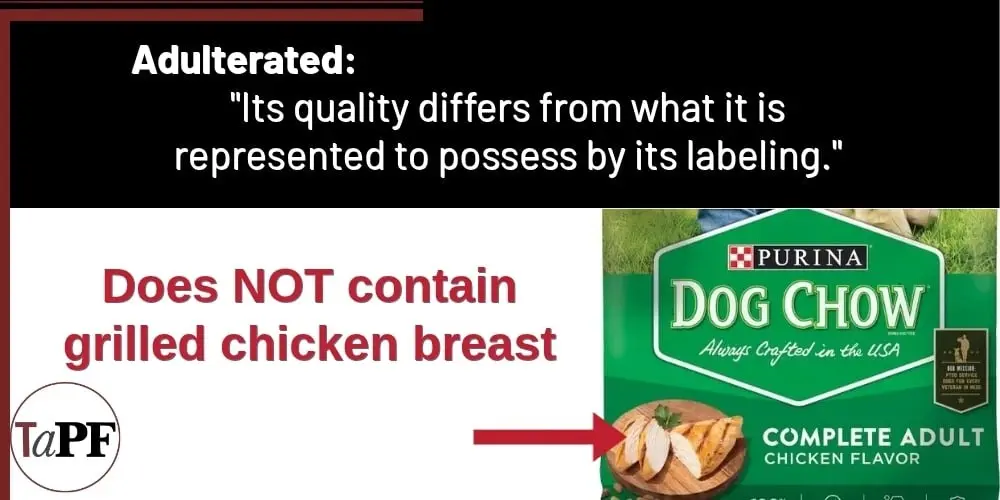
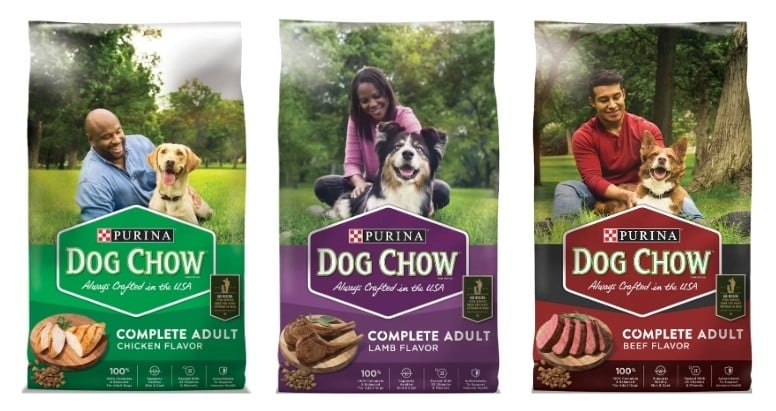
Advocates, led by consumer watchdog organizations, contend that widely distributed products manufactured by Purina—including flagship lines such as Purina Dog Chow—utilize packaging imagery that may mislead consumers. While front-of-pack labels feature prominent graphic representations of prime cuts of meat, such as grilled chicken breast, roasted lamb chops, and thick-cut steaks, the actual ingredient decks reveal the primary animal protein sources to be rendered feed-grade ingredients, such as chicken by-product meal and meat and bone meal (MBM).
Critiques anchored in Ohio’s commercial feed laws point to state statutes declaring animal feed adulterated if its composition or quality differs from what it is represented to possess. As state dollars directly underwrite the expansion of national pet food processing infrastructure, consumer groups are mobilizing to demand greater legislative oversight, calling for public financial assistance to be explicitly conditioned on strict adherence to state and federal labeling regulations.
Detailed Chronology
[2002] FDA CVM Survey
  │   Identifies associations between rendered ingredients (MBM, AF) and pentobarbital traces.
  ▼
[Late 2010s – Early 2020s] Site Selection & Incentive Negotiations
  │   State of Ohio, Clermont County, and Williamsburg Township draft incentive agreements.
  ▼
[Project Approval] Incentive Allocation Finalized
  │   • $6.8M initial state and local incentives.
  │   • $1.7M land discount.
  │   • $2.0M 10-year job creation tax credit (300 jobs target).
  ▼
[Construction & Opening] Facility Becomes Operational
  │   Clermont County plant opens; production and distribution scale up.
  ▼
[Present Day] Consumer Advocacy & Legislative Scrutiny
      Pet food consumer advocates raise challenges under Ohio Revised Code § 923.48,
      calling for formal legislative investigations into public tax credit allocations.
The Origins of State Financial Support
The trajectory of Purina’s expansion in Southwest Ohio began several years ago as the company sought strategically located real estate to boost its distribution and manufacturing footprint across the Midwest. Local officials in Clermont County, eager to attract capital investment and industrial jobs, collaborated with JobsOhio and the Ohio Department of Development to assemble an attractive financial package.
The resulting agreement finalized a multi-tiered subsidy structure:
Initial Direct Incentives: Approximately $6.8 million committed collectively by the State of Ohio, Clermont County, and Williamsburg Township for site preparation, infrastructure development, and economic development grants.
Property Assistance: A $1.7 million discount on real estate provided by county development authorities to secure the parcel.
Performance-Based Tax Credits: A 10-year, $2 million job-creation tax credit approved by the Ohio Tax Credit Authority, contingent upon Purina creating at least 300 full-time positions at the facility.
Regulatory Context and Historical Precedents
While economic development agencies finalized the subsidy package, long-standing regulatory debates surrounding the pet food manufacturing industry were re-emerging.
In 2002, the U.S. Food and Drug Administration (FDA) Center for Veterinary Medicine (CVM) released a landmark analytical survey examining the presence of pentobarbital—a euthanizing agent—in commercial dog food. The agency’s findings indicated a strong statistical association between the presence of the drug and rendered animal ingredients, specifically Meat and Bone Meal (MBM), Beef and Bone Meal (BBM), Animal Fat (AF), and Animal Digest (AD). The FDA noted that these rendered ingredients could legally and operationally be derived from animal sources that were not slaughtered for human consumption, including fallen stock, diseased animals, or euthanized animals.
Under federal law (the Federal Food, Drug, and Cosmetic Act), food or feed containing ingredients derived from animals that died otherwise than by slaughter is classified as adulterated. However, regulatory authorities have historically exercised "enforcement discretion" regarding feed-grade rendered ingredients in pet food, allowing products containing feed-grade rendered meals to circulate freely in interstate commerce provided they do not pose an explicit health hazard.
Current Controversy: Labeling Practices Come Under Fire
As Purina’s Clermont County facility reached operational status, pet food safety advocates conducted detailed audits of products distributed from Ohio plants. Advocates focused on the gap between product packaging graphics and actual ingredient compositions.
The controversy escalated when advocacy groups highlighted that popular dog food formulas featured explicit front-of-package imagery of human-grade meat cuts, while the underlying ingredient statements listed only "flavorings" alongside lower-cost rendered by-products. This led to formal calls for state agricultural authorities and state legislators to audit whether state-funded enterprises were operating in full compliance with Ohio’s commercial feed statutes.
Supporting Context & Metrics
Financial Breakdown of Ohio’s Incentive Package
The total public financial assistance rendered to support the new manufacturing and distribution footprint in Clermont County comprises multiple funding streams:
Incentive Type
Granting Entity
Estimated Financial Value
Primary Conditions / Obligations
Initial Project Incentives
State of Ohio / Clermont County / Williamsburg Twp.
$6,800,000
Site infrastructure, road work, capital development
Real Estate Subsidy
Clermont County
$1,700,000
Land transfer discount for facility footprint
Job Creation Tax Credit
Ohio Tax Credit Authority
$2,000,000
Creation of 300 full-time jobs over a 10-year period
Total Public Subsidies
—
$10,500,000
—
Product Image vs. Ingredient Reality
Advocacy groups contend that the visual presentation on several high-volume dry dog food products misrepresents the true nature of the contents inside the bag.
Below is a comparative breakdown of marketing representations versus ingredient deck realities found in widespread commercial distribution:
Purina Dog Chow (Chicken Variety):
Front Packaging Image: Whole, grilled chicken breast.
Actual Primary Meat Ingredients: Chicken by-product meal; "chicken" appears lower on the list primarily as a flavor additive.
Ingredient Grade: Feed-grade rendered meal (sourced from poultry processing by-products, which may include heads, feet, and viscera).
Purina Dog Chow (Lamb Variety):
Front Packaging Image: Roasted lamb chop.
Actual Primary Meat Ingredients: Meat and bone meal (MBM), chicken by-product meal.
Ingredient Grade: Feed-grade rendered mammalian tissues; lamb is incorporated as a flavor component rather than a primary whole-meat ingredient.
Purina Dog Chow (Beef Variety):
Front Packaging Image: Roasted thick-cut steak.
Actual Primary Meat Ingredients: Meat and bone meal (MBM), corn gluten meal, soybean meal.
Ingredient Grade: Feed-grade rendered meal derived from unspecified mammalian sources.
Legislative and Regulatory Framework
The core legal argument presented by consumer protection advocates relies on Ohio Revised Code (ORC) Section 923.48, which governs the distribution and labeling of commercial animal feed within the state.
Under ORC § 923.48(A)(8), a commercial feed is deemed to be adulterated if:
"Its composition or quality falls below or differs from what it is purported or represented to possess by its labeling."
Advocates argue that displaying images of USDA-inspected human-grade cuts of meat—such as bone-in lamb chops or trimmed beef steaks—creates a clear representation to the reasonable consumer that the product consists of those meat cuts. Because feed-grade rendered meals differ substantially in quality, composition, and regulatory status from whole cuts of meat, critics contend that such labeling practices violate state statutory definitions of misbranding and adulteration.
Furthermore, federal regulations under the Association of American Feed Control Officials (AAFCO) guidelines permit the use of the word "flavor" (e.g., "Chicken Flavored Dog Food") if the designated flavor is detectable by the animal. However, advocates argue that AAFCO model regulations do not explicitly grant permission to display deceptive visual imagery of high-value human food products on the front of packaging when those specific ingredients are absent from the formula.
Official Statements & Perspectives
The Consumer Advocacy Perspective
Susan Thixton, a prominent pet food safety advocate, founder of TruthaboutPetFood.com, and representative at the Association for Truth in Pet Food (ATPF), has publicly challenged the allocation of taxpayer subsidies under these circumstances:
"State governments should not be handing millions of dollars in tax credits to giant corporations that turn around and sell products with potentially misleading imagery to consumers. When packaging displays pictures of juicy steak and grilled chicken breast, but the bag contains rendered meat and bone meal or chicken by-products, the label is depicting something entirely different from reality.
"If a company receives taxpayer-funded subsidies, the state should hold them to the highest standards of regulatory compliance. There should be zero tolerance for administrative discretion or deceptive labeling practices when public money is involved. We urge Ohio taxpayers to contact their state representatives and demand a thorough review of these subsidies."
Industry & Corporate Position
While Nestlé Purina PetCare has not issued a direct public response to specific activist campaigns regarding the Clermont County plant subsidies, industry trade groups and corporate representatives consistently defend their labeling and manufacturing processes:
Regulatory Compliance: Major manufacturers maintain that all packaging materials undergo rigorous legal review to ensure compliance with federal FDA standards and state commercial feed codes as outlined by AAFCO model regulations.
Nutritional Value: Industry spokespersons emphasize that rendered meals—such as chicken by-product meal and meat and bone meal—provide concentrated, highly digestible protein and essential amino acids vital for pet health, utilizing animal proteins efficiently to reduce food waste.
Economic Impact: Corporate stakeholders emphasize that state economic development funds are allocated based on job creation, capital investment, and long-term economic contributions to local communities, rather than product-level packaging design.
State Economic Development & Agricultural Authorities
Representatives from state economic development agencies generally maintain that tax incentives are evaluated independently of agricultural control operations:
JobsOhio & Ohio Department of Development: State development authorities evaluate projects based on quantifiable economic return on investment (ROI), payroll generation, capital commitment, and regional economic stabilization. Incentives are awarded through legally binding tax credit agreements tied strictly to job creation metrics.
Ohio Department of Agriculture (ODA): The ODA’s Feed and Fertilizer Section is responsible for routine sampling, inspection, and enforcement of ORC Chapter 923. Regulatory enforcement actions are typically conducted independently of state economic development grants, relying on established administrative protocols and industry standards.
Future Outlook
Potential Legislative and Policy Reforms
The convergence of public economic development grants and consumer protection disputes in Ohio could serve as a catalyst for policy adjustments. Several potential outcomes are emerging from this ongoing debate:
Incentive Integrity Clauses: State lawmakers may consider drafting legislation that conditions economic development grants on strict regulatory compliance. Future state tax credit contracts could mandate that recipients maintain a clean regulatory record with state departments of agriculture and consumer protection agencies.
Enhanced State Feed Oversight: The Ohio Department of Agriculture may face increased pressure from advocacy groups to re-examine front-of-package graphic standards for commercial feed products sold within the state, potentially setting a precedent for state-level labeling enforcement.
Formal Legislative Inquiries: Local consumer coalitions are actively lobbying Ohio state representatives to launch formal inquiries into how tax credits are monitored when corporations face allegations of statutory misbranding or non-compliance.
Broader Market Implications
As consumer awareness regarding pet food ingredients continues to rise, the market is experiencing a shift toward whole-food transparency and human-grade claims. Major pet food manufacturers operating large-scale extrusion plants face growing pressure to reconcile traditional mass-market labeling practices with modern consumer demands for total supply chain traceability.
Whether state economic authorities will actively audit corporate compliance as part of their subsidy frameworks remains an open policy question. However, the situation in Southwest Ohio illustrates a growing public demand: when taxpayer dollars are used to fund industrial growth, the public expects uncompromising corporate accountability in return.