
By Sebastian Sindermann | Published February 7, 2020
Executive Overview
For millions of households around the globe, dogs and cats are not merely animals; they are cherished family members, sleeping in our beds, greeting us at the door, and offering unconditional affection. Yet, despite our deep devotion to our four-legged companions, a silent and insidious health crisis frequently goes unnoticed right beneath our noses—or rather, inside their mouths.
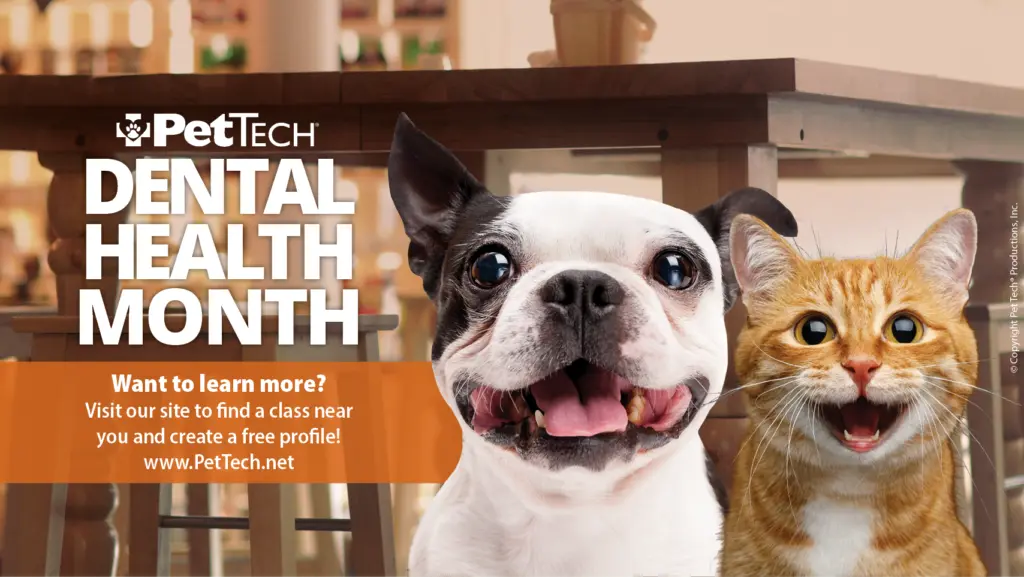
Every February, the veterinary community comes together to observe National Pet Dental Health Month. This annual campaign serves as a crucial wake-up call for pet owners, cutting through the daily routine to spotlight a staggering statistic: by the tender age of three, the vast majority of dogs and cats already exhibit early, active signs of periodontal disease. Far from being a mere cosmetic issue involving yellow teeth or unpleasant breath, poor oral hygiene in companion animals is a systemic threat capable of compromising major organs, causing chronic pain, and ultimately shortening a pet’s lifespan.
This comprehensive investigative report explores the hidden mechanics of pet periodontal disease, the direct correlations between oral hygiene and systemic wellness, contributing factors such as diet and genetics, and the actionable strategies pet parents must adopt. By bridging the gap between home-based preventative care and professional veterinary interventions, owners can step up to become true advocates for their pets’ lifelong health.
Detailed Chronology: The Lifecycle of Pet Dental Disease
To understand the urgency of National Pet Dental Health Month, one must examine how quickly and imperceptibly oral disease develops in companion animals. Unlike humans, who typically visit a dentist semi-annually and brush twice a day, our pets rely entirely on human intervention to maintain their dental hygiene. Without a structured regimen, a predictable biological cascade unfolds inside a pet’s mouth, transforming a healthy smile into a site of chronic infection.
Phase One: The Formation of Plaque (Days 1–3)
Within hours of eating a meal, a sticky, colorless film composed of saliva, bacteria, and food particles begins to adhere to the enamel of a pet’s teeth. This substance is known as dental plaque. If left undisturbed, plaque begins to mineralize rapidly, a process that occurs much faster in dogs and cats than in humans due to the alkaline pH of their saliva, which naturally encourages tartar formation.
Phase Two: Tartar Accumulation and Gingivitis (Weeks to Months)
Within days to weeks, unremoved plaque interacts with minerals in the saliva to harden into calculus, commonly referred to as tartar. Tartar forms a rough, porous surface that attracts even more bacteria, anchoring them firmly against the gum line.
As bacterial colonies multiply, they release toxins that provoke an immune response from the body. The gums become inflamed, red, and swollen—a condition known as gingivitis. At this stage, the process is still fully reversible with professional cleaning and proper home care. However, if ignored, the condition progresses past the point of no return.
Phase Three: Periodontal Disease and Tissue Destruction (Years 1–3 and Beyond)
When gingivitis is left untreated, the inflammation spreads below the gum line, attacking the periodontal ligament and the alveolar bone that anchor the teeth in place. Pockets form around the roots of the teeth, trapping more bacteria, pus, and debris. Over time, the bone holding the teeth dissolves, resulting in loose teeth, agonizing chewing pain, spontaneous bleeding, and eventual tooth loss.
By age three, data from the American Veterinary Dental Society (AVDS) indicates that more than 80% of dogs and 70% of cats have crossed this threshold into active periodontal disease. What began as an invisible film of bacteria has now evolved into a systemic source of chronic pain and localized infection.
Supporting Context & Metrics: The Systemic Impact of an Unhealthy Mouth
The consequences of poor pet dental hygiene extend far beyond the oral cavity. While tooth loss and localized discomfort are severe enough, the mouth serves as a direct gateway to the rest of the body. When a pet suffers from advanced periodontal disease, the barrier between the oral cavity and the bloodstream breaks down.
The Bacteremia Connection
Every time a pet with gum disease chews, millions of bacteria—along with their metabolic byproducts and inflammatory toxins—are squeezed directly into the bloodstream. This condition, known as bacteremia, means that the heart, kidneys, and liver are constantly exposed to a steady stream of oral pathogens.
- Cardiovascular Complications: The bacteria traveling through the bloodstream can adhere to the heart valves, leading to endocarditis (an inflammation of the heart’s inner lining) or worsening pre-existing cardiac conditions. Over time, the chronic inflammatory state thickens arterial walls, increasing cardiovascular strain.
- Kidney and Liver Strain: The liver and kidneys act as the body’s primary filtration systems. Constantly filtering bacterial toxins from the bloodstream places an immense, unnecessary workload on these vital organs, potentially accelerating kidney failure and hepatic stress, particularly in senior pets.
- Metabolic and Diabetic Interference: Chronic systemic inflammation has been shown to complicate metabolic processes. In diabetic pets, chronic infections like severe periodontal disease can make blood sugar regulation significantly more difficult, creating a volatile health cycle.
Decoding the Signs: Beyond "Doggie Breath"
A pervasive myth among pet owners is that "doggie breath" or "kitty breath" is simply a normal, albeit unpleasant, part of pet ownership. Veterinary professionals emphasize that this is a dangerous misconception.
A healthy mouth should be virtually odorless. Distinctly foul breath (halitosis) is almost always the primary indicator of volatile sulfur compounds produced by anaerobic bacteria thriving in plaque and periodontal pockets.
Additional signs of an unhealthy mouth that every pet parent should monitor include:
- Visual Indicators: "Bubble gum" pink gums should not show bright red lines along the margin. Teeth should be pearly white, not coated in a yellow-brown crust of tartar.
- Behavioral Shifts: Pets experiencing dental pain may drop their food while eating, chew exclusively on one side of the mouth, exhibit a sudden reluctance to eat hard kibble, or display unusual aggression when their facial area is touched.
- Physical Symptoms: Excessive drooling, pawing at the mouth, facial swelling under the eyes (often caused by painful tooth root abscesses), and noticeable weight loss due to decreased caloric intake.
Official Statements and Industry Insights
Veterinary organizations worldwide utilize Pet Dental Health Month as a platform to educate the public and shift the paradigm from reactive treatment to proactive prevention.
Dr. Jane Holloway, a leading veterinary dental specialist, notes: "For decades, pet owners brought their animals to the clinic only when a tooth was already rotten or fractured beyond repair. Today, through initiatives like National Pet Dental Health Month, we are seeing a cultural shift. Owners are finally realizing that dental care is not an optional luxury or a cosmetic procedure; it is an absolute cornerstone of internal medicine."
According to guidelines published by the American Veterinary Dental Society (AVDS), the multifactorial nature of periodontal disease requires a multi-pronged defensive strategy. Experts highlight three primary contributing factors that dictate a pet’s vulnerability:
- Age and Overall Health: As pets age, the cumulative effects of a lifetime of dietary habits and immune system changes make them inherently more susceptible to tissue degradation. Senior pets require more frequent veterinary monitoring.
- Diet, Nutrition, and Treat Selection: Research consistently demonstrates that soft, wet, or mushy foods leave behind sticky residues that accelerate plaque formation. Conversely, specially formulated hard kibbles or veterinary-approved dental diets offer mechanical abrasion that helps scrape away soft plaque before it can calcify into tartar.
- Chewing Habits and Enrichment: Providing appropriate chew toys serves a dual purpose. Beyond providing essential mental stimulation and alleviating boredom, the mechanical action of chewing stimulates saliva production—which contains natural antibacterial agents—and helps mechanically scrub tooth surfaces.
Future Outlook: Becoming the Ultimate Pet Parent
As veterinary medicine continues to advance, the tools available to modern pet owners have never been more sophisticated or accessible. Preventing periodontal disease no longer requires struggling with inadequate human techniques; instead, a thriving industry of specialized pet dental care products has emerged.
The Gold Standard: Home Care Combined with Professional Cleanings
The undisputed gold standard for maintaining lifelong oral health involves a two-part approach:
- Daily Home Maintenance: Introducing pet-safe enzymatic toothpaste (never use human toothpaste, as ingredients like xylitol are toxic to animals) and utilizing soft-bristled toothbrushes, dental wipes, or water additives designed to reduce bacterial loads.
- Annual Veterinary Ultrasonic Cleanings: Even the most diligent home-brushing routine cannot reach beneath the gum line. Routine veterinary visits incorporating general anesthesia, comprehensive oral evaluations, dental radiographs (X-rays) to view hidden tooth roots, and ultrasonic scaling are indispensable for stopping disease progression.
Taking the First Step Today
You do not need a degree in veterinary medicine to make a profound difference in your pet’s quality of life. By paying attention to their breath, inspecting their gums regularly, and consulting with your veterinarian to establish a tailored dental care regimen, you step confidently into the role of the Ultimate Pet Parent.
Do not let stinky breath or silent pain go unaddressed. This February, take action: educate yourself, invest in quality dental care products, and consider expanding your knowledge by signing up for certified classes in Pet CPR, First Aid, and comprehensive animal care. Your pet gives you their entire world; keeping their smile healthy is one of the most meaningful ways to give something back.