
Executive Overview
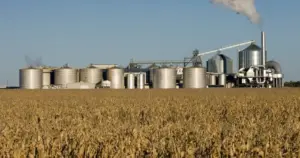
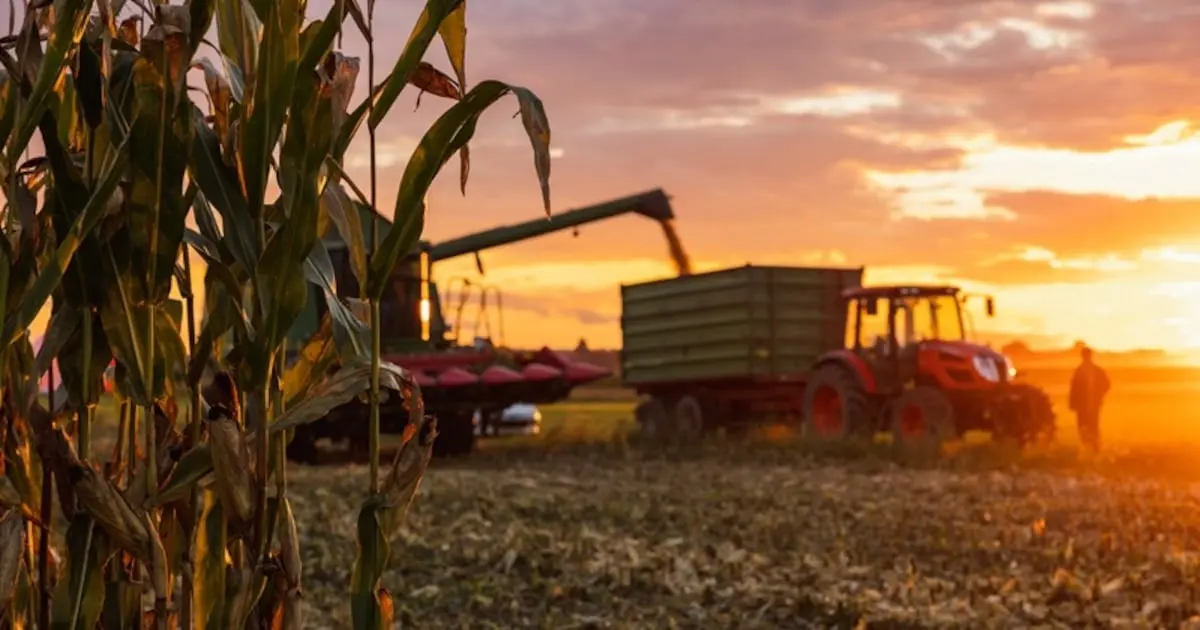
As agricultural machinery rolls across the American heartland to gather the latest corn and soybean yields, a fundamental economic reality confronts producers: bringing crops out of the field is only the initial phase of the agricultural supply chain. The ultimate realization of profit depends heavily on post-harvest management—specifically, how effectively grain is stored, protected, and preserved until market conditions optimize return on investment.
Pest pressures do not cease at harvest. In fact, once grain is moved into storage, it becomes vulnerable to a host of destructive insects capable of rapidly devouring both physical volume and market value. Recognizing these vulnerabilities, Central Life Sciences has introduced a comprehensive, four-part grain management protocol designed to help producers maximize profitability.
Spearheaded by industry experts such as John Mays, Senior Director of Specialty Agriculture for Central Life Sciences, this proactive framework emphasizes bin sanitation, targeted grain protection, continuous monitoring, and thorough pre-shipment inspection. By shifting the industry mindset from reactive pest control to proactive, integrated management, this protocol aims to protect grower margins against invisible losses that threaten the bottom line of modern farming operations.
Detailed Chronology: The Lifecycle of Grain Protection
Implementing a successful grain protection strategy requires a disciplined timeline that spans the entirety of the agricultural calendar. Rather than treating pest management as a reactive measure deployed only when an infestation is detected, agricultural authorities advocate for a structured chronological approach.
Phase One: The Inter-Season Sanitation Window
The first pillar of the Central Life Sciences protocol focuses on rigorous cleaning and sanitation. According to Mays, the ideal window for this foundational step occurs in the lull between the conclusion of the harvest and the commencement of the following year’s planting season.
Executing sanitation during this period allows farm operators to avoid the punishing conditions of late summer, when internal grain bin temperatures can skyrocket to between 130 and 140 degrees Fahrenheit. Beyond worker safety and comfort, however, thorough cleaning is an absolute operational necessity.
Whether managing flat storage, traditional metal bins, heavy concrete silos, or even temporary field sacks, the directive remains uniform: start completely clean.
"You want to start clean," Mays explains. "And that’s sanitizing the bin the best you can, making sure you’re getting all the cracks and crevices cleaned out because it only takes a minuscule amount of grain or grain debris left in a crevice somewhere that can house [an insect] population that can then grow once the grain gets added back to the bin."
Phase Two: Application of Grain Mass Protectants
Once the structural environment is sanitized and prepared, attention shifts to the grain mass itself. Protecting stored commodities requires a dual-action defense mechanism: the application of adulticides to eliminate roaming pests and insect growth regulators (IGRs) to disrupt the reproductive cycles of developing populations.
Central Life Sciences deploys specialized formulations designed for this exact purpose, including adulticides such as Gravista-D, insect growth regulators like Diacon, and companion synergists engineered to boost the performance of active ingredients. These protectants are strategically applied directly to the bin structure as well as onto the grain streams as they are augered or conveyed into storage.
Phase Three: Continuous Environmental and Condition Monitoring
Securing grain inside a bin does not mean a producer’s work is complete. While many growers remain hyper-focused on moisture levels and temperature fluctuations—often believing they are "home free" once the crop is under a roof—biological threats persist.
Pest populations can multiply rapidly inside a seemingly secure bin, consuming the commodity from the inside out. Mays uses a vivid analogy to illustrate this hidden danger: "If grain bins were made out of Plexiglas, we couldn’t make enough of this stuff." Because bin walls are opaque, ongoing monitoring—through thermal cables, physical sampling, and pest trapping—remains essential to catching infestations before they escalate.
Phase Four: Pre-Shipment Inspection and Quality Assurance
The final phase of the protocol occurs when the grain is prepared for market. Before any commodity is loaded onto trucks, railcars, or barges, a comprehensive inspection ensures that the product meets high commercial standards. This final gatekeeping step prevents compromised grain from reaching elevators or processing facilities, safeguarding the producer’s reputation and preventing severe financial penalties.
Supporting Context & Metrics: The True Cost of Stored-Grain Pests
To understand the value of Central Life Sciences’ protocol, one must examine the economic calculus of grain storage. Post-harvest losses are traditionally divided into two distinct categories: quantitative loss (actual physical weight reduction caused by insects consuming the grain) and qualitative loss (downgrading, dockage, and rejection at the elevator due to live insects, dead insect fragments, or insect-damaged kernels).
The Math of Commodity Loss
When insects feed on stored corn or soybeans, they consume the nutrient-dense portions of the kernel, leaving behind hollowed hulls and fine powder (often referred to as "frass"). While a single insect may consume only a fraction of a gram, a burgeoning infestation comprising millions of beetles, weevils, or moths can reduce total bin weight by several percentage points over a storage season of six to nine months. In an era of narrow farming margins, losing even 1% to 2% of a multi-thousand-bushel harvest translates to thousands of dollars in unrealized revenue.
Navigating Elevator Dockage and Quality Penalties
Beyond physical weight, grain quality standards enforced by commercial grain elevators are strict. The presence of live insects, excessive insect-damaged kernels (IDK), or even detectable levels of dead insect bodies can result in severe financial penalties, known as dockage. In worst-case scenarios, entire loads can be rejected outright.
By integrating preventative protectants, producers dramatically lower the risk of encountering these costly dockages. The return on investment (ROI), as Mays points out, is straightforward:
"The ROI is simple. … One, you retain more of the actual commodity that you put in the bin from a physical weight standpoint. But there’s also a quality aspect where you don’t take the risk of major dockage from live bugs or major dockage from the dead bugs being detected."
Moving Beyond Fumigation: Safety and Accessibility
Historically, managing severe infestations inside large grain bins often required heavy fumigation utilizing hazardous substances such as aluminum phosphide or various gases. While effective, fumigation demands specialized safety gear, extensive aeration periods, and strict regulatory compliance. Furthermore, traditional fumigants often require certified applicators with specific licensing credentials.
In contrast, modern harvest protection products offered by companies like Central Life Sciences provide a safer, preventative alternative. These formulations can frequently be applied without requiring an advanced commercial applicator’s license, empowering everyday farmers and farmhands to manage their own storage security efficiently and safely.
Official Statements and Industry Insights
The agricultural sector faces mounting pressures from volatile commodity prices, rising input costs, and shifting climatic conditions. In this environment, post-harvest asset protection is evolving from a secondary chore into a primary profit driver.
John Mays emphasizes that the psychological barrier many farmers face—the assumption that grain is safe once it is safely binned—is one of the industry’s most expensive misconceptions.
"Outside of some moisture concerns when storing grains, many farmers think they are ‘home free’ when the grain is secured in the bin," Mays noted during his discussion with AgNavigator. However, he cautions that neglecting the biological ecosystem within the grain mass invites disaster. "Insect issues can consume the grains stored in bins, literally eating farmers’ profits."
By championing a methodical, four-pillar protocol, Central Life Sciences is attempting to democratize advanced grain stewardship. The strategy bridges the gap between sophisticated pest control chemistry and everyday farm management practices, ensuring that producers retain control over when and how they market their crops. Rather than being forced to sell immediately at harvest—when local cash prices are often depressed due to seasonal gluts—growers utilizing robust storage protocols can hold their grain for months, waiting for favorable market rallies without watching their physical inventory dwindle.
Future Outlook: The Evolution of Smart Grain Management
Looking ahead, the landscape of post-harvest agriculture is poised for further technological integration. As precision agriculture transforms field operations through automated machinery, variable-rate seeding, and real-time drone monitoring, the storage bin is similarly transitioning into a smart asset.
The Integration of IoT and Predictive Analytics
Future iterations of grain management protocols will likely blend chemical protectants with Internet of Things (IoT) sensors. Wireless temperature cables, acoustic sensors capable of listening for insect chewing activity, and automated aeration fans tied to real-time weather forecasting models will give producers unprecedented visibility into their bin interiors.
When combined with Central Life Sciences’ preventative protocols—such as precise applications of IGRs and adulticides—these smart monitoring tools will allow farmers to target pest management interventions with pinpoint accuracy, minimizing chemical use while maximizing protective efficacy.
Sustainability and Regulatory Pressures
As global agricultural markets increasingly prioritize sustainability, traceability, and environmental stewardship, post-harvest practices will face heightened scrutiny. Consumers, food processors, and grain exporters demand high-quality, residue-free commodities.
Protocols that emphasize thorough bin hygiene, non-fumigation protectants, and precise dosage rates align perfectly with these emerging sustainability metrics. By reducing post-harvest waste and preventing large-scale spoilage, grain protection protocols also contribute to global food security, ensuring that more of what is grown actually reaches the human food chain or animal feed markets.
Conclusion
Ultimately, the journey of a corn or soybean kernel does not end when the combine hopper empties into the grain cart. The months spent inside storage facilities represent a critical chapter in the agricultural economic story. Through structured protocols—encompassing meticulous sanitation, targeted protectants, vigilant monitoring, and pre-shipment quality checks—companies like Central Life Sciences are providing producers with the tools needed to protect their hard-earned yields. For American farmers striving to optimize profitability in a challenging economic climate, mastering the art and science of post-harvest grain management is no longer optional; it is the cornerstone of sustainable agricultural success.