
Executive Overview
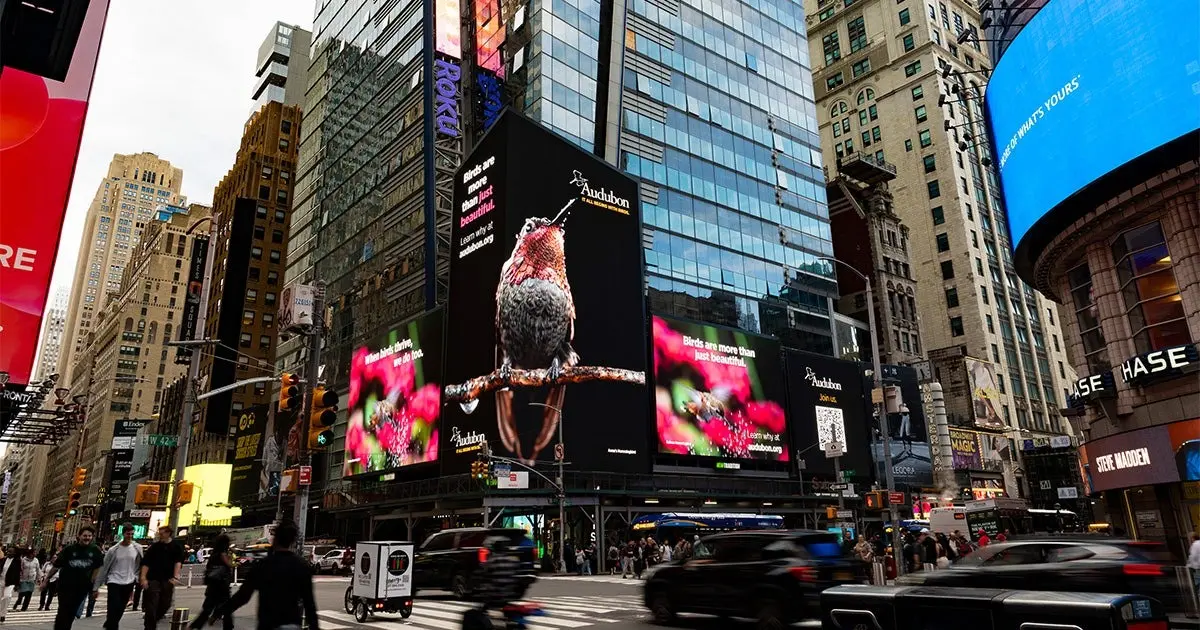
Against the bustling backdrop of high-stakes global negotiations, towering skyscrapers, and the neon luminescence of Times Square, a surprising and unifying protagonist emerged during Climate Week NYC 2026: the bird.
From the verdant, tree-shaded pathways of Central Park’s Ramble to the corporate boardrooms of clean energy executives, the National Audubon Society utilized the global event to showcase what avian species can teach humanity about climate solutions, resilience, and community action. As highly visible indicators of environmental health, birds span nearly every ecosystem on Earth, acting as living barometers of planetary stress.
Throughout the week-long summit, Audubon spearheaded a diverse array of events, panel discussions, and public art installations. The objective was clear: to anchor complex policy discussions surrounding clean energy infrastructure, natural climate solutions, and global deforestation within a tangible, relatable framework. By connecting the conservation of migratory pathways and vulnerable species to broader socio-economic goals, Audubon successfully bridged the gap between macro-level climate policy and local, grassroots engagement.
This year’s Climate Week underscored a vital truth—that the fight against climate change is not merely an engineering or economic challenge, but an ecological imperative. By empowering the next generation of conservation leaders, fostering cross-sector collaborations, and demonstrating that biodiversity loss and climate disruption are deeply intertwined, the events of September 2026 marked a pivotal turning point in how environmental advocates approach resilience.
Detailed Chronology & Event Highlights
The presence of the National Audubon Society during Climate Week NYC 2026 was omnipresent, seamlessly blending high-level diplomatic and corporate networking with public-facing art and accessible outdoor experiences. The week’s programming unfolded across multiple touchpoints throughout New York City:
Sunday & Monday: Setting the Stage in Central Park and Times Square
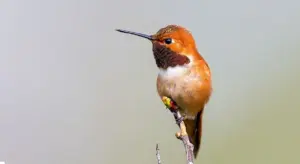
The week kicked off with a deliberate focus on the natural world existing right beneath the city’s concrete canopy. On Monday, September 21, 2026, a striking visual greeted millions of commuters and tourists alike: a vibrant hummingbird displayed in exquisite detail across a massive 10,000-square-foot digital billboard in Times Square. Developed in partnership with Sydney Walsh and the Audubon team, the digital installation offered a jarring yet welcome juxtaposition—a moment of serene natural beauty framed by the frenetic energy of one of the world’s busiest urban intersections.
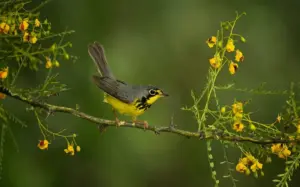
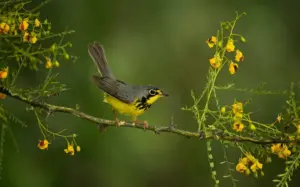
Simultaneously, bird lovers, conservationists, and urbanites gathered for a morning of communal birding in Central Park’s famous Ramble. Co-hosted alongside BirdLife International and the NYC Bird Alliance, participants trained their binoculars on migratory species such as thrushes, warblers, hummingbirds, and grosbeaks. This immersive experience served as a living classroom, emphasizing the necessity of local, hemispheric, and international coordination required to protect birds across their vast migratory ranges.
Tuesday & Wednesday: Industry Alignment and Natural Climate Solutions
As the summit transitioned into its core policy days, Audubon shifted its focus to the boardrooms and plenary halls, driving conversations on sustainable energy transmission and natural climate solutions.
- Clean Energy and Transmission Planning: Recognizing that a transition to renewable energy requires vast physical infrastructure—which can occasionally conflict with local ecosystems—Audubon staff led critical discussions on responsible siting and transmission planning. Notably, Audubon co-hosted a specialized session titled "Innovative Alternative Financing Models to Promote Transmission" with the Clean Air Task Force (CATF). Furthermore, the organization convened an exclusive, closed-door roundtable uniting leaders from private industry, conservation non-profits, and government agencies to build early alignment and support for responsible infrastructure development.
- Natural Climate Solutions: Audubon’s footprint extended to the Nature4Climate plenary session, where experts participated in "From Risk to Resilience: Using Nature Intelligence to Guide Investment." This session explored how enhanced environmental data and smart policies can direct capital toward healthy ecosystems. Additionally, at the Doris Duke Foundation Treehouse, Audubon co-hosted a high-level roundtable focused on "Creating a Forest Policy Agenda for 2028 and Beyond," cementing long-term strategies for forest preservation and climate mitigation.
- Global Deforestation Commitments: Looking past U.S. borders, Audubon engaged international stakeholders—including Indigenous leaders, foundation heads, private investors, and government representatives—to accelerate progress toward the collective mandate of ending deforestation by 2030. Discussions centered on institutionalizing robust financing mechanisms, such as the Tropical Forests Forever Facility and expanded forest carbon markets, to accurately reflect the economic value of intact ecosystems.
Thursday & Friday: Empowering the Next Generation and Green Careers
The latter half of the week belonged firmly to the youth and emerging professionals who are reshaping the environmental movement.
At Solutions House, Audubon convened students and educators representing the rapidly expanding Audubon on Campus network. Panelists hailing from prominent student organizations—including the Yale Birding Student Association, the Howard University Green Coalition, the HWS Birding Club, and the Binghamton University Audubon Society—shared their insights on community-building, youth-led conservation, and strategies for systemic change.
These pathways into environmental stewardship directly translated into workforce opportunities at the Green Jobs Pavilion. Here, Audubon staff connected with job-seekers, recent graduates, and career-switchers eager to enter the climate sector. Demand for guidance was so overwhelming that a specialized Conservation Jobs panel drew standing-room-only crowds, with attendees sitting shoulder-to-shoulder on the floor—a testament to the surging market demand for careers that tangibly connect people, nature, and climate solutions.
The week concluded with a blend of public outreach and cultural engagement, including a walking tour of the Audubon Mural Project—which uses public art to highlight bird species facing extinction due to rising global temperatures—and a popular "Birds and Brews" happy hour that successfully cultivated community among urban conservationists.
Supporting Context & Metrics
To fully appreciate the gravity of Audubon’s interventions during Climate Week NYC 2026, one must examine the broader ecological and socio-economic context in which these events occurred.
The Avian Barometer
Birds are universally recognized by ornithologists and climate scientists as premier bio-indicators. Because they occupy nearly every terrestrial, aquatic, and aerial niche on the planet, their physiological, behavioral, and demographic shifts provide immediate data on ecosystem health. According to historical Audubon climate vulnerability models, roughly two-thirds of North American bird species face the looming threat of extinction or severe population declines if global temperature trajectories continue unabated.
Infrastructure and Energy Demands
The clean energy transition represents a dual-edged sword for conservationists. While transitioning away from fossil fuels is non-negotiable for stabilizing the climate, the physical buildout of wind farms, solar arrays, and high-voltage transmission lines introduces significant land-use challenges. Audubon’s involvement in sessions like the CATF-co-hosted financing roundtable reflects a sophisticated, pragmatic approach: recognizing that transmission infrastructure must be built, but advocating for data-driven, low-impact spatial planning that avoids critical wildlife corridors and migratory bottlenecks.
Youth Engagement Metrics
The palpable energy observed at the Solutions House panels and the Green Jobs Pavilion aligns with broader sociological data indicating a massive generational pivot toward climate-conscious employment. Gen Z and Millennial workers increasingly demand purpose-driven careers. The overflow crowds at the Conservation Jobs panel validate that campus chapters—such as the 100th chapter established by the Howard University Green Coalition—are functioning as effective incubators for the future leaders of the global conservation movement.
Official Statements & Perspectives
Throughout the week, key leaders and student representatives articulated the core philosophy driving Audubon’s multi-pronged strategy:
"Birds are among the most visible indicators of environmental change. Because they live in nearly every habitat, what we learn from how birds respond to a changing climate can help us understand the challenges and opportunities to act."
— National Audubon Society Spokesperson
This sentiment was echoed repeatedly by youth leaders on the ground. Representatives from the Yale Birding Student Association and the Binghamton University Audubon Society emphasized that modern conservation cannot exist in a vacuum; it must be intersectional, inclusive, and deeply tied to community welfare.
Furthermore, international delegates collaborating on the Tropical Forests Forever Facility stressed the economic realities of conservation:
"Protecting our planet’s ancient forests is no longer just an environmental ideal—it is a fiscal necessity. By institutionalizing global financing mechanisms and improving forest data transparency, we can assign real economic value to living ecosystems, ensuring they remain our greatest defense against runaway climate change."
Future Outlook: The Road to 2028 and Beyond
As the dust settles on Climate Week NYC 2026, the real work begins. The events of this year established clear guideposts for what must be accomplished in the years leading up to 2028 and the critical 2030 climate milestones.
1. Integrating Nature into Energy Planning
The frameworks discussed regarding transmission financing and responsible clean energy development must move from conference rooms into legislative policy and corporate boardrooms. The challenge for Audubon and its allies will be ensuring that federal and state regulators mandate wildlife-smart planning as a prerequisite for renewable energy permits.
2. Institutionalizing Natural Climate Solutions
With initiatives like the Nature4Climate platform and the Doris Duke Foundation’s forest policy agenda gaining momentum, the next few years will require strict accountability. Translating risk assessments into actionable financial investments will determine whether global reforestation and land-management goals can meet the 2030 deadline for halting deforestation.
3. Scaling the Next Generation’s Impact
The enthusiasm witnessed at the Green Jobs Pavilion and among campus chapters proves that the human capital for the conservation movement is readily available. The imperative moving forward is retention, funding, and mentorship—creating formalized pipelines that transition passionate students into influential policy-makers, scientists, and industry leaders.
Ultimately, Climate Week NYC 2026 demonstrated that birds are much more than passing fauna to be admired from afar; they are the fragile, vocal threads holding our global ecosystem together. By listening to what birds are telling us through their shrinking habitats and shifting migratory patterns, humanity is equipped with both the warning signs and the blueprint needed to build a resilient, biodiverse, and sustainable future for both people and the planet.