
Executive Overview
While the stereotypical domestic cat is often characterized as a solitary, aloof creature content to spend its days in isolated contemplation upon a sun-drenched windowsill, modern feline behavioral science reveals a vastly different reality. A distinct subset of the domestic cat population (Felis catus) exhibits remarkably high levels of sociability, frequently appointing themselves as active, vocal supervisors of household affairs. These companion animals shadow their human caretakers from room to room, inspect groceries, sit on computer keyboards during critical remote-work assignments, and maintain a constant vigil over domestic routines.
This investigative feature examines the biological, historical, and psychological underpinnings of feline sociability. Rather than random personality quirks, intense curiosity, vocal communication, and a compulsion to shadow humans are deeply rooted genetic traits concentrated within specific purebred lineages. Through expert behavioral synthesis and comprehensive breed profiles, this report explores the phenomenon of the "velcro cat"—felines for whom being included in daily domestic life is not merely a preference, but an absolute psychological necessity.
Detailed Chronology: The Evolution of the Domestic Supervisor
To understand why certain modern cat breeds demonstrate such intense human-centric behaviors, one must examine the timeline of feline domestication and selective breeding.
Pre-Domestication and Natural Selection
Millennia ago, the ancestors of the modern domestic cat (Felis lybica) operated primarily as solitary hunters. Survival dictated an independent existence focused on resource acquisition and territory defense. However, as human agricultural settlements emerged around the Fertile Crescent approximately 10,000 years ago, a mutually beneficial relationship began to form. Rodents attracted to grain stores drew wild felines into closer proximity to human habitations.
The Shift Toward Intentional Breeding
For centuries, the domestic cat’s role remained largely utilitarian: pest control. While dogs underwent rigorous selective breeding for specialized work (herding, guarding, tracking), cats were largely left to breed naturally. It was only during the Victorian era—and accelerating rapidly throughout the mid-to-late 20th century—that cat fanciers began intentionally breeding felines for specific aesthetic traits, temperaments, and behavioral profiles.
The Modern Companion Era
In contemporary society, cats have transitioned from outdoor mousers to strictly indoor family members. Breeders and geneticists have increasingly selected for traits that enhance human-feline bonding, such as neotenie (retaining juvenile characteristics into adulthood), high sociability, enhanced vocalization, and reduced fear responses. Consequently, modern breeds like the Siamese, Abyssinian, and Maine Coon represent the pinnacle of this evolutionary pivot toward cooperative, highly engaged domestic living.
Supporting Context & Metrics: The Behavioral Architecture of the "Velcro Cat"
Behavioral veterinarians and feline researchers categorize high-sociability cats along several distinct behavioral dimensions. Understanding these metrics helps owners provide appropriate environmental enrichment.
1. Proximity-Seeking vs. Physical Contact
A common misconception is that a social cat is inherently a lap cat. Research indicates that while some breeds (such as the Sphynx and Ragdoll) crave direct physical warmth and contact, others (such as the Abyssinian and Turkish Angora) are primarily proximity-seekers. They prefer to occupy the same airspace, keeping a watchful eye on human activities from a nearby chair, bookshelf, or shoulder without necessarily demanding physical restraint or cuddling.
2. Vocal Communication Indices
Highly social breeds frequently possess an expanded vocal repertoire compared to their more taciturn counterparts. Utilizing chirps, trills, meows, and guttural clicks, these cats actively "converse" with their human companions. Breeds originating from the Asian genetic pool (such as Siamese and Oriental Shorthairs) are particularly renowned for their conversational aptitude, often responding immediately when spoken to.
3. Environmental Enrichment Requirements
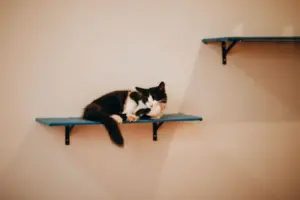
Inquisitive breeds possess high cognitive stimulation needs. Without adequate outlets—such as puzzle feeders, interactive wand toys, and vertical climbing structures—these "supervisors" can easily become under-stimulated. Behavioral studies show that boredom in high-intelligence breeds frequently manifests as destructive exploration, cabinet-opening, or excessive vocalization.
Breed Profiles: The Elite Household Inspectors
A comprehensive examination of the specific purebred lineages renowned for their unwavering commitment to domestic supervision reveals diverse approaches to human companionship.
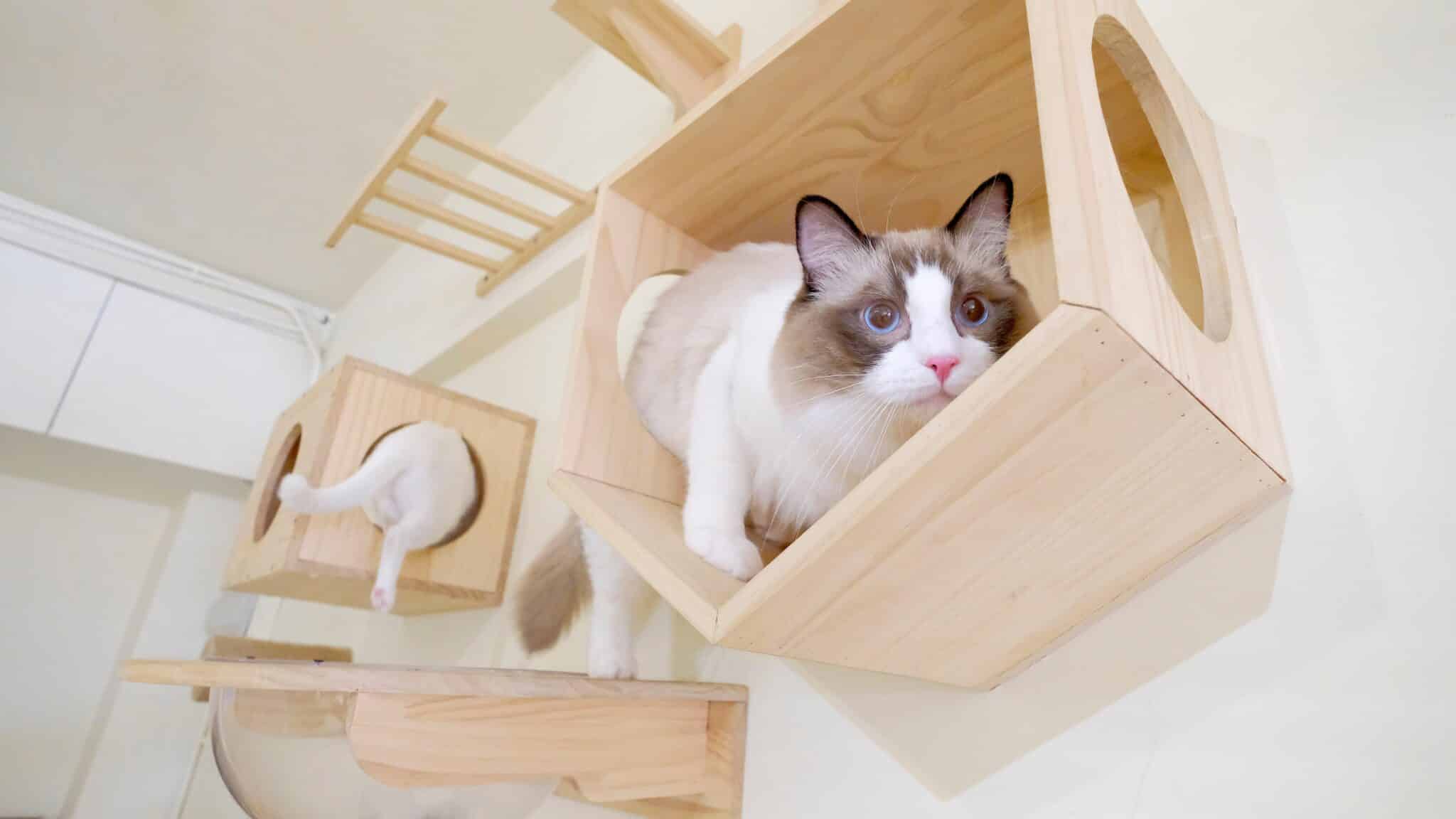
1. Ragdoll
- Temperament: Gentle, serene, and profoundly people-oriented.
- Behavioral Profile: Named for their tendency to go limp when held, Ragdolls form intense bonds with their human families. Rather than demanding constant, high-energy engagement, a Ragdoll prefers quiet companionship. They will trail their humans from the kitchen to the home office, quietly waiting outside closed doors or settling gently beside a working laptop. Their calm demeanor makes their sociability exceptionally harmonious in busy households.
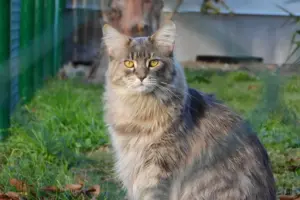
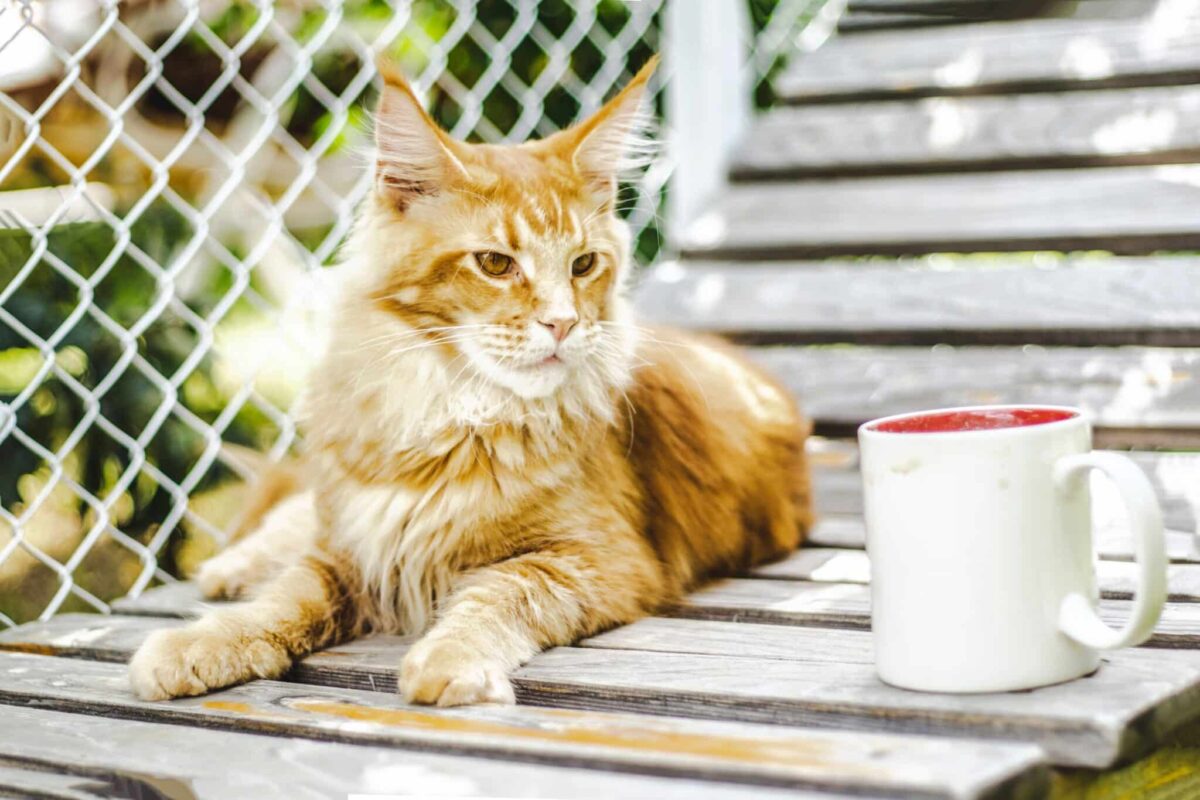
2. Maine Coon
- Temperament: Confident, amicable, and majestically curious.
- Behavioral Profile: As America’s native gentle giant, the Maine Coon combines impressive physical stature with a remarkably friendly disposition. They act as the quintessential "foreman" of the household, supervising meal preparation and hallway transit from a safe, elevated vantage point. Many Maine Coons communicate via soft chirps and trills rather than loud meows, blending a strong desire for companionship with an independent streak.
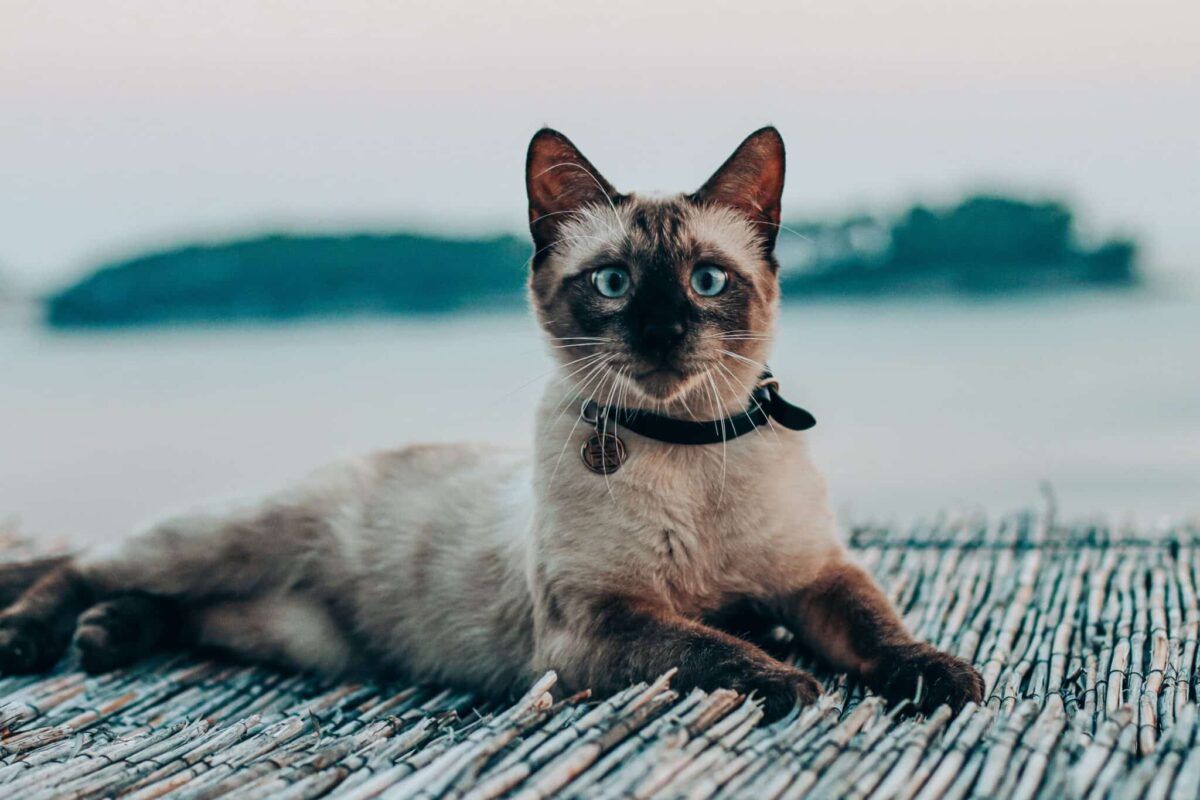
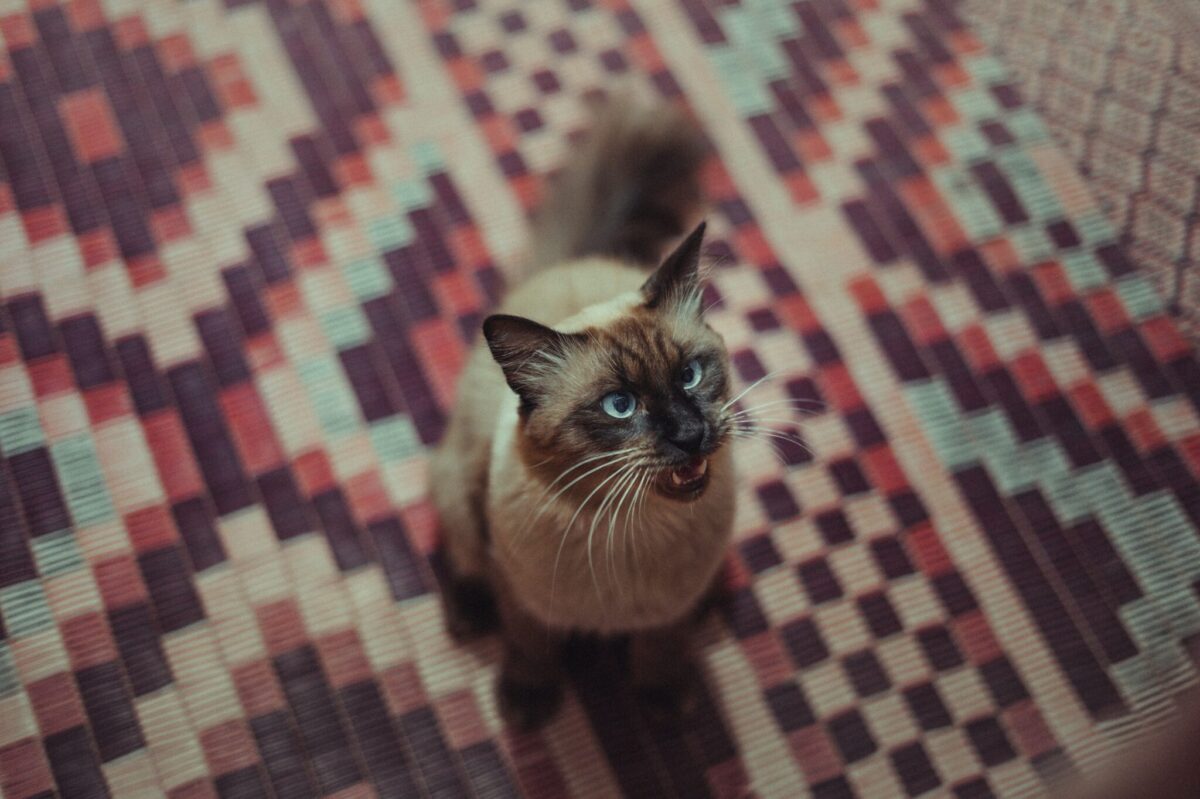
3. Siamese
- Temperament: Highly intelligent, demanding, and vocally expressive.
- Behavioral Profile: The Siamese is arguably the most famous representative of interactive feline breeds. Highly social and emotionally sensitive, Siamese cats despise prolonged isolation. They transform routine chores into interactive events, following humans into every room of the house—including the bathroom. Their distinct, raspy vocalizations ensure their opinions on household management are heard loud and clear.
4. Burmese
- Temperament: Affectionate, energetic, and deeply integrated into family dynamics.
- Behavioral Profile: Burmese cats thrive on human interaction and find solitude deeply unappealing. They frequently initiate play sessions, turning everyday tasks into games. Their high emotional intelligence allows them to read human moods accurately, offering comfort during stressful times and eager participation during moments of relaxation.
5. Tonkinese
- Temperament: Playful, inquisitive, and wonderfully balanced.
- Behavioral Profile: A hybrid of Siamese and Burmese ancestry, the Tonkinese inherits the best traits of both foundational breeds. They possess an infectious enthusiasm for life, inserting themselves into household activities simply because something interesting is occurring. Their high intelligence enables them to anticipate human routines, making them feel like active co-habitants rather than mere pets.
6. Devon Rex
- Temperament: Mischievous, athletic, and perpetually curious.
- Behavioral Profile: Recognized by their oversized ears and soft, rippling coats, Devon Rex cats are often described as "monkeys in cat suits." They love height, often perching on shoulders or high cabinet tops. Their energetic curiosity ensures they investigate every new sound, package, or movement within the home.
7. Sphynx
- Temperament: Warm-seeking, intensely affectionate, and extroverted.
- Behavioral Profile: Lacking a traditional fur coat, the hairless Sphynx relies heavily on human proximity—and warm blankets—to regulate body temperature. Beyond their physical need for warmth, however, they are fiercely social animals. A Sphynx will relentlessly shadow their human companions, demanding interaction, play, and endless cuddles.
8. Oriental Shorthair
- Temperament: Clever, vocal, and relentlessly active.
- Behavioral Profile: Sharing close genetic ties with the Siamese, the Oriental Shorthair possesses a sleek build and an enormous personality. They demand mental stimulation and human engagement. Without sufficient interaction, their clever minds will engineer their own entertainment, which may include opening doors or inventing complex games.
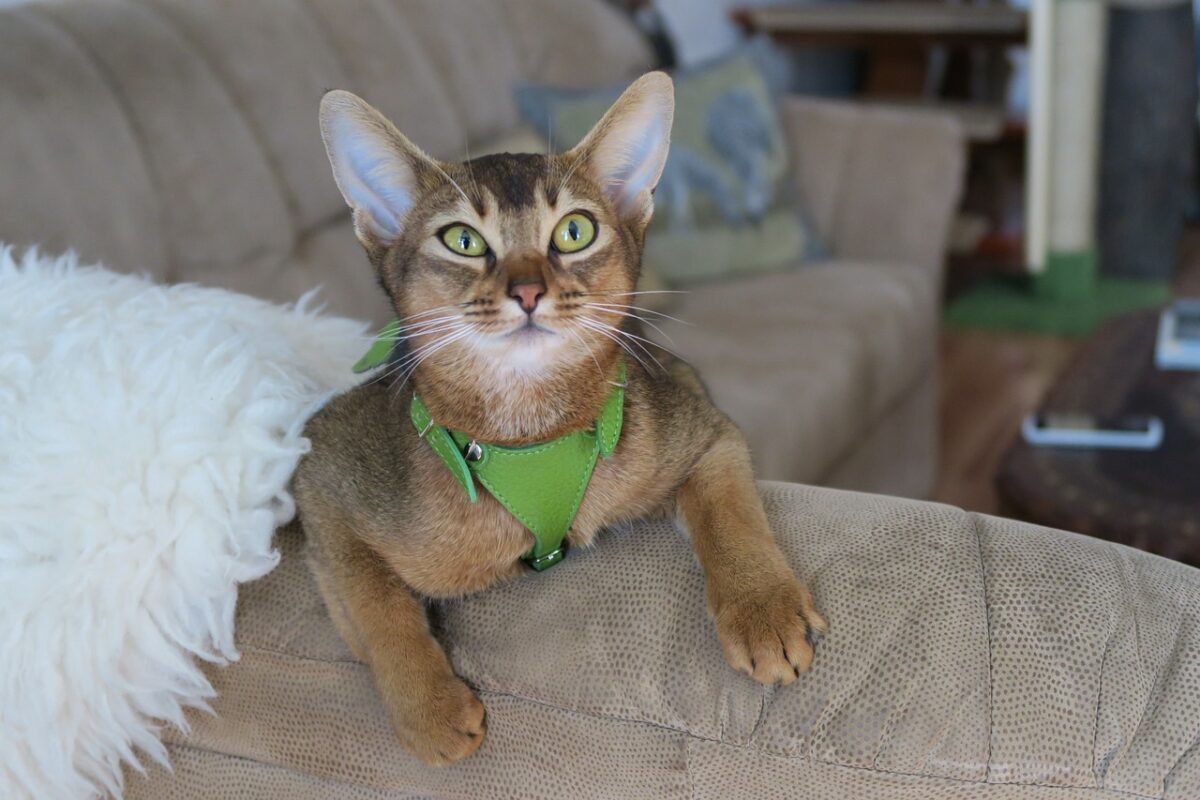
9. Abyssinian
- Temperament: Agile, fiercely independent yet deeply attached, and constantly moving.
- Behavioral Profile: Often called the "clowns of the cat kingdom," Abyssinians prefer active participation over passive cuddling. Instead of sleeping on a lap, an Abyssinian prefers to explore alongside you, investigating sounds and scaling high perches. Their version of love is shared activity and boundless curiosity.
10. Cornish Rex
- Temperament: High-energy, acrobatic, and people-focused.
- Behavioral Profile: Characterized by their plush, marcel-waved coats, Cornish Rex cats retain kitten-like playfulness well into adulthood. They track human movement obsessively, leaping onto furniture to secure a front-row seat to daily domestic chores.
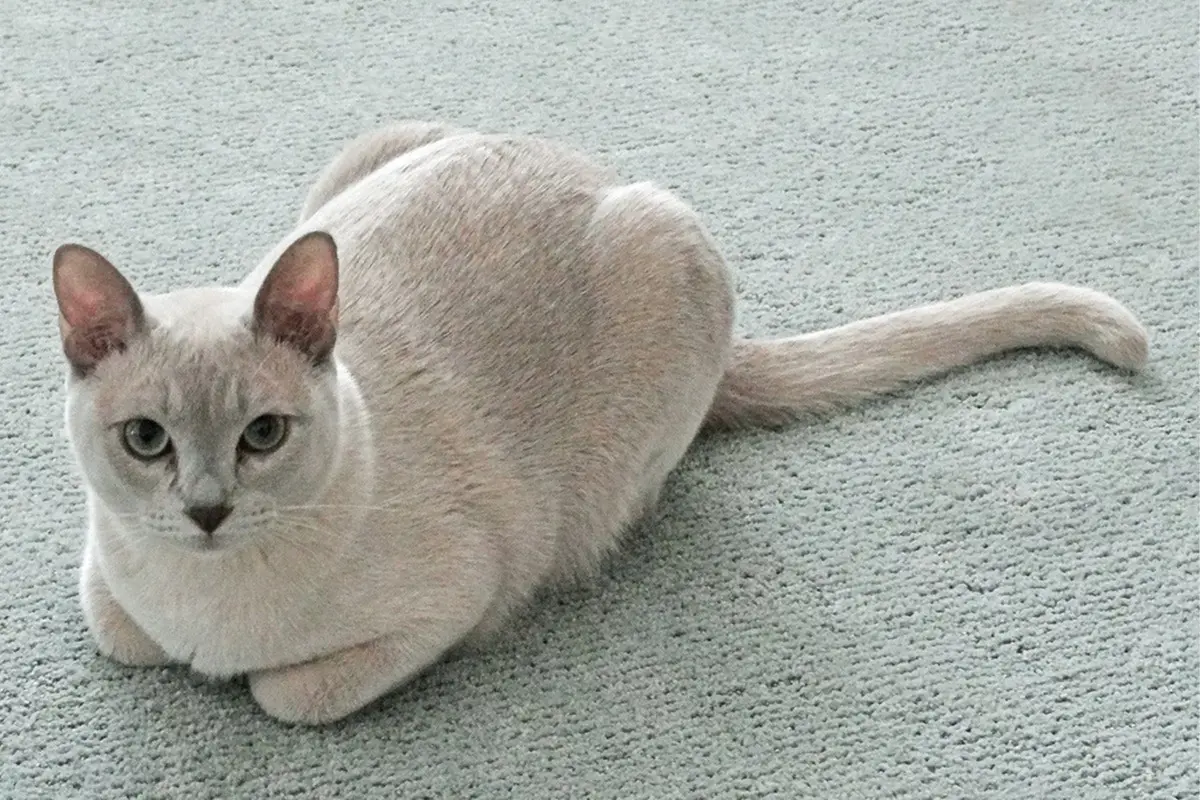
11. Turkish Angora
- Temperament: Elegant, assertive, and fiercely loyal.
- Behavioral Profile: Turkish Angoras form profound, singular attachments to their chosen humans. They enjoy commanding views of their territory, frequently seeking high vantage points to supervise home life. Their keen intellect and alertness mean nothing escapes their notice.
Official Statements and Expert Perspectives
Animal behaviorists emphasize that understanding these distinct breed traits is vital for ensuring optimal feline welfare.

"When a cat follows you from room to room, it is not merely shadowing you out of boredom; it is demonstrating a sophisticated level of social integration," notes Dr. Elena Vance, a prominent comparative ethologist. "In evolutionary terms, these cats view their human family as part of their bonded social group. Meeting their psychological need for inclusion is just as important as providing proper nutrition."
Veterinary organizations increasingly stress that high-sociability breeds require dedicated time and environmental enrichment. Owners who fail to recognize these behavioral drivers often misinterpret normal supervisory behavior as "clinginess" or "behavioral issues," when in reality, the animal is simply fulfilling its genetic programming.

Future Outlook
As urban living arrangements evolve and more people embrace remote work models, the demand for highly interactive, companion-oriented cat breeds is projected to rise significantly. Modern pet owners increasingly seek animals that offer emotional resonance and active companionship traditionally associated with canine ownership.
Looking ahead, breeders, behavioral researchers, and veterinarians must continue collaborating to educate the public on the unique cognitive and emotional requirements of high-sociability felines. By recognizing that these "shadow supervisors" are displaying a healthy, evolved desire for connection, human caretakers can forge deeper, more fulfilling bonds with their feline companions—transforming ordinary domestic moments into shared adventures.